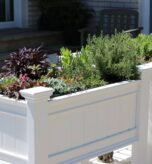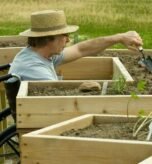




You keep your knees safe in the garden by raising the soil to waist height and sitting on a padded stool for anything at ground level. The core of how to garden with bad knees is keeping every task between your hips and your chest, so you don’t bend or kneel at all. Use 24-inch raised beds for vegetables, long-handled tools for weeding, and take a 5-minute standing break after every 20 minutes of seated work.
Your exact setup depends on three things: whether you rent or own the yard, how much weight your knees can safely hold right now, and what you actually want to grow. A balcony gardener needs different gear than someone with a quarter-acre plot. The rest of this page matches each situation to the right tools and positions.
Who needs knee-safe gardening setups
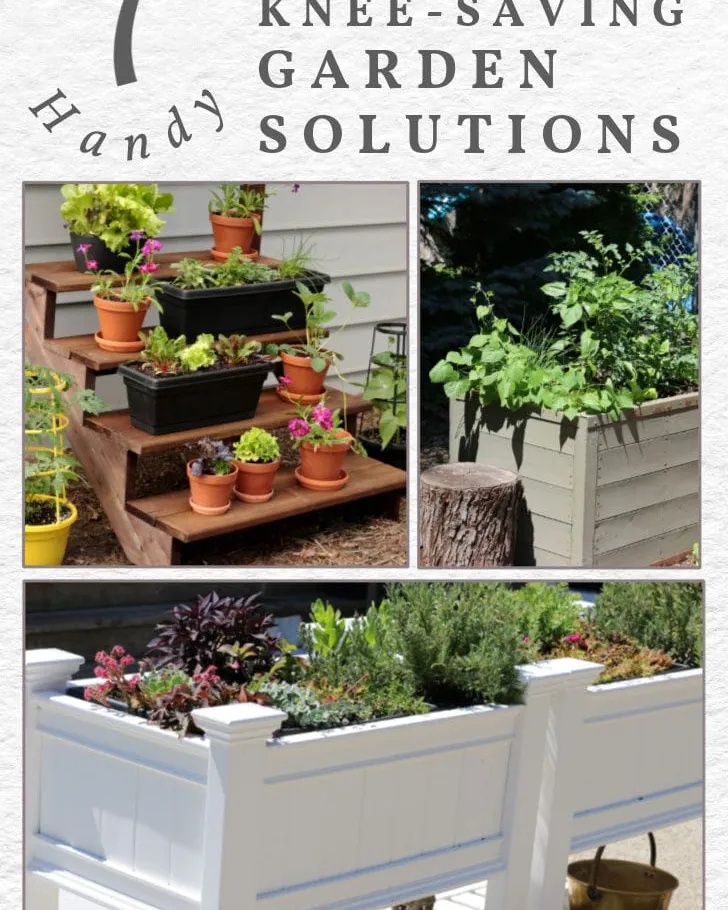
Three different people type this search, and they need completely different answers from the page. The first has diagnosed joint damage — osteoarthritis, a meniscus tear, or a recent replacement — and their doctor has told them to avoid kneeling. They already know their pain threshold. What they need is a way to keep growing food or flowers without losing their mobility.
The second person feels stiffness after an hour of weeding but hasn’t seen a doctor yet. They’re looking for lighter tools or a foam pad. They don’t realize that padding doesn’t stop the joint compression caused by kneeling, which is why they’ll still feel sore tomorrow even with a thick mat under them.
The third is helping an older parent stay active outdoors. They need a full yard redesign, not just a shopping list. They’re trying to balance safety with the parent’s desire to do things independently.
This page serves the first group best, along with the third group if they’re willing to build permanent structures. If you only have mild stiffness and no diagnosis, a physical therapist will give you better guidance than any garden guide. The instructions below assume you can’t kneel safely at all and must do every task from a standing or seated position above your knees.
What changes your setup
Four things decide which tools and beds you actually need. Getting any of them wrong means you buy gear that doesn’t fit your body or your yard.
Your working height. This matters more than anything else. Measure the distance from the floor to your belt line while standing straight. Your raised bed rim or potting bench surface needs to sit within 2 inches of that number. If it sits lower, you’ll lean forward; higher, and you’ll hike your shoulders up. Both force your knees to stabilize a bad posture. Check this with a tape measure before buying lumber or steel beds.
Bed depth versus reach. A 4-foot-wide raised bed means you reach 2 feet from either side. If your balance is poor, a 3-foot width keeps you closer to the center without leaning. Narrower beds cost more per square foot of growing space because you need more framing material for the same soil volume. That’s the trade-off: stability costs extra lumber.
Soil weight. Wet garden soil weighs about 100 pounds per cubic foot. A 4×8-foot bed filled 24 inches deep holds roughly 6,400 pounds. You can’t move that once it’s built. If you rent or might move, use fabric grow bags or modular metal troughs instead. Fill them where they’ll stay permanently.
Tool handle length. Standard shovels run 44 to 48 inches long. For standing work in a 24-inch bed, you need handles between 54 and 60 inches so your spine stays straight. Short handles force you to squat, putting the load right back on your joints.
The thing people get wrong most often is the bed height. They build standard 12-inch boxes because that’s what plans online show. Twelve inches forces you to bend almost double. Always build or buy for your belt-line measurement.
Setting up your garden for bad knees
Every action here assumes you’re using a 24-inch-tall raised bed or container. If your beds are shorter, add risers or cinder blocks underneath until the rim reaches your belt line.
- Measure your belt-line height. Stand straight against a wall in your garden shoes. Have someone mark the wall at your belt buckle. Measure from the floor to that mark in inches. Write it down. You’ll use this number for every structure you build or buy.
- Place your beds on firm ground. Set raised beds or containers on flat soil or gravel, not grass. Grass hides dips that make tall beds wobble. A wobbling 24-inch bed forces your knees to brace when you lean on the rim. Push the empty bed hard from the side; if it rocks, level the ground beneath it with sand before filling.
- Fill with lightweight mix. Don’t use dirt dug from the yard. Mix equal parts coarse vermiculite, peat moss or coconut coir, and blended compost by volume. This blend weighs roughly half as much as topsoil when wet. It drains faster, so you’ll water more often, but it saves your joints from bracing against a heavy, shifting box.
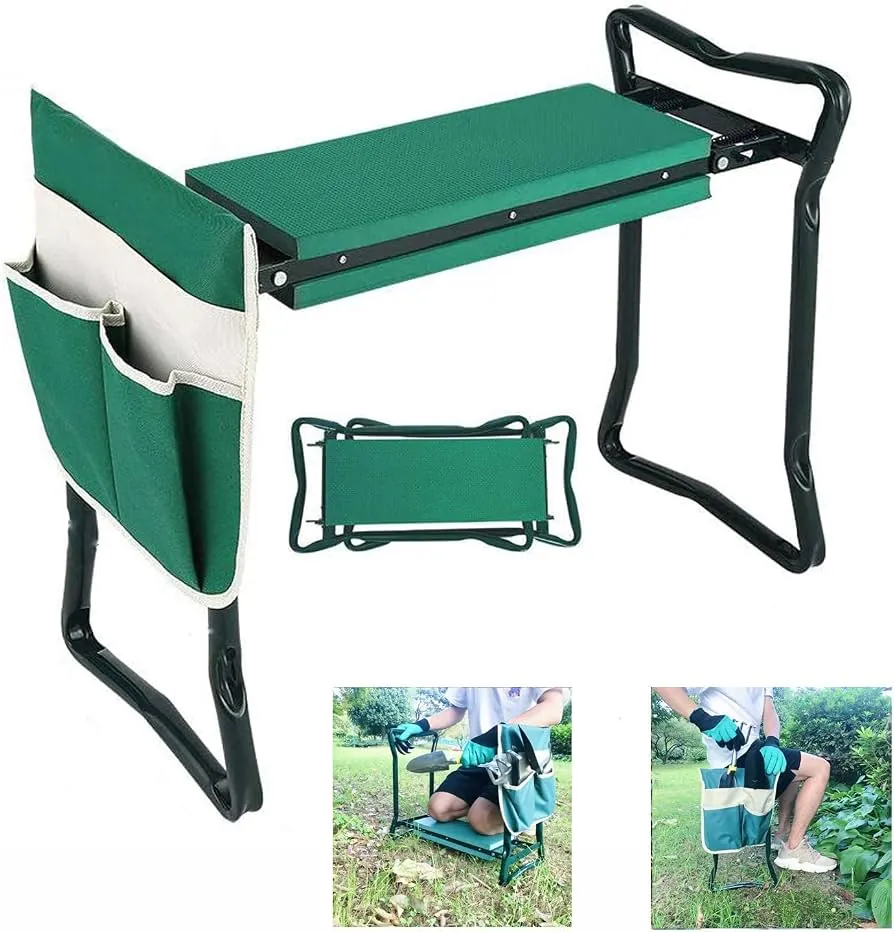
- Position a seat at every station. Place a rolling garden seat or a fixed stool next to each bed before you plant anything. The seat height must let your feet rest flat on the ground with your thighs parallel to the floor. If your feet dangle, your knees bear your upper body weight.
- Switch to long-handled tools. Buy hoes, rakes, and cultivators with 54- to 60-inch handles. Hold the tool upright next to you; the grip should land between your waist and your chest without bending your arm. If you have to chop downward at an angle, the handle is too short.
- Plant in tight blocks. Space plants so you can reach everything from the edge without stepping inside the bed. Step-in beds require twisting and balancing on one leg. Keep rows no wider than your arm’s reach from the seated position — usually 24 to 30 inches.
- Set a 20-minute timer. Work for 20 minutes, then stand up and walk slowly for 5 minutes. Sitting reduces synovial fluid circulation and increases its viscosity. The 5-minute walk circulates synovial fluid through the knee capsule, preventing the stiffness that makes standing back up painful.
The judgment call that separates a safe setup from a dangerous one is knowing when to stop reaching. If a weed sits 2 inches past your comfortable reach, leave it. Leaning shifts your center of gravity and forces your planted feet to twist, sending torque directly into the knee ligaments.
Situations and setups compared
Different yards and bodies need different solutions. Match your situation to the row below to find the right approach, what it demands, and the warning sign to watch for.
| Situation | What to do | What it takes | Watch for |
|---|---|---|---|
| Renting, can’t build | Use 5-gallon fabric grow bags | Low cost, daily watering | Bags tipping over in wind |
| Balcony or patio | Railing planters at waist height | Medium cost, limited space | Water dripping onto neighbors |
| Large vegetable plot | Build 24-inch timber raised beds | High effort, permanent spot | Soil settling below rim |
| Mostly flower care | Use a rolling seat with tray | Low cost, smooth paths needed | Wheels sinking into soft mud |
| Severe balance issues | Build 3-foot narrow keyhole beds | High cost, custom framing | Reaching across the center gap |
| Growing root vegetables | Use 18-inch deep fabric pots | Medium cost, loose soil mix | Pots drying out too fast |
Fabric bags solve the renting problem but demand daily watering in summer heat. Timber beds last longer but lock you into one spot forever. Pick the option that fits your living situation first, then adapt your plant choices to match the container size.
Details that protect your joints
Choosing the right seat and surface
A seat with a padded top sounds comfortable, but padding thicker than 2 inches compresses unevenly and tilts your pelvis. That tilt forces one knee to take more weight when you stand back up. Pick a firm foam pad no thicker than 2 inches.
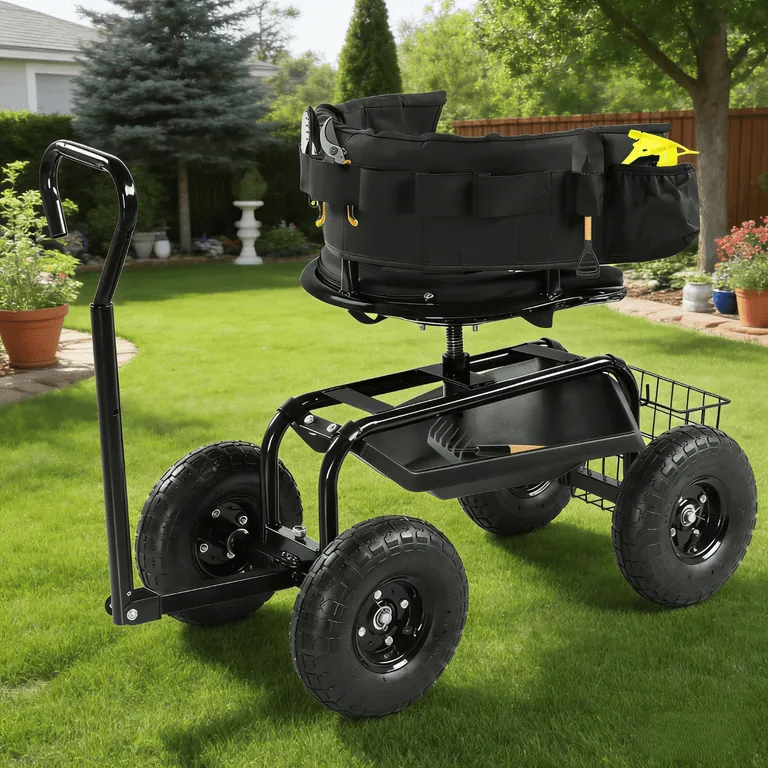
If you use a rolling seat, check the wheel diameter. Wheels under 5 inches sink into mulch and stop suddenly. A sudden stop jerks your torso forward, and your knees absorb that momentum. Use wheels at least 7 inches in diameter for outdoor soil, or lay down temporary plywood tracks over soft ground.
Never sit on an overturned bucket. Buckets lack a flat base designed for human weight distribution, and they rock sideways on uneven ground. A rocking seat forces constant micro-adjustments in your legs that fatigue the muscles supporting your knees.
Tool grips and leverage points
Wrap foam pipe insulation around thin metal tool handles and secure it with zip ties. A grip diameter under 1 inch forces you to squeeze harder. Squeezing tightens your forearm, which stiffens your shoulder, which ruins your posture over the bed. Aim for a grip thickness of 1.5 inches.
When pulling weeds with a hand tool from a seated position, anchor your non-working elbow against your ribs. This creates a lever point that uses your core instead of your arms. Without that anchor, you pull backward with your shoulders, and your feet slide forward, straining the joint.
When your knees react
Things go wrong even with good setups. Match what you feel to the cause and the immediate fix.
| What you notice | What it usually means | What to do first | How to stop it happening again |
|---|---|---|---|
| Sharp pain behind kneecap | Bed rim is too low | Stand up immediately | Raise bed or switch to taller seat |
| Stiffness after 30 minutes | Joint fluid isn’t circulating | Walk slowly for 5 minutes | Set a 20-minute work timer |
| Swelling by evening | Too much standing time today | Elevate legs above heart | Alternate sitting and walking tasks |
| Thigh muscle cramping | Seat height is too low | Adjust seat upward | Ensure feet rest flat on ground |
| Lower back ache | Tool handle is too short | Switch to longer tool | Buy 54-inch minimum handles |
| Knee buckling when rising | Weak quadriceps from sitting | Hold bed rim to stand | Do seated leg extensions daily |
If swelling lasts more than 48 hours after resting and elevating, stop gardening and see a doctor. Pain that shoots down your calf or causes numbness isn’t a gardening issue; it requires medical evaluation immediately. Don’t try to push through nerve symptoms.
Safety limits and guidelines
The Arthritis Foundation recommends pacing your activity and using joint-protection techniques like building up tool handles and avoiding prolonged gripping. Their guidance supports the 20-minute work intervals described here.
Local building codes dictate how tall a freestanding structure can be without a permit. In many US municipalities, a raised garden bed over 30 inches tall may fall under retaining wall regulations, especially if it holds back soil on a slope. Check your city or county planning department’s website for the exact height limit in your area before stacking timbers higher than two feet.
If you use power augers to dig post holes for trellises or bed frames, the kickback can twist your leg violently. Operating rotary digging equipment requires enough lower-body strength to resist sudden torque. If your knees can’t handle a sudden twisting force, hire someone with the right machinery to set your posts. Don’t risk a ligament tear to save on labor costs.
Always read the weight capacity printed on the manufacturer’s label of any folding garden seat or rolling cart. Exceeding that rated limit voids the warranty and risks a sudden collapse while you’re holding sharp tools.
Time, money, and effort
Building a single 4×8-foot raised bed from untreated cedar lumber, 24 inches tall, takes roughly 3 to 4 hours of assembly if you cut the wood yourself. Buying pre-cut kits cuts that time to under an hour but adds to the price. Lumber prices change weekly; check your local hardware store’s current board-foot rate before budgeting.
A quality rolling garden seat with a tool tray is inexpensive relative to the alternative of cheap models that usually have small plastic wheels that crack on gravel within a single season. Spending more upfront on steel axles and pneumatic tires saves you from replacing the seat every spring.
Long-handled ergonomic tools are inexpensive relative to the alternative. You don’t need a whole set on day one. Buy the one you’ll use most — usually a hoe or a cultivator — and add others as your budget allows. Wrapping existing tools with foam tubing costs under $5 per handle and takes ten minutes.
The hidden cost is water. Raised beds drain faster than ground soil. Expect to spend 10 to 15 extra minutes every other day watering during summer, or invest in a drip irrigation kit. A basic timer-and-hose kit is inexpensive relative to the alternative but removes the daily chore entirely.
Keeping the setup working
Wood rots, soil settles, and bolts loosen. Inspect your raised bed frames every spring before planting. Push firmly against the corners; if the wood flexes more than half an inch, the screws are pulling out or the timber is rotting from the inside.
Soil in raised beds compacts and shrinks by about 2 to 3 inches every year. Top off your beds with fresh compost as needed depending on use to maintain that critical belt-line height. If the soil level drops, you’ll start bending forward again without realizing it.
Store long-handled tools hanging vertically on a wall rack. Leaving them on the ground invites trips, and tripping is the fastest way to re-injure a vulnerable joint. Wipe metal blades dry after use to prevent rust, which roughens the surface and forces you to grip harder.
Grease the axles on your rolling seat twice a year. A squeaking or sticking wheel makes you push unevenly, shifting your weight to one side. Read the seat manufacturer’s manual for the specific grease type they recommend.
When raised beds aren’t the answer
Raised beds and rolling seats don’t work for every yard or every body. If your property slopes more than a few degrees, building level 24-inch beds requires massive retaining walls on the downhill side. On steep slopes, terrace gardening with shallow steps or switching entirely to vertical wall-mounted planters is safer than fighting gravity with tall wooden boxes.
If you can’t grip tools at all due to arthritis in your hands, long handles won’t help you. You’ll need automated drip systems and a caregiver to handle the physical maintenance. Trying to force a grip you don’t have leads to dropped tools falling onto your feet or knees.
Container gardening on a concrete driveway works until summer heat bakes the roots. Dark plastic pots on hot pavement cook plants. If your only flat, safe space is paved, you must use light-colored ceramic or thick fabric pots to insulate the roots, or move the containers daily.
If your knee instability causes falls, working outdoors alone with sharp tools carries real danger. In that case, community garden plots with flat, paved paths and nearby people are safer than a private backyard setup. Don’t isolate yourself with heavy equipment if your balance fails without warning.
Frequently asked questions
Can I kneel if I wear thick pads?
No, pads don’t stop the joint compression. Foam distributes your weight over a wider skin area, but your femur still presses directly into your tibia with your full body weight. If your doctor restricted kneeling, a pad doesn’t make it safe. Stay seated or standing.
How high should my raised bed be?
Measure from the ground to your belt buckle while wearing your garden shoes. Your bed rim should sit within 2 inches of that number. For an average adult, this usually lands between 30 and 36 inches, but always use your own measurement rather than a standard plan.
Why does my back hurt when I use long tools?
Your tool handle is likely still too short, or you’re gripping it too low. Stand the tool next to you; the top of the handle must reach between your waist and chest. If you have to stoop to grab it, you’re transferring the strain from your knees directly to your lower spine.
Is it safe to use a riding mower?
Yes, riding mowers remove the pushing and twisting of walk-behind models. However, mounting and dismounting the seat requires bending one knee deeply. Park on perfectly level ground, use the grab handles, and step down backward to control the descent. Check your mower’s manual for the specific step height.
How long can I sit on a garden stool?
Limit seated work to 20 minutes at a time. After 20 minutes, stand up and walk slowly for 5 minutes. Sitting longer than that reduces blood flow and lets synovial fluid settle, making your knees stiff and painful when you finally try to stand.
Does soil type matter for my knees?
It changes how hard you pull. Heavy clay resists tools, forcing you to jerk backward. Jerking destabilizes your seated balance. Amending clay with compost or using lightweight potting mixes in containers reduces the pulling force required, keeping your posture steady.
What happens if my bed frame wobbles?
A wobbling frame forces your leg muscles to constantly micro-adjust to keep you balanced. Those tiny adjustments fatigue the muscles supporting your knee joint. Stop working, empty the soil if necessary, and level the ground beneath the frame until it sits perfectly solid.
Do vertical gardens really help?
They keep plants at eye level, removing all bending. But they hold very little soil, meaning they dry out in hours during summer. They work well for herbs and lettuce, but root vegetables need deeper horizontal beds. Match the plant to the structure, not just the height.
Starting your first bed
Measure your belt-line height today and write the number down. Order or cut your lumber to match that exact figure, build one small 3×3-foot test bed, and fill it with the lightweight mix. You’ll know it’s right when you can weed the center while sitting comfortably without leaning forward. If your knee throbs or swells after your first 20-minute session despite using the correct height, stop and consult your doctor before adding more beds.
{“@context”:”https://schema.org”,”@type”:”FAQPage”,”mainEntity”:[{“@type”:”Question”,”name”:”Can I kneel if I wear thick pads?”,”acceptedAnswer”:{“@type”:”Answer”,”text”:”No, pads don’t stop the joint compression. Foam distributes your weight over a wider skin area, but your femur still presses directly into your tibia with your full body weight. If your doctor restricted kneeling, a pad doesn’t make it safe. Stay seated or standing.”}},{“@type”:”Question”,”name”:”How high should my raised bed be?”,”acceptedAnswer”:{“@type”:”Answer”,”text”:”Measure from the ground to your belt buckle while wearing your garden shoes. Your bed rim should sit within 2 inches of that number. For an average adult, this usually lands between 30 and 36 inches, but always use your own measurement rather than a standard plan.”}},{“@type”:”Question”,”name”:”Why does my back hurt when I use long tools?”,”acceptedAnswer”:{“@type”:”Answer”,”text”:”Your tool handle is likely still too short, or you’re gripping it too low. Stand the tool next to you; the top of the handle must reach between your waist and chest. If you have to stoop to grab it, you’re transferring the strain from your knees directly to your lower spine.”}},{“@type”:”Question”,”name”:”Is it safe to use a riding mower?”,”acceptedAnswer”:{“@type”:”Answer”,”text”:”Yes, riding mowers remove the pushing and twisting of walk-behind models. However, mounting and dismounting the seat requires bending one knee deeply. Park on perfectly level ground, use the grab handles, and step down backward to control the descent. Check your mower’s manual for the specific step height.”}},{“@type”:”Question”,”name”:”How long can I sit on a garden stool?”,”acceptedAnswer”:{“@type”:”Answer”,”text”:”Limit seated work to 20 minutes at a time. After 20 minutes, stand up and walk slowly for 5 minutes. Sitting longer than that reduces blood flow and lets synovial fluid settle, making your knees stiff and painful when you finally try to stand.”}},{“@type”:”Question”,”name”:”Does soil type matter for my knees?”,”acceptedAnswer”:{“@type”:”Answer”,”text”:”It changes how hard you pull. Heavy clay resists tools, forcing you to jerk backward. Jerking destabilizes your seated balance. Amending clay with compost or using lightweight potting mixes in containers reduces the pulling force required, keeping your posture steady.”}},{“@type”:”Question”,”name”:”What happens if my bed frame wobbles?”,”acceptedAnswer”:{“@type”:”Answer”,”text”:”A wobbling frame forces your leg muscles to constantly micro-adjust to keep you balanced. Those tiny adjustments fatigue the muscles supporting your knee joint. Stop working, empty the soil if necessary, and level the ground beneath the frame until it sits perfectly solid.”}},{“@type”:”Question”,”name”:”Do vertical gardens really help?”,”acceptedAnswer”:{“@type”:”Answer”,”text”:”They keep plants at eye level, removing all bending. But they hold very little soil, meaning they dry out in hours during summer. They work well for herbs and lettuce, but root vegetables need deeper horizontal beds. Match the plant to the structure, not just the height.”}}]}