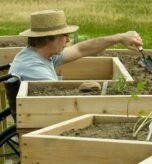




Accessible gardening brings soil up to your hands with raised beds 24 to 30 inches high for seated reach and paths at least 36 inches wide for wheelchairs. Vertical trellises keep crops at standing height, while lightweight tools with thick grips reduce joint strain.
Defining accessible gardening ideas
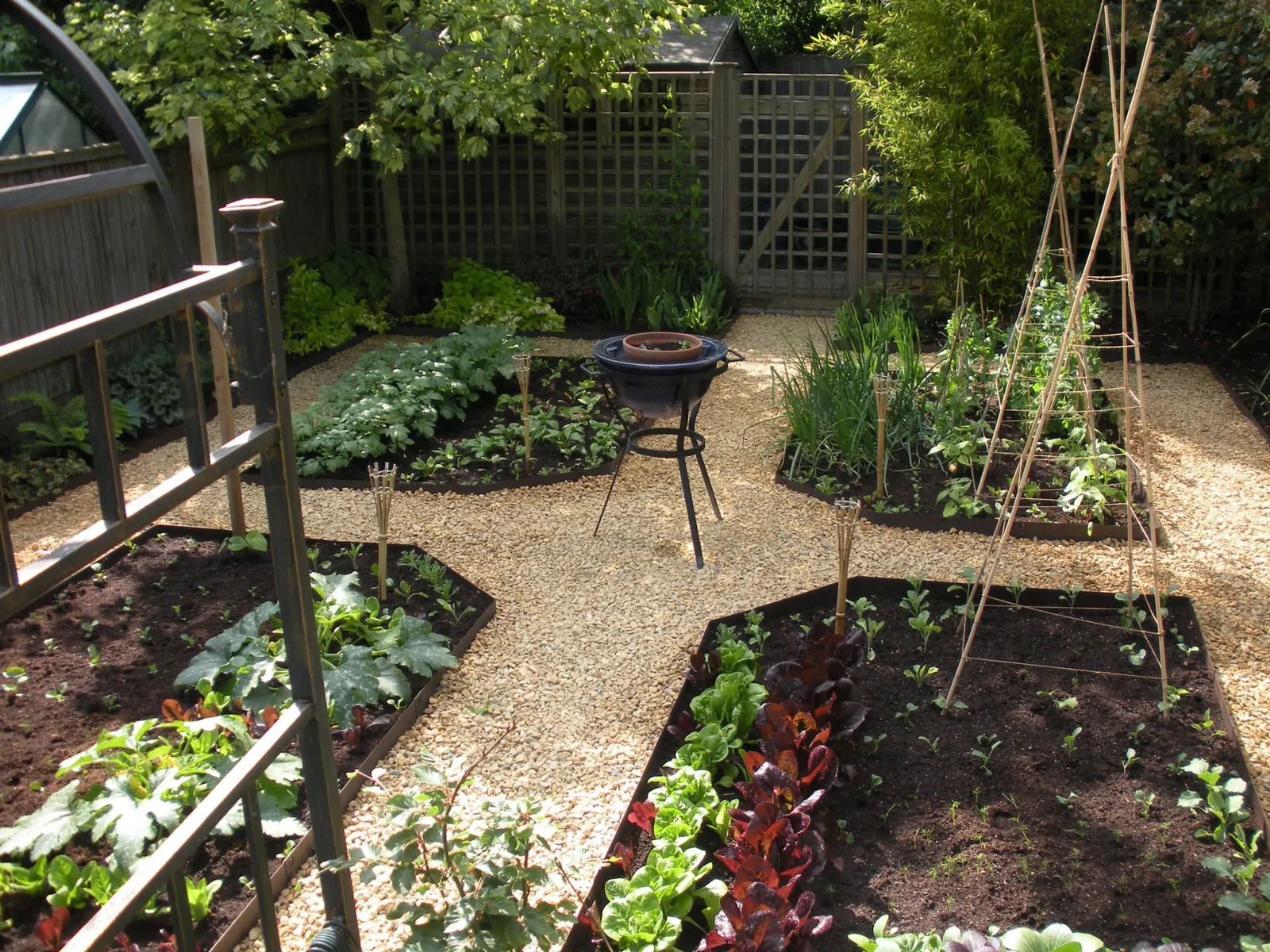
An accessible garden is an outdoor growing space designed so anyone can plant, water, and harvest without pain or help. It uses raised beds, smooth paths, and easy-to-hold tools to remove physical barriers. You don’t need a large yard to build one. A single elevated planter on a patio counts.
This setup serves people who use wheelchairs, those with back or knee pain, older adults, and anyone who tires quickly. It’s also useful if you just want a more comfortable way to grow tomatoes or herbs. The goal is simple: let your body dictate the design, not the other way around.
The biggest misconception is that accessibility means giving up real gardening. People think it only involves small pots on a windowsill. That isn’t true. A well-built raised bed holds enough soil for deep-rooted crops like carrots and potatoes. You can grow a full vegetable harvest without bending over once.
The core rule behind this method is basic physics. When you raise the planting surface closer to your chest, you shorten the lever arm your back has to support. Less distance means less strain on your spine and shoulders. Gravity does less work against you.
You don’t need special training to set this up. You just need a tape measure and a clear idea of how you move. Measure your comfortable reach while sitting or standing. Build the bed to match that number. The garden fits you, rather than forcing you to fit the garden.
How to build an accessible garden bed
Building a comfortable growing space takes a few specific measurements. Follow these steps in order to get the height and reach right. These numbers assume a standard manual wheelchair with a seat height around 19 to 20 inches; if your chair sits higher, add that difference to the bed height.
- Pick a flat spot with sunlight. Choose an area that gets at least six hours of direct sun daily. Make sure the ground is level so your bed won’t tilt. A tilted bed drains unevenly and dries out too fast on one side.
- Set the path width first. Mark out a path that’s at least 36 inches wide before you build anything. If you use a wheelchair or walker, make it 48 inches so you have room to turn around. Firm materials like paving stones or packed gravel work best here.
- Build the frame to the right height. Cut your lumber or buy a kit that stands 24 to 30 inches tall. This height clears most wheelchair footrests. If you garden while standing but have back pain, 30 to 36 inches keeps you upright without stooping.
- Leave open space underneath. Don’t fill the bottom of the bed completely if you sit while working. Leave a hollow space under the front edge so your knees can slide beneath it. This lets you lean in close without stretching your arms too far.
- Limit the width for easy reach. Keep the bed no wider than 24 inches if you can only access it from one side. If you can reach it from both sides, 48 inches is the maximum. Anything wider means you’ll have to stretch uncomfortably to reach the middle plants.
- Fill it with light soil mix. Don’t use heavy dirt dug straight from the ground. Mix equal parts compost, peat moss or coconut coir, and coarse perlite. This blend drains well and weighs much less, making future changes easier on your arms.
- Add a padded edge. Cap the top of the wooden frame with a smooth, rounded board. You can rest your forearms on it while planting. Sharp edges dig into your skin when you lean over them for long periods.
The single judgment call that separates a good result from a bad one is deciding your primary working position before cutting any wood. If you mostly garden seated, prioritize knee clearance and a 24-inch height. If you stand but get tired easily, go for 30 inches and skip the hollow base. Changing the height after the soil is in means rebuilding the whole box.
If you’re pouring concrete for permanent paths, check your local building codes or hire a contractor. Doing it wrong creates drainage issues that flood your beds.
Raised bed sizes and settings for gardening
These measurements tell you exactly what to build based on how you move. Use this table as a quick reference when buying lumber or ordering kits. Every row assumes standard garden soil mixes and typical vegetable crops.
| Situation | What to use | How long | What to watch for |
|---|---|---|---|
| Seated gardener, one-side reach | Bed 24 inches high, 24 inches wide | As long as your space allows | Ensure 12 inches of hollow knee space under the front edge |
| Standing with back pain | Bed 30 to 36 inches high, 48 inches wide | Up to 8 feet before the frame bows | Brace the corners well; taller walls hold more soil weight |
| Wheelchair user needing a turnaround | Paved path 60 by 60 inches | N/A | Avoid loose gravel that catches small front caster wheels |
| Limited grip strength | Tools with 1.5-inch thick handles | N/A | Skip heavy steel tools; choose forged aluminum instead |
| Balcony or small patio | Trough planter 24 inches high | 24 to 36 inches long | Check your balcony’s weight limit before adding wet soil |
| Growing deep root vegetables | Bed at least 18 inches deep inside | N/A | Shallow beds stunt carrots and potatoes quickly |
| Watering from a seated position | Drip irrigation with a lever valve | Run lines every 12 inches | Place the main shut-off valve where your arms reach easily |
A bare number without its condition leads you astray. A 24-inch height works perfectly for a standard wheelchair, but if you use a power chair with a higher seat, you’ll be reaching down awkwardly. Measure your own seat-to-ground distance first. Add a few inches for comfort, and build to that specific number.
The trade-off here is between depth and weight. Deeper beds grow better root vegetables, but they become incredibly heavy. If you’re building on a deck, stick to shallow troughs for leafy greens. Save the deep beds for solid ground.
Details that make accessible gardens work
The difference between a garden you love and one you abandon comes down to small setup choices. Experienced gardeners don’t just build a box and throw seeds in it. They plan how their body will interact with every square inch.
Start with the soil surface. Pack it lightly but leave it slightly mounded in the center. Keep the soil surface level and about an inch below the top of the frame so water doesn’t spill over the edges and rot the wood.
Place your tallest plants on the far side of the bed. Put short herbs and leafy greens on the side closest to you. This stops tall tomato vines from blocking your reach to the basil. You shouldn’t have to push through branches just to harvest a salad.
Keep a small table or cart right next to your bed. Set it at the same height as the soil surface. Moving a heavy watering can from the ground up to a raised bed strains your shoulders. Sliding it across a table at the same level doesn’t.
Check your moisture levels halfway through the week, not just when plants look wilted. Stick your finger two inches into the soil. Raised beds dry out faster than ground soil because they’re more exposed to sun and wind on all sides. They dry out quicker in summer heat. Waiting until leaves droop means the roots already suffered.
Leave the lower stems alone when pruning. Stripping too many leaves off a pepper plant exposes the fruit to sunburn. Only remove branches that cross each other or block your specific line of sight. Over-pruning costs you actual vegetables.
One limit exists with this approach: the soil temperature in a raised bed matches the air temperature much faster than ground soil does. Your local agricultural extension office publishes frost dates and soil temperature charts—read your own region’s numbers there, because a bed that stays warm in Florida freezes solid overnight in Ohio.
Choosing the right tools and watering setup
Your hands do the hardest work, so protect them. Swap standard thin-handled trowels for ones wrapped in foam or rubber. A handle diameter of about 1.5 inches prevents your fingers from cramping closed.
Watering is usually the heaviest task. Dragging a hose across a 36-inch path often knocks things over. Install a simple drip line along each bed. Connect it to a timer mounted at chest height. You turn a dial instead of carrying weight.
If you must use a watering can, buy a one-gallon size instead of a three-gallon one. Fill it only halfway. Two trips with a light can hurt less than one trip with a heavy load that pulls your shoulder joint.
Fixing common problems with accessible gardens
Wood warps, soil shrinks, and paths get bumpy as materials settle and weather. Here is how to spot the issue early and fix it without starting over.
| What you notice | What it usually means | What to do first |
|---|---|---|
| Soil drops 3 inches after a month | Organic matter decomposed and settled | Top it off with fresh compost, don’t pack it tight |
| Wheels sink into the path | Gravel is too loose or the base is soft | Lay down compacted crushed stone or paving slabs |
| Plants on the edge turn yellow | Water runs off the mound too fast | Level the soil slightly and add mulch to hold moisture |
| You can’t reach the center anymore | You built the bed wider than your arm length | Move the bed so you can walk around to the other side |
| Hands ache after ten minutes | Tool handles are too thin for your grip | Slide foam pipe insulation over the handles |
| Wood frame bows outward in the middle | Soil pressure pushes against unsupported spans | Screw a cross-brace inside the bed every four feet |
When soil settles, don’t just dump new dirt on top of existing plants. Pull the mulch back gently. Add the compost around the stems, keeping it away from direct contact with the main stalk to prevent rot. Then replace the mulch.
If your path becomes uneven, don’t try to patch loose gravel with more gravel. It will just sink again. Dig out the soft spot down to firm earth. Fill it with crushed stone packed tight, then put your surface layer back.
Safety rules and path guidelines
Building structures outdoors involves basic safety limits. You don’t need a permit for a small wooden planter, but larger setups have rules.
If you build a retaining wall or raised bed over 4 feet tall, many local building codes require engineering approval. A wall that high holds thousands of pounds of wet soil. If it fails, it causes serious injury.
Check your city or county building department’s published guidelines before stacking lumber that high. The US Access Board publishes standards for clear ground space and turning radius that apply to public areas, which you can use as a safe baseline for home paths.
Treated lumber used to contain arsenic, but modern wood sold in the US is generally safer. Still, avoid using old railroad ties or mystery wood for food crops. Chemicals leach into the soil and end up in your vegetables. Use untreated cedar, redwood, or composite boards meant for garden use.
Don’t run electrical wires for lighting or timers through wet soil yourself unless you know the code. Water and electricity are a dangerous mix. Hire a licensed electrician to install outdoor-rated outlets near your beds.
Keep pathways clear of tripping hazards. A hose left across a 36-inch path cuts the usable width in half. Someone using a cane or walker can catch their foot on it easily. Mount hose reels on the wall or bury the line under the path.
Keeping your garden beds in shape
A raised bed needs regular attention to stay comfortable year after year. The wood weathers, the soil compacts, and the hardware loosens.
At the start of every spring, check the screws or bolts holding your frame together. Wet soil expands when it freezes in winter. This pushing force pops screws out of the wood slowly. Tighten anything that wiggles. Replace rusted screws with galvanized or stainless steel ones so they don’t snap later.
Refresh the soil nutrients annually. Plants eat the minerals out of a closed box quickly. Spread an inch of finished compost over the top in early spring. You don’t need to dig it all the way down. Earthworms and water pull it down naturally over a few weeks.
Mulch is your best tool for reducing maintenance. Cover bare soil with two inches of straw or shredded leaves. This stops weeds from sprouting, meaning you spend less time pulling them out. It also slows down water evaporation, so you water less often.
Store your lightweight tools indoors or in a sealed box. Leaving foam-gripped handles in the rain breaks down the rubber. The grip gets sticky and falls apart within a single season. Wipe mud off metal blades before putting them away to stop rust from pitting the surface.
If you use drip irrigation, flush the lines once a year. Open the end caps and let water run through for a minute. This pushes out mineral buildup that clogs the tiny emitters. Clogged lines mean dry spots you won’t notice until the plants wilt.
When raised beds aren’t the right choice
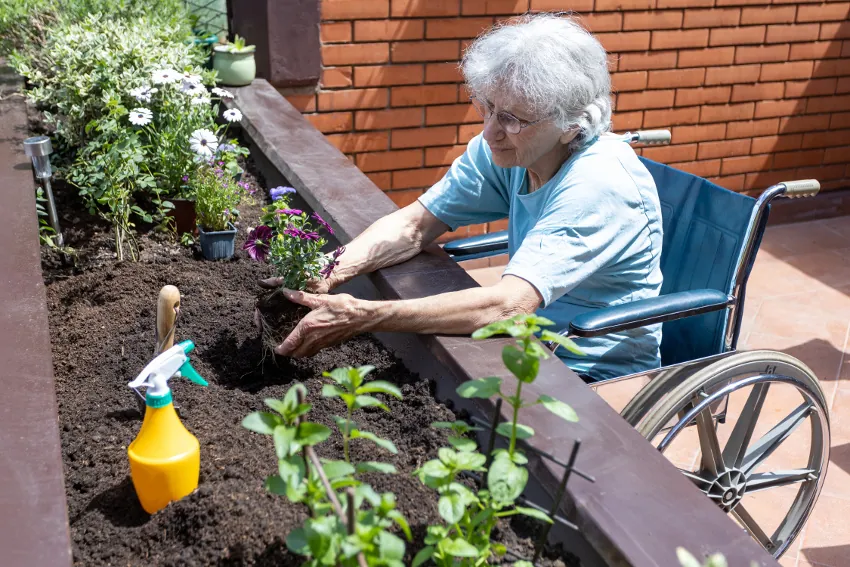
Raised beds solve a lot of problems, but they don’t fix everything. Sometimes a different approach works better for your specific situation.
If you live in an apartment with only a small balcony, a 4×8-foot wooden bed won’t fit. Use vertical tower planters or hanging pockets instead. These hang on the wall or railing. They keep the floor clear for your chair or walker. Leafy greens and strawberries grow perfectly in pockets.
If your main barrier is severe fatigue rather than mobility, even a small raised bed might demand too much energy. Switch to container gardening on rolling carts. Buy heavy-duty plant caddies with wheels. You can roll your tomatoes into the sun and back into the shade without lifting anything. When you feel tired, push the cart away and rest.
If you have very poor upper body strength, gripping any hand tool is painful. Look into hydroponic countertop systems. These use water pumps and lights automatically. You just drop seed pods into holes. There’s no digging, no heavy watering cans, and no soil to manage. The machine handles the heavy work.
If you share a garden space with others who use the ground normally, building isolated raised beds can separate you. Instead, ask about creating wide, firm paths through traditional in-ground rows. You can garden alongside everyone else using long-handled tools from the path, without needing a separate structure.
Frequently asked questions
How high should a raised garden bed be for a wheelchair?
A raised bed should be 24 to 30 inches high for a standard manual wheelchair. This assumes a seat height of about 19 inches and leaves room for footrests underneath. If you use a power chair that sits higher, measure from the ground to your lap while seated. Build the bed’s top edge one or two inches below that measurement so your arms rest comfortably on the rim.
Can I grow root vegetables in an accessible raised bed?
Yes, you can grow carrots, radishes, and potatoes in a raised bed. The bed needs to be at least 12 to 18 inches deep inside to give roots room to push downward. Shallow beds under 10 inches will cause root crops to hit the bottom and grow sideways or become stunted. Check your seed packet for the specific variety’s mature root length.
What is the minimum path width for a garden walker?
A garden path needs to be at least 36 inches wide for a standard walker. If you use a wheelchair and need to turn around completely, you need a flat circle of space 60 inches across. Loose gravel makes pushing a walker very hard. Use packed crushed stone, paving slabs, or poured concrete for a firm, smooth surface that doesn’t shift under your weight.
Is it safe to use treated wood for vegetable beds?
Modern pressure-treated wood sold in the US after 2003 uses copper-based preservatives instead of arsenic. However, organic gardening standards still recommend avoiding it for food crops. Untreated cedar, redwood, or composite plastic lumber are safer choices that won’t leach chemicals into your vegetables. If you must use treated wood, line the inside walls with heavy plastic sheeting to create a barrier between the wood and the soil.
How often do I need to water a raised garden bed?
Raised beds usually need watering every two to three days during hot summer weather. Because air flows around all four sides, the soil dries out faster than an in-ground garden. In cooler spring or fall weather, once a week is often enough. Always check by pushing your finger two inches into the soil. If it feels dry at your fingertip, it’s time to water.
Why do my plants in the raised bed turn yellow?
Yellow leaves usually indicate nitrogen deficiency or overwatering in raised beds. Blocked drainage holes cause water to pool and rot roots, so check them before applying balanced liquid fertilizer according to label directions to avoid root burn.
Conclusion
You’ll find joy in tending plants that fit your body’s needs. Start by visiting a local garden center to test tool weights and bed heights before buying. It’s okay to adjust as you go, because comfort matters more than perfection when you’re growing something beautiful.
{“@context”:”https://schema.org”,”@type”:”FAQPage”,”mainEntity”:[{“@type”:”Question”,”name”:”How high should a raised garden bed be for a wheelchair?”,”acceptedAnswer”:{“@type”:”Answer”,”text”:”A raised bed should be 24 to 30 inches high for a standard manual wheelchair. This assumes a seat height of about 19 inches and leaves room for footrests underneath. If you use a power chair that sits higher, measure from the ground to your lap while seated. Build the bed’s top edge one or two inches below that measurement so your arms rest comfortably on the rim.”}},{“@type”:”Question”,”name”:”Can I grow root vegetables in an accessible raised bed?”,”acceptedAnswer”:{“@type”:”Answer”,”text”:”Yes, you can grow carrots, radishes, and potatoes in a raised bed. The bed needs to be at least 12 to 18 inches deep inside to give roots room to push downward. Shallow beds under 10 inches will cause root crops to hit the bottom and grow sideways or become stunted. Check your seed packet for the specific variety’s mature root length.”}},{“@type”:”Question”,”name”:”What is the minimum path width for a garden walker?”,”acceptedAnswer”:{“@type”:”Answer”,”text”:”A garden path needs to be at least 36 inches wide for a standard walker. If you use a wheelchair and need to turn around completely, you need a flat circle of space 60 inches across. Loose gravel makes pushing a walker very hard. Use packed crushed stone, paving slabs, or poured concrete for a firm, smooth surface that doesn’t shift under your weight.”}},{“@type”:”Question”,”name”:”Is it safe to use treated wood for vegetable beds?”,”acceptedAnswer”:{“@type”:”Answer”,”text”:”Modern pressure-treated wood sold in the US after 2003 uses copper-based preservatives instead of arsenic. However, organic gardening standards still recommend avoiding it for food crops. Untreated cedar, redwood, or composite plastic lumber are safer choices that won’t leach chemicals into your vegetables. If you must use treated wood, line the inside walls with heavy plastic sheeting to create a barrier between the wood and the soil.”}},{“@type”:”Question”,”name”:”How often do I need to water a raised garden bed?”,”acceptedAnswer”:{“@type”:”Answer”,”text”:”Raised beds usually need watering every two to three days during hot summer weather. Because air flows around all four sides, the soil dries out faster than an in-ground garden. In cooler spring or fall weather, once a week is often enough. Always check by pushing your finger two inches into the soil. If it feels dry at your fingertip, it’s time to water.”}},{“@type”:”Question”,”name”:”Why do my plants in the raised bed turn yellow?”,”acceptedAnswer”:{“@type”:”Answer”,”text”:”Yellow leaves usually indicate nitrogen deficiency or overwatering in raised beds. Blocked drainage holes cause water to pool and rot roots, so check them before applying balanced liquid fertilizer according to label directions to avoid root burn.”}}]}