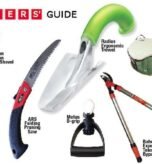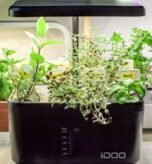




Gardening without kneeling relies on raising the work surface to waist height or using long-handled tools so your spine stays upright. You can achieve this with 30-inch raised beds, vertical planters, or ergonomic tools that let you tend plants while standing or sitting on a stool. The right setup keeps soil within arm’s reach and eliminates ground-level strain entirely.
Your best option depends on three things: the space you have, your budget for building or buying structures, and whether you’re starting new or adapting an existing garden. Each path uses different materials and timelines, but all share the same goal of bringing the garden up to you instead of forcing you down to it.
Who gardens without kneeling

Gardeners who can’t kneel typically fall into two groups with very different needs: those with chronic knee, hip, or back pain who require permanent raised structures or container systems to avoid ground contact, and older individuals or surgery recoverees who can manage light crouching with support and often benefit more from tool upgrades and partial bed raises than full reconstruction.
This page serves the first group best because every recommendation assumes zero tolerance for kneeling. If you can kneel briefly with pads and just want to reduce frequency, you’ll find simpler advice in general ergonomic gardening guides. The methods here assume you won’t touch the ground at all, so skip sections about kneeling pads or low benches.
The rest of this article assumes you have access to basic hand tools and can lift 20 pounds safely. If lifting is restricted, focus on lightweight containers and professional installation for heavier builds. Always check weight limits on commercial planters before filling them with wet soil.
What decides your setup: How to Garden Without Kneeling
Three factors determine which no-kneel method actually works for your situation, and getting them wrong wastes money or creates new problems. Space comes first because vertical gardens and tall beds need stable ground and clearance; if you only have a narrow balcony, freestanding tiered planters beat wide raised beds every time. Measure your usable area before choosing any structure, and subtract space needed for walking and wheelchair turning if applicable.
Budget separates temporary fixes from lasting solutions. Building four 30-inch cedar beds costs significantly more than buying fabric grow bags, but bags degrade in two to three seasons while timber lasts ten years or more. Decide upfront whether you’re solving this year’s problem or investing for decades, then match materials to that timeline. Cheap options aren’t wrong—they’re just shorter-term trades.
Physical capacity is the factor people misjudge most often. A 30-inch bed filled with wet soil weighs over 100 pounds per cubic foot; moving it later requires equipment or help. If you live alone or lack assistance, choose modular systems you can disassemble or lightweight containers on casters. Your current strength matters more than your ambition, and overbuilding leads to abandoned gardens. Check manufacturer load ratings on commercial planters before purchasing, especially for elevated designs.
Soil type also shifts the approach. Heavy clay drains poorly in shallow containers and demands deeper beds or amended mixes, while sandy soil dries fast in tall structures and needs moisture-retentive amendments. Test your native soil or read bag labels carefully—what works in one region fails in another. Local extension offices publish free soil guidance specific to your county.
Building your no-kneel garden
- Measure your available space and mark a 36-inch-wide access path between future beds or planters to ensure comfortable standing room.
- Choose your primary method based on the decision factors above: permanent raised beds for long-term use, containers for flexibility, or vertical systems for small spaces.
- Select soil mix appropriate for your chosen container depth; shallow planters under 12 inches require potting mix, not garden soil, to prevent compaction and poor drainage.
- Install irrigation before filling beds if possible, as retrofitting drip lines through established plants damages roots and wastes water.
- Fill containers in layers, tamping lightly every six inches to eliminate air pockets that cause uneven settling and root exposure.
- Plant according to mature size rather than seedling spacing, since overcrowded plants in confined spaces compete fiercely and decline faster.
- Add mulch immediately after planting to retain moisture and suppress weeds, using straw or shredded bark at two to three inches deep.
- Label each bed or container with crop name and planting date to track rotation schedules and avoid repeating disease-prone families in the same spot.
The judgment call that separates functional gardens from frustrating ones happens during step three. Matching soil volume to plant root depth prevents constant watering crises and nutrient deficiencies later. Tomatoes need eighteen inches minimum; lettuce thrives in eight. Guessing here means fighting physics all season.
If structural assembly exceeds your safe lifting capacity, hire a landscaper experienced in accessible garden design. Improperly secured elevated beds can collapse under wet soil weight, causing injury or property damage.
Choosing your growing method
Different situations demand different approaches, and picking the wrong one creates ongoing maintenance headaches or wasted investment. Match your current constraints to the row below that fits best, noting what each option truly costs beyond the initial price tag.
| Situation | Best method | Real cost | Watch for |
|---|---|---|---|
| Small balcony | Tiered vertical planter | Moderate upfront, low upkeep | Wind exposure dries soil fast |
| Rental property | Fabric grow bags | Low upfront, replace every 2-3 years | Staining decks, limited root depth |
| Permanent backyard | Cedar raised beds 30″ tall | High upfront, lasts 10+ years | Wood rot at base, soil settling |
| Wheelchair user | Keyhole or U-shaped beds | Custom build cost, high accessibility | Path width must exceed 36 inches |
| Limited strength | Lightweight resin containers | Moderate cost, easy to move | UV degradation cracks plastic over time |
| Herb kitchen garden | Wall-mounted pocket planters | Low cost, minimal space needed | Indoor humidity damage to walls |
| Large vegetable plot | Multiple modular steel beds | Scalable cost, durable frames | Assembly time, sharp edges during setup |
Each method assumes standard conditions; adjust expectations if yours differ. Wet climates accelerate wood decay, so metal or composite may outlast cedar despite higher cost. Hot regions bake resin containers, requiring shade cloth or lighter colors. Always verify product specifications against your local weather patterns before committing.
Details that prevent failure
Soil depth and drainage mistakes
Shallow containers fail because roots hit bottom and circle instead of spreading, starving plants despite regular feeding. Most vegetables need twelve to eighteen inches of loose medium; herbs manage with eight. Check seed packets or plant tags for minimum depth requirements before filling anything, and add gravel only if drainage holes exist—gravel without outlets traps water and rots roots.
Drainage holes get blocked by fine particles over time, especially in fabric bags and wooden boxes. Line container bottoms with landscape fabric before adding soil to keep passages open. Inspect outlets monthly during growing season; slow drainage signals compaction or blockage needing immediate attention. Ignoring this turns healthy plants yellow within days.
Tool selection and body mechanics
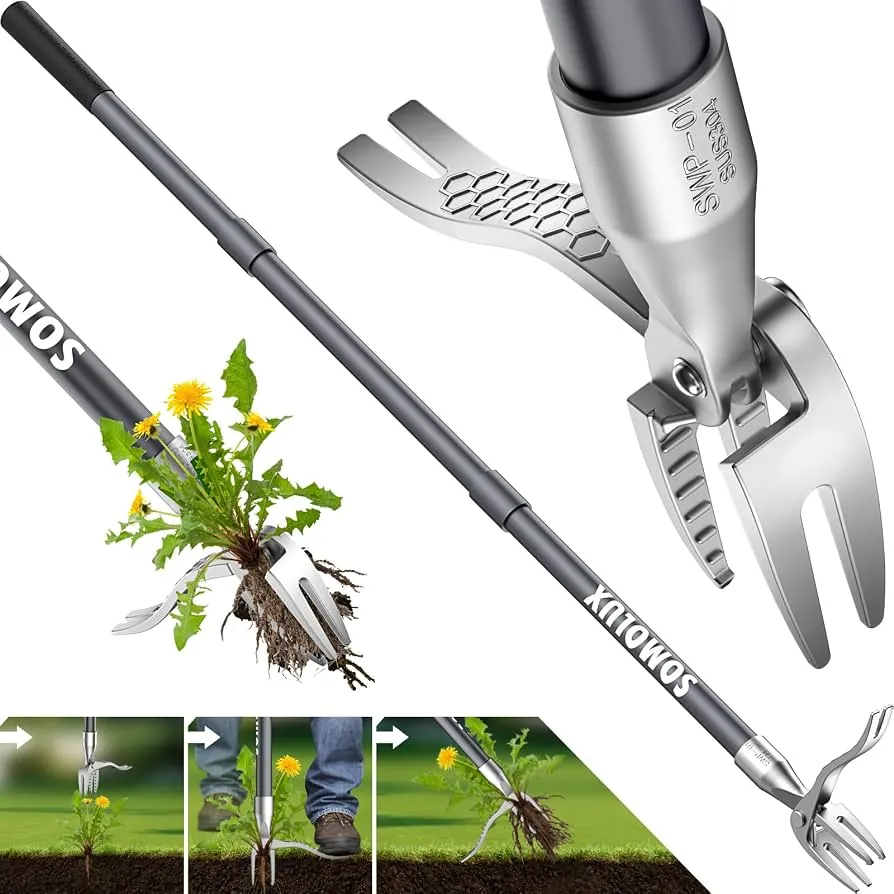
Long-handled tools reduce reaching but increase leverage strain if grips are too thick or heavy. Choose tools with padded, angled handles designed for standing users; straight shafts force wrist deviation that causes tendonitis over weeks. Test grip comfort in store before buying, holding the tool as you would while working overhead or at waist level.
Standing posture matters as much as equipment height. Keep shoulders relaxed and elbows close to your body when pruning or harvesting; extended arms tire quickly and invite back arching. Switch tasks every twenty minutes to vary muscle groups, even if you feel fine. Fatigue accumulates silently and shows up as soreness the next day, not during the activity itself.
Common problems and fixes
Even well-planned no-kneel gardens develop issues that mimic neglect but stem from design mismatches. Spotting these early prevents losing entire crops to fixable oversights.
| What you notice | What it usually means | What to do first | How to stop it happening again |
|---|---|---|---|
| Plants wilt daily despite watering | Container too shallow for roots | Repot into deeper vessel immediately | Match container depth to plant specs before planting |
| Yellow lower leaves on tomatoes | Nitrogen leaching from frequent watering | Apply balanced liquid fertilizer weekly | Use slow-release granules mixed into soil at planting |
| Mold on soil surface | Poor airflow or overwatering | Reduce watering frequency, add fan | Space plants wider, prune dense foliage monthly |
| Legs wobble on raised bed | Uneven ground or loose joints | Shim legs level, tighten hardware | Install on compacted gravel base, check bolts seasonally |
| Roots growing through fabric bag | Bag degrading or sitting on soil | Lift bag onto pavers or saucer | Replace bags every two seasons, never place directly on earth |
| Back pain after short sessions | Work surface still too low | Raise bed height or use taller stool | Measure elbow height standing, set work surface there |
| Weeds returning constantly | Mulch layer too thin or disturbed | Reapply three inches of fresh mulch | Avoid raking mulch deeply, replenish after heavy rain |
Some symptoms overlap with pest damage or disease. If corrections above don’t improve plant health within two weeks, consult your local cooperative extension service for diagnosis. Misidentifying abiotic stress as infection leads to unnecessary pesticide use and delayed real solutions.
Safety and accessibility standards
The ADA Standards specify a 34-inch maximum height for dining and work surfaces, but knee clearance requirements govern seated access to garden beds for wheelchair users. Reach range should stay within 24 inches from the edge to prevent dangerous leaning; wider beds require access from both sides or keyhole cutouts. These dimensions come from ADA Accessibility Guidelines published by the U.S. Access Board and apply to public gardens, but private builders ignore them at their own risk.
Weight limits matter structurally and medically. Wet soil weighs roughly one hundred pounds per cubic foot; a four-by-eight-foot bed at thirty inches holds over six thousand pounds when saturated. Ensure underlying surfaces support this load, especially on decks or balconies. Consult a structural engineer if installing on elevated platforms—deck joists rated for people may not handle concentrated soil loads.
Tool safety intersects with ergonomics. Long-handled pruners with locking blades prevent accidental closure during storage or drops. Never modify tool lengths yourself; altered leverage points create unpredictable failure modes. Manufacturers test original configurations for stress tolerances; homemade extensions void warranties and increase injury risk. If standard tools don’t fit your reach, seek adaptive equipment suppliers specializing in therapeutic gardening gear rather than improvising.
Real costs over time
Initial spending varies wildly depending on permanence and scale; fabric grow bags are inexpensive to start but costly over five years due to replacement needs, whereas cedar raised beds cost more upfront yet become cheaper annually when spread across fifteen years of use, with steel modular beds offering a durable middle ground without wood rot concerns.
Labor is the hidden expense most budgets miss; filling a thirty-inch bed requires moving several tons of soil, and hiring delivery and spreading adds significant cost depending on access difficulty, so DIY saves money but demands physical capacity many no-kneel gardeners lack, making it essential to assess safe handling limits before ordering bulk materials.
Ongoing costs include soil amendment, mulch renewal, and irrigation repairs; maintenance supplies are relatively inexpensive per hundred square feet annually, and premium potting mixes reduce fertilizer needs and watering frequency enough to offset their higher upfront cost within two seasons, though actual spending should be tracked for one full year since first-year investments distort true operating costs and prices fluctuate regionally and seasonally.
Maintaining your setup
Raised structures settle and degrade differently than ground-level gardens, requiring proactive checks. Inspect bed joints and leg connections each spring before filling; winter freeze-thaw cycles loosen fasteners and shift foundations. Tighten hardware and shim uneven legs immediately to prevent mid-season collapse. Wooden beds need sealing or staining every two to three years to resist moisture intrusion; untreated lumber rots from inside where damage hides until failure.
Soil in containers loses structure faster than in-ground beds due to frequent watering and root confinement. Top-dress with compost annually and fully replace medium every three to five years to maintain porosity and nutrient availability. Fabric bags benefit from complete soil changes every two seasons regardless of appearance; degraded fibers compromise drainage invisibly.
Irrigation systems clog and leak without seasonal maintenance. Flush drip lines before each growing season and inspect emitters monthly during active use. Winterize above-ground tubing by draining completely to prevent freeze cracking. Store removable components indoors to extend lifespan. Neglected irrigation fails catastrophically during heat waves when plants need it most, turning preventable losses into total crop failure.
When this approach fails
No-kneel gardening doesn’t solve every limitation, and pushing past safe boundaries risks injury or wasted resources. If you can’t safely lift twenty pounds repeatedly, building and maintaining raised beds alone becomes hazardous regardless of design quality. Hire professional installation or switch to lightweight container gardening with pre-mixed soil delivered to site. Attempting heavy lifts with compromised strength leads to falls or spinal injuries that end gardening permanently.
Properties with severe slope or unstable ground make elevated structures unsafe without engineering intervention. Retaining walls and terracing require permits and professional grading in many jurisdictions; DIY attempts risk collapse during heavy rain. Contact a landscape architect specializing in accessible design for sloped sites rather than adapting flat-ground plans. The cost of proper engineering is less than rebuilding after failure or treating injuries.
Tenants facing lease restrictions or imminent moves shouldn’t invest in permanent infrastructure. Landlords may demand removal and restoration costs exceeding initial savings. Negotiate written permission for modifications or stick to portable containers you can take with you. Assuming verbal approval protects you legally rarely ends well; get terms in writing before spending. Some municipalities also regulate structure heights near property lines—check zoning codes before building tall beds adjacent to neighbors.
Frequently asked questions
Can I convert existing ground beds to no-kneel?
Yes, but only if soil beneath supports added weight and drainage isn’t compromised. Build raised beds directly over existing soil without removing sod, but ensure new height reaches thirty inches minimum. Existing tree roots may heave new structures over time; avoid placing beds over major root zones. Expect transition period where old and new systems coexist during conversion.
How tall should raised beds be for standing work?
Thirty to thirty-six inches suits most standing adults, measured from ground to soil surface. Taller beds suit very tall users but increase soil volume and cost proportionally. Test comfort by simulating work height with a table before building; optimal height lets forearms rest parallel to ground while working. Personal anthropometrics matter more than universal standards.
Do fabric grow bags really last multiple seasons?
Typically two to three seasons with proper care, though UV exposure and freezing shorten lifespan. Store empty bags indoors during winter and avoid dragging them across rough surfaces. Dark-colored bags absorb heat that accelerates fiber breakdown; lighter colors last longer in sunny locations. Inspect seams and bottoms each spring before reuse; fraying indicates imminent failure.
Is it safe to garden standing all day?
Not without breaks and posture variation. Alternate between standing and seated tasks every thirty minutes, using a sturdy stool at appropriate height. Anti-fatigue mats reduce joint stress on hard surfaces. Listen to body signals; persistent discomfort means setup needs adjustment, not endurance training. Chronic standing without relief creates new problems while solving old ones.
What soil mix works best in raised beds?
Blend sixty percent topsoil, thirty percent compost, and ten percent coarse sand or perlite for drainage. Avoid pure garden soil, which compacts in confined spaces. Pre-mixed raised bed soil saves labor but costs more; verify ingredients exclude biosolids if growing edibles. Test pH annually since container soils acidify faster than ground soil. Adjust amendments based on test results, not assumptions.
How do I water tall beds without bending?
Install drip irrigation with timer before filling beds, running main lines along bed tops where connections stay accessible. Hose wands with angled heads reach center of wide beds without stretching. Watering cans become impractical above twenty-four inches; don’t rely on them for primary irrigation. Automated systems prevent missed waterings during mobility flare-ups or travel.
Does no-kneel gardening limit what I can grow?
Only crops requiring deep cultivation or sprawling vines unsuited to containment. Root vegetables like carrots need six to ten inches of depth minimum; indeterminate tomatoes require trellising integrated into bed design. Most annual vegetables, herbs, and flowers adapt well to raised systems. Perennial shrubs and trees generally exceed container limitations; reserve ground areas for these if desired.
Starting your no-kneel garden
Begin by measuring your space and testing one container at waist height before committing to full installation. Expect initial setup to take several weekends including soil delivery and assembly; rushing leads to shortcuts that fail mid-season. Stop and seek professional help if lifting causes pain, structures feel unstable, or soil drainage puzzles persist despite following guidelines—persistent problems signal site-specific issues generic advice can’t resolve.
{“@context”:”https://schema.org”,”@type”:”FAQPage”,”mainEntity”:[{“@type”:”Question”,”name”:”Can I convert existing ground beds to no-kneel?”,”acceptedAnswer”:{“@type”:”Answer”,”text”:”Yes, but only if soil beneath supports added weight and drainage isn’t compromised. Build raised beds directly over existing soil without removing sod, but ensure new height reaches thirty inches minimum. Existing tree roots may heave new structures over time; avoid placing beds over major root zones. Expect transition period where old and new systems coexist during conversion.”}},{“@type”:”Question”,”name”:”How tall should raised beds be for standing work?”,”acceptedAnswer”:{“@type”:”Answer”,”text”:”Thirty to thirty-six inches suits most standing adults, measured from ground to soil surface. Taller beds suit very tall users but increase soil volume and cost proportionally. Test comfort by simulating work height with a table before building; optimal height lets forearms rest parallel to ground while working. Personal anthropometrics matter more than universal standards.”}},{“@type”:”Question”,”name”:”Do fabric grow bags really last multiple seasons?”,”acceptedAnswer”:{“@type”:”Answer”,”text”:”Typically two to three seasons with proper care, though UV exposure and freezing shorten lifespan. Store empty bags indoors during winter and avoid dragging them across rough surfaces. Dark-colored bags absorb heat that accelerates fiber breakdown; lighter colors last longer in sunny locations. Inspect seams and bottoms each spring before reuse; fraying indicates imminent failure.”}},{“@type”:”Question”,”name”:”Is it safe to garden standing all day?”,”acceptedAnswer”:{“@type”:”Answer”,”text”:”Not without breaks and posture variation. Alternate between standing and seated tasks every thirty minutes, using a sturdy stool at appropriate height. Anti-fatigue mats reduce joint stress on hard surfaces. Listen to body signals; persistent discomfort means setup needs adjustment, not endurance training. Chronic standing without relief creates new problems while solving old ones.”}},{“@type”:”Question”,”name”:”What soil mix works best in raised beds?”,”acceptedAnswer”:{“@type”:”Answer”,”text”:”Blend sixty percent topsoil, thirty percent compost, and ten percent coarse sand or perlite for drainage. Avoid pure garden soil, which compacts in confined spaces. Pre-mixed raised bed soil saves labor but costs more; verify ingredients exclude biosolids if growing edibles. Test pH annually since container soils acidify faster than ground soil. Adjust amendments based on test results, not assumptions.”}},{“@type”:”Question”,”name”:”How do I water tall beds without bending?”,”acceptedAnswer”:{“@type”:”Answer”,”text”:”Install drip irrigation with timer before filling beds, running main lines along bed tops where connections stay accessible. Hose wands with angled heads reach center of wide beds without stretching. Watering cans become impractical above twenty-four inches; don’t rely on them for primary irrigation. Automated systems prevent missed waterings during mobility flare-ups or travel.”}},{“@type”:”Question”,”name”:”Does no-kneel gardening limit what I can grow?”,”acceptedAnswer”:{“@type”:”Answer”,”text”:”Only crops requiring deep cultivation or sprawling vines unsuited to containment . Root vegetables like carrots need six to ten inches of depth minimum; indeterminate tomatoes require trellising integrated into bed design. Most annual vegetables, herbs, and flowers adapt well to raised systems. Perennial shrubs and trees generally exceed container limitations; reserve ground areas for these if desired.”}}]}