



Growing tomatoes vertically means training the vines upward along a support structure rather than letting them sprawl across the ground, which saves space, improves airflow, and makes harvesting significantly easier. This method transforms a standard backyard or balcony into a highly productive growing area by utilizing overhead space instead of horizontal square footage. Whether you’re working with a small patio container or a large raised bed, directing tomato growth upward is the most efficient way to manage these vigorous plants.
Key Takeaways
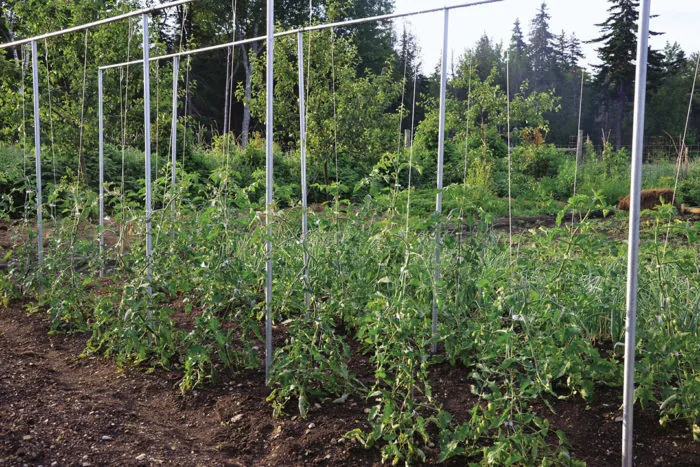
- Determinate varieties grow to a fixed height and need shorter cages, while indeterminate varieties grow continuously and require tall trellises or stakes.
- Use a single-stem pruning method for indeterminate tomatoes to direct all energy into fruit production rather than excess foliage.
- Install your vertical support system before planting the seedling to avoid damaging the root ball later in the season.
- Water consistently at the base of the plant using drip irrigation or soaker hoses to prevent soil-borne diseases from splashing onto leaves.
- Secure growing vines every six to eight inches using soft plant ties, twine, or Velcro garden tape to prevent stems from snapping under the weight of the fruit.
Why Grow Tomatoes Vertically?
Training tomatoes upward solves several common gardening problems simultaneously. Sprawling plants are highly susceptible to fungal infections because their lower leaves rest against damp soil, creating an ideal environment for pathogens like early blight and septoria leaf spot. Elevating the foliage keeps the leaves dry and allows wind to circulate freely through the canopy, drastically reducing disease pressure.
Beyond plant health, vertical gardening maximizes yield per square foot. A single indeterminate tomato plant trained up a seven-foot trellis can produce twenty pounds or more of fruit over a season, occupying only about two square feet of ground space.
This efficiency is crucial for urban gardeners, balcony growers, or anyone managing a small yard. Harvesting also becomes much simpler; ripe fruit hangs visibly at eye level or waist height, eliminating the need to dig through dense, tangled foliage to find hidden tomatoes.
Pest management improves as well. Slugs, snails, and ground-dwelling insects have a harder time reaching fruit that’s suspended several feet above the soil surface. By keeping the lowest branches pruned away from the dirt, you create a physical barrier that protects your crop. The overall aesthetic of a neatly trellised row of tomatoes is also far superior to a chaotic, sprawling patch, making your garden look organized and intentional throughout the summer months.
How to Vertical Garden Tomatoes
The core process of how to vertical garden tomatoes involves selecting the right structure, planting correctly, and maintaining consistent training as the vine grows. You must match your support system to the specific type of tomato you’re growing. A flimsy wire cone will collapse under the weight of a mature beefsteak plant, while a heavy-duty cattle panel is overkill for a compact patio variety.
Start by installing your chosen support structure firmly into the ground before you even dig the planting hole. Driving a stake or assembling a trellis after the plant is established risks severing the delicate root system. Once the structure is secure, plant your tomato seedling deeply, burying the stem up to the first set of true leaves. Tomatoes develop adventitious roots along buried stems, creating a massive root network that supports heavy vertical growth.
As the plant grows, gently weave or tie the main stem to the support every week. Don’t wait until the plant is falling over to start training it. Consistent, gentle guidance ensures the stem grows straight and strong. Remove any side shoots that emerge between the main stem and the leaf branches, a practice known as pruning suckers, to maintain a single, manageable vertical leader.
Choosing Your Support Structure
| Support Type | Best For | Height Range | Cost Estimate |
|---|---|---|---|
| Wooden Stakes | Single indeterminate plants | 6 to 8 feet | $2 to $5 each |
| Concrete Remesh Panels | Heavy producers, multiple plants | 5 to 7 feet | $15 to $30 per panel |
| String Trellis (Florida Weave) | Long rows, market gardens | 6 to 8 feet | $10 to $20 for twine/stakes |
| Spiral Metal Supports | Determinate or dwarf varieties | 4 to 5 feet | $5 to $15 each |
| Overhead Wire Systems | Greenhouses, permanent beds | 8 to 10 feet | $30 to $60 for hardware |
Selecting the correct material prevents mid-season failures. Untreated cedar stakes last several seasons without rotting, while galvanized concrete remesh panels purchased from home improvement stores like Home Depot or Lowe’s offer exceptional strength for a low price. Avoid smooth metal poles unless they have textured grips, as tomato vines slide down them easily.
Which Tomato Varieties Climb Best?
Not all tomatoes are created equal when it comes to vertical growth. Understanding the difference between determinate and indeterminate genetics is the most important step in choosing your seeds. Determinate tomatoes, often labeled as “bush” varieties, grow to a genetically predetermined height—usually three to four feet—set all their fruit at once, and then stop growing. They don’t climb well and are better suited for short cages or containers.
Indeterminate tomatoes, on the other hand, continue growing, flowering, and fruiting until killed by frost. These are the true climbing vines. Varieties like ‘Sweet 100’, ‘Sun Gold’, ‘Cherokee Purple’, and ‘Brandywine’ possess the vigorous vegetative growth required to scale a tall trellis. If your goal is a continuous harvest from a vertical setup, you must purchase indeterminate seeds or transplants.
Semi-determinate varieties exist as a middle ground, growing slightly taller than bush types but eventually stopping. They work well on medium-height spiral supports or five-foot stakes. Always read the seed packet or nursery tag carefully. Reputable seed companies like Johnny’s Selected Seeds or Burpee clearly label the growth habit on every packet, saving you from the frustration of trying to train a bush tomato up a ten-foot pole.
Top Indeterminate Varieties for Trellising
- ‘San Marzano’: A classic paste tomato with heavy yields, perfect for sauces, requiring sturdy support due to fruit weight.
- ‘Juliet’: A grape tomato variety known for extreme vigor and disease resistance, easily climbing eight feet or more.
- ‘Black Krim’: A flavorful heirloom beefsteak that produces large fruit, demanding thick twine or strong clips.
- ‘Super Sweet 100’: A cherry tomato that grows explosively fast, often needing daily tying during peak summer heat.
- ‘Early Girl’: A reliable hybrid that sets fruit quickly on long vines, ideal for shorter growing seasons.
What Are the Best Support Structures?
The best support structures combine durability, ease of installation, and appropriate height for your chosen variety. Cheap wire tomato cones sold at big-box stores are generally insufficient for anything beyond small determinate patio plants. For serious vertical gardening, you need materials that can withstand wind loads and the sheer weight of a fully loaded tomato vine, which can exceed thirty pounds by late August.
Concrete remesh panels are widely considered the gold standard for backyard growers. These heavy-gauge steel grids, typically measuring five feet tall by fifteen feet long, can be cut with bolt cutters and bent into arches or leaned against wooden posts to create a wall of vertical growing space. The large grid squares allow you to reach through easily for pruning and harvesting.
For those growing in rows, the Florida Weave method is highly effective. This involves driving heavy wooden or metal stakes at both ends of a row and every few plants in between, then weaving twine back and forth horizontally between the stakes as the plants grow. It sandwiches the tomato vines between layers of string, supporting them without the need to individually tie every single plant.
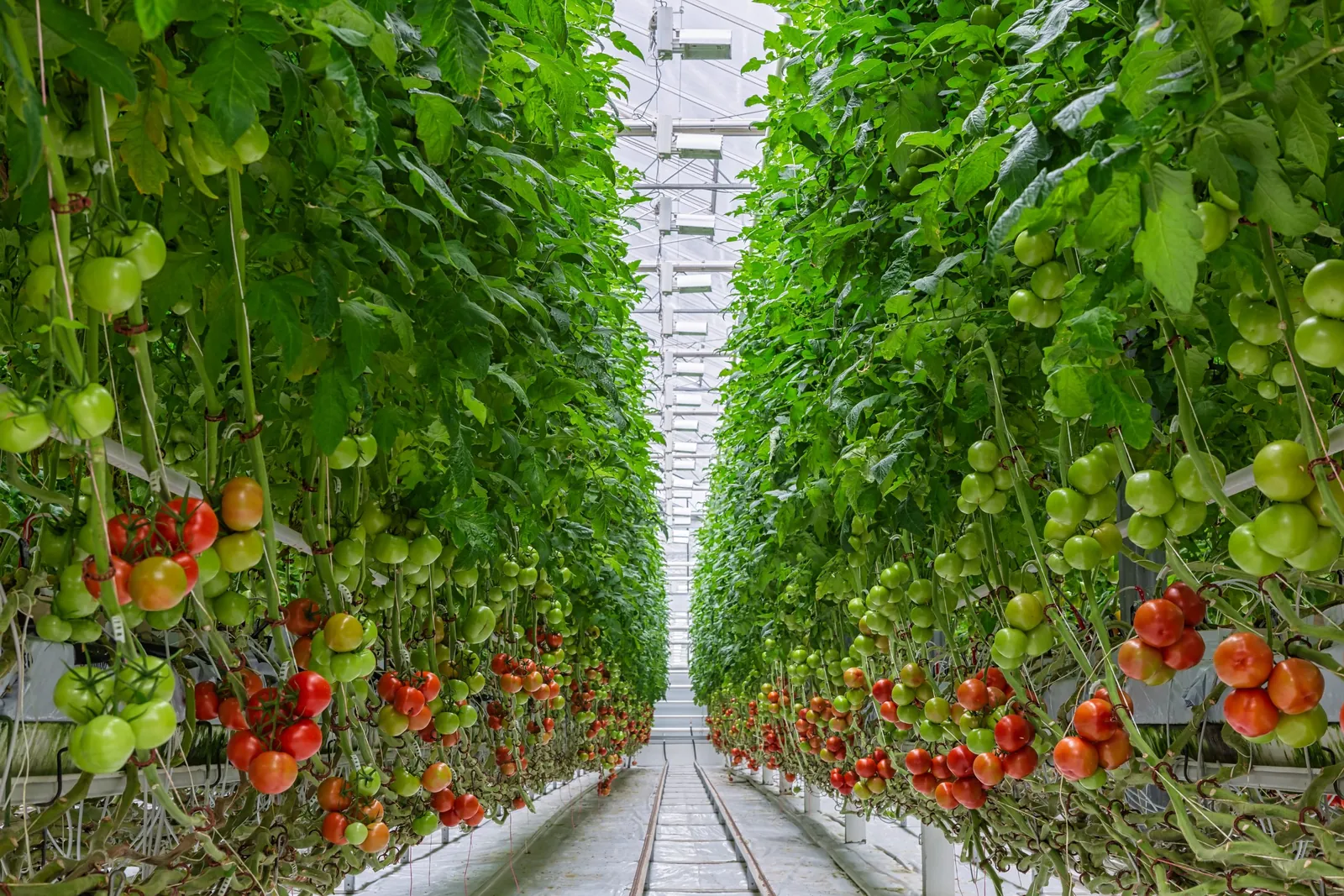
String trellising, often used in commercial greenhouses, involves dropping a length of twine from an overhead wire down to the base of the plant. The vine is twisted around the string as it grows. When the plant reaches the top wire, you can “lower and lean” the vine, dropping it down and shifting it sideways to give it more room to climb. This requires a robust overhead structure capable of bearing significant weight.
How Should You Prune Vertical Vines?
Pruning is non-negotiable for vertical tomato gardening. Without it, an indeterminate plant will produce dozens of lateral branches, turning into an unmanageable bush that defeats the purpose of your trellis. The primary technique used is called single-stem pruning, where you remove every “sucker”—the small shoot that emerges in the axil between the main stem and a leaf branch.
By removing these suckers weekly, you force the plant to channel all its energy into one main vertical leader. This single stem grows rapidly upward, producing flower clusters and fruit along its length. For extremely vigorous varieties or wider spacing, you might employ double-stem pruning, allowing the first sucker below the initial flower cluster to grow alongside the main stem, resulting in two vertical leaders per plant.
Always prune when the suckers are small, ideally less than three inches long. Snapping them off with your fingers when they’re tiny causes minimal stress to the plant and leaves a small wound that heals quickly. Waiting until suckers are large requires cutting tools, creates larger wounds vulnerable to disease, and wastes the energy the plant already invested in growing that unwanted branch.
Warning: Never prune tomato plants when the foliage is wet. Working with damp leaves spreads bacterial and fungal pathogens from plant to plant on your hands or shears. Wait for a dry, sunny morning so the pruning wounds can callous over rapidly in the sunlight.
Managing Lower Foliage
Once the plant is established and growing vertically, remove all leaves touching the ground and gradually strip the bottom twelve to eighteen inches of foliage as the plant climbs. These lower leaves receive little light, contribute minimally to photosynthesis, and act as a ladder for soil-borne diseases splashing up during rainstorms. Keeping the base clear improves airflow and directs the plant’s resources upward toward the fruiting zones.
Planting and Soil Preparation Steps
Vertical tomatoes demand excellent soil because they’re growing rapidly and producing heavily over a long season. Start by amending your planting area with generous amounts of finished compost. Tomatoes thrive in rich, loamy soil with a pH between 6.2 and 6.8. A soil test kit from a local extension office or garden center will tell you exactly what amendments are needed before planting day.
Dig a hole deep enough to bury two-thirds of the seedling. Strip the lower leaves off the stem before placing it in the ground. The buried portion of the stem will sprout new roots, anchoring the plant securely against the pulling forces of wind acting on a tall trellis. Mix a handful of organic granular fertilizer formulated for tomatoes, such as Espoma Tomato-tone, into the backfill soil to provide slow-release nutrients.
Water the newly planted seedling deeply immediately after setting it in the ground. Mulch the soil surface with two to three inches of straw, shredded leaves, or untreated wood chips. Mulch regulates soil temperature, retains moisture, and prevents weed competition. Ensure the mulch doesn’t touch the actual stem of the plant to avoid rot. Install your drip irrigation lines beneath the mulch layer for the most efficient watering setup.
How Often Should You Water and Feed?
Consistent moisture is the secret to preventing blossom end rot and cracked fruit. Vertical tomatoes dry out faster than sprawling ones because increased airflow wicks moisture away from the leaves. During peak summer heat, you may need to water every single day, especially if growing in containers. Aim to provide one to two inches of water per week, adjusting based on rainfall and temperature.
Always water at the base of the plant. Overhead watering wets the foliage and invites blight. Drip irrigation systems or soaker hoses connected to a simple battery-operated timer ensure your plants receive steady moisture without manual effort. According to Clemson University Extension guidelines, maintaining even soil moisture is critical for calcium uptake, which directly prevents physiological disorders like blossom end rot.
Feeding should occur regularly throughout the growing season. While the initial compost and starter fertilizer provide a foundation, heavy-fruiting vines deplete nutrients quickly. Apply a liquid organic fertilizer, such as fish emulsion or kelp meal, every two weeks once the first flowers appear. Switch to a fertilizer higher in phosphorus and potassium and lower in nitrogen during the fruiting stage; too much nitrogen promotes excessive leafy growth at the expense of tomato production.
| Growth Stage | Nutrient Focus | Application Method | Frequency |
|---|---|---|---|
| Seedling / Transplant | Nitrogen & Phosphorus | Granular mixed in soil | Once at planting |
| Vegetative Climbing | Balanced N-P-K | Liquid drench or foliar spray | Every 14 days |
| Flowering & Fruiting | Phosphorus & Potassium | Liquid drench or side-dress | Every 10 to 14 days |
| Late Season Ripening | Potassium | Liquid drench | Every 14 days |
Tying and Training Techniques
Securing the vine to the support must be done gently but firmly. Using rigid wire or tight zip ties will girdle the expanding stem, cutting off the flow of water and nutrients, eventually killing the top of the plant. Instead, use soft, flexible materials that stretch as the stem thickens.
Velcro garden tape, available at most nurseries, is reusable and adjustable. Soft cotton twine works well if tied in a figure-eight pattern: loop the twine around the support, cross it over itself, and then loop it loosely around the tomato stem. This prevents the stem from rubbing directly against the hard trellis material. Commercial tomato clips, which snap around the stem and hang on a support wire, are another excellent option for string trellises.
Train the plant at least once a week. As the growing tip extends, gently guide it along the path of your trellis or wrap it around your string. Don’t force the stem into unnatural bends; tomatoes have somewhat brittle stems that snap easily when mature. If you miss a week and the vine has flopped over, slowly bend it back into position over the course of a few days rather than yanking it upright all at once.
Pro Tip: When using the string drop method in a greenhouse or high tunnel, twist the vine clockwise around the string. Twisting in the same direction consistently prevents the vine from unwinding itself as it grows heavier.
Troubleshooting Common Vertical Problems
Even with perfect setup, vertical gardening introduces specific challenges. Wind damage is the most common issue. A seven-foot tomato plant acts like a sail. If your trellis isn’t anchored deeply—at least eighteen inches into the soil—a strong summer storm can topple the entire structure. Reinforce wooden stakes with diagonal bracing or anchor wire panels to solid fence posts.
Leggy growth occurs when plants don’t receive enough sunlight or are spaced too closely together on the trellis. Ensure your vertical setup is positioned in full sun, receiving a minimum of six to eight hours of direct light daily. Space indeterminate plants at least eighteen to twenty-four inches apart along the trellis line to prevent them from shading each other out.
Blossom drop happens when temperatures exceed ninety degrees Fahrenheit or drop below fifty-five degrees at night. While you can’t control the weather, maintaining consistent watering and avoiding excessive nitrogen fertilizer helps the plant cope with temperature stress. Shading the trellis with a temporary cloth during extreme heat waves can save a flush of flowers.
Pests like hornworms are actually easier to spot on a vertical, pruned plant than in a sprawling bush. Inspect the undersides of leaves weekly. Aphids tend to congregate on the tender new growth at the very top of the vine. A strong blast of water from a hose nozzle or an application of insecticidal soap usually resolves minor aphid infestations before they cause significant damage.
Frequently Asked Questions
Can you grow tomatoes vertically in pots?
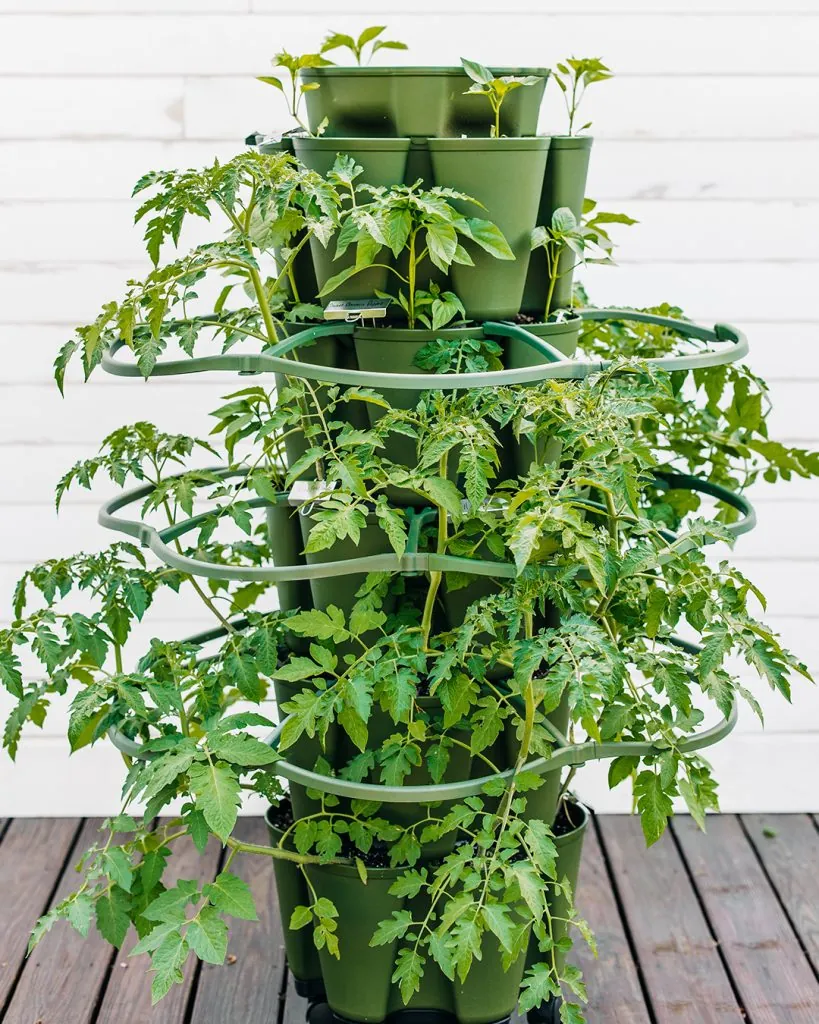
Yes, container gardening works perfectly for vertical tomatoes provided the pot is large enough. Use a minimum five-gallon container, though ten to fifteen gallons is vastly superior for indeterminate varieties. You must secure the trellis or stake independently of the pot, or use a heavy container that won’t blow over. Fabric grow bags from brands like Smart Pots offer excellent drainage and root aeration for potted vertical setups.
How tall should a tomato trellis be?
For most backyard indeterminate varieties, a trellis should be between six and eight feet tall. This accounts for roughly one foot buried underground for stability and five to seven feet of growing space above ground. If you plan to use the “lower and lean” technique, you can get away with a shorter six-foot structure, but taller is almost always better for maximizing yield.
Do cherry tomatoes need vertical support?
Absolutely. Cherry tomato varieties like ‘Sweet Million’ or ‘Sungold’ are incredibly vigorous indeterminate growers. Left unsupported, they form massive, tangled thickets that harbor disease and make harvesting tiny fruit nearly impossible. Because they produce hundreds of individual tomatoes, their vines become surprisingly heavy, requiring the same sturdy trellising as large beefsteak varieties.
What is the Florida Weave method?
The Florida Weave is a trellising technique where twine is woven horizontally between stakes driven into a row of tomato plants. As the plants grow taller, additional layers of twine are added higher up the stakes, sandwiching the vines between parallel strings. It eliminates the need to tie individual plants, saving massive amounts of labor in larger gardens or market farms.
Should I pinch off the top of the vine?
Pinching the top growing tip, known as “topping,” is recommended about four to six weeks before your region’s first expected fall frost. This stops the plant from producing new flowers that will never have time to ripen into mature fruit. By topping the vine, you redirect all remaining energy into swelling and ripening the existing green tomatoes currently hanging on the trellis.
How many tomato plants fit on one panel?
A standard sixteen-foot concrete remesh panel cut in half to form an eight-foot arch can comfortably support four to five indeterminate tomato plants. Space them roughly eighteen to twenty-four inches apart along the base of the panel. Crowding more plants onto a single panel reduces airflow, increases disease risk, and forces the vines to compete aggressively for root space and sunlight.
Conclusion
Now that you understand the mechanics of vertical growth, your immediate next step is to inventory your garden space and select a support structure that matches your soil depth and local wind conditions. Purchase your concrete remesh or cedar stakes this weekend, install them firmly in the ground before your spring planting date, and prepare for a significantly larger harvest.
{“@context”:”https://schema.org”,”@type”:”FAQPage”,”mainEntity”:[{“@type”:”Question”,”name”:”Can you grow tomatoes vertically in pots?”,”acceptedAnswer”:{“@type”:”Answer”,”text”:”Yes, container gardening works perfectly for vertical tomatoes provided the pot is large enough. Use a minimum five-gallon container, though ten to fifteen gallons is vastly superior for indeterminate varieties. You must secure the trellis or stake independently of the pot, or use a heavy container that won’t blow over. Fabric grow bags from brands like Smart Pots offer excellent drainage and root aeration for potted vertical setups.”}},{“@type”:”Question”,”name”:”How tall should a tomato trellis be?”,”acceptedAnswer”:{“@type”:”Answer”,”text”:”For most backyard indeterminate varieties, a trellis should be between six and eight feet tall. This accounts for roughly one foot buried underground for stability and five to seven feet of growing space above ground. If you plan to use the \”lower and lean\” technique, you can get away with a shorter six-foot structure, but taller is almost always better for maximizing yield.”}},{“@type”:”Question”,”name”:”Do cherry tomatoes need vertical support?”,”acceptedAnswer”:{“@type”:”Answer”,”text”:”Absolutely. Cherry tomato varieties like ‘Sweet Million’ or ‘Sungold’ are incredibly vigorous indeterminate growers. Left unsupported, they form massive, tangled thickets that harbor disease and make harvesting tiny fruit nearly impossible. Because they produce hundreds of individual tomatoes, their vines become surprisingly heavy, requiring the same sturdy trellising as large beefsteak varieties.”}},{“@type”:”Question”,”name”:”What is the Florida Weave method?”,”acceptedAnswer”:{“@type”:”Answer”,”text”:”The Florida Weave is a trellising technique where twine is woven horizontally between stakes driven into a row of tomato plants. As the plants grow taller, additional layers of twine are added higher up the stakes, sandwiching the vines between parallel strings. It eliminates the need to tie individual plants, saving massive amounts of labor in larger gardens or market farms.”}},{“@type”:”Question”,”name”:”Should I pinch off the top of the vine?”,”acceptedAnswer”:{“@type”:”Answer”,”text”:”Pinching the top growing tip, known as \”topping,\” is recommended about four to six weeks before your region’s first expected fall frost. This stops the plant from producing new flowers that will never have time to ripen into mature fruit. By topping the vine, you redirect all remaining energy into swelling and ripening the existing green tomatoes currently hanging on the trellis.”}},{“@type”:”Question”,”name”:”How many tomato plants fit on one panel?”,”acceptedAnswer”:{“@type”:”Answer”,”text”:”A standard sixteen-foot concrete remesh panel cut in half to form an eight-foot arch can comfortably support four to five indeterminate tomato plants. Space them roughly eighteen to twenty-four inches apart along the base of the panel. Crowding more plants onto a single panel reduces airflow, increases disease risk, and forces the vines to compete aggressively for root space and sunlight.”}}]}