



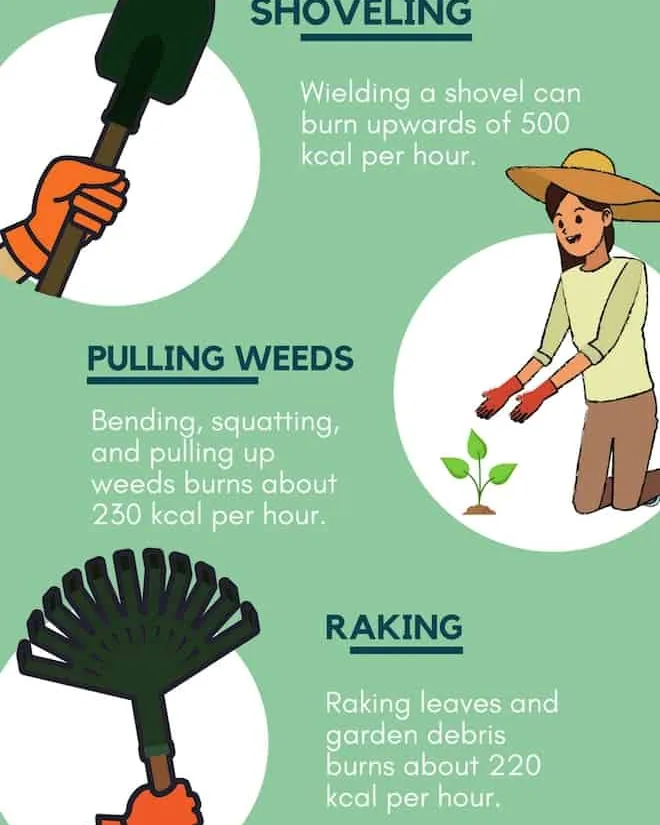
Yes, weeding counts as exercise because it burns 200 to 400 calories per hour for a 155-pound person. That’s moderate physical activity according to the CDC. The exact number moves with your weight, how fast you work, and whether you’re kneeling or squatting.
Your body size changes the burn rate. The soil type decides how hard you pull. Your posture shifts which muscles do the heavy lifting. These three things separate a light afternoon from a real workout.
Does Weeding Count as Exercise/workout?
Three different people search for this answer, and they don’t all need the same thing. The first is someone trying to log daily movement in a fitness app. They already know gardening takes effort but aren’t sure if their tracker accepts it. They need the category name and the calorie range to enter.
The second reader has joint pain or a heart condition. They’ve been told to stay active without high impact. They want to know if pulling weeds is safe enough to replace a walk. They need the intensity level and the warning signs that say stop.
The third is a competitive exerciser looking for cross-training. They run or lift weights and wonder if yard work adds anything useful. They need to hear what this activity actually builds versus what it doesn’t.
This page serves the first two readers best. It gives the numbers for logging and the safety limits for working around health conditions. The third reader should look at dedicated strength training guides instead. Weeding won’t build muscle like weighted squats will.
The rest of this page assumes you weigh between 130 and 180 pounds and work on flat ground. If you’re heavier, your burn rate climbs. If your garden sits on a steep slope, add about 30 percent more effort to every figure below. Check your own heart rate monitor for your exact number during a session.
What changes your calorie burn
Five things decide how much energy you actually spend pulling plants out of the dirt. The biggest one is your body weight, and it’s the one people get wrong most often when they copy a friend’s number. A 125-pound person burns roughly 170 calories per hour doing light hand weeding.
A 185-pound person doing the same task burns closer to 250 calories per hour. Heavier bodies move more mass through space, so they demand more fuel. You can check your own baseline by entering your exact weight into the CDC physical activity calculator under the gardening category.
Soil condition is the second factor. Dry, compacted clay forces you to pull harder and dig deeper than loose, wet potting mix. Sandy soil lets roots slide out easily, cutting your effort nearly in half. If you water the bed the night before, you’ll spend less energy per square foot.
Your posture matters more than speed. Kneeling directly on the ground keeps your center of gravity low and relies mostly on arm strength. Squatting engages your quadriceps and glutes continuously, raising the metabolic cost significantly. Standing and bending at the waist uses your lower back instead, which tires quickly without burning many extra calories.
Tool choice creates a trade-off. A long-handled hoe saves your knees and back but reduces the total calorie burn because your legs stay still. Hand-pulling builds grip strength and burns more overall energy, but it loads your finger joints heavily. If your hands ache after ten minutes, use the hoe; if you want maximum exertion, use your hands.
Pace sets the final boundary. Working slowly enough to talk in full sentences keeps you in moderate intensity. Gasping between words means you’ve crossed into vigorous territory. You can measure this yourself: count your pulse for fifteen seconds and multiply by four. Moderate effort lands between 64 and 76 percent of your maximum heart rate. Subtract your age from 220 to find that maximum.
How to weed for a real workout
Turning garden maintenance into structured physical activity requires planning your movements, not just attacking random patches. Follow these steps to keep your body working safely while clearing your beds.
- Water the soil deeply the evening before you plan to work. Moist earth releases roots with about half the pulling force of dry dirt, protecting your shoulder joints while keeping your legs engaged.
- Put on thick knee pads or lay down a foam kneeling mat before you start. This removes the sharp pain that makes people twist awkwardly and injure their lower backs.
- Warm up by walking briskly around the garden perimeter for five minutes. Swing your arms gently forward and backward to loosen your shoulder sockets before gripping any tools.
- Start at one corner of the bed and work backward in a straight line. Moving systematically prevents you from standing up and kneeling down repeatedly in the same spot, which exhausts your thighs too fast.
- Grip the weed at its base, right where it meets the soil surface. Pulling from the leaves tears them off and forces you to dig again, wasting energy without clearing the root.
- Engage your core muscles and push through your heels as you lean back to extract stubborn roots. This turns a simple arm tug into a full-body movement that works your abdominals and glutes together.
- Switch your kneeling position every ten minutes. Move from both knees down to one knee up, alternating which leg stays planted. This balances the load across your hip flexors.
- Stand up fully and stretch your spine backward for ten seconds every twenty minutes. Bending forward constantly compresses your spinal discs, and reversing that curve prevents stiffness later.
- Stop immediately if you feel sharp pain in your wrists, lower back, or knees. Dull muscle fatigue means the workout is happening; sudden sharp signals mean tissue damage is starting.
- Drink eight ounces of water for every thirty minutes you spend working outside. Sweating in the sun dehydrates you faster than indoor gym sessions do.
The single judgment call that separates a productive session from a harmful one is knowing when to switch tools. If a root won’t release after two firm pulls, stop using your bare hands. Grab a trowel or a dandelion fork instead.
Forcing a stuck root with your fingers strains the small tendons in your wrist, an injury that takes weeks to heal. If you experience numbness or tingling in your hands during the work, stop entirely and consult a doctor or physical therapist. Pushing past nerve compression risks permanent damage that no amount of garden progress justifies.
Situations that change the effort
Different garden setups demand completely different amounts of physical work. The table below matches common scenarios to the right approach, the real cost in time or energy, and the warning sign to watch for.
| Garden situation | Best approach | Effort required | Warning sign |
|---|---|---|---|
| Raised beds at waist height | Standing with short hoe | Low leg work, moderate arms | Lower back tightness |
| Flat ground flower beds | Kneeling with hand pulling | High leg and core work | Knee swelling afterward |
| Large vegetable rows | Long-handled cultivator | Moderate full-body walking | Blisters on palms |
| Steep hillside planting | Terraced stepping, squatting | Very high cardiovascular load | Dizziness or breathlessness |
| Containers on a patio | Sitting on a stool | Minimal calorie burn | Stiff neck from looking down |
| Overgrown neglected lot | Heavy digging fork first | Maximum exertion level | Sharp shoulder pain |
Match your method to the terrain you actually have. Using a raised-bed technique on flat ground skips the leg work that drives the calorie burn. Conversely, dragging heavy tools up a steep slope spikes your heart rate dangerously fast. Read the terrain before you choose your tool.
Details that make weeding safer
Protecting your joints while pulling
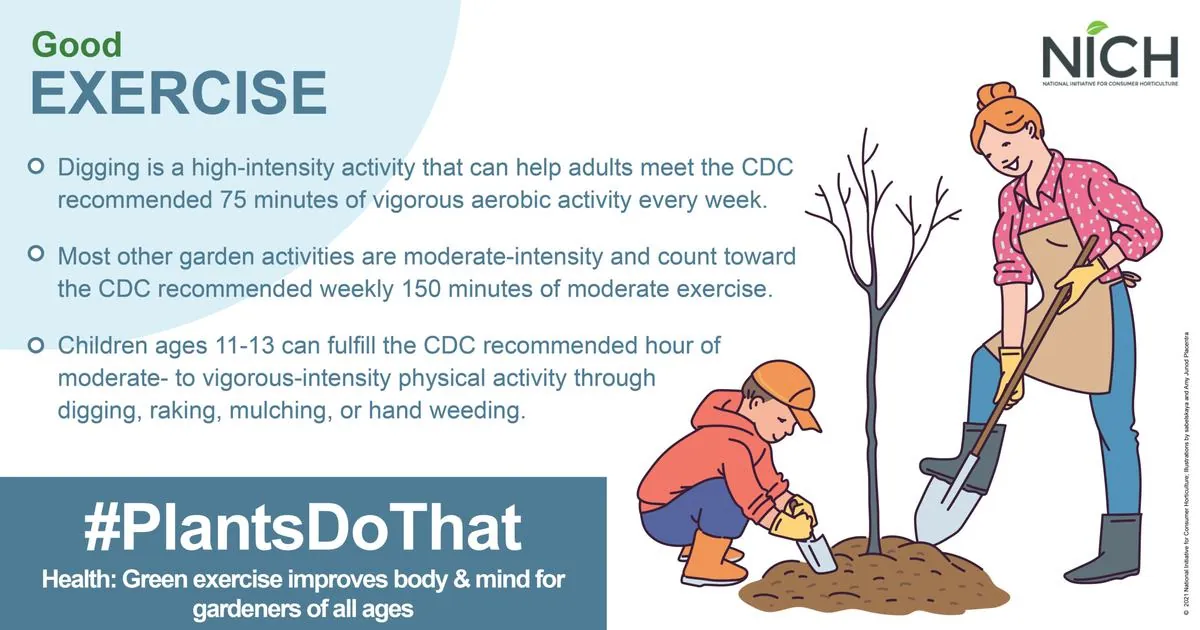
Bending from the hips instead of the knees puts all the strain on your lumbar spine. Drop your hips toward your heels whenever you reach forward. This keeps your back relatively flat and forces your large thigh muscles to support your upper body weight.
Wearing gloves with rubberized grips stops you from squeezing harder than necessary. Bare hands slip on wet stems, causing you to over-grip until your forearms cramp. A proper glove lets you hold firmly with relaxed fingers.
Never twist your torso while holding a heavy clump of roots. Turn your whole body by moving your feet first. Twisting under load shears the cartilage between your vertebrae. If you can’t move your feet easily, drop the weeds before turning around.
Pacing yourself through the bed
Working in twenty-minute blocks with five-minute standing rests prevents cumulative fatigue. Your form breaks down silently when you’re tired, and bad form is what causes injuries. Set a timer on your phone so you don’t guess.
Keep your pile of pulled weeds close to your current position. Reaching far away to toss them stretches your shoulder joint under tension. Drag a bucket beside you and empty it only when you stand up for your scheduled break.
Alternate between aggressive deep-root pulling and light surface scratching. Doing only the hardest task exhausts your grip within thirty minutes. Mixing intensities lets your forearm muscles recover slightly while your legs keep working.
When weeding goes wrong
Garden work causes specific injuries when form slips or effort exceeds conditioning. Match the symptom you feel to the likely cause and the immediate fix below.
| What you notice | What it usually means | What to do first | How to stop it happening again |
|---|---|---|---|
| Numb fingers during work | Compressed wrist nerves | Drop tools, shake hands out | Wear padded gloves, relax grip |
| Sharp lower back pain | Spinal disc pressure | Lie flat on back immediately | Hinge at hips, not waist |
| Swollen knees next day | Patellar tendon irritation | Ice for fifteen minutes twice | Use thick foam kneeling pads |
| Forearm cramps mid-session | Muscle dehydration or overuse | Drink water, massage gently | Alternate tasks every ten minutes |
| Shoulder clicking overhead | Rotator cuff impingement | Stop reaching above head | Keep elbows below shoulder height |
| Blisters on palm base | Friction from wooden handles | Wash area, apply adhesive bandage | Wrap handles in athletic tape |
| Dizziness upon standing up | Blood pressure drop from squatting | Sit down, elevate legs slightly | Rise slowly, breathe steadily throughout |
If pain persists for more than forty-eight hours after resting, see a physical therapist rather than returning to the garden. Joint inflammation needs professional assessment, not just ice.
Limits set by health guidelines
The US Centers for Disease Control and Prevention classifies general gardening as moderate-intensity aerobic activity. To meet their weekly recommendation for adults, you need 150 minutes of moderate effort spread across several days. Two and a half hours of steady weeding fulfills that requirement exactly, provided your heart rate stays elevated throughout the session.
However, the American Heart Association warns that sudden bursts of heavy lifting—like yanking massive taproots—can spike blood pressure temporarily. If you take medication for hypertension, avoid holding your breath while pulling. Exhale continuously during the hardest part of the effort.
Local municipal rules may also limit when you can work outside. Some neighborhoods restrict noisy power-tool use to daytime hours, though hand weeding rarely violates noise ordinances. Check your homeowner association guidelines if you share property lines closely.
If you have a diagnosed heart condition, severe arthritis, or recent surgery, don’t use yard work as your primary exercise without medical clearance. The uneven ground and unpredictable resistance of roots create fall risks and sudden joint loads that controlled gym environments don’t. Ask your doctor specifically about kneeling and repetitive gripping before treating the garden as your workout space.
What your body actually spends
The currency here is physical energy, measured in calories, plus the wear on your joints. For a 155-pound person, one hour of continuous hand weeding burns between 250 and 350 calories. That assumes flat ground and moderately moist soil. If you weigh 185 pounds, expect to burn closer to 400 calories in that same hour. Lighter individuals burn proportionally less.
Time is the second cost. You can’t rush root extraction without leaving pieces behind that regrow. Expect to clear roughly 20 to 30 square feet per hour by hand in a moderately weedy bed. Using a long-handled tool doubles your coverage speed but cuts the calorie burn by about a third because your legs stop stabilizing your body.
Equipment costs money upfront but saves your body later. A pair of dense foam knee pads is inexpensive relative to the alternative. Quality leather gloves are inexpensive relative to the alternative. Skipping these to save money trades cash for cartilage damage in your knees or skin tears on your hands.
The hidden expense is recovery time. An intense two-hour session might leave your hamstrings and forearms too sore for your regular gym routine the next day. If you follow a strict weightlifting program, schedule heavy weeding on your designated rest days. Don’t layer it on top of leg day unless you’re prepared for reduced performance in both activities.
Keeping your body ready for next time
Gardening fitness fades if you only work outside once a month. Your muscles adapt to the specific pulling and squatting motions, but they lose that adaptation quickly without repetition. Aim for shorter sessions twice a week rather than one exhausting marathon every spring.
Record how long you worked and which areas felt tight afterward. A simple note on your phone tells you whether your lower back needs more stretching or your grip needs strengthening before the next session. Without tracking, you’ll repeat the same overload that caused soreness last time.
Store your tools properly so they don’t add unnecessary friction to your next workout. Rusty blades require more force to cut through soil. Wipe metal parts dry and oil wooden handles once a season. A dull hoe forces you to swing harder, transferring shock directly into your elbow joints.
The sign that your body needs attention before returning to the beds is lingering stiffness that doesn’t resolve after a warm shower. Normal muscle fatigue feels heavy but loose. Joint stiffness that restricts your range of motion means inflammation is present. Address that with gentle mobility exercises or rest before gripping another weed.
When the garden isn’t your gym
Weeding fails as exercise if your goal is building significant muscle mass or improving cardiovascular endurance for running. The resistance is too inconsistent and the intensity too low to trigger hypertrophy. If you want bigger muscles, lift progressive weights indoors.
It’s also the wrong choice if you have acute knee osteoarthritis or uncontrolled balance issues. The uneven terrain and constant transitions between kneeling and standing create fall hazards that a stationary bike eliminates entirely. Choose seated cardio equipment if your joints can’t handle shifting body weight unpredictably.
Finally, don’t rely on yard work if you need precise heart rate zone training. Wind, temperature, and variable root resistance make your pulse jump erratically. A treadmill or rowing machine offers the steady state required for targeted aerobic conditioning. If your doctor prescribed specific heart rate zones for cardiac rehabilitation, follow them on controlled machines, not in the dirt.
Frequently asked questions
Can I log weeding in my fitness tracker?
Yes, select “gardening” or “yard work” under the activity menu on most devices. Trackers estimate calories based on your profile weight and the accelerometer data from your arm movements. It won’t be perfectly accurate, but it registers the sustained moderate effort correctly.
Why does my back hurt after pulling weeds?
Pain usually comes from rounding your spine instead of hinging at your hips. When your lower back curves outward under load, the spinal discs bear pressure they aren’t designed for. Keep your chest up and bend your knees to shift the work to your thighs.
How long should I weed to equal a gym workout?
You’d need about 60 to 90 minutes of continuous hand weeding to match the calorie burn of a 45-minute moderate gym session for a 155-pound person. However, it won’t replicate the muscle-building stimulus of lifting weights. Treat it as cardio replacement, not strength training.
Is it safe to weed while pregnant?
Ask your obstetrician first, especially in the second and third trimesters. The risk isn’t the calorie burn; it’s losing balance while kneeling or standing up, and the strain of heavy pulling on your abdominal wall. Light surface weeding from a seated stool is generally safer than ground-level work.
What happens if I weed every single day?
Daily sessions without rest days lead to repetitive strain injuries in your wrists, elbows, or knees. Tendons recover slower than muscles do. Limit intense hand-pulling to three or four days per week, and alternate with lighter tasks like watering or raking on the other days.
Does using a long-handled tool ruin the workout?
It reduces the total calorie burn by roughly 30 percent because your legs stay static. But it protects your knees and lower back entirely. If joint preservation matters more than maximum energy expenditure, the long handle is the smarter choice.
How many calories does 30 minutes of weeding burn?
A 155-pound person burns approximately 125 to 175 calories in 30 minutes of active hand weeding on flat ground. A 185-pound person burns closer to 150 to 200 calories in that same window. Dry, hard soil pushes you toward the higher end of those ranges.
Do I need special shoes for garden exercise?
Wear closed-toe shoes with stiff soles and good tread. Soft sandals offer no support when you push off your toes to stand up from a squat, and they expose your feet to sharp tools or thorny roots. Running shoes work well if the ground is dry.
Your first session in the dirt
Start by spending exactly twenty minutes hand-weeding a small, defined patch tomorrow morning. You’ll feel your forearms, thighs, and core working steadily, and your breathing will deepen without leaving you gasping. That physical feedback confirms the effort counts toward your weekly activity goals. If you feel sharp joint pain or sudden dizziness before the timer goes off, stop immediately and consult a healthcare provider before trying again.
{“@context”:”https://schema.org”,”@type”:”FAQPage”,”mainEntity”:[{“@type”:”Question”,”name”:”Can I log weeding in my fitness tracker?”,”acceptedAnswer”:{“@type”:”Answer”,”text”:”Yes, select \”gardening\” or \”yard work\” under the activity menu on most devices. Trackers estimate calories based on your profile weight and the accelerometer data from your arm movements. It won’t be perfectly accurate, but it registers the sustained moderate effort correctly.”}},{“@type”:”Question”,”name”:”Why does my back hurt after pulling weeds?”,”acceptedAnswer”:{“@type”:”Answer”,”text”:”Pain usually comes from rounding your spine instead of hinging at your hips. When your lower back curves outward under load, the spinal discs bear pressure they aren’t designed for. Keep your chest up and bend your knees to shift the work to your thighs.”}},{“@type”:”Question”,”name”:”How long should I weed to equal a gym workout?”,”acceptedAnswer”:{“@type”:”Answer”,”text”:”You’d need about 60 to 90 minutes of continuous hand weeding to match the calorie burn of a 45-minute moderate gym session for a 155-pound person. However, it won’t replicate the muscle-building stimulus of lifting weights. Treat it as cardio replacement, not strength training.”}},{“@type”:”Question”,”name”:”Is it safe to weed while pregnant?”,”acceptedAnswer”:{“@type”:”Answer”,”text”:”Ask your obstetrician first, especially in the second and third trimesters. The risk isn’t the calorie burn; it’s losing balance while kneeling or standing up, and the strain of heavy pulling on your abdominal wall. Light surface weeding from a seated stool is generally safer than ground-level work.”}},{“@type”:”Question”,”name”:”What happens if I weed every single day?”,”acceptedAnswer”:{“@type”:”Answer”,”text”:”Daily sessions without rest days lead to repetitive strain injuries in your wrists, elbows, or knees. Tendons recover slower than muscles do. Limit intense hand-pulling to three or four days per week, and alternate with lighter tasks like watering or raking on the other days.”}},{“@type”:”Question”,”name”:”Does using a long-handled tool ruin the workout?”,”acceptedAnswer”:{“@type”:”Answer”,”text”:”It reduces the total calorie burn by roughly 30 percent because your legs stay static. But it protects your knees and lower back entirely. If joint preservation matters more than maximum energy expenditure, the long handle is the smarter choice.”}},{“@type”:”Question”,”name”:”How many calories does 30 minutes of weeding burn?”,”acceptedAnswer”:{“@type”:”Answer”,”text”:”A 155-pound person burns approximately 125 to 175 calories in 30 minutes of active hand weeding on flat ground. A 185-pound person burns closer to 150 to 200 calories in that same window. Dry, hard soil pushes you toward the higher end of those ranges.”}},{“@type”:”Question”,”name”:”Do I need special shoes for garden exercise?”,”acceptedAnswer”:{“@type”:”Answer”,”text”:”Wear closed-toe shoes with stiff soles and good tread. Soft sandals offer no support when you push off your toes to stand up from a squat, and they expose your feet to sharp tools or thorny roots. Running shoes work well if the ground is dry.”}}]}