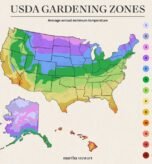



Understanding the usda gardening zones is crucial for any gardener, whether you’re a seasoned pro or just starting out. These zones provide a standardized way to determine which plants are most likely to thrive in your specific climate. By familiarizing yourself with the zone map, you can make informed decisions about what to grow and when, ensuring a successful and bountiful garden.
Key Takeaways
- USDA Gardening Zones are based on average annual minimum temperatures.
- Knowing your zone helps in selecting plants that will thrive in your climate.
- The zone map is divided into 13 main zones, each with a 10°F range.
- Consider microclimates within your area for more precise planting.
- Use the USDA Plant Hardiness Zone Map to find your specific zone.
What Are USDA Gardening Zones?
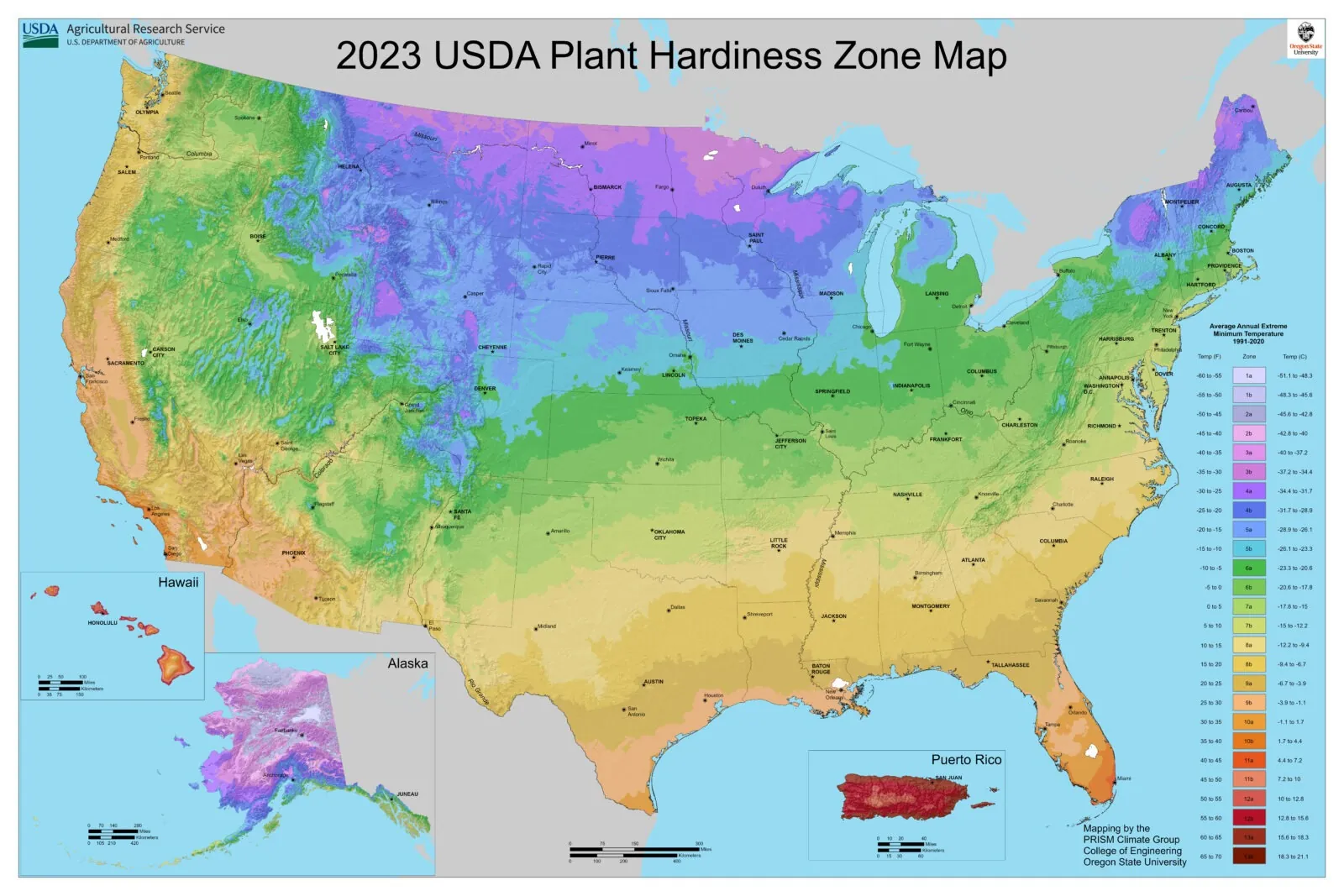
USDA Gardening Zones, also known as the USDA Plant Hardiness Zone Map, are a set of geographic guidelines used to determine which plants are most likely to thrive in a given location. The map is based on the average annual minimum winter temperature, divided into 13 zones, each with a 10°F difference. For example, Zone 5 has an average minimum temperature of -20°F to -10°F, while Zone 8 ranges from 10°F to 20°F.
How Are the Zones Determined?
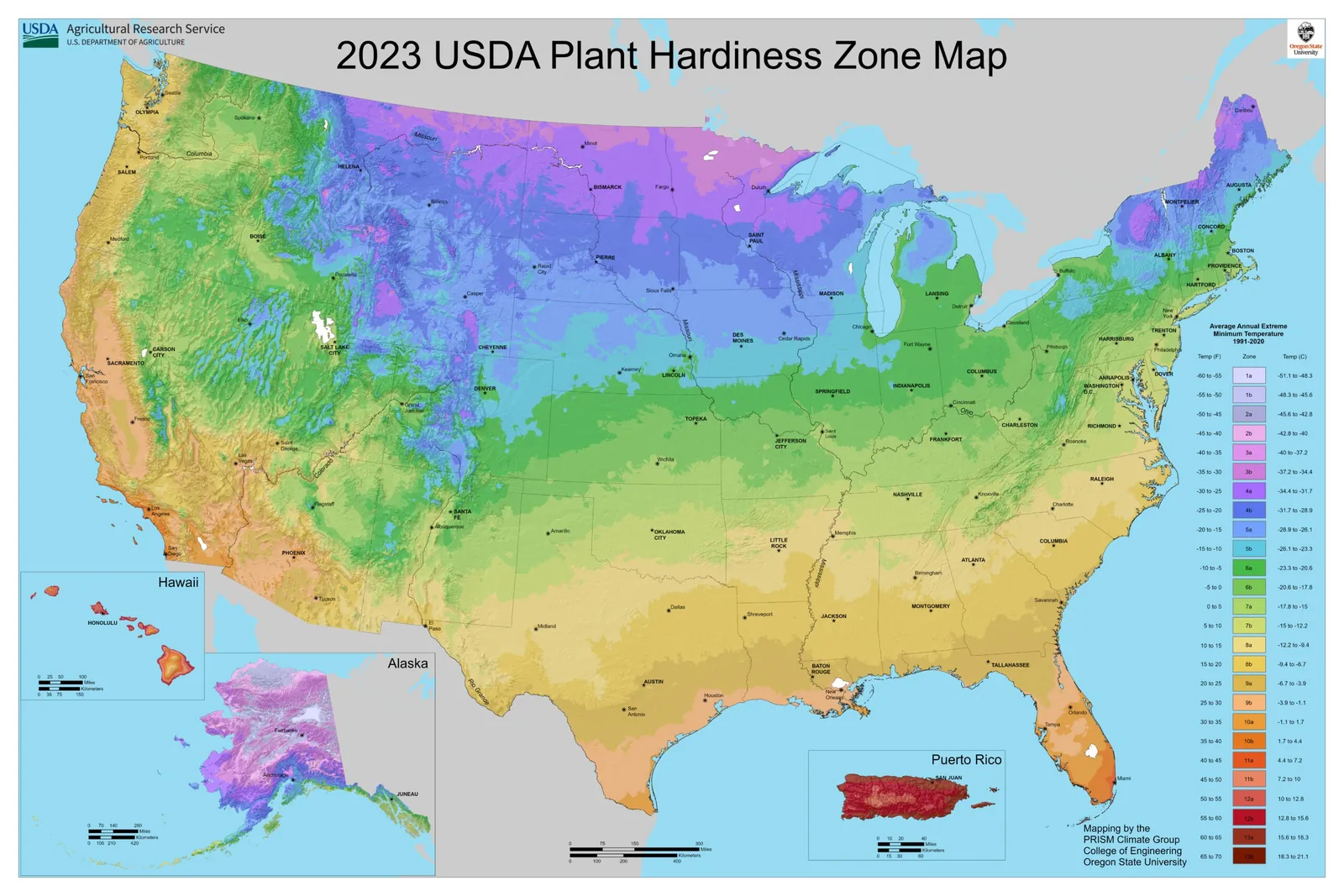
The USDA uses historical temperature data to create the zone map. Each zone represents a 10°F range of average annual minimum temperatures. This information is updated periodically to reflect changes in climate patterns. The most recent update was in 2012, and it includes more detailed and accurate data than previous versions.
Why Are USDA Gardening Zones Important?
Knowing your USDA Gardening Zone is essential for several reasons:
- Plant Selection: It helps you choose plants that are well-suited to your local climate, increasing their chances of survival and success.
- Timing: Understanding your zone helps you plan when to start seeds, plant bulbs, and perform other gardening tasks.
- Resource Management: By selecting appropriate plants, you can reduce the need for water, fertilizers, and pesticides, making your garden more sustainable.
Pro Tip:
Always check the plant tags or seed packets for the recommended USDA Gardening Zone. This ensures you’re choosing the right plants for your specific climate.
How to Find Your USDA Gardening Zone
Finding your USDA Gardening Zone is straightforward. You can use the interactive USDA Plant Hardiness Zone Map available on the USDA website. Simply enter your ZIP code or use the map to pinpoint your location. The map will then display your zone, along with any sub-zones if applicable.
Steps to Find Your Zone
| Step | Action |
|---|---|
| 1 | Go to the USDA Plant Hardiness Zone Map |
| 2 | Enter your ZIP code or use the map to locate your area |
| 3 | Identify your zone and any sub-zones |
Understanding Microclimates
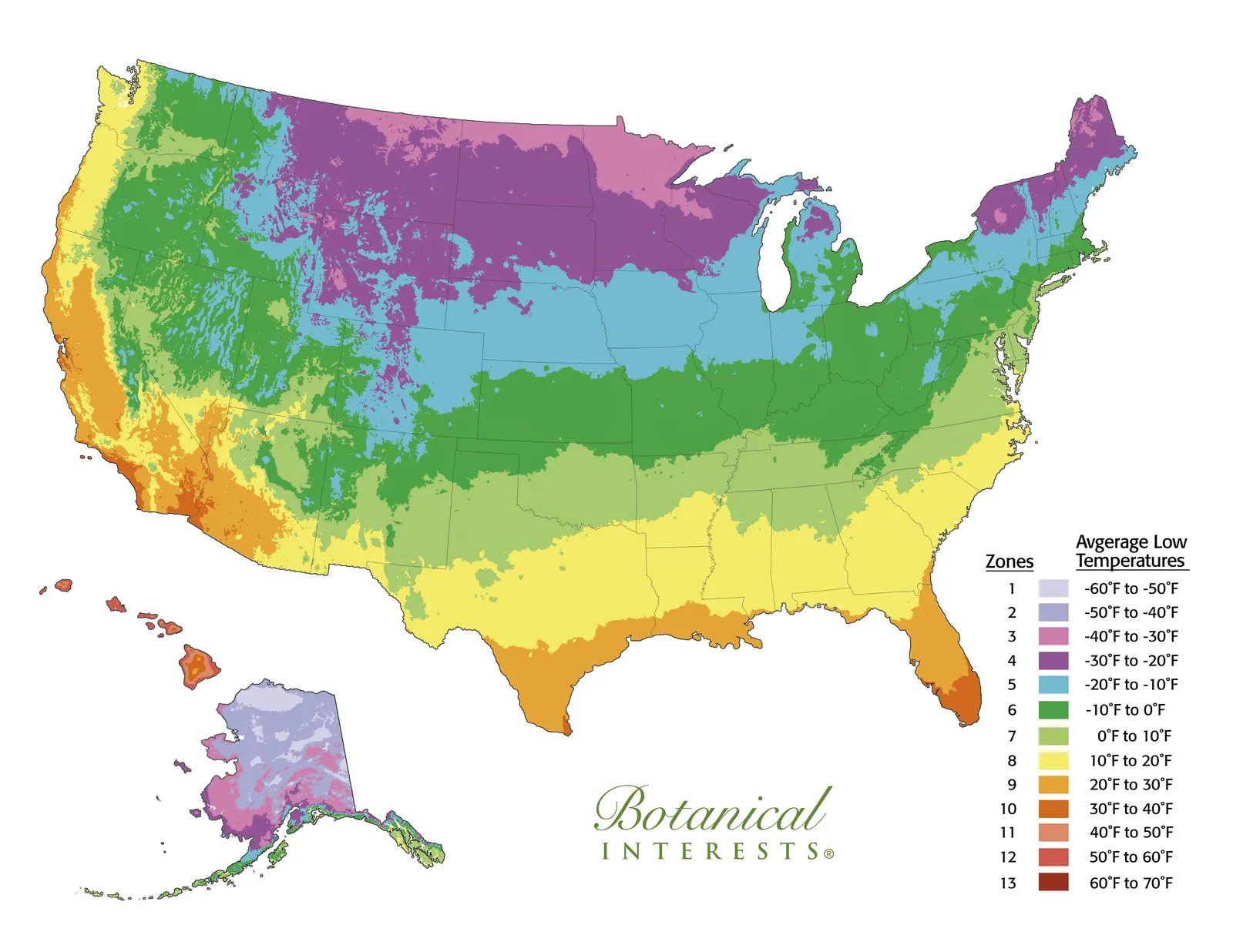
While the USDA Gardening Zones provide a broad overview, it’s important to consider microclimates within your area. Microclimates are small areas with unique conditions that differ from the surrounding region. Factors such as elevation, proximity to bodies of water, and urban heat islands can all influence the local climate.
Identifying Microclimates
- Elevation: Higher elevations generally have cooler temperatures.
- Water Bodies: Areas near lakes, rivers, or oceans may have milder temperatures and higher humidity.
- Urban Heat Islands: Cities and built-up areas tend to be warmer due to the heat absorbed by buildings and pavement.
Use a thermometer to measure the temperature in different parts of your garden. This can help you identify microclimates and make more informed planting decisions.
Common Plants for Each Zone
Different plants thrive in different USDA Gardening Zones. Here are some common plants for each zone:
| Zone | Average Minimum Temperature | Common Plants |
|---|---|---|
| 3 | -40°F to -30°F | Apple, Raspberry, Lilac |
| 4 | -30°F to -20°F | Blueberry, Peony, Maple |
| 5 | -20°F to -10°F | Cherry, Hydrangea, Dogwood |
| 6 | -10°F to 0°F | Peach, Rose, Azalea |
| 7 | 0°F to 10°F | Fig, Crape Myrtle, Camellia |
| 8 | 10°F to 20°F | Citrus, Jasmine, Magnolia |
| 9 | 20°F to 30°F | Avocado, Banana, Hibiscus |
| 10 | 30°F to 40°F | Mango, Bougainvillea, Plumeria |
| 11 | 40°F and above | Coconut, Papaya, Orchid |
How to Use USDA Gardening Zones Effectively
Using USDA Gardening Zones effectively involves more than just knowing your zone. Here are some tips to help you make the most of this information:
1. Choose the Right Plants
Select plants that are hardy in your zone. This ensures they can withstand the local climate and have a better chance of thriving.
2. Plan Your Garden Layout
Consider the microclimates in your garden when planning your layout. Place sun-loving plants in sunny spots and shade-tolerant plants in shadier areas.
3. Adjust Your Planting Schedule
Use your zone to determine the best times for planting. For example, in colder zones, it’s best to start seeds indoors before the last frost date.
4. Provide Proper Care
Even with the right plants, proper care is essential. Water, fertilize, and prune according to the specific needs of each plant.
Keep a garden journal to track your planting dates, weather conditions, and plant performance. This can help you refine your gardening practices over time.
Troubleshooting Common Issues
Sometimes, despite your best efforts, plants may not thrive as expected. Here are some common issues and how to address them:
Issue: Plants Not Thriving
- Cause: Incorrect zone or microclimate.
- Solution: Re-evaluate your zone and consider microclimates. Adjust your plant selection accordingly.
Issue: Pests and Diseases
- Cause: Overwatering, poor air circulation, or unsuitable plants.
- Solution: Improve drainage, increase air circulation, and choose disease-resistant varieties.
Issue: Frost Damage
- Cause: Late frosts or early planting.
- Solution: Cover plants with frost cloth or bring potted plants indoors during cold snaps.
How Do Climate Changes Affect USDA Gardening Zones?
Climate change is causing shifts in temperature patterns, which can affect the accuracy of the USDA Gardening Zones. As temperatures rise, some areas may experience milder winters, leading to a shift in the zones. This can impact the types of plants that can be grown in these areas.
Adapting to Climate Change
- Monitor Local Weather: Keep an eye on local weather patterns and adjust your planting schedule as needed.
- Choose Resilient Varieties: Opt for plant varieties that are more tolerant of changing conditions.
- Stay Informed: Stay up-to-date with the latest research and updates from the USDA and other agricultural organizations.
How to Extend Your Growing Season
In some cases, you may want to extend your growing season beyond the typical limits of your USDA Gardening Zone. Here are some strategies to help you do that:
1. Use Season Extenders
- Cold Frames: These are simple structures that protect plants from cold and wind.
- Row Covers: Lightweight fabrics that provide insulation and protection.
- Greenhouses: More substantial structures that can maintain a warm, controlled environment year-round.
2. Start Seeds Indoors
Starting seeds indoors allows you to get a head start on the growing season. This is especially useful in colder zones where the growing season is shorter.
3. Plant Succession Crops
Succession planting involves sowing new crops as soon as the previous ones are harvested. This can help you maximize the use of your garden space and extend the growing season.
Use a combination of these methods to create a more flexible and productive garden. Experiment with different techniques to find what works best for your specific situation.
Related guides
- 10 Best Garden Tools for People Who Cannot Kneel
- Accessible & Ergonomic Gardening: A Complete Guide
- Hydroponic Tabletop Garden: 10 Best Picks Compared
Frequently Asked Questions
What is the Difference Between USDA Gardening Zones and Sunset Zones?
USDA Gardening Zones are based on average annual minimum temperatures, while Sunset Zones consider a wider range of factors, including summer high temperatures, rainfall, and humidity. Both systems are useful, but the USDA zones are more widely recognized.
Can I Grow Plants Outside My USDA Gardening Zone?
Yes, but it may require additional care, such as providing extra protection during extreme weather or using season extenders. Some plants may also benefit from being grown in containers, which can be moved indoors during harsh conditions.
How Often Are USDA Gardening Zones Updated?
The USDA Plant Hardiness Zone Map is updated periodically, with the most recent update in 2012. Updates are made to reflect changes in climate patterns and to provide more accurate and detailed information.
What Are the Benefits of Using USDA Gardening Zones?
Using USDA Gardening Zones helps you select plants that are well-suited to your local climate, improving their chances of survival and success. It also aids in planning when to start seeds, plant bulbs, and perform other gardening tasks, making your garden more efficient and sustainable.
How Do I Know If My Plant Is Hardy in My Zone?
Check the plant tag or seed packet for the recommended USDA Gardening Zone. Most nurseries and seed catalogs provide this information. If you’re unsure, consult with a local nursery or extension service for guidance.
Can I Use USDA Gardening Zones for Indoor Plants?
While USDA Gardening Zones are primarily designed for outdoor plants, they can still be useful for indoor plants. Knowing your zone can help you understand the climate conditions your indoor plants might encounter if they’re moved outdoors. However, indoor conditions can vary, so it’s important to consider factors like light, temperature, and humidity when caring for indoor plants.
Conclusion
Now that you have a comprehensive understanding of USDA Gardening Zones, take the next step by finding your specific zone and planning your garden. With the right plants and care, you can create a thriving and beautiful garden that suits your local climate.
{“@context”:”https://schema.org”,”@type”:”FAQPage”,”mainEntity”:[{“@type”:”Question”,”name”:”What is the Difference Between USDA Gardening Zones and Sunset Zones?”,”acceptedAnswer”:{“@type”:”Answer”,”text”:”USDA Gardening Zones are based on average annual minimum temperatures, while Sunset Zones consider a wider range of factors, including summer high temperatures, rainfall, and humidity. Both systems are useful, but the USDA zones are more widely recognized.”}},{“@type”:”Question”,”name”:”Can I Grow Plants Outside My USDA Gardening Zone?”,”acceptedAnswer”:{“@type”:”Answer”,”text”:”Yes, but it may require additional care, such as providing extra protection during extreme weather or using season extenders. Some plants may also benefit from being grown in containers, which can be moved indoors during harsh conditions.”}},{“@type”:”Question”,”name”:”How Often Are USDA Gardening Zones Updated?”,”acceptedAnswer”:{“@type”:”Answer”,”text”:”The USDA Plant Hardiness Zone Map is updated periodically, with the most recent update in 2012. Updates are made to reflect changes in climate patterns and to provide more accurate and detailed information.”}},{“@type”:”Question”,”name”:”What Are the Benefits of Using USDA Gardening Zones?”,”acceptedAnswer”:{“@type”:”Answer”,”text”:”Using USDA Gardening Zones helps you select plants that are well-suited to your local climate, improving their chances of survival and success. It also aids in planning when to start seeds, plant bulbs, and perform other gardening tasks, making your garden more efficient and sustainable.”}},{“@type”:”Question”,”name”:”How Do I Know If My Plant Is Hardy in My Zone?”,”acceptedAnswer”:{“@type”:”Answer”,”text”:”Check the plant tag or seed packet for the recommended USDA Gardening Zone. Most nurseries and seed catalogs provide this information. If you’re unsure, consult with a local nursery or extension service for guidance.”}},{“@type”:”Question”,”name”:”Can I Use USDA Gardening Zones for Indoor Plants?”,”acceptedAnswer”:{“@type”:”Answer”,”text”:”While USDA Gardening Zones are primarily designed for outdoor plants, they can still be useful for indoor plants. Knowing your zone can help you understand the climate conditions your indoor plants might encounter if they’re moved outdoors. However, indoor conditions can vary, so it’s important to consider factors like light, temperature, and humidity when caring for indoor plants.”}}]}