


Gardening is a rewarding and therapeutic activity, but it can also be physically demanding. For many, traditional gardening methods may lead to discomfort or even injury. Accessible & ergonomic gardening offers solutions to make the pastime more enjoyable and less strenuous for everyone, regardless of age or physical ability.
Key Takeaways : Accessible & Ergonomic Gardening
- Choose the right tools that are lightweight and designed for comfort.
- Adapt your garden layout with raised beds and container gardening.
- Use proper body mechanics to avoid strain and injury.
- Incorporate seating and support to reduce fatigue.
- Regularly maintain your garden to keep tasks manageable.
Understanding Accessible & Ergonomic Gardening
Ergonomic gardening focuses on making the activity comfortable and safe by using the right tools, techniques, and layouts. The goal is to minimize strain on the body and maximize efficiency. This approach is particularly beneficial for those with physical limitations, such as arthritis, back pain, or mobility issues.
What Are the Benefits?
- Reduced physical strain: Proper tools and techniques help prevent injuries and discomfort.
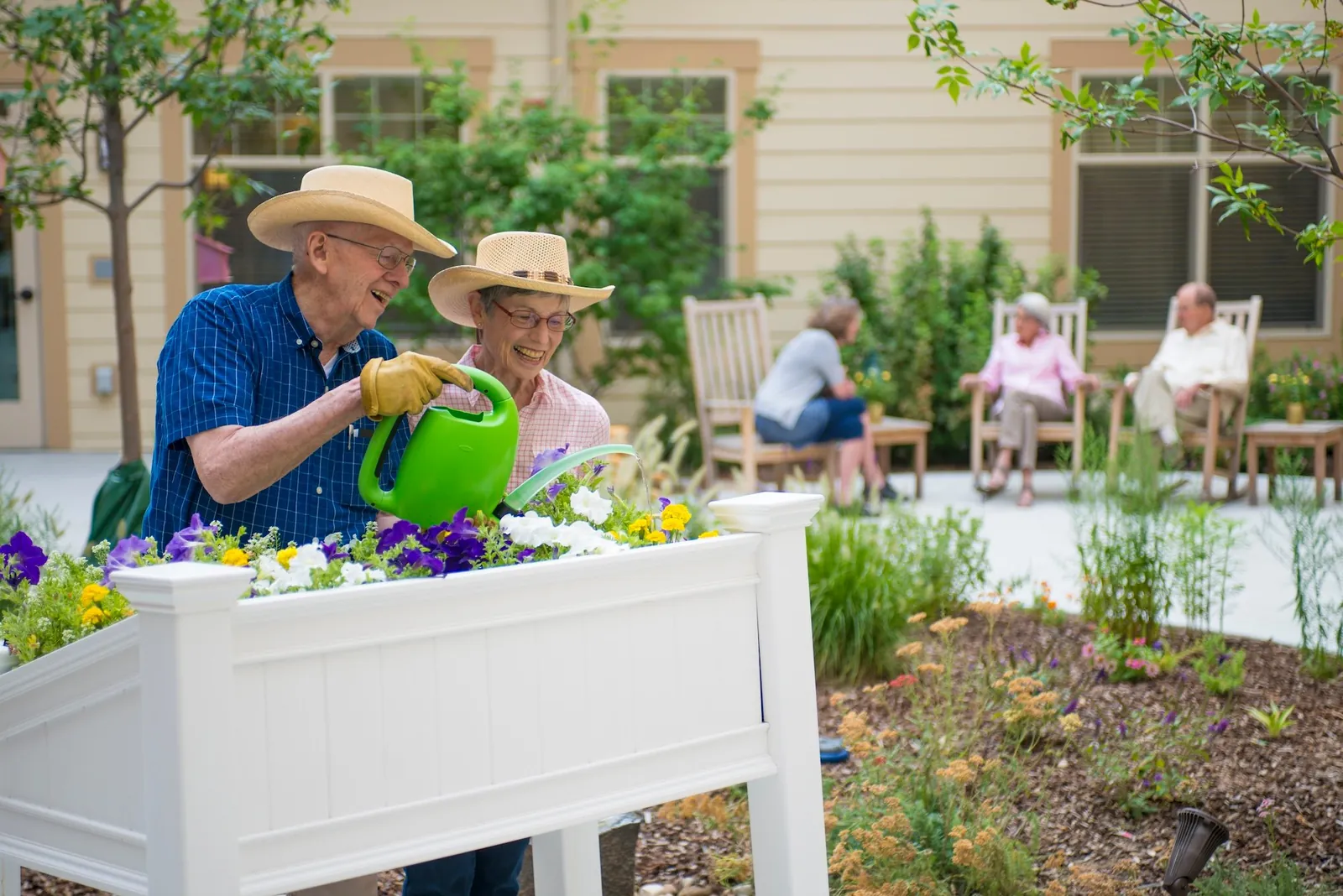
- Increased accessibility: Raised beds and container gardening make it easier for people with limited mobility to enjoy gardening.
- Enhanced productivity: Efficient tools and layouts allow you to accomplish more in less time.
Choosing Accessible & Ergonomic Gardening Tools
Selecting the appropriate tools is crucial for ergonomic gardening. Look for tools that are lightweight, have comfortable grips, and are designed to reduce strain on your body.
Essential Ergonomic Tools
- Lightweight pruners: Choose pruners with cushioned handles and easy-to-use mechanisms.
- Long-handled trowels: These reduce the need to bend and reach, minimizing back strain.
- Wheeled carts: Use carts with large wheels and comfortable handles for transporting tools and plants.
- Kneepads and knee pads: Protect your knees when kneeling on the ground.
- Gloves with padding: Provide extra cushioning to protect your hands from blisters and calluses.
| Tool | Features | Benefits |
|---|---|---|
| Lightweight pruners | Cushioned handles, easy-to-use mechanisms | Reduced hand strain, easier pruning |
| Long-handled trowels | Extended reach, comfortable grip | Minimized bending, reduced back strain |
| Wheeled carts | Large wheels, comfortable handles | Easier transportation, reduced lifting |
| Kneepads | Thick padding, secure fit | Knee protection, increased comfort |
| Padded gloves | Extra cushioning, breathable material | Hand protection, improved grip |
Pro Tip: Invest in high-quality tools that are specifically designed for ergonomic use. They may cost a bit more upfront, but they will save you from long-term discomfort and potential injuries.
Adapting Your Garden Layout : Accessible & Ergonomic Gardening
The layout of your garden plays a significant role in its accessibility and ergonomics. Consider the following adjustments to make your garden more user-friendly.
Raised Beds
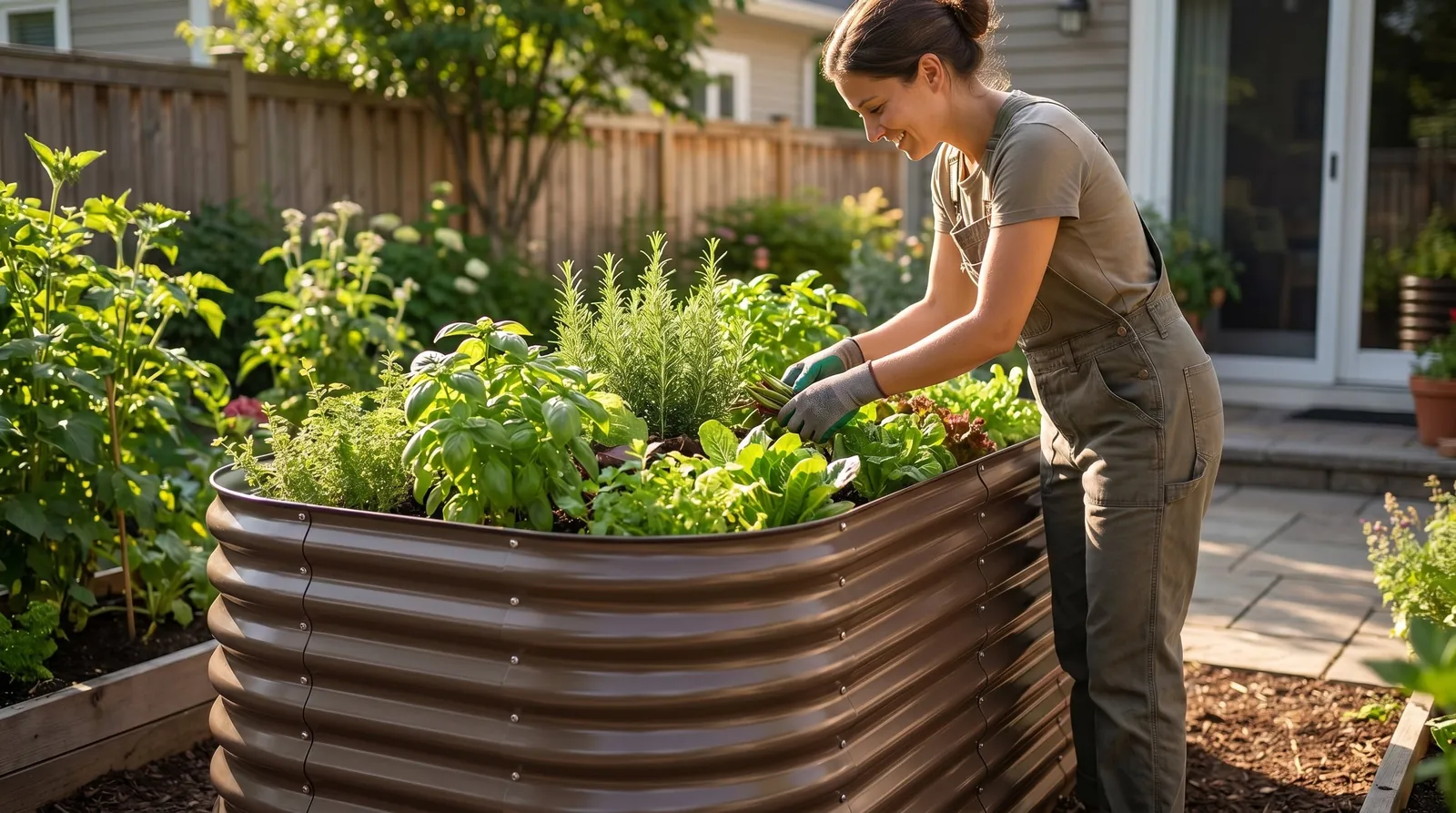
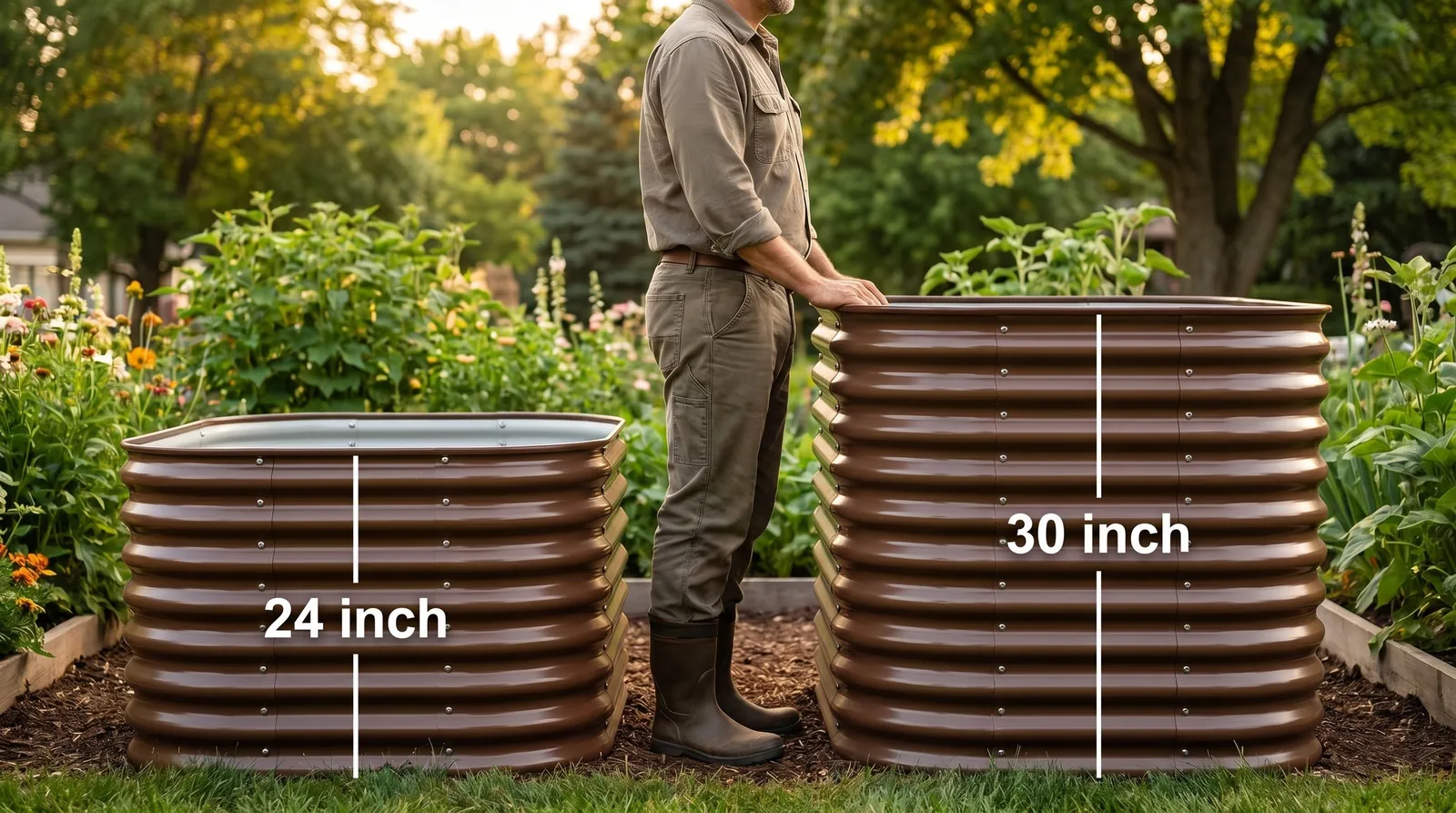
Raised beds are an excellent option for those who have difficulty bending or kneeling. They can be built at various heights, allowing you to work comfortably while standing or sitting.
- Height: Aim for a height that allows you to work without bending. A typical range is 24-36 inches.
- Width: Keep the width narrow enough to reach the center of the bed easily. A width of 3-4 feet is ideal.
Container Gardening
Container gardening is another accessible option, especially for those with limited space or mobility. Containers can be placed on tables, benches, or wheeled stands, making them easy to reach and move.
- Types of containers: Choose containers with drainage holes and a wide base for stability.
- Placement: Position containers at a height that’s comfortable for you. Tables and benches are great options.
Pathways and Surfaces
Well-designed pathways and surfaces can make your garden more accessible and safer.
- Pathways: Use smooth, level surfaces like concrete, pavers, or gravel. Avoid uneven or slippery surfaces.
- Surfaces: Ensure that the areas around your garden are level and free of obstacles to prevent tripping.
Using Proper Body Mechanics
Proper body mechanics are essential for preventing strain and injury while gardening. Here are some tips to help you maintain good form:
Lifting and Carrying
- Bend at the knees: When lifting, always bend at the knees and not at the waist.
- Keep the load close: Hold the object close to your body to reduce the strain on your back.
- Use your legs: Lift with your leg muscles, not your back.
Digging and Raking
- Maintain a neutral spine: Keep your back straight and avoid twisting.
- Use your legs: Push with your legs rather than relying solely on your arms.
- Take breaks: Rest frequently to avoid overexertion.
Kneeling and Bending
- Use knee pads: Protect your knees when kneeling on the ground.
- Alternate positions: Switch between kneeling, sitting, and standing to avoid prolonged stress on one part of your body.
Pro Tip: Always warm up before starting your gardening tasks. Simple stretches can help prepare your muscles and joints for the activity.
Incorporating Seating and Support
Adding seating and support to your garden can significantly enhance your comfort and enjoyment. Here’s how to do it:
Garden Benches and Chairs
- Placement: Place benches and chairs in shaded areas or near focal points in your garden.
- Comfort: Choose seats with good back support and comfortable cushions.
Standing Supports
- Garden stools: Use adjustable stools to provide a stable surface for standing.
- Grab bars and railings: Install grab bars and railings in areas where you need additional support, such as near steps or in tight spaces.
Adjustable Workstations
- Potting benches: Use potting benches with adjustable heights to accommodate different tasks and body sizes.
- Tool storage: Keep your tools within easy reach to avoid unnecessary bending and reaching.
Regular Maintenance : Accessible & Ergonomic Gardening
Regular maintenance is key to keeping your garden manageable and enjoyable. By breaking down tasks into smaller, more frequent activities, you can avoid overwhelming yourself and reduce the risk of injury.
Weekly Tasks
- Watering: Water your plants regularly, especially during dry spells.
- Weeding: Remove weeds as soon as you notice them to prevent them from taking over.
- Pest control: Inspect your plants for signs of pests and take action promptly.
Monthly Tasks
- Pruning: Prune dead or overgrown branches to promote healthy growth.
- Fertilizing: Apply fertilizer according to the specific needs of your plants.
- Cleaning tools: Clean and sharpen your tools to keep them in good working condition.
Seasonal Tasks
- Mulching: Add a layer of mulch to help retain moisture and suppress weeds.
- Dividing plants: Divide and transplant perennials to keep them healthy and vibrant.
- Preparing for winter: Protect your plants and tools from harsh winter conditions.
Frequently Asked Questions : Accessible & Ergonomic Gardening
What are the best ergonomic gardening tools for seniors?
Ergonomic gardening tools for seniors include lightweight pruners with cushioned handles, long-handled trowels, and wheeled carts. These tools reduce strain and make gardening more comfortable.
How can I make my garden more accessible for someone with limited mobility?
To make your garden more accessible, consider using raised beds, container gardening, and well-designed pathways. These features allow for easier access and reduce the need for bending and kneeling.
What are some tips for avoiding back pain while gardening?
To avoid back pain, maintain a neutral spine, use your leg muscles for lifting and pushing, and take frequent breaks. Additionally, use tools with long handles and consider using a garden stool for support.
How often should I water my plants in a raised bed?
Water your plants in a raised bed 1-2 times per week, depending on the weather and the specific needs of your plants. Check the soil regularly to ensure it remains moist but not waterlogged.
What is the best way to store gardening tools?
Store your gardening tools in a dry, cool place, such as a shed or garage. Hang tools on hooks or store them in a tool rack to keep them organized and easily accessible.
How can I protect my plants from pests naturally?
To protect your plants from pests naturally, use organic methods such as neem oil, insecticidal soap, and diatomaceous earth. Additionally, encourage beneficial insects like ladybugs and lacewings to help control pest populations.
Conclusion : Accessible & Ergonomic Gardening: Complete Guide
By implementing these accessible and ergonomic gardening practices, you can create a more enjoyable and sustainable gardening experience. Start by assessing your current setup and making small, manageable changes. Happy gardening!
{“@context”:”https://schema.org”,”@type”:”FAQPage”,”mainEntity”:[{“@type”:”Question”,”name”:”What are the best ergonomic gardening tools for seniors?”,”acceptedAnswer”:{“@type”:”Answer”,”text”:”Ergonomic gardening tools for seniors include lightweight pruners with cushioned handles, long-handled trowels, and wheeled carts. These tools reduce strain and make gardening more comfortable.”}},{“@type”:”Question”,”name”:”How can I make my garden more accessible for someone with limited mobility?”,”acceptedAnswer”:{“@type”:”Answer”,”text”:”To make your garden more accessible, consider using raised beds, container gardening, and well-designed pathways. These features allow for easier access and reduce the need for bending and kneeling.”}},{“@type”:”Question”,”name”:”What are some tips for avoiding back pain while gardening?”,”acceptedAnswer”:{“@type”:”Answer”,”text”:”To avoid back pain, maintain a neutral spine, use your leg muscles for lifting and pushing, and take frequent breaks. Additionally, use tools with long handles and consider using a garden stool for support.”}},{“@type”:”Question”,”name”:”How often should I water my plants in a raised bed?”,”acceptedAnswer”:{“@type”:”Answer”,”text”:”Water your plants in a raised bed 1-2 times per week, depending on the weather and the specific needs of your plants. Check the soil regularly to ensure it remains moist but not waterlogged.”}},{“@type”:”Question”,”name”:”What is the best way to store gardening tools?”,”acceptedAnswer”:{“@type”:”Answer”,”text”:”Store your gardening tools in a dry, cool place, such as a shed or garage. Hang tools on hooks or store them in a tool rack to keep them organized and easily accessible.”}},{“@type”:”Question”,”name”:”How can I protect my plants from pests naturally?”,”acceptedAnswer”:{“@type”:”Answer”,”text”:”To protect your plants from pests naturally, use organic methods such as neem oil, insecticidal soap, and diatomaceous earth. Additionally, encourage beneficial insects like ladybugs and lacewings to help control pest populations.”}}]}