



The best tabletop garden for most indoor growers is a passive hydroponic system with a 2 to 3-gallon reservoir and integrated LED grow lights. This setup balances low maintenance with reliable yields for leafy greens and herbs without requiring soil or daily watering. You’ll get consistent growth in small spaces while avoiding the mess and pests that come with traditional potting mixes. This guide covers how to choose, set up, and maintain one safely, including when this method isn’t the right fit for your space or goals.
What a Tabletop Garden Actually Is
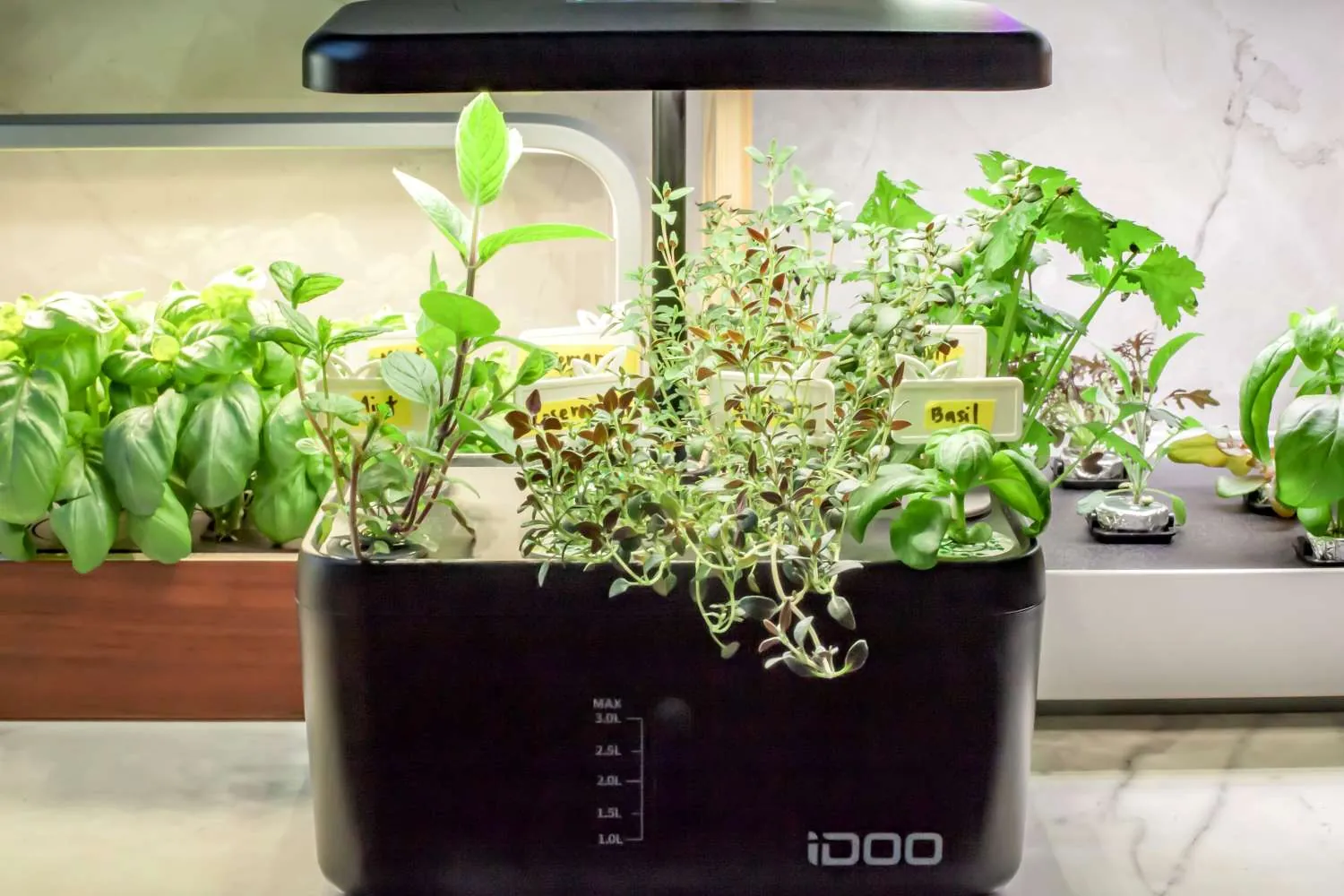
A tabletop garden is a compact, self-contained growing system designed to sit on a desk, counter, or shelf and produce edible plants indoors year-round. It’s built for people who want fresh herbs or greens but lack outdoor space, time for daily care, or experience with gardening. Most models use either passive hydroponics or small soil pods, with built-in LEDs replacing sunlight.
The common misconception is that these gardens are just decorative planters with lights. In reality, they’re engineered ecosystems where water, nutrients, light spectrum, and root oxygen are balanced by design. If you treat one like a potted plant—watering when the top feels dry or using regular fertilizer—you’ll likely fail. The system depends on precise conditions, not intuition.
Passive hydroponic tabletop gardens rely on capillary action or wicking to deliver nutrient solution to roots without pumps. This makes them silent and energy-efficient but also less forgiving of incorrect nutrient strength or pH. Soil-based versions buffer mistakes better but introduce fungus gnats and mold risks indoors. Neither type replaces full-scale gardening; they’re optimized for fast-growing, shallow-rooted crops like basil, lettuce, or mint.
If your goal is fruiting plants like tomatoes or peppers, most standard units won’t provide enough root volume or light intensity. Check the manufacturer’s crop list before buying. For verified guidance on safe indoor food production, consult the USDA indoor growing guidelines.
Setting Up Your Tabletop Garden
Setting up a tabletop garden correctly from the start prevents weeks of stalled growth or plant loss. Follow these steps exactly as written, adjusting only if your unit’s manual specifies different values. Skipping calibration or rushing the cycle leads to nutrient burn or algae blooms that take months to fix.
- Unbox and rinse all removable parts with plain water to remove manufacturing residue. Don’t use soap or bleach, as residues harm beneficial microbes and alter pH. Let components air-dry completely before assembly to avoid trapping moisture in electrical housings.
- Fill the reservoir with room-temperature tap water to the marked fill line, typically 2–3 gallons for standard units. If your local water is softened or contains chloramine, use a carbon filter or reverse osmosis system to prevent salt buildup or root damage.
- Add the manufacturer-recommended nutrient solution at half-strength for the first two weeks. Measure precisely using the included cap or a graduated syringe; guessing causes toxicity. Stir gently for 30 seconds to ensure even distribution without creating foam.
- Test and adjust pH to between 5.5 and 6.5 using liquid test drops and pH Up/Down solutions. Digital meters drift quickly in small volumes and give false confidence. Retest after every nutrient addition until readings stabilize over three consecutive days.
- Insert seed pods or net cups into designated slots, ensuring wicks touch the water surface. Plant only seeds listed as compatible by the manufacturer; others may rot or outgrow the system. Label each pod immediately to track germination times accurately.
- Set LED lights to 14–16 hours daily using the built-in timer or an external outlet timer. Position lights 2–4 inches above the tallest sprout, raising weekly as plants grow. Too close causes heat stress; too far stretches stems weakly.
- Monitor water level daily for the first week, then every 2–3 days. Top off with plain water only between full changes to maintain nutrient balance. Never add nutrients during top-offs unless testing confirms deficiency.
- Perform a full reservoir change every 2–3 weeks, cleaning all surfaces with diluted vinegar. Algae and biofilm reduce oxygen and harbor pathogens. Rinse thoroughly before refilling to avoid acid carryover.
The single judgment call that separates success from failure is knowing when to intervene versus when to wait. New growers often adjust pH or nutrients at the first sign of yellowing, but early leaf discoloration is normal during transplant shock. Wait 48 hours after any change before making another adjustment. If symptoms worsen or spread beyond older leaves, then act. This patience prevents compounding errors that kill plants faster than neglect ever would.
Key Tabletop Garden Settings
These baseline settings apply to most passive hydroponic tabletop gardens with 2–3 gallon reservoirs and full-spectrum LEDs. Always cross-check against your specific model’s manual, as reservoir size, light wattage, and pod spacing alter requirements significantly. Using generic numbers without verifying your unit’s specs is the fastest way to stall growth or burn roots.
| Situation | What to use | How long | What to watch for |
|---|---|---|---|
| First-time setup | Half-strength nutrient solution | 2 weeks | Leaf tip burn or stunted cotyledons indicate excess salts; flush with plain water if seen |
| Mature leafy greens | Full-strength nutrient per label | Until harvest (3–6 weeks) | Pale new growth signals nitrogen deficiency; dark green with curled tips means excess |
| Herb maintenance | Full-strength nutrient, pH 5.8–6.2 | Ongoing with biweekly changes | Woody stems or slow regrowth after cutting suggests insufficient light or aging roots |
| Seedling stage | Plain water or quarter-strength nutrient | 7–14 days post-germination | Damping-off (fuzzy white mold at base) requires immediate removal and improved airflow |
| Summer heat (>80°F ambient) | Reduced nutrient strength (75%) | Duration of heatwave | Root slime or foul odor indicates bacterial growth; increase air circulation or chill reservoir |
| Winter low humidity (<30%) | Standard nutrient, mist foliage lightly | Daily during dry spells | Crispy leaf edges despite wet medium point to transpiration stress, not underwatering |
| Post-harvest reset | Diluted vinegar clean, fresh nutrient | Before replanting | Residual biofilm causes recurring issues; scrub all crevices and rinse until no vinegar smell remains |
Water temperature matters as much as chemistry. Ideal range is 65–75°F; above 80°F, dissolved oxygen drops sharply and root rot risk spikes. If your room runs warm, place the unit away from direct sun or appliances that emit heat. Below 60°F, nutrient uptake slows visibly. These thresholds assume still-air indoor conditions; drafty windowsills or heated floors shift them unpredictably. Check your actual reservoir temperature with an aquarium thermometer, not room air readings.
Light distance is equally conditional. The 2–4 inch guideline assumes 20–30W LED arrays common in consumer units. Higher-wattage systems need more clearance to prevent scorching; lower-wattage ones may require closer placement for adequate PAR. Measure from the light panel to the plant canopy, not the pot rim. Adjust weekly based on internode length: stretched stems mean insufficient light, while bleached or cupped leaves signal excess. Your eyes adapt to brightness; plants don’t lie about their needs.
Getting Consistent Tabletop Garden Results
Experienced growers succeed because they prepare the environment before planting, not after problems appear. They test water hardness and pH stability days ahead, confirming their source won’t swing chemistry overnight. They pre-soak seed pods in pH-adjusted water to synchronize germination, avoiding uneven canopies that shade slower starters.
Mid-cycle checks separate sustainable harvests from boom-bust failures. Weekly, they measure reservoir volume loss to estimate uptake rate; sudden drops signal leaks or excessive transpiration, while stagnation points to root blockage. They inspect undersides of leaves for early pest signs before colonies establish, using a hand lens rather than waiting for visible damage. They also log nutrient additions and pH adjustments in a simple notebook, spotting patterns that memory misses. This record turns guesswork into repeatable process.
Equally important is what they deliberately leave alone. They resist topping off with nutrient solution between changes, knowing dilution drift harms more than temporary depletion. They avoid pruning healthy lower leaves “for aesthetics,” understanding those support root function and buffer stress. They never switch nutrient brands mid-cycle without a full flush, as incompatible formulations precipitate solids that clog wicks. Restraint here prevents the well-intentioned interventions that beginners mistake for care.
This approach isn’t for everyone. If you travel frequently or can’t commit to biweekly maintenance windows, soil-based container gardening forgives lapses better. Hydroponic tabletop systems demand presence; absence beyond four days risks total crop loss. Similarly, if you prioritize ornamental variety over edibles, specialized terrariums offer broader plant compatibility without nutritional constraints. Honesty about your routine prevents wasted investment and frustration.
Common Tabletop Garden Problems
Most issues stem from mismatched expectations or skipped calibration steps, not defective equipment. Diagnose by observing plant response first, then verify with measurements. Acting on assumption alone compounds problems, especially in small-volume systems where corrections happen fast and irreversibly. Use this table to match symptoms to verified causes and safe first responses.
| What you notice | What it usually means | What to do first |
|---|---|---|
| Yellowing lower leaves within first week | Transplant shock or initial nutrient adjustment | Wait 48 hours; if spreading upward, test pH and reduce nutrient strength by 25% |
| White fuzz on seedlings or soil surface | Damping-off fungus from excess moisture | Remove affected plants immediately; improve airflow with small fan; avoid misting until resolved |
| Slimy roots or sour smell | Bacterial root rot from warm water or low oxygen | Drain and sanitize reservoir; trim dead roots; refill with cool, aerated water at half-strength nutrient |
| Stretched, pale stems between nodes | Insufficient light intensity or duration | Lower lights 1 inch; extend photoperiod by 2 hours; verify timer function and bulb age |
| Brown, crispy leaf edges | Nutrient burn or low humidity | Flush reservoir with plain water; mist foliage lightly; check room humidity with hygrometer |
| Slow growth despite green leaves | Depleted nutrients or incorrect pH lockout | Test pH and EC; perform partial water change with fresh nutrient at recommended strength |
Never add hydrogen peroxide or fungicides directly to hydroponic reservoirs unless the manufacturer explicitly approves them. Many oxidizers destroy beneficial biology and degrade plastic components over time. Sanitization belongs to maintenance cycles, not emergency fixes. If problems persist after two correction attempts, the issue may be systemic—replace the entire setup rather than chasing diminishing returns. Some failures reflect fundamental incompatibility between your environment and the system’s design limits.
Safety and Usage Rules
Tabletop gardens involve electricity, water, and concentrated nutrients in close proximity, creating real hazards if misused. The U.S. Consumer Product Safety Commission warns that combining liquids with plug-in devices always carries shock and fire risk, even with low-voltage adapters. Never operate a unit with frayed cords, cracked housings, or submerged connectors. Unplug before cleaning, refilling, or adjusting components. Keep the system away from sinks, bathtubs, and other water sources to prevent accidental splashing onto live parts.
Nutrient solutions are chemical concentrates, not plant food in the benign sense. Store them locked away from children and pets, clearly labeled and in original containers. Skin contact can cause irritation; ingestion requires immediate poison control consultation. Never mix different nutrient brands or add household fertilizers, as unpredictable reactions may release toxic fumes or generate heat. Dispose of unused solution according to local hazardous waste rules, not down drains.
Light safety matters too. Integrated LEDs emit intense blue-rich spectra that can damage retinas with prolonged direct exposure. Avoid staring at lit panels, and position units so beams don’t shine into seating areas. Replace flickering or discolored LEDs promptly; degraded drivers can overheat. Only use manufacturer-approved replacement parts; third-party bulbs may bypass safety circuits or emit harmful UV wavelengths.
If your unit develops electrical faults, strange odors, or overheating, stop use immediately and contact the manufacturer. Don’t attempt internal repairs unless you’re qualified; voiding safety certifications exposes you to liability and injury. For rental properties, verify lease terms allow hydroponic systems, as water damage clauses may exclude non-traditional gardening setups. When in doubt, consult a licensed electrician or property manager before installation.
Maintaining Your System Long-Term
After each harvest cycle, proper maintenance determines whether your next crop thrives or fails. Clean the entire system within 24 hours of removing old plants to prevent pathogen establishment. Disassemble all removable parts and soak in 1:10 white vinegar solution for 30 minutes, scrubbing wicks and channels with a soft brush. Rinse thoroughly until no vinegar scent remains; residual acid alters pH and damages roots. Air-dry completely before reassembly to inhibit mold growth in hidden crevices.
Track component lifespan proactively. LED arrays gradually lose output over several years of daily use, though they still illuminate visibly. Replace them if plants consistently show light-deficiency symptoms despite correct positioning, as declining PAR can be difficult to notice visually. Wicks and net cups degrade faster; inspect monthly for mineral crust or fiber breakdown that impedes capillary flow. Keep spare parts on hand to avoid extended downtime during critical growth phases.
Record keeping transforms maintenance from chore to strategy. Note reservoir change dates, nutrient batches, and observed plant responses in a dedicated log. Patterns emerge over cycles: perhaps your tap water’s seasonal hardness shift requires summer pH adjustments, or a particular basil variety consistently underperforms in your unit. This data lets you refine rather than restart. Without it, you’re perpetually troubleshooting the same issues.
Storage between uses demands equal care. Never leave stagnant water in idle systems; drain, clean, and store dry. Cover open ports to prevent dust ingress. If storing longer than a month, remove batteries from timers to prevent corrosion. Rehydrate wicks gradually upon restart; dry fibers repel water initially and cause uneven saturation. Treat reactivation like a new setup, not a continuation.
When Other Growing Methods Work Better
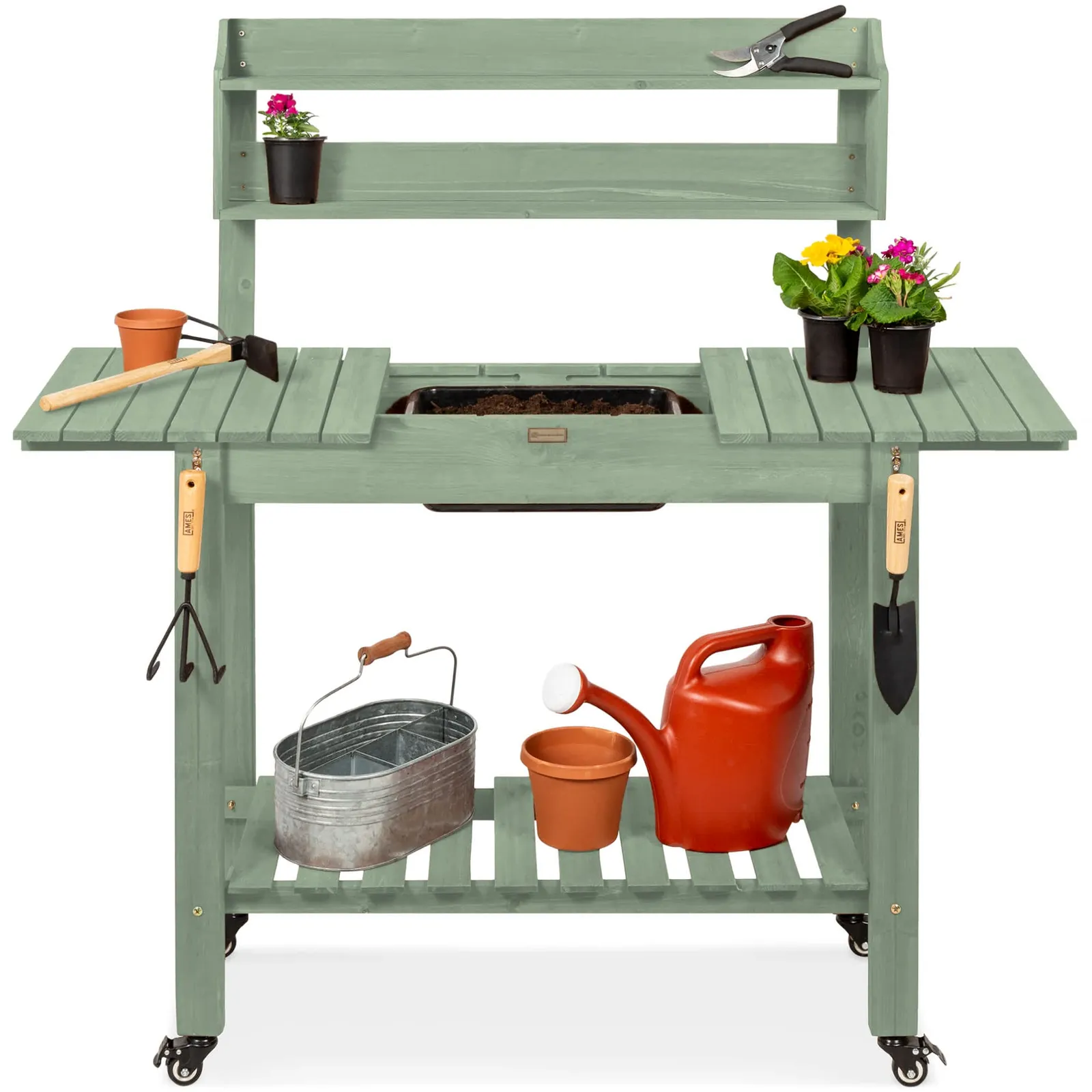
Tabletop hydroponic gardens excel for specific crops and lifestyles but fail outside their narrow scope. If you want to grow fruiting vegetables like cherry tomatoes or peppers, choose a larger active hydroponic system or container soil garden instead. These plants need deeper root zones, higher light intensity, and pollination support that compact passive units can’t provide. Forcing them into undersized systems yields spindly plants and negligible harvests despite perfect technique.
Frequent travelers or those with unpredictable schedules should opt for self-watering soil containers or drought-tolerant ornamentals. Passive hydroponics tolerates maybe three days of neglect before irreversible damage begins; soil buffers up to a week. The trade-off is accepting slower growth and potential pest management in exchange for resilience. Don’t force a high-maintenance system onto a low-availability lifestyle; the mismatch guarantees frustration.
Ornamental plant enthusiasts seeking diverse species will find tabletop food gardens limiting. Succulents, ferns, and flowering houseplants have vastly different humidity, light, and nutrient needs than edible greens. Dedicated terrariums or shelf displays accommodate this variety without compromising plant health. Using a food-optimized system for decorative purposes wastes its precision engineering while stressing incompatible specimens. Match the tool to the goal, not the aesthetic.
Budget-conscious growers starting out might begin with simple window-sill herb pots before investing in automated systems. Learning basic plant cues through low-stakes trial builds intuition that technology can’t replace. Upgrade only after mastering fundamentals to avoid outsourcing understanding to opaque technology.
Frequently Asked Questions
Can I grow tomatoes in a tabletop garden?
No, most tabletop gardens can’t support tomato plants successfully. Standard units lack the root volume, light intensity, and structural support required for fruiting crops. Always check your unit’s official crop compatibility list before attempting to grow tomatoes indoors.
Why are my tabletop garden leaves turning yellow?
Yellowing leaves usually indicate nutrient imbalance, pH lockout, or natural senescence. Lower leaf yellowing during early growth is often normal transplant shock, while upper leaf yellowing with green veins signals iron deficiency from high pH. Always test water parameters before correcting.
How long do tabletop garden LED lights last?
LED arrays in tabletop gardens typically maintain effective output for 12–18 months with daily use. Photosynthetically active radiation declines significantly after this period even if lights appear bright to human eyes. Replace lights proactively on schedule rather than waiting for plant deficiency symptoms.
Is it safe to use tap water in tabletop gardens?
Yes, tap water is generally safe if tested and conditioned properly. Municipal supplies often contain chlorine or chloramine that harm beneficial microbes and must be removed via settling or carbon filtration. Avoid softened water entirely because added sodium accumulates toxically in closed systems.
What happens if I forget to change the water?
Missing one scheduled change by a few days rarely causes harm if plants are healthy. Beyond five days, nutrient concentration drifts unpredictably as water evaporates and ions accumulate. Perform a full drain-clean-refill cycle upon resuming rather than topping off to prevent compounding imbalances.
How often should I add nutrients to my tabletop garden?
Add nutrients only during full reservoir changes, typically every two to three weeks for mature plants. Never supplement between changes unless testing confirms specific deficiency because evaporation concentrates existing salts. Monitor EC/TDS readings to guide timing rather than relying on calendar schedules alone.
Conclusion
Choosing and maintaining a tabletop garden comes down to matching the system to your realistic capacity, not aspirational vision. Success hinges on respecting its limits as much as leveraging its conveniences. When aligned with your space, schedule, and crop goals, it delivers consistent fresh greens with minimal fuss. When mismatched, no amount of tweaking compensates for fundamental incompatibility. Start honest, stay observant, and let the plants—not the marketing—guide your next step.
{“@context”:”https://schema.org”,”@type”:”FAQPage”,”mainEntity”:[{“@type”:”Question”,”name”:”Can I grow tomatoes in a tabletop garden?”,”acceptedAnswer”:{“@type”:”Answer”,”text”:”No, most tabletop gardens can’t support tomato plants successfully. Standard units lack the root volume, light intensity, and structural support required for fruiting crops. Always check your unit’s official crop compatibility list before attempting to grow tomatoes indoors.”}},{“@type”:”Question”,”name”:”Why are my tabletop garden leaves turning yellow?”,”acceptedAnswer”:{“@type”:”Answer”,”text”:”Yellowing leaves usually indicate nutrient imbalance, pH lockout, or natural senescence. Lower leaf yellowing during early growth is often normal transplant shock, while upper leaf yellowing with green veins signals iron deficiency from high pH. Always test water parameters before correcting.”}},{“@type”:”Question”,”name”:”How long do tabletop garden LED lights last?”,”acceptedAnswer”:{“@type”:”Answer”,”text”:”LED arrays in tabletop gardens typically maintain effective output for 12–18 months with daily use. Photosynthetically active radiation declines significantly after this period even if lights appear bright to human eyes. Replace lights proactively on schedule rather than waiting for plant deficiency symptoms.”}},{“@type”:”Question”,”name”:”Is it safe to use tap water in tabletop gardens?”,”acceptedAnswer”:{“@type”:”Answer”,”text”:”Yes, tap water is generally safe if tested and conditioned properly. Municipal supplies often contain chlorine or chloramine that harm beneficial microbes and must be removed via settling or carbon filtration. Avoid softened water entirely because added sodium accumulates toxically in closed systems.”}},{“@type”:”Question”,”name”:”What happens if I forget to change the water?”,”acceptedAnswer”:{“@type”:”Answer”,”text”:”Missing one scheduled change by a few days rarely causes harm if plants are healthy. Beyond five days, nutrient concentration drifts unpredictably as water evaporates and ions accumulate. Perform a full drain-clean-refill cycle upon resuming rather than topping off to prevent compounding imbalances.”}},{“@type”:”Question”,”name”:”How often should I add nutrients to my tabletop garden?”,”acceptedAnswer”:{“@type”:”Answer”,”text”:”Add nutrients only during full reservoir changes, typically every two to three weeks for mature plants. Never supplement between changes unless testing confirms specific deficiency because evaporation concentrates existing salts. Monitor EC/TDS readings to guide timing rather than relying on calendar schedules alone.”}}]}