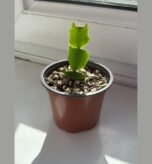



Yes, Thanksgiving cacti are slow-growing plants that typically add only a few new stem segments each year under standard indoor conditions. Unlike fast-spreading succulents or aggressive tropical vines, Schlumbergera truncata focuses its energy on producing dense, flat leaf-like stems and spectacular fall blooms rather than rapid vegetative expansion. A small nursery plant might take three to five years to develop into a full, hanging basket specimen, which is exactly why patience and consistent care are essential for anyone cultivating these holiday favorites.
Key Takeaways
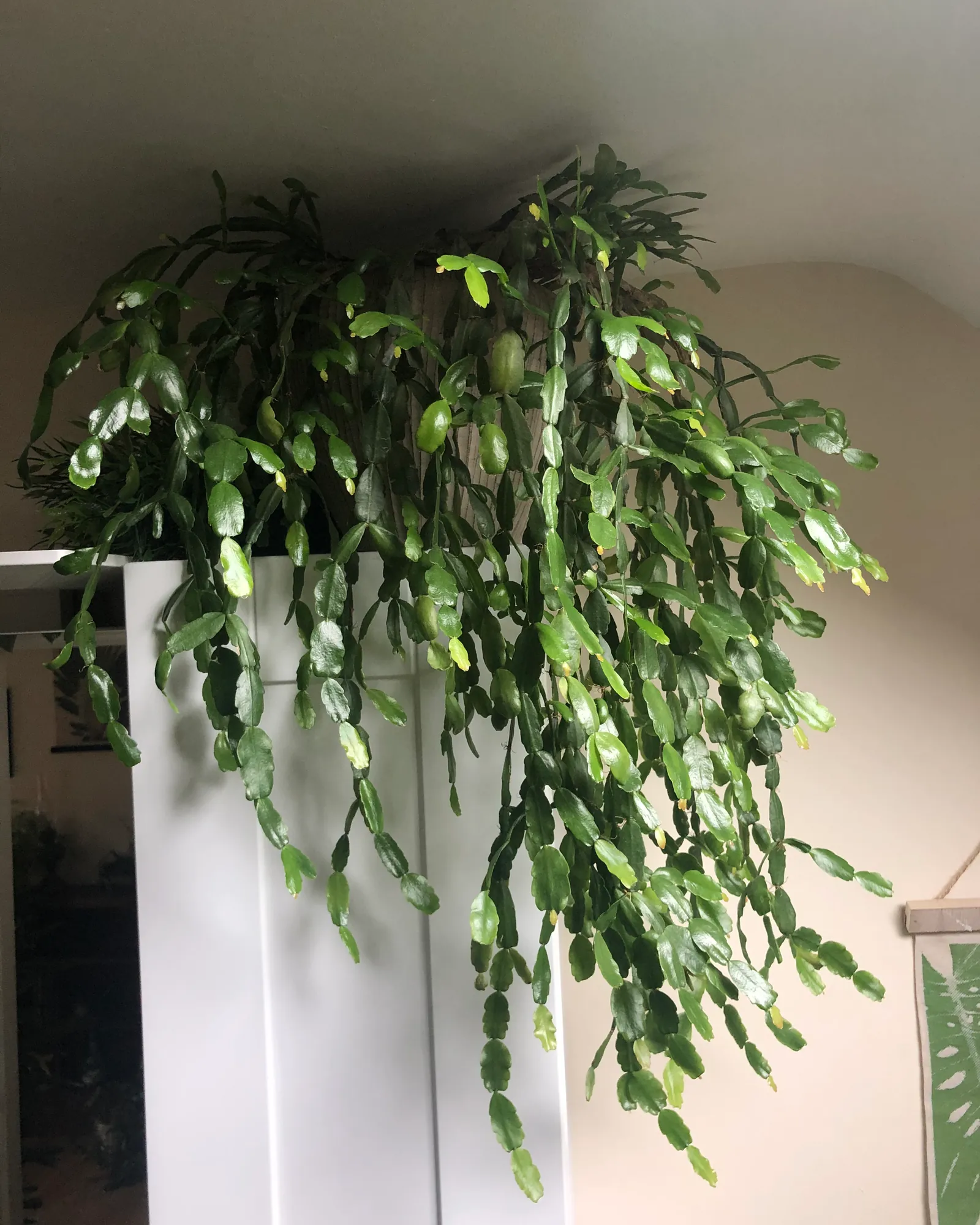
- Thanksgiving cacti grow slowly by nature, adding roughly two to six new stem segments per branch annually during the active growing season.
- Providing bright, indirect light and consistent moisture during spring and summer maximizes the growth rate without causing root rot.
- Using a well-draining potting mix specifically formulated for epiphytic cacti prevents waterlogging and supports steady, healthy development.
- Pruning immediately after the blooming period encourages lateral branching, making the plant appear fuller much faster than unpruned specimens.
- Maintaining cooler temperatures and shorter days in autumn triggers flowering but temporarily halts vegetative growth entirely.
- Repotting should only occur every three to four years because these plants prefer being slightly root-bound to encourage blooming.
Are Thanksgiving Cactus Slow Growing?
The botanical reality of Schlumbergera truncata confirms that it’s indeed a slow-growing epiphytic plant. In their natural habitat within the coastal mountains of southeastern Brazil, these cacti grow in the crooks of tree branches, relying on accumulated leaf litter and high humidity rather than deep soil.
This evolutionary background means they don’t possess the aggressive root systems or rapid cellular division rates found in desert cacti like Opuntia or fast-growing houseplants like pothos (Epipremnum aureum). Instead, their growth strategy prioritizes survival and reproduction in nutrient-poor canopy environments.
During the active growing season, which spans from early spring through late summer, a healthy Thanksgiving cactus will produce new phylloclades—the flattened, leaf-like stem segments that make up its body. You can expect a mature, well-cared-for plant to push out anywhere from two to six new segments per existing branch tip each year.
While this might sound minimal, the cumulative effect over several seasons creates a lush, cascading plant. The growth is incremental, meaning you won’t notice daily changes, but comparing photographs taken months apart will reveal steady progress.
Understanding this natural pace helps manage expectations. Many indoor gardeners mistakenly assume their plant is dying or stunted when it fails to double in size over a single summer. Recognizing that slow growth is a genetic trait rather than a symptom of neglect allows you to focus on optimizing conditions rather than forcing unnatural expansion. Forcing growth with excessive fertilizer often leads to weak, spindly segments that can’t support the weight of future blooms.
Typical Growth Rates by Plant Age
| Plant Age | Expected Annual Segment Addition | Overall Size Progression |
|---|---|---|
| 0 to 1 year (cutting) | 1 to 3 segments total | Establishes initial root system and first true leaves |
| 1 to 3 years (juvenile) | 2 to 4 segments per branch | Fills out a 4-inch to 6-inch nursery pot |
| 3 to 5 years (maturing) | 3 to 6 segments per branch | Requires an 8-inch pot; begins heavy blooming |
| 5+ years (mature) | 2 to 5 segments per branch | Reaches maximum spread; growth shifts to maintenance |
What Factors Control Their Growth Speed?
Several environmental variables dictate whether your Thanksgiving cactus grows at the upper or lower end of its natural speed range. Because they’re epiphytes, their relationship with their environment differs significantly from terrestrial plants. Light intensity, watering frequency, ambient humidity, and temperature fluctuations all act as levers you can adjust to encourage optimal development.
Light is arguably the most critical factor. While these plants tolerate low light, they thrive and grow fastest in bright indirect sunlight. Placing them near an east-facing window where they receive gentle morning sun provides the energy required for photosynthesis without scorching their delicate tissues. Direct afternoon sun, especially during summer, causes the segments to turn reddish-purple and halts growth as the plant enters a stress response.
Watering practices directly influence how quickly new segments emerge. Unlike desert cacti that demand complete drought between waterings, Thanksgiving cacti prefer their soil to remain lightly moist during the spring and summer growing phases. Allowing the top inch of soil to dry out before watering again strikes the right balance. Overwatering suffocates the shallow root system, leading to rot, while chronic underwatering forces the plant into dormancy, pausing segment production entirely.
Temperature also plays a vital role. These plants originate from tropical cloud forests, meaning they prefer moderate warmth. Daytime temperatures between 70°F and 80°F promote active growth. However, once temperatures consistently drop below 60°F in autumn, the plant shifts its biological priority from growing new stems to setting flower buds. During this cooling period, vegetative growth stops completely until temperatures rise again in spring.
Humidity levels in modern homes often fall far below what Schlumbergera truncata prefers. Central heating and air conditioning strip moisture from the air, leaving humidity levels around 30 percent. Raising the ambient humidity to 50 percent or higher using a pebble tray filled with water or a dedicated room humidifier prevents the edges of the stem segments from shriveling and supports faster cellular expansion during the growing season.
How Do You Make Them Grow Faster?
If you want to maximize the growth potential of your Thanksgiving cactus within its naturally slow parameters, strategic fertilization is your best tool. Because epiphytic plants evolved to catch nutrients from rain washing over tree bark, they respond exceptionally well to regular, dilute feeding during their active months. Applying a balanced, water-soluble fertilizer every two to four weeks from April through September provides the nitrogen, phosphorus, and potassium necessary for robust segment formation.
Choosing the right fertilizer matters. A standard houseplant formula with an equal ratio, such as 10-10-10 or 20-20-20, works perfectly. Alternatively, fertilizers formulated specifically for orchids or bromeliads are excellent choices because they mimic the nutrient profile these plants would encounter in the wild. Avoid high-nitrogen lawn fertilizers or heavy bloom boosters during the vegetative phase, as excessive nitrogen produces soft, weak growth prone to breaking, while too much phosphorus prematurely signals the plant to attempt flowering.
Pruning is another highly effective method for accelerating the appearance of growth. By pinching or cutting back the tips of existing branches immediately after the winter blooming cycle ends, you force the plant to break dormancy at multiple nodes rather than just the terminal tip.
One cut can result in two or three new branches emerging from the same segment. Over a couple of years, this technique transforms a sparse, leggy plant into a dense, bushy specimen much faster than letting it grow naturally.
Repotting at the correct time ensures the roots have enough space and fresh nutrients to support above-ground growth. However, there’s a fine line. Potting a small plant into a massive container leads to soggy soil and stalled growth. Only move your Thanksgiving cactus into a pot one size larger—typically one to two inches wider in diameter—when the roots begin circling the bottom of the current container. Fresh potting medium replenishes depleted nutrients and improves oxygen flow to the root zone.
Pro Tip: When pruning your Thanksgiving cactus to encourage bushier growth, always twist the segments off at the joint rather than cutting through the middle of a phylloclade. Twisting creates a clean break at the natural node, which heals faster and reduces the risk of fungal infections entering the wound. Save these twisted-off segments to propagate new plants.
Soil and Potting Requirements for Growth
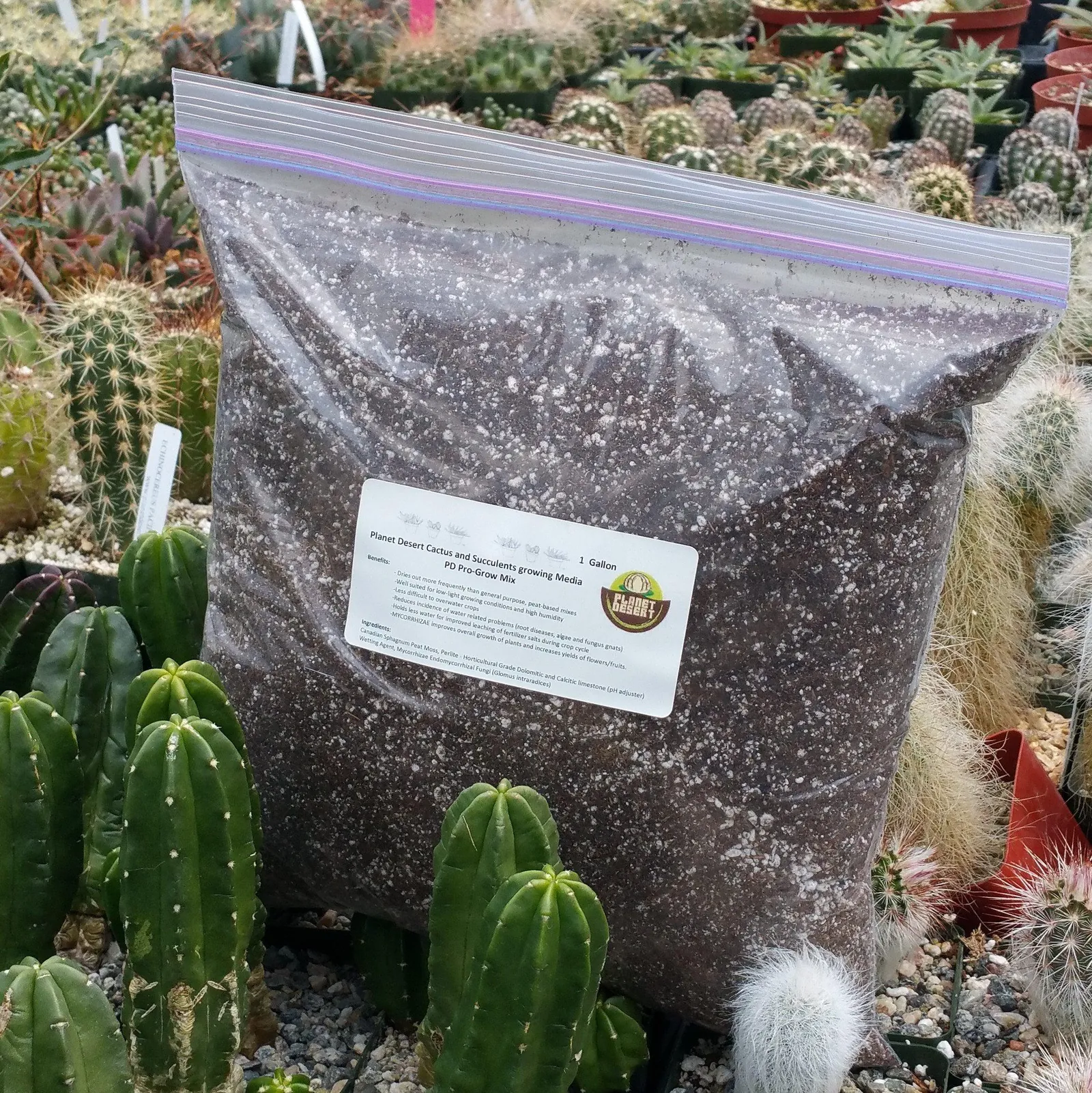
The foundation of healthy, steady growth for any Thanksgiving cactus lies beneath the soil surface. Because these plants are epiphytes, their root systems are adapted to clinging to tree bark and absorbing moisture from the humid air, rather than digging deep into dense earth. Standard potting soil retains far too much moisture and compacts too heavily, suffocating the roots and stunting growth. Creating or purchasing a specialized epiphytic potting mix is non-negotiable for long-term success.
An ideal soil blend consists of roughly equal parts standard potting soil, perlite or pumice, and orchid bark. The potting soil provides a base structure and mild nutrient content. The perlite introduces essential air pockets and drainage channels, preventing water from pooling around the roots.
The orchid bark mimics the woody surfaces the plant clings to in nature, retaining slight moisture while allowing excess water to drain freely. Some growers also add horticultural charcoal to keep the mix sweet and prevent bacterial buildup.
You can purchase pre-mixed blends designed for epiphytes at most garden centers. Brands like Espoma offer organic cactus and succulent mixes that work well if amended with extra bark, while rePotme sells specific Schlumbergera potting mixes online that contain the exact ratios needed. If mixing your own, ensure the final product feels loose and chunky. When you squeeze a handful of damp mix, it should hold together briefly but crumble easily when poked, never forming a tight, muddy ball.
The choice of pot material also influences soil drying times and, consequently, root health. Unglazed terracotta pots wick moisture away from the soil, helping the mix dry out faster between waterings. This is beneficial if you tend to overwater or live in a humid climate.
Plastic or glazed ceramic pots retain moisture longer, which can be advantageous in very dry, heated homes. Regardless of material, the pot must have multiple drainage holes at the bottom. Never plant a Thanksgiving cactus in a decorative cache pot without removing it to water.
Holiday Cacti Growth Comparison
Gardeners frequently confuse Thanksgiving cacti with their close relatives, the Christmas cactus (Schlumbergera bridgesii) and the Easter cactus (Hatiora gaertneri). While all three share similar care requirements and epiphytic origins, their growth habits, blooming times, and physical characteristics differ slightly. Understanding these distinctions helps set accurate expectations for how fast your specific plant will grow and when it will flower.
Thanksgiving cacti generally exhibit a slightly more upright and vigorous growth habit compared to Christmas cacti, which tend to have a more pendulous, weeping structure as they mature. The segments of a Thanksgiving cactus feature distinct, pointed claw-like projections along their margins, whereas Christmas cactus segments have smooth, scalloped edges. Easter cacti boast rounded edges with tiny bristles at the tips. These morphological differences reflect their varied evolutionary paths within the Brazilian cloud forests.
In terms of raw growth speed, all three are considered slow growers by houseplant standards. However, Thanksgiving cacti often establish new segments slightly faster in the spring than Easter cacti, which have a notoriously short growing window between their spring bloom and summer dormancy. Christmas cacti fall somewhere in the middle. None of these plants will rapidly fill a large hanging basket in a single season; all require years of patient cultivation to reach impressive sizes.
| Feature | Thanksgiving Cactus | Christmas Cactus | Easter Cactus |
|---|---|---|---|
| Botanical Name | Schlumbergera truncata | Schlumbergera bridgesii | Hatiora gaertneri |
| Leaf Edge Shape | Pointed, claw-like teeth | Smooth, scalloped curves | Rounded with tiny bristles |
| Blooming Season | Late November | Late December | Spring (March to May) |
| Relative Growth Speed | Slow to Moderate | Slow | Very Slow |
| Growth Habit | Upright, then arching | Pendulous, weeping | Arching, spreading |
For detailed botanical classification and identification of these closely related species, university extension programs provide reliable guidance. The University of Massachusetts Amherst offers comprehensive fact sheets distinguishing the specific traits and cultural requirements of holiday cacti, confirming the morphological differences that separate Schlumbergera truncata from its relatives.
Common Problems That Stunt Growth
When a Thanksgiving cactus grows even slower than its natural baseline, or stops producing new segments entirely outside of its winter resting period, an underlying cultural issue is usually to blame. Identifying and correcting these problems promptly prevents permanent damage and restores the plant’s normal developmental rhythm. Pests, diseases, and environmental stressors are the primary culprits behind severely stunted growth.
Root rot is the most devastating issue facing these epiphytes. Caused by overwatering or poorly draining soil, fungal pathogens like Pythium and Phytophthora attack the root system, turning healthy white roots into brown, mushy threads.
A plant suffering from root rot can’t absorb water or nutrients, resulting in shriveled, limp segments and a complete halt in new growth. If you suspect root rot, unpot the plant immediately, trim away all dead roots with sterilized scissors, and repot the healthy portions into fresh, dry epiphytic mix.
Pest infestations drain the plant’s energy reserves, slowing growth significantly. Mealybugs appear as tiny, white, cottony masses hiding in the joints between stem segments. They pierce the plant tissue and suck out the sap, weakening the cactus over time.
Spider mites, though less common on fleshy plants, can attack Thanksgiving cacti kept in excessively hot, dry conditions, causing stippling on the segments and fine webbing. Treat mealybugs by dabbing them with a cotton swab dipped in rubbing alcohol, and wash spider mites away with a gentle stream of lukewarm water.
Nutrient deficiencies manifest gradually. If your plant has been in the same potting mix for over two years without fertilization, it may lack the nitrogen required to build new stem segments. Older segments might turn pale green or yellowish, and new growth will be abnormally small or fail to emerge. Conversely, salt buildup from synthetic fertilizers can burn the roots, achieving the same stunted result. Flushing the soil thoroughly with distilled water every few months prevents toxic mineral accumulation.
Environmental shock also pauses growth. Moving a Thanksgiving cactus from a shaded indoor spot to a bright patio, or exposing it to cold drafts from air conditioning vents, forces the plant to redirect energy toward survival rather than expansion. Always acclimate plants to new lighting conditions gradually over a week or two, and keep them away from direct blasts of hot or cold air.
Propagation Multiplies Your Collection
Because Thanksgiving cacti grow slowly from a single stem, propagation is the most efficient way to achieve a full, lush display without waiting a decade. Fortunately, propagating Schlumbergera truncata is remarkably easy and boasts a high success rate. By taking cuttings from a mature plant, you bypass the seedling stage entirely and start with established tissue capable of rooting within weeks.
The best time to take cuttings is in late spring or early summer, shortly after the plant has finished blooming and entered its active growth phase. Select healthy, plump stem sections and gently twist them apart at the joints. Aim for cuttings that consist of three to four connected segments.
Cuttings that are too short lack the stored energy required to push out roots, while excessively long cuttings may wilt before establishing a root system. Allow the cut ends to callous over in a dry, shaded location for two to three days before planting.
Once calloused, insert the bottom segment of each cutting about halfway into a small pot filled with a moist mixture of perlite and peat moss, or your standard epiphytic blend. Don’t bury the cutting too deeply, as excessive contact with wet soil invites rot. Place the newly potted cuttings in bright, indirect light and maintain high humidity around them. Covering the pot loosely with a clear plastic bag creates a miniature greenhouse effect, trapping moisture and encouraging faster root development.
Roots typically form within three to six weeks. You’ll know the cutting has rooted successfully when it resists a very gentle tug, or when you see new, tiny green segments emerging from the top tip. Once rooted, remove the plastic bag and begin treating the new plant like a mature Thanksgiving cactus, watering when the top inch of soil dries out. Grouping several rooted cuttings together in a single hanging basket instantly creates the appearance of a large, mature plant.
Warning: Never place freshly cut, uncalloused Thanksgiving cactus segments directly into wet soil. The open wound acts as an entry point for soil-borne bacteria and fungi, almost guaranteeing the cutting will rot before it ever produces roots. Always allow the cut ends to dry and form a protective scab before introducing them to any potting medium.
Seasonal Care Schedule for Best Results
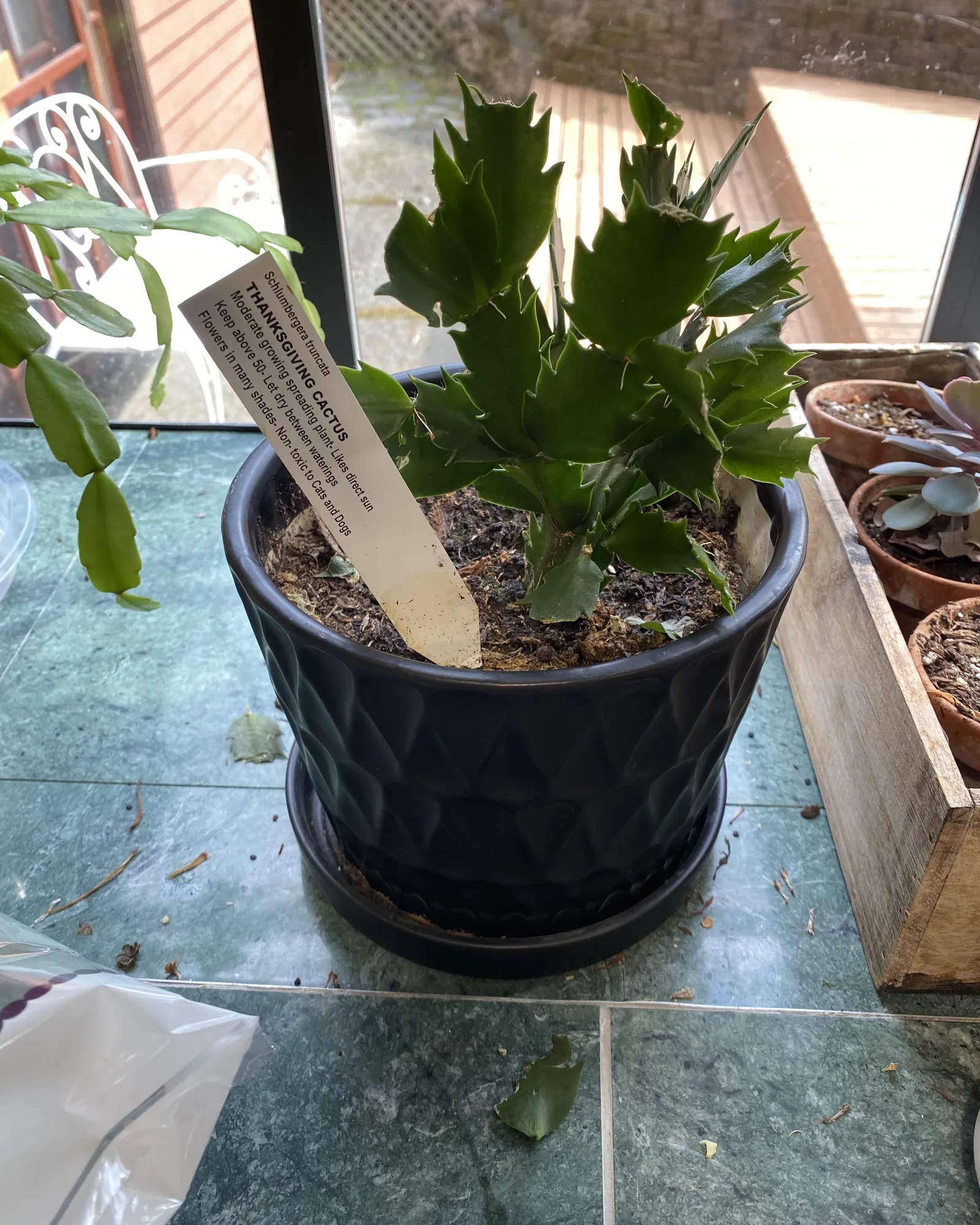
Managing a Thanksgiving cactus requires shifting your care routine throughout the year to align with its natural biological cycles. Attempting to force continuous growth year-round exhausts the plant and prevents the formation of flowers. Following a structured seasonal schedule ensures the plant receives exactly what it needs during each phase of its life cycle, balancing vegetative growth with reproductive rest.
Spring marks the awakening period. As daylight hours increase and temperatures warm, the plant exits its post-bloom dormancy. This is the time to prune away spent flowers and shape the plant by twisting off unwanted segments. Begin reintroducing dilute fertilizer every two weeks and ensure the plant receives ample bright, indirect light to fuel the production of new phylloclades. Water more frequently as the soil dries out faster in the warming air.
Summer is the peak vegetative growth window. The plant focuses entirely on expanding its size and storing energy. Continue regular watering and fertilization. If you move your Thanksgiving cactus outdoors for the summer, place it in a fully shaded area protected from direct sun and heavy rain. Bring it back indoors well before nighttime temperatures threaten to drop below 50°F, as sudden cold snaps cause severe stress and bud drop later in the year.
Autumn demands a dramatic shift in care to trigger blooming. Starting in mid-September, cease fertilization entirely. Reduce watering slightly, allowing the soil to dry out a bit more between sessions.
Most importantly, expose the plant to cool night temperatures between 55°F and 65°F and ensure it experiences uninterrupted dark periods lasting twelve to fourteen hours nightly. This combination of cool air and extended darkness signals the plant to stop growing leaves and start forming flower buds at the tips of the newest segments.
Winter is strictly for flowering and resting. Once buds appear, avoid moving the plant, changing its orientation to the light, or altering the room temperature drastically, as these actions cause the buds to abort and fall off. Water sparingly, just enough to keep the segments from shriveling. After the blooms fade in late winter, withhold fertilizer and reduce watering further, allowing the plant to rest before the spring cycle begins anew.
| Season | Primary Focus | Watering Frequency | Fertilizer Application |
|---|---|---|---|
| Spring | Pruning and new growth initiation | When top inch of soil is dry | Balanced liquid feed every 2 weeks |
| Summer | Maximum vegetative expansion | Keep soil lightly moist | Balanced liquid feed every 2 weeks |
| Autumn | Bud setting and dormancy prep | Allow soil to dry slightly more | Stop fertilizing completely by Sept |
| Winter | Flowering and resting | Water sparingly to prevent shriveling | No fertilizer applied |
Frequently Asked Questions
How big do Thanksgiving cacti eventually get?
A mature Thanksgiving cactus typically reaches a spread of two to three feet and a height of one to two feet when grown in a hanging basket. Because they’re slow growers, reaching this maximum size takes anywhere from ten to twenty years of consistent care. Their trailing, arching habit makes them appear larger than their actual root footprint suggests.
Why did my Thanksgiving cactus stop growing?
Growth naturally halts during autumn and winter when the plant redirects energy toward forming flower buds and blooming. If it stops growing during spring or summer, check for insufficient light, depleted soil nutrients, root rot from overwatering, or pest infestations like mealybugs sapping its energy. Adjusting these factors usually resumes growth.
Should I mist my Thanksgiving cactus daily?
Daily misting is generally unnecessary and can promote fungal issues if the water sits in the joints between segments. Instead, increase ambient humidity by placing the pot on a tray filled with pebbles and water, ensuring the pot sits above the waterline. A room humidifier set to fifty percent provides the most consistent benefit.
Can I use regular potting soil for faster growth?
No, standard potting soil retains too much moisture and lacks the aeration epiphytic roots require. Planting a Thanksgiving cactus in dense soil won’t speed up growth; it will likely cause root rot and kill the plant. Always use a chunky, well-draining mix containing perlite, orchid bark, and a small amount of potting soil.
How long does it take a cutting to root?
Under ideal conditions—warm temperatures, bright indirect light, and high humidity—a Thanksgiving cactus cutting typically develops a functional root system within three to six weeks. You’ll know rooting has occurred when the cutting feels anchored in the soil and begins pushing out tiny new segments at its growing tip.
Do they need to be root-bound to grow?
Thanksgiving cacti prefer being slightly snug in their pots, which encourages blooming rather than excessive vegetative growth. However, if the roots are densely packed and circling the container, the plant can’t absorb enough water or nutrients to support new segments. Repot into a container one size larger every three to four years.
Conclusion
Now that you understand the natural pace and specific needs of Schlumbergera truncata, examine your plant’s current environment. Adjust its light exposure and watering schedule today to match the seasonal guidelines provided, ensuring your Thanksgiving cactus has the perfect foundation to produce healthy new segments this spring.
{“@context”:”https://schema.org”,”@type”:”FAQPage”,”mainEntity”:[{“@type”:”Question”,”name”:”How big do Thanksgiving cacti eventually get?”,”acceptedAnswer”:{“@type”:”Answer”,”text”:”A mature Thanksgiving cactus typically reaches a spread of two to three feet and a height of one to two feet when grown in a hanging basket. Because they’re slow growers, reaching this maximum size takes anywhere from ten to twenty years of consistent care. Their trailing, arching habit makes them appear larger than their actual root footprint suggests.”}},{“@type”:”Question”,”name”:”Why did my Thanksgiving cactus stop growing?”,”acceptedAnswer”:{“@type”:”Answer”,”text”:”Growth naturally halts during autumn and winter when the plant redirects energy toward forming flower buds and blooming. If it stops growing during spring or summer, check for insufficient light, depleted soil nutrients, root rot from overwatering, or pest infestations like mealybugs sapping its energy. Adjusting these factors usually resumes growth.”}},{“@type”:”Question”,”name”:”Should I mist my Thanksgiving cactus daily?”,”acceptedAnswer”:{“@type”:”Answer”,”text”:”Daily misting is generally unnecessary and can promote fungal issues if the water sits in the joints between segments. Instead, increase ambient humidity by placing the pot on a tray filled with pebbles and water, ensuring the pot sits above the waterline. A room humidifier set to fifty percent provides the most consistent benefit.”}},{“@type”:”Question”,”name”:”Can I use regular potting soil for faster growth?”,”acceptedAnswer”:{“@type”:”Answer”,”text”:”No, standard potting soil retains too much moisture and lacks the aeration epiphytic roots require. Planting a Thanksgiving cactus in dense soil won’t speed up growth; it will likely cause root rot and kill the plant. Always use a chunky, well-draining mix containing perlite, orchid bark, and a small amount of potting soil.”}},{“@type”:”Question”,”name”:”How long does it take a cutting to root?”,”acceptedAnswer”:{“@type”:”Answer”,”text”:”Under ideal conditions—warm temperatures, bright indirect light, and high humidity—a Thanksgiving cactus cutting typically develops a functional root system within three to six weeks. You’ll know rooting has occurred when the cutting feels anchored in the soil and begins pushing out tiny new segments at its growing tip.”}},{“@type”:”Question”,”name”:”Do they need to be root-bound to grow?”,”acceptedAnswer”:{“@type”:”Answer”,”text”:”Thanksgiving cacti prefer being slightly snug in their pots, which encourages blooming rather than excessive vegetative growth. However, if the roots are densely packed and circling the container, the plant can’t absorb enough water or nutrients to support new segments. Repot into a container one size larger every three to four years.”}}]}