




Pruning lavender in October means trimming only the top third of green growth to shape the plant without cutting into old wood. This light tidy prevents winter wind damage and keeps the bush compact, but it isn’t the time for heavy renovation. You’ll remove spent flower stalks and soft tips while leaving the woody base completely untouched to protect next year’s buds.
Your exact timing depends on your first frost date and whether you grow English or French varieties. Plants in colder zones need this done earlier than those in mild climates, and tender types require different care than hardy ones. The rest of this page covers those variables so you don’t guess.
Who needs October lavender pruning
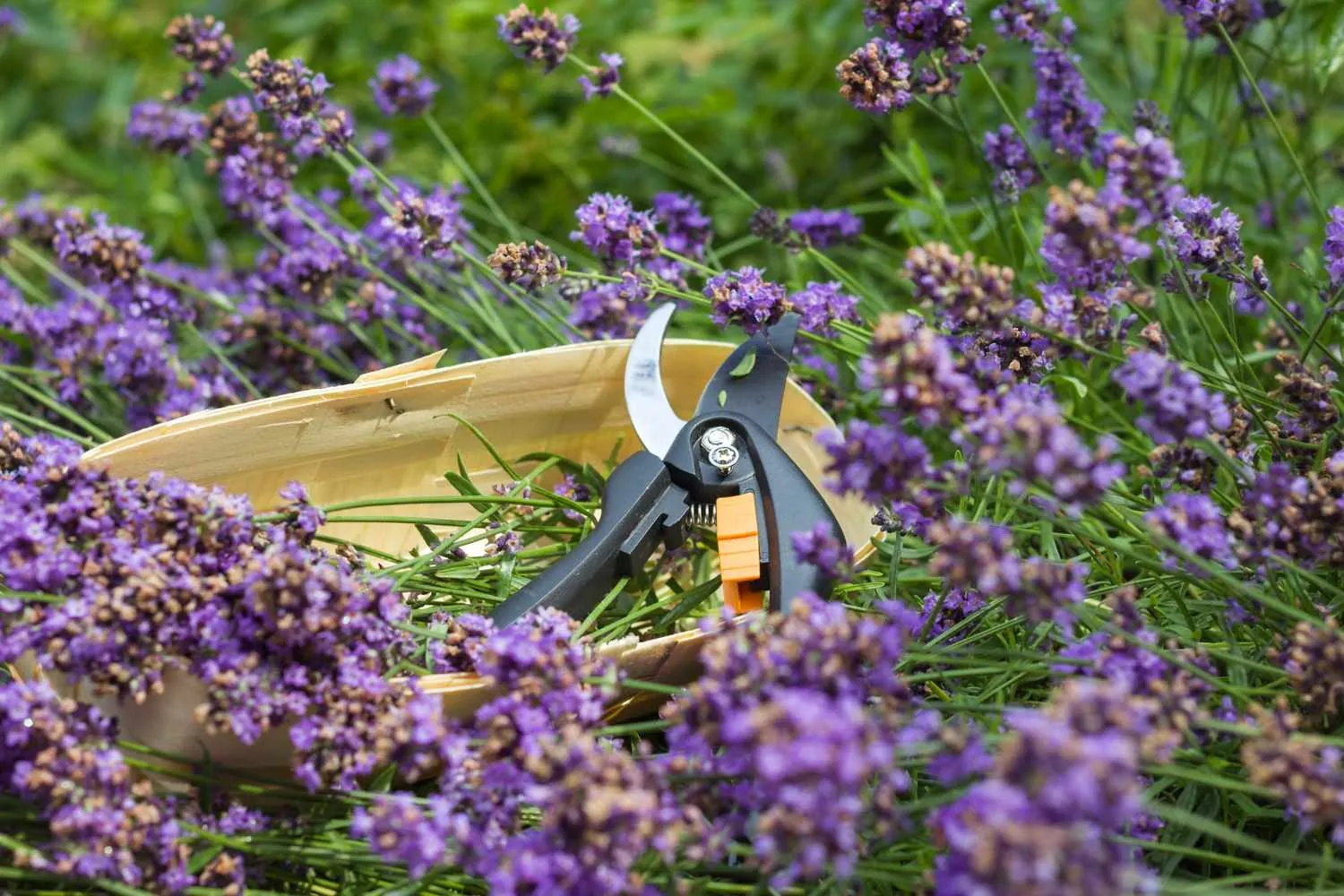
Gardeners in USDA zones 5 through 8 use this autumn trim to prevent snow load from splitting open mature bushes before spring. You already know your plant is established and healthy, but you’re worried about winter winds tearing at tall, leggy stems. This page gives you the safe depth for that specific protective shaping work.
Growers in warmer zones 9 and above often mistake October for their main pruning window because summers stay mild longer. You actually need a heavier structural cut in late summer or early spring instead, with October reserved only for deadheading. If your winters rarely freeze, skip ahead to the variations table to avoid weakening your plant before its active season.
New gardeners who just planted lavender this year shouldn’t prune in October at all. Young plants need every leaf they can keep to build roots through winter, and trimming now risks killing them. Wait until the following spring after new growth appears. This guide assumes your lavender is fully established in the ground.
Factors that change the cut
Your local first frost date decides when October pruning happens, not the calendar alone. Cut too late and fresh wounds won’t callus before freezing temperatures arrive, inviting rot. Check your area’s historical frost data from the National Weather Service or a local extension office; aim to finish trimming at least three weeks before that average date. If your region’s forecast shifts unexpectedly, adjust accordingly rather than sticking rigidly to a schedule.
The lavender species you grow determines how much green tissue you can safely remove. English lavender tolerates slightly deeper shaping than French or Spanish types, which resent any disturbance past flowering. Misidentifying your variety is the most common error here; check the plant tag or compare leaf shape against university extension guides before making cuts. When uncertain, trim less rather than more.
Plant age and current health set the absolute limit on what October allows. Mature, vigorous bushes handle moderate shaping, while stressed or recently transplanted specimens should only be deadheaded. Inspect the base for dieback or fungal signs first; if you find problems, postpone pruning entirely and address the underlying issue. A weakened plant uses stored energy to heal cuts, leaving fewer reserves for winter survival.
Microclimate exposure moves your safe window by days or even weeks. Plants in sheltered courtyards retain warmth longer than those on exposed hilltops, giving you extra time. Conversely, windy sites demand earlier completion to prevent desiccation of fresh cuts. Walk your garden and note which spots stay warmest; treat each zone individually rather than applying one date everywhere.
Shaping lavender before winter
- Inspect the entire plant for disease, pests, or dead branches before touching shears. Remove any brown, brittle stems at the base using clean bypass pruners, cutting flush to the main framework. Stop immediately if you see extensive dieback exceeding one-third of the plant; consult a local nursery specialist instead of proceeding.
- Sterilize your pruning tools with 70% isopropyl alcohol between plants to prevent spreading pathogens. Wipe blades thoroughly and let them air dry for thirty seconds before making the first cut. Dirty tools introduce fungi directly into fresh wounds during damp autumn conditions.
- Identify the lowest point of green foliage on each stem as your absolute boundary. Never cut below this line into bare brown wood, as lavender rarely regenerates from old stems. Mark this visually with your finger before snipping to avoid accidental over-pruning.
- Trim spent flower stalks back to the first pair of healthy leaves beneath the bloom. Make angled cuts just above the leaf nodes to shed water away from the stem. Leaving long stubs invites rot, while cutting too deep removes next season’s growth points.
- Shape the outer canopy by removing no more than one-third of the current year’s soft growth. Work evenly around the plant to maintain a rounded mound that sheds snow and rain. Uneven cuts create weak points where winter weather concentrates stress.
- Clear all clippings from the soil surface immediately after finishing. Debris left at the base harbors moisture and fungal spores through wet months. Compost healthy material elsewhere; discard diseased trimmings in sealed bags.
- Apply a thin mulch layer of gravel or coarse sand around the base, keeping it away from the crown. This improves drainage and reflects residual warmth without smothering roots. Avoid organic mulches like bark that retain excess moisture against the stem.
The critical judgment separating proper October maintenance from harmful over-pruning is recognizing where green growth ends. If you can’t clearly see healthy leaves below your intended cut line, don’t make that cut. It’s better to leave the plant slightly untidy than to risk killing it by exposing bare wood. Consult a certified horticulturist if your lavender shows significant decline despite careful technique; some problems exceed home remedy scope.
Pruning adjustments by situation
Different growing conditions demand specific modifications to standard October technique. What works for an established English lavender in zone 6 damages a young Spanish variety in zone 9. Match your approach to these real scenarios rather than applying generic advice.
| Situation | Action needed | Effort required | Warning sign |
|---|---|---|---|
| English lavender, zone 5-7 | Light shape, one-third green growth | 15 minutes per plant | Brown stems below cuts |
| French/Spanish types | Deadhead flowers only, no shaping | 10 minutes per plant | Leaf drop after trimming |
| Newly planted this year | No pruning, mulch base only | 5 minutes per plant | Stunted spring growth |
| Potted containers | Move indoors first, then light trim | 20 minutes total | Root rot from wet soil |
| Wind-exposed sites | Finish two weeks before frost | Same as standard | Desiccated branch tips |
| Diseased or stressed plants | Skip pruning, treat problem first | Variable recovery time | Spreading dieback |
| Overgrown neglected bushes | Wait for spring renovation prune | Heavy effort later | Bare center sections |
Always verify your lavender type before starting; misidentification causes irreversible damage. Check plant tags or compare foliage against university extension identification guides for accurate species confirmation. When in doubt, perform minimal intervention and reassess in spring.
Getting the cut right
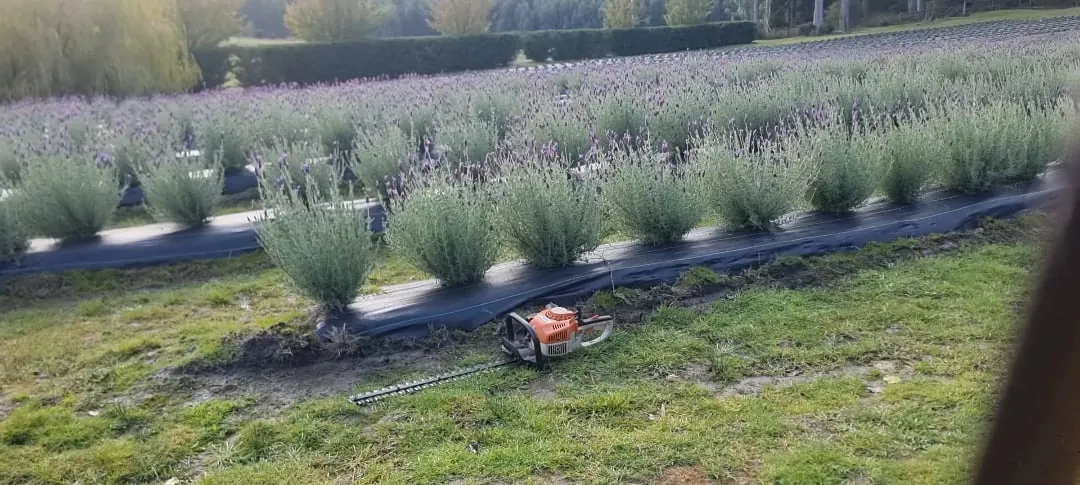
Reading the growth line correctly
Experienced pruners locate the transition zone between green and brown wood before lifting shears. They run fingers along each stem to feel where pliable growth becomes rigid, marking that boundary mentally. Beginners often cut by eye alone and miss subtle color changes hidden by dense foliage. Take thirty seconds per stem to trace this line physically; your tactile sense detects what vision overlooks in fading autumn light.
Check multiple stems across the plant rather than assuming uniformity. Sun exposure creates variation, with shaded sides retaining green lower than sun-baked ones. Adjust your cutting height individually for each branch based on its actual condition. Consistent depth matters less than respecting each stem’s unique vitality point.
Timing around weather patterns
Monitor the ten-day forecast before committing to October pruning, not just historical averages. A sudden cold snap after cutting exposes unhealed wounds to lethal temperatures. Postpone if nighttime lows are predicted within five degrees of your area’s frost threshold. Dry, mild spells offer ideal windows; damp conditions invite infection regardless of calendar date.
Work during mid-morning hours when dew has evaporated but afternoon heat hasn’t stressed the plant. Wet foliage spreads disease during cutting, while hot sun desiccates fresh wounds rapidly. Schedule your session for stable conditions rather than squeezing it between rain events. Patience here prevents months of regret come spring.
Fixing common pruning mistakes
One lead sentence introduces the diagnostic table below matching symptoms to solutions. Recognizing errors early allows correction before permanent damage sets in.
| What you notice | What it usually means | What to do first | How to stop it happening again |
|---|---|---|---|
| Brown stems below cuts | Cut into old wood | Mark green line before cutting | |
| Sparse regrowth next spring | Pruned too late or deep | Fertilize lightly in spring | Track frost dates annually |
| Center dies back completely | Neglected annual maintenance | Renovate gradually over seasons | Set recurring calendar reminder |
| Rot at base after pruning | Debris left on soil | Clear clippings immediately | Rake base after every trim |
| Leggy growth returns quickly | Insufficient light exposure | Relocate or thin surrounding plants | Assess site before planting |
| Whole plant collapses | Disease entered fresh cuts | Remove and destroy affected plant | Sterilize tools between uses |
| No flowers following year | Removed flower bud wood | Accept loss, adjust next cycle | Study bloom timing for variety |
When symptoms persist despite corrective action, consult a plant pathology lab for diagnosis. Some issues mimic pruning damage but stem from soil or pest problems requiring professional treatment. Don’t repeat failed interventions hoping for different results.
Regional timing rules
The Royal Horticultural Society recommends completing lavender pruning by late September in northern UK regions, extending to mid-October only in southern coastal areas. This guidance accounts for regional temperature variations affecting wound healing capacity. Gardeners outside these zones must consult local agricultural extensions for equivalent benchmarks tailored to their climate. Blanket dates ignore microclimates that shift safe windows significantly.
USDA Plant Hardiness Zone Maps provide the baseline framework, but elevation and proximity to water bodies modify effective zones locally. Coastal Oregon gardens operate differently than inland valleys at identical latitudes. Verify your specific location’s classification through official USDA interactive maps rather than relying on general regional descriptions. Municipal parks departments often publish localized pruning calendars reflecting observed conditions.
Cold exposure prevents callus formation and invites cellular damage. If unexpected frost threatens after pruning, cover plants with breathable fabric temporarily. Remove covers during daytime to prevent overheating and condensation buildup.
Real costs of autumn trimming
Time investment ranges from fifteen minutes for small, accessible plants to forty-five minutes for large, overgrown specimens in difficult terrain. This assumes sharp tools and clear access; dull shears or obstructed bases double labor time. Factor in setup and cleanup as part of the true cost, not just active cutting minutes. Rushing leads to mistakes that cost far more in replacement plants and lost seasons.
Tool maintenance adds hidden expense often overlooked in budgeting. Quality bypass pruners cost more initially but last decades with proper care; cheap alternatives fail mid-job and damage plants. Sharpening stones and sterilizing supplies represent ongoing costs that are inexpensive relative to replacing tools frequently. Skimping here transfers expense to plant health through ragged cuts and disease transmission.
Risk carries its own currency when October pruning goes wrong. Replacing a mature lavender specimen is expensive relative to preventive care, plus establishment time; emotional value of inherited plants defies pricing. Weigh potential savings against irreversible loss before attempting borderline cases. Professional consultation fees are inexpensive relative to the cost of catastrophic error on valuable specimens. Sometimes paying upfront prevents devastating downstream costs.
Maintaining results through winter
Record your pruning date and depth in a garden journal alongside weather observations. This data reveals patterns invisible to memory alone, informing better timing next year. Note which stems responded well versus those showing stress; individual plant records beat generic advice. Digital apps work fine, but simple notebooks survive battery failures and software updates.
Inspect pruned plants monthly through winter for emerging problems. Look for rodent damage, fungal growth, or wind displacement that wasn’t apparent immediately after cutting. Early detection allows gentle correction before spring growth resumes. Document findings to correlate with pruning decisions made months earlier.
Mulch may settle or wash away during heavy rains, exposing crowns to cold. Replenish gravel layers as needed to maintain consistent protection without piling against stems. This maintenance takes minutes but prevents crown rot that undoes careful pruning. Check drainage channels remain clear; standing water negates all previous efforts.
Resume monitoring in early spring as buds swell. Compare regrowth patterns against your autumn notes to validate technique effectiveness. Adjust future October practices based on observed outcomes rather than theory alone. Living feedback trumps textbook perfection every season.
When October pruning is wrong
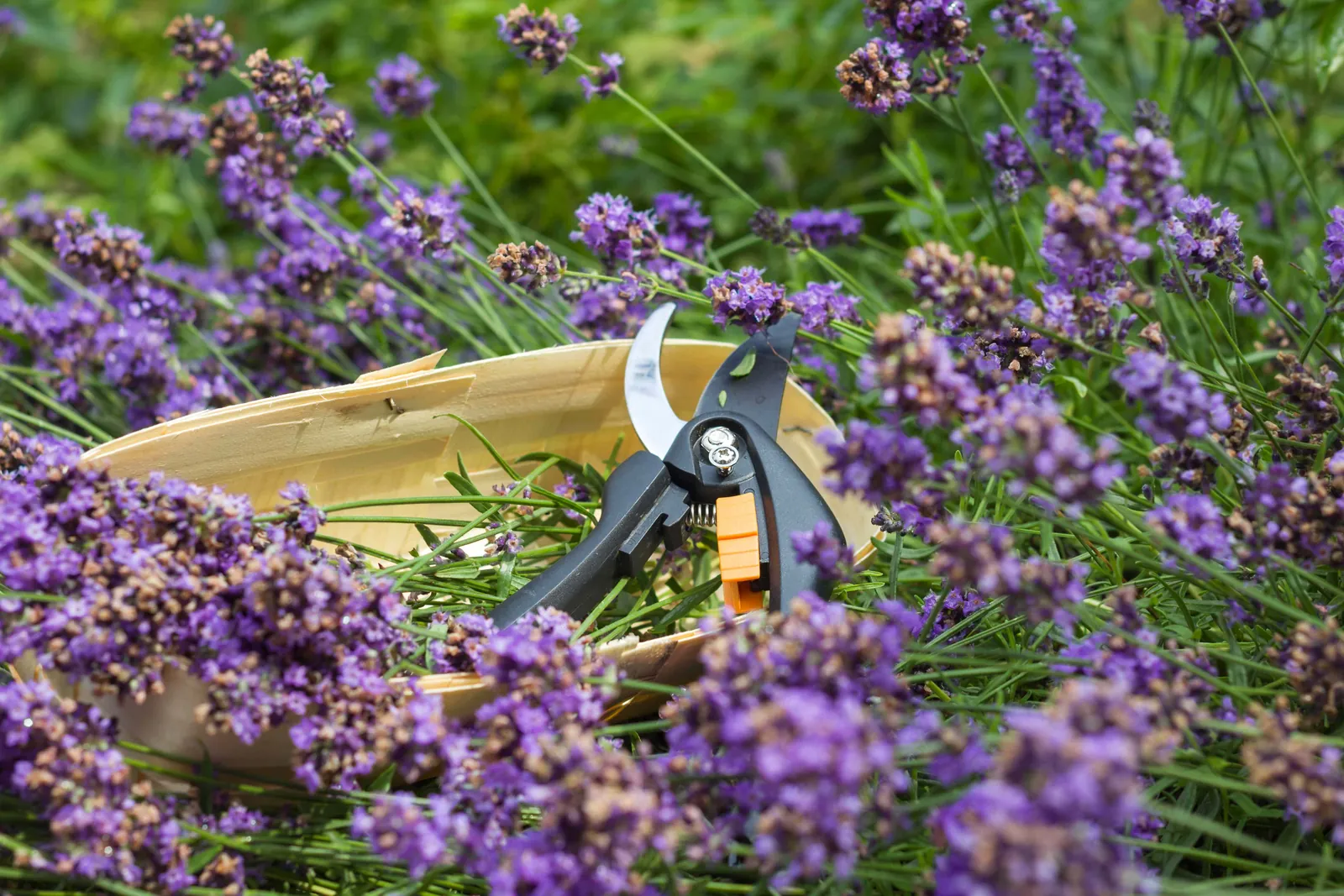
Severely overgrown lavender with bare centers needs spring renovation, not autumn tidying. Cutting back hard now exposes vulnerable wood to winter kill without sufficient recovery time. Wait until new growth emerges in spring to assess viable cutting points accurately. Autumn shaping can’t fix structural neglect accumulated over years.
Plants showing active disease symptoms should never be pruned in October. Fungal infections spread readily through fresh wounds during cool, damp conditions. Treat the underlying problem first using appropriate fungicides or cultural controls recommended by extension services. Resume pruning only after the plant stabilizes and conditions favor healing.
Tender French or Spanish lavenders in marginal zones risk death from any autumn cutting. These varieties lack cold hardiness of English types and enter dormancy differently. Provide winter protection through mulching and windbreaks instead of pruning. Reserve shaping for late spring after danger of frost passes completely. If your variety’s hardiness is uncertain, assume conservatism protects better than experimentation.
Frequently asked questions
Can I prune lavender after first frost?
No, wait until spring if frost has already occurred. Fresh cuts won’t heal properly in freezing temperatures, inviting rot and dieback. The safe window closes approximately three weeks before your area’s average first frost date. Check local extension resources for precise timing in your specific microclimate rather than guessing.
Why did my lavender turn brown after October pruning?
You likely cut into old wood or pruned too close to frost. Brown stems indicate irreversible damage to non-regenerative tissue. Future cuts must stay strictly within green growth zones marked by visible leaves. Monitor weather forecasts closely and postpone if cold snaps threaten within seventy-two hours of planned work.
How much should I cut off in October?
Remove only the top third of current season’s green growth maximum. This preserves sufficient foliage for winter photosynthesis while reducing wind resistance. Measure visually from the lowest green leaf upward, never from the plant’s base. Less is always safer than more during autumn maintenance windows.
Is it safe to prune young lavender in October?
No, first-year plants should never be pruned in autumn. They need maximum leaf area to establish roots through winter dormancy. Wait until the following spring after new growth confirms successful establishment. Premature trimming stresses immature plants beyond recovery capacity, wasting your initial investment.
What happens if I skip October pruning entirely?
Nothing catastrophic occurs; spring pruning remains fully viable. October trimming is preventative maintenance, not biological necessity. Skipping it increases winter wind damage risk on tall plants but doesn’t kill healthy specimens. Prioritize spring renewal cuts if autumn timing proves consistently difficult for your schedule or climate.
Does pot-grown lavender need October pruning?
Only if staying outdoors in protected microclimates with adequate drainage. Container plants experience amplified temperature swings and root exposure compared to ground-planted specimens. Most benefit from moving indoors before any trimming occurs. Assess your specific container setup honestly; when uncertain, relocate first and prune minimally afterward.
How long do pruning cuts take to heal?
Cooler or wetter weather extends this period indefinitely, increasing infection risk. This biological timeline dictates why October deadlines exist independent of human convenience. Plan backward from your frost date using this minimum healing requirement as your anchor point.
Starting your October lavender trim
Begin by confirming your lavender type and checking your local frost forecast today. Expect a neatly shaped mound that sheds winter precipitation without exposing bare wood when done correctly. Stop and seek professional help if you encounter extensive dieback, unclear species identification, or disease symptoms beyond basic maintenance scope.
{“@context”:”https://schema.org”,”@type”:”FAQPage”,”mainEntity”:[{“@type”:”Question”,”name”:”Can I prune lavender after first frost?”,”acceptedAnswer”:{“@type”:”Answer”,”text”:”No, wait until spring if frost has already occurred. Fresh cuts won’t heal properly in freezing temperatures, inviting rot and dieback. The safe window closes approximately three weeks before your area’s average first frost date. Check local extension resources for precise timing in your specific microclimate rather than guessing.”}},{“@type”:”Question”,”name”:”Why did my lavender turn brown after October pruning?”,”acceptedAnswer”:{“@type”:”Answer”,”text”:”You likely cut into old wood or pruned too close to frost. Brown stems indicate irreversible damage to non-regenerative tissue. Future cuts must stay strictly within green growth zones marked by visible leaves. Monitor weather forecasts closely and postpone if cold snaps threaten within seventy-two hours of planned work.”}},{“@type”:”Question”,”name”:”How much should I cut off in October?”,”acceptedAnswer”:{“@type”:”Answer”,”text”:”Remove only the top third of current season’s green growth maximum. This preserves sufficient foliage for winter photosynthesis while reducing wind resistance. Measure visually from the lowest green leaf upward, never from the plant’s base. Less is always safer than more during autumn maintenance windows.”}},{“@type”:”Question”,”name”:”Is it safe to prune young lavender in October?”,”acceptedAnswer”:{“@type”:”Answer”,”text”:”No, first-year plants should never be pruned in autumn. They need maximum leaf area to establish roots through winter dormancy. Wait until the following spring after new growth confirms successful establishment. Premature trimming stresses immature plants beyond recovery capacity, wasting your initial investment.”}},{“@type”:”Question”,”name”:”What happens if I skip October pruning entirely?”,”acceptedAnswer”:{“@type”:”Answer”,”text”:”Nothing catastrophic occurs; spring pruning remains fully viable. October trimming is preventative maintenance, not biological necessity. Skipping it increases winter wind damage risk on tall plants but doesn’t kill healthy specimens. Prioritize spring renewal cuts if autumn timing proves consistently difficult for your schedule or climate.”}},{“@type”:”Question”,”name”:”Does pot-grown lavender need October pruning?”,”acceptedAnswer”:{“@type”:”Answer”,”text”:”Only if staying outdoors in protected microclimates with adequate drainage. Container plants experience amplified temperature swings and root exposure compared to ground-planted specimens. Most benefit from moving indoors before any trimming occurs. Assess your specific container setup honestly; when uncertain, relocate first and prune minimally afterward.”}},{“@type”:”Question”,”name”:”How long do pruning cuts take to heal?”,”acceptedAnswer”:{“@type”:”Answer”,”text”:”Cooler or wetter weather extends this period indefinitely, increasing infection risk. This biological timeline dictates why October deadlines exist independent of human convenience. Plan backward from your frost date using this minimum healing requirement as your anchor point.”}}]}