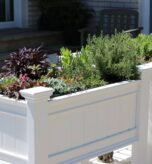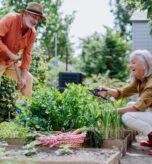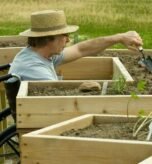




Digging, planting, weeding, watering, and harvesting give older adults movement, strength, and time outdoors. The health benefits of gardening for seniors come from this mix of low-impact exercise, sunlight exposure, and focused attention that lowers stress. You don’t need a large yard or perfect mobility to take part in it.
Types of gardening for older adults : Health Benefits of Gardening for Seniors
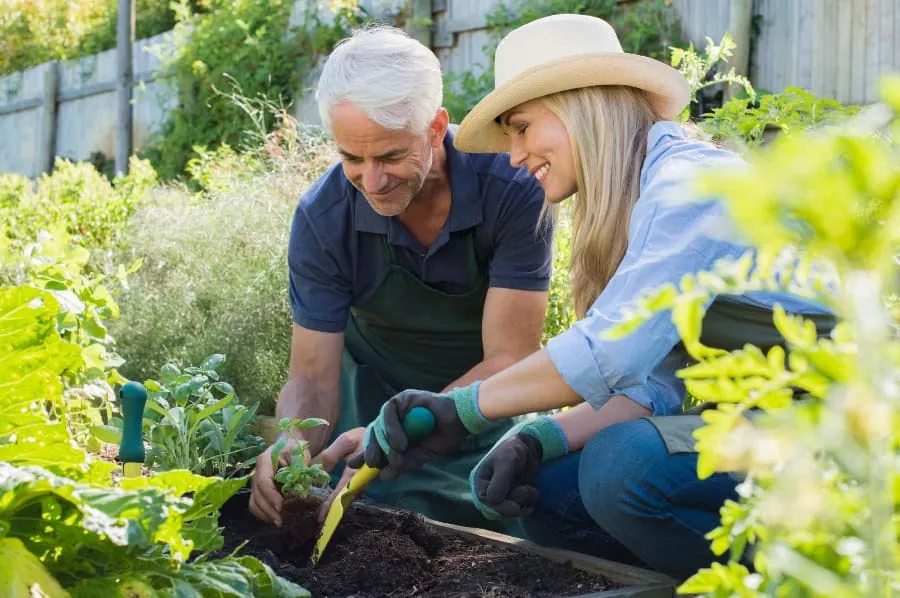
These five approaches cover the ways older adults actually garden, depending on what their bodies and spaces allow. Each one targets a different physical need or living situation.
| Type | Best for | Real example |
|---|---|---|
| In-ground beds | Full-body movement | Digging a backyard vegetable row |
| Raised beds | Less back bending | Planting herbs in wooden frames |
| Container gardens | Small spaces or balconies | Growing tomatoes in plastic pots |
| Vertical gardens | Limited floor space | Hanging strawberries on a wall |
| Indoor houseplants | Year-round activity | Watering pothos on a windowsill |
You’ll find your fit by looking at how much you can bend, lift, and reach right now. If your knees hurt when you crouch, skip the ground beds. If you live in an apartment, containers or indoor plants are your starting point.
Build raised beds between twenty-four and thirty inches high so you can work from a chair. Anything taller dries out faster because more surface area faces the wind.
Container soil compacts within a single season, which chokes roots before summer ends. Mix in fresh perlite every spring to keep water moving through the pot.
Vertical systems hold wet soil against exterior walls constantly. Leave a two-inch air gap behind any hanging pocket planter to prevent rot from spreading into your siding.
In-ground garden beds
In-ground beds mean working directly in the earth at ground level, using shovels, rakes, and your own body weight. This suits older adults who still have good balance, flexible knees, and the strength to stand up from a squatting position. It isn’t for someone whose doctor has told them to avoid bending or heavy lifting.
Working the soil directly builds grip strength because you’re pulling weeds, turning dirt, and holding tools for longer stretches. It also improves balance since you shift your weight constantly while moving down a row. The wider range of motion keeps shoulders and hips from stiffening up during the week.
- Builds hand and forearm strength through gripping tools and pulling roots.
- Improves balance by requiring constant shifts between standing, kneeling, and squatting.
- Increases calorie burn compared to seated gardening, typically around 200 to 300 calories per hour for a 150-pound person doing moderate digging.
- Keeps hip and shoulder joints moving through their full natural range.
The trade-off here is clear: you get the highest physical return, but you also take the highest risk of joint pain or a fall if your footing slips in wet mud. If your knees ache after ten minutes of kneeling, switch to raised beds; if you can kneel and rise without holding onto anything, stay with the ground.
A practical setup is a four-by-eight-foot vegetable bed planted with zucchini and bush beans, where you spend thirty minutes every other morning pulling weeds and checking leaves, stopping before your lower back starts to tighten. Check your heart rate before you start and again after you finish; if it takes significantly longer than usual to return to normal after you sit down, you may have pushed past your current limit.
Raised garden beds
Raised beds lift the soil anywhere from twelve to thirty-six inches off the ground, removing the need to kneel or bend deeply. They suit older adults who want to grow food or flowers but have stiff backs, knee replacements, or trouble getting up from the ground. This method does what in-ground beds cannot: it lets you work while standing upright or sitting on a stool.
By changing the height, you change the entire physical demand of the task. You won’t burn as many calories as you would digging in the dirt, but you’ll garden for twice as long because your back doesn’t give out first. That extra time outdoors is where the mental benefits compound.
- Protects the lower back by keeping the spine in a neutral, upright position.
- Allows wheelchair users or those with walkers to roll right up to the edge.
- Reduces the risk of falls since you aren’t stepping over uneven ground or kneeling in mud.
- Makes soil management easier because you control exactly what goes into the frame.
The catch is the height of the bed itself: a standard twenty-four-inch frame fits a person standing or sitting on a tall stool, but if you use a wheelchair, you need a specific table-height design with open space underneath, which costs more to build. Spending the extra money on a higher bed buys you years of access you’d otherwise lose.
A common error is building the bed too wide. If it’s more than four feet across, you can’t reach the center without leaning dangerously far over the edge, which strains the lower back and risks tipping you forward. Keep it three to four feet wide so your arms reach the middle comfortably from either side.
Picture a two-foot-high cedar frame filled with loose potting mix, where you plant lettuce and radishes. You stand beside it for forty-five minutes, thinning the seedlings without once touching your knees to the dirt. According to the CDC’s physical activity guidelines, this kind of moderate activity counts toward the weekly movement goal for older adults.
Container gardening
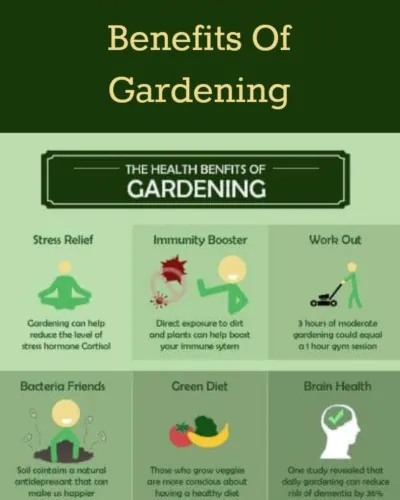
Container gardening means growing plants in individual pots, buckets, or window boxes rather than in the ground or a large shared frame. It fits older adults who live in apartments, have very limited outdoor space, or need to move their plants to follow the sun or escape the wind.
This approach trades the heavy cardiovascular workout of digging for fine motor control and flexibility. You won’t build leg strength here, but you’ll keep your fingers, wrists, and hands active. For someone dealing with arthritis, the lighter pots and smaller tools offer a way to stay busy without triggering a flare-up.
- Keeps finger and wrist joints moving through pinching, pruning, and pouring.
- Lets you move plants easily to avoid extreme heat or sudden frost.
- Requires less water and soil, making the daily routine shorter and lighter.
- Eliminates the need for heavy shovels or large bags of topsoil.
If you struggle to carry a gallon jug of milk across the kitchen, don’t buy pots larger than twelve inches across; if you can lift that easily, a sixteen-inch pot gives roots enough room for tomatoes or peppers. A dry ten-gallon container is inexpensive relative to the alternative, which is too heavy for most people to drag safely. Fill the bottom third with empty, sealed plastic bottles before adding soil to reduce the overall weight without hurting the drainage.
Set five terracotta pots, each ten inches wide, on a sunny balcony railing. Fill them with basil, mint, and cherry tomatoes. You’ll spend fifteen minutes each morning checking the soil moisture with your index finger and watering only the ones that feel dry an inch down.
Vertical and indoor gardening
Vertical gardens stack plants upward on walls, trellises, or hanging systems, while indoor gardening moves the whole process inside the house. These suit older adults who can’t safely navigate stairs to a yard, who live through harsh winters, or who face severe balance issues that make outdoor walking risky.
The primary difference here is the environment. Indoors, you don’t get the vitamin D from direct sunlight, but you also don’t face tripping hazards like hoses, uneven grass, or sudden rain. Vertical setups require reaching overhead, which works the shoulders but demands stable footing.
- Maintains daily routine and purpose when weather keeps you indoors.
- Uses wall space instead of floor space, keeping walkways clear for canes or walkers.
- Provides year-round greenery, which lowers stress levels regardless of the season outside.
- Reduces exposure to ticks, mosquitoes, and extreme temperatures.
The limit you’ll hit fast is light. A north-facing window rarely gives enough sun for fruiting plants like peppers, so you must stick to leafy greens or add a grow light that runs twelve hours a day. Don’t hang heavy pots above head height where dropping one could cause a serious injury. If you need a step stool to reach your plants, the setup is too high for safe daily use. Keep the heaviest pots below your chest.
Hang a canvas pocket planter on a bright living room wall. Plant ferns and pothos in the pockets. You’ll mist them with a small spray bottle every two days, practicing your grip and shoulder reach without ever stepping outside.
Other gardening options for seniors
- Hydroponic countertop kits grow herbs in water under built-in LED lights, requiring no soil or heavy lifting. They suit older adults with severe arthritis who just want fresh basil or mint without carrying pots or dealing with dirt.
- Community garden plots offer a shared outdoor space where neighbors help with heavy tasks like tilling or hauling compost. They fit seniors who want social contact alongside their physical activity but can’t manage a whole yard alone.
- Therapeutic horticulture programs run structured sessions led by trained professionals in hospitals or care facilities. They serve older adults recovering from strokes or managing dementia, where unsupervised gardening carries safety risks.
- Bonsai cultivation focuses entirely on precise pruning, wiring, and shaping small trees using fine tools. It fits those who need seated, highly detailed hand work rather than broad physical exercise.
- Sensory gardens plant textured leaves, fragrant herbs, and brightly colored flowers specifically designed to stimulate touch and smell. They support seniors experiencing vision loss or cognitive decline who benefit from non-visual cues.
Choosing the right type of garden
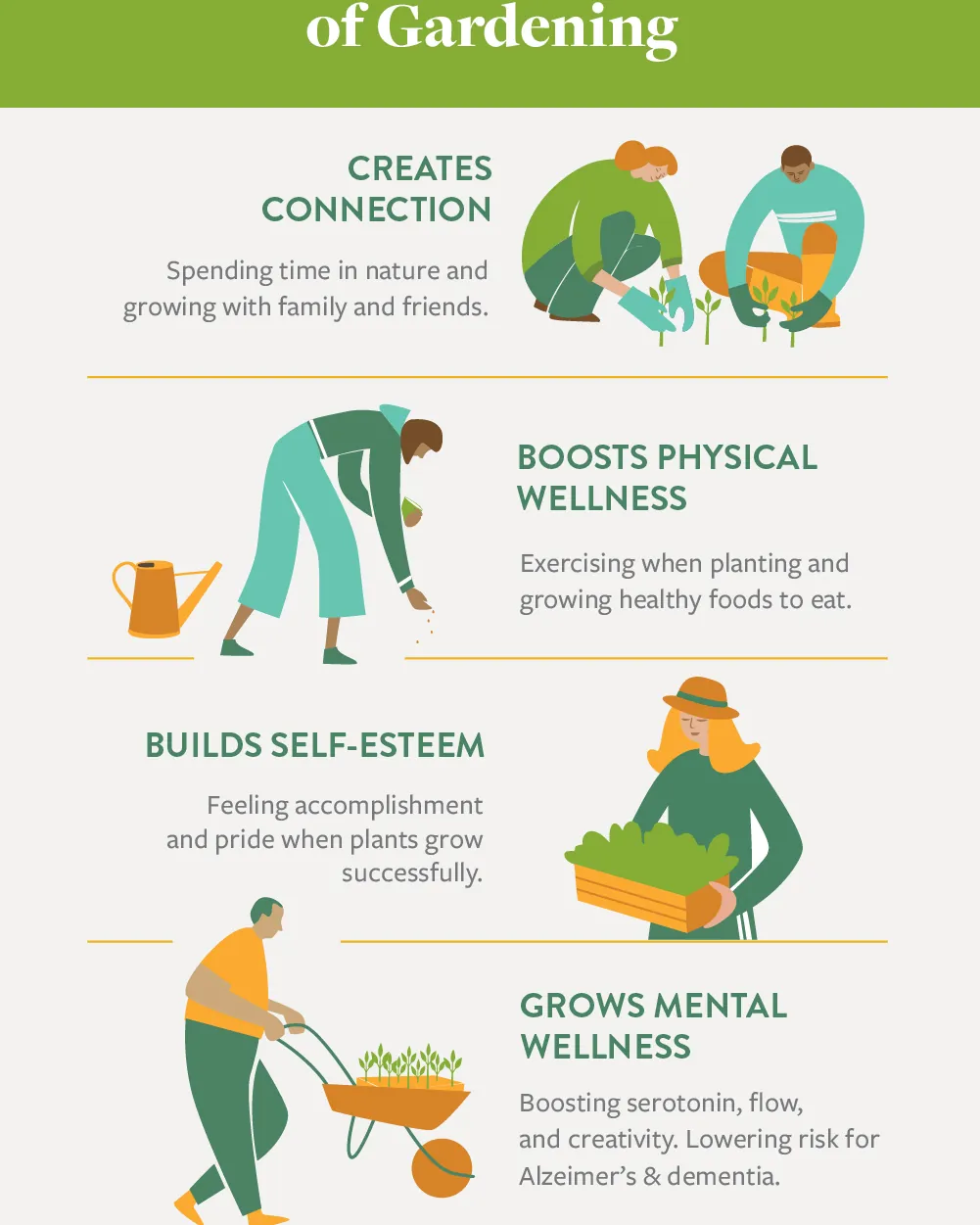
Your current mobility decides which garden you should build. If you can kneel on the grass and stand back up without holding a wall, in-ground beds give you the strongest physical workout. If your knees click or your back tightens when you bend, skip the ground entirely and build raised beds at waist height. If you use a walker or a wheelchair, you need raised beds with open clearance underneath or containers placed on sturdy tables.
The space you have is the second deciding factor. A fenced backyard handles in-ground rows or raised frames. A concrete patio limits you to containers. An apartment with just a windowsill points straight to indoor houseplants or a small hydroponic kit. Don’t buy seeds for a crop that needs six feet of spread if your balcony is only three feet wide.
How much time you want to spend matters just as much. If you only have fifteen minutes a day, containers or indoor plants fit that window. If you want a two-hour morning project, in-ground or raised beds give you enough weeding, watering, and harvesting to fill it.
Here is a simple rule to follow. If your main goal is burning calories and building leg strength, choose in-ground beds. If your main goal is protecting your joints while staying active, choose raised beds or containers. If your main goal is maintaining a daily habit when you can’t go outside, choose indoor plants.
You can combine these methods, but picking one means leaving the heavy demands of another behind. You won’t get the intense cardio of digging a trench while sitting at a table planting succulents. Start with the method that matches your weakest joint or your smallest space. Once that feels easy for two weeks, add a second type. Rushing into a massive in-ground plot when you haven’t gardened in five years usually ends with a sore back and an abandoned yard.
Frequently asked questions
How long should seniors garden each day?
Thirty to forty-five minutes is the safe range for moderate tasks like weeding or planting, assuming you take a five-minute seated break every fifteen minutes. If you’re doing heavier digging, stop at twenty minutes. Your breathing should stay even enough to hold a conversation the whole time. If you find yourself gasping or unable to speak in full sentences, you’ve gone past your current limit and need to rest immediately.
Can gardening lower blood pressure in older adults?
Yes, the moderate aerobic effort of gardening helps lower resting blood pressure over time. Tasks like raking, digging, and carrying watering cans act like a brisk walk. The American Heart Association recognizes gardening as a valid form of moderate-intensity exercise. However, it doesn’t replace prescribed medication. If your blood pressure is uncontrolled, check with your doctor before starting heavy yard work.
Why does gardening improve mood and reduce stress?
Gardening lowers cortisol, the hormone your body releases during stress. Being outdoors in sunlight triggers serotonin production, which stabilizes mood. The repetitive motions of weeding or watering also create a focusing effect similar to meditation. You aren’t worrying about bills while carefully spacing carrot seeds. This combination of light exercise, sunlight, and focused attention is why the activity consistently reduces anxiety symptoms.
Is it safe to garden with arthritis in the hands?
It’s safe if you change your tools and your tasks. Use pruners with ratcheting gears that require less squeeze force, and wrap tool handles in thick foam to widen your grip. Avoid pulling stubborn deep-rooted weeds that force you to clench hard. Instead, focus on planting seedlings, light watering, and surface weeding. If your knuckles swell or throb after ten minutes, stop and switch to an indoor task.
What happens if a senior gardens in extreme heat?
Heat exhaustion is the immediate risk. Older adults sweat less efficiently and feel thirst later than younger people. If the temperature passes 85°F, garden only before 9 AM or after 6 PM. Drink a full glass of water before you step outside, and another every twenty minutes while working. If you feel dizzy, nauseous, or stop sweating entirely, get indoors immediately and cool down.
Does gardening count as exercise for older adults?
It counts as moderate-intensity aerobic exercise when you’re actively moving—digging, raking, hoeing, or pushing a wheelbarrow. Light tasks like pruning dead leaves while seated count as gentle movement but won’t raise your heart rate enough to meet weekly aerobic guidelines. To get the full cardiovascular benefit, alternate between heavy and light tasks throughout your session.
How often should seniors water their garden?
Watering frequency depends entirely on your soil type, pot size, and local weather. A clay in-ground bed might need water twice a week, while a small terracotta pot on a hot balcony dries out every single day. Don’t follow a calendar. Push your index finger one inch into the soil. If it feels dry at that depth, water it. If it feels damp, wait until tomorrow.
Do raised beds really prevent back pain?
They prevent the deep bending and twisting that trigger lower back pain. By bringing the soil up to waist or chest height, your spine stays in a neutral, supported position. However, if you build the bed too wide and lean far over the edge to reach the center, you recreate the exact same spinal strain. Keep the width under four feet so everything is within arm’s reach.
Starting your garden safely today
Pick one method from the list above that matches your current mobility and your available space. Buy only the soil, seeds, and tools needed for that single setup. Keep your first project under four square feet or three pots.
A common mistake is buying a full set of hand tools before testing your grip on just one. Start with a single trowel that has a thick, cushioned handle to reduce strain on finger joints.
Within the first week, you should notice that your hands feel looser in the morning. Your sleep comes slightly faster at night. Those are the early signs that the physical routine and outdoor light are working.
If you experience sharp joint pain, dizziness, or shortness of breath, stop immediately. If it doesn’t fade after five minutes of sitting down, call your doctor. Gardening should leave you pleasantly tired, never injured or breathless.
Work in the morning when temperatures are cooler and your energy is highest. Avoid midday heat, which raises dehydration risk and turns light effort into exhaustion.
{“@context”:”https://schema.org”,”@type”:”FAQPage”,”mainEntity”:[{“@type”:”Question”,”name”:”How long should seniors garden each day?”,”acceptedAnswer”:{“@type”:”Answer”,”text”:”Thirty to forty-five minutes is the safe range for moderate tasks like weeding or planting, assuming you take a five-minute seated break every fifteen minutes. If you’re doing heavier digging, stop at twenty minutes. Your breathing should stay even enough to hold a conversation the whole time. If you find yourself gasping or unable to speak in full sentences, you’ve gone past your current limit and need to rest immediately.”}},{“@type”:”Question”,”name”:”Can gardening lower blood pressure in older adults?”,”acceptedAnswer”:{“@type”:”Answer”,”text”:”Yes, the moderate aerobic effort of gardening helps lower resting blood pressure over time. Tasks like raking, digging, and carrying watering cans act like a brisk walk. The American Heart Association recognizes gardening as a valid form of moderate-intensity exercise. However, it doesn’t replace prescribed medication. If your blood pressure is uncontrolled, check with your doctor before starting heavy yard work.”}},{“@type”:”Question”,”name”:”Why does gardening improve mood and reduce stress?”,”acceptedAnswer”:{“@type”:”Answer”,”text”:”Gardening lowers cortisol, the hormone your body releases during stress. Being outdoors in sunlight triggers serotonin production, which stabilizes mood. The repetitive motions of weeding or watering also create a focusing effect similar to meditation. You aren’t worrying about bills while carefully spacing carrot seeds. This combination of light exercise, sunlight, and focused attention is why the activity consistently reduces anxiety symptoms.”}},{“@type”:”Question”,”name”:”Is it safe to garden with arthritis in the hands?”,”acceptedAnswer”:{“@type”:”Answer”,”text”:”It’s safe if you change your tools and your tasks. Use pruners with ratcheting gears that require less squeeze force, and wrap tool handles in thick foam to widen your grip. Avoid pulling stubborn deep-rooted weeds that force you to clench hard. Instead, focus on planting seedlings, light watering, and surface weeding. If your knuckles swell or throb after ten minutes, stop and switch to an indoor task.”}},{“@type”:”Question”,”name”:”What happens if a senior gardens in extreme heat?”,”acceptedAnswer”:{“@type”:”Answer”,”text”:”Heat exhaustion is the immediate risk. Older adults sweat less efficiently and feel thirst later than younger people. If the temperature passes 85°F, garden only before 9 AM or after 6 PM. Drink a full glass of water before you step outside, and another every twenty minutes while working. If you feel dizzy, nauseous, or stop sweating entirely, get indoors immediately and cool down.”}},{“@type”:”Question”,”name”:”Does gardening count as exercise for older adults?”,”acceptedAnswer”:{“@type”:”Answer”,”text”:”It counts as moderate-intensity aerobic exercise when you’re actively moving—digging, raking, hoeing, or pushing a wheelbarrow. Light tasks like pruning dead leaves while seated count as gentle movement but won’t raise your heart rate enough to meet weekly aerobic guidelines. To get the full cardiovascular benefit, alternate between heavy and light tasks throughout your session.”}},{“@type”:”Question”,”name”:”How often should seniors water their garden?”,”acceptedAnswer”:{“@type”:”Answer”,”text”:”Watering frequency depends entirely on your soil type, pot size, and local weather. A clay in-ground bed might need water twice a week, while a small terracotta pot on a hot balcony dries out every single day. Don’t follow a calendar. Push your index finger one inch into the soil. If it feels dry at that depth, water it. If it feels damp, wait until tomorrow.”}},{“@type”:”Question”,”name”:”Do raised beds really prevent back pain?”,”acceptedAnswer”:{“@type”:”Answer”,”text”:”They prevent the deep bending and twisting that trigger lower back pain. By bringing the soil up to waist or chest height, your spine stays in a neutral, supported position. However, if you build the bed too wide and lean far over the edge to reach the center, you recreate the exact same spinal strain. Keep the width under four feet so everything is within arm’s reach.”}}]}