Raised Bed Gardening Benefits: Why More Home Gardeners Are Making the Switch
Discover the real benefits of raised bed gardening, from better soil and drainage to easier maintenance. Learn if raised beds are worth it for home gardeners.
GARDENING TOOLS
2/5/20268 min read
Introduction: Why Raised Bed Gardening Keeps Growing in Popularity
If you’ve spent any time gardening in poor soil, fighting weeds, or struggling with back pain, you’ve probably wondered whether raised beds are worth the effort. Over the last decade, raised bed gardening has gone from a niche technique to one of the most popular ways Americans grow vegetables at home—and it’s not just a trend.
Raised beds solve many of the most common gardening problems in a practical, long-term way. They offer better soil control, improved drainage, easier maintenance, and higher yields for many gardeners. Whether you’re a beginner planting your first tomatoes or an experienced gardener looking to simplify your setup, raised beds offer real advantages.
This guide explains the true benefits of raised bed gardening, who benefits the most, potential downsides, and how to decide if raised beds are right for your garden.
What Is Raised Bed Gardening?
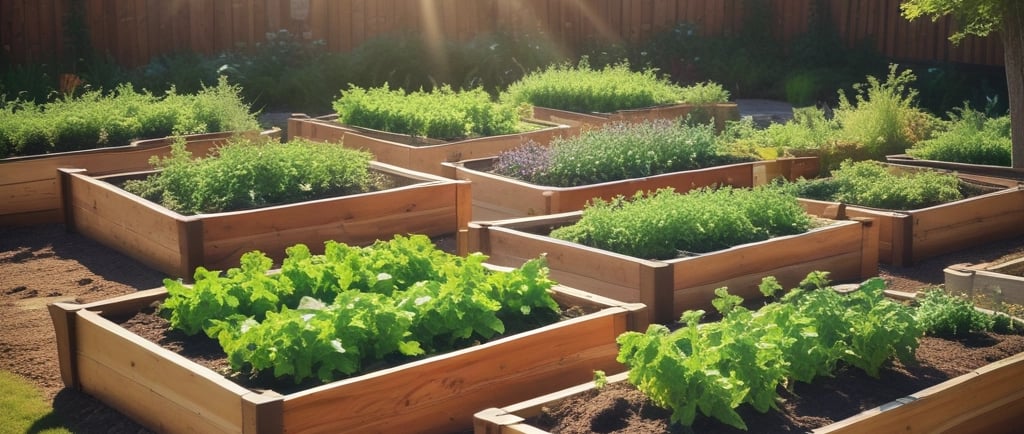
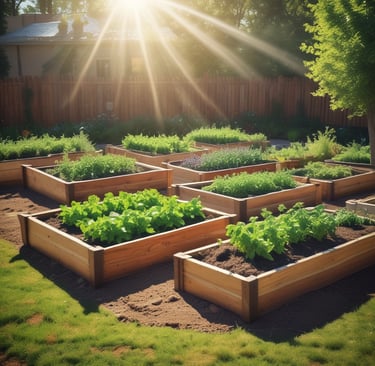
Raised bed gardening involves growing plants in soil that sits above ground level, usually contained within a frame made of wood, metal, composite, stone, or brick. The bed can rest directly on the ground or be elevated on legs.
Unlike traditional in-ground gardening, raised beds allow you to control the soil environment completely—texture, nutrients, drainage, and even depth. This control is the foundation of most raised bed gardening benefits.
1. Better Soil Quality (The Biggest Advantage)
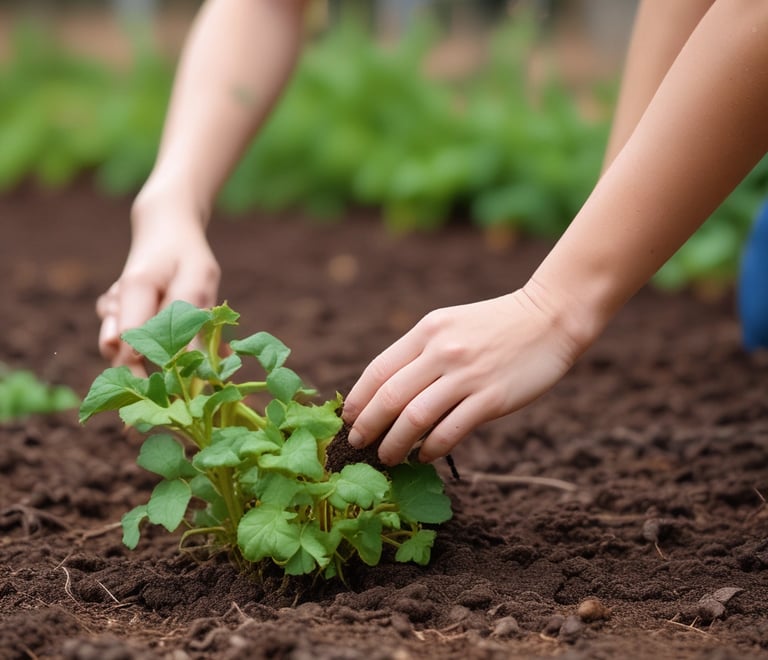
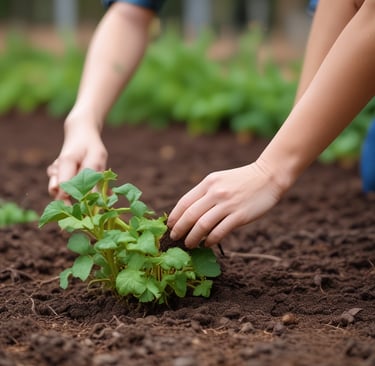
One of the strongest advantages of raised bed gardening is soil control. Instead of working with whatever soil you have—clay, sand, compacted dirt—you start fresh.
Why this matters:
Roots grow faster in loose soil
Nutrients are more available
Fewer drainage problems
Less compaction over time
You can build a soil mix specifically designed for vegetables, herbs, or flowers. Many gardeners use a blend of compost, topsoil, and organic matter to create rich, living soil from day one.
Helpful products:
Organic raised bed soil mixes
Compost and worm castings
Soil conditioners like coconut coir
This alone often leads to healthier plants and higher yields.
2. Improved Drainage and Root Health
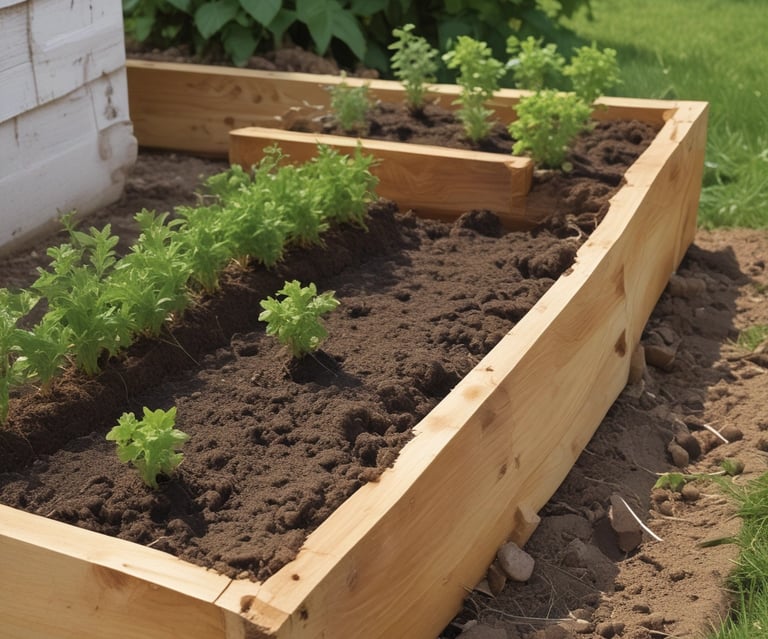
Poor drainage is a common reason plants fail, especially in heavy clay soil. Raised beds naturally drain excess water more efficiently because gravity pulls water downward and away from roots.
Benefits of improved drainage:
Reduced root rot
Fewer fungal diseases
Healthier root systems
Faster soil warming in spring
For gardeners in rainy regions or areas with compacted soil, raised beds can dramatically improve plant survival.
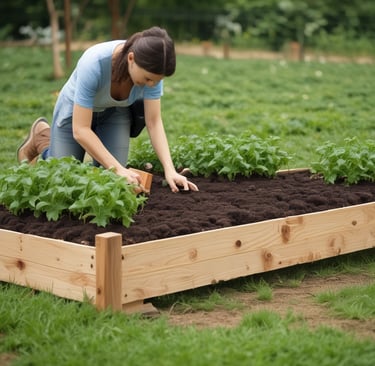
3. Easier Gardening on Your Body
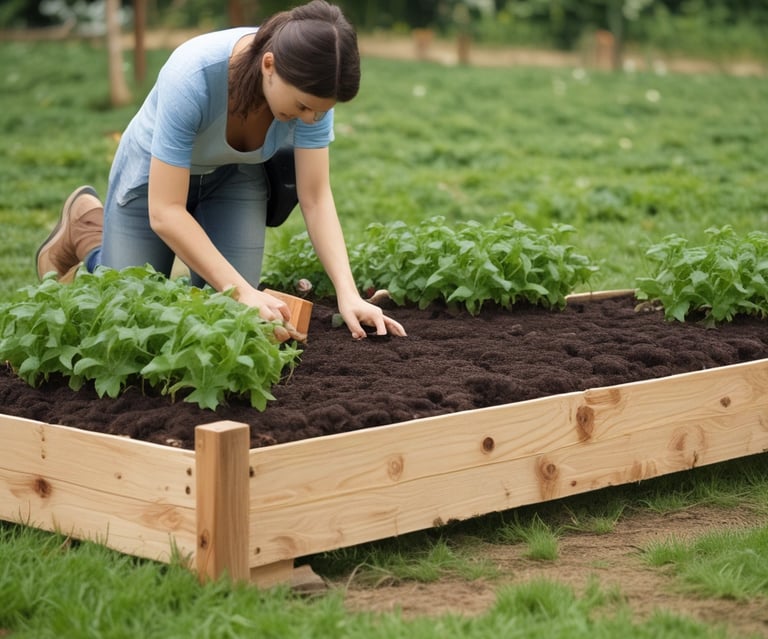
One benefit often overlooked until people experience it: raised beds are simply easier on your body.
Raised bed gardening reduces:
Bending
Kneeling
Back strain
Joint stress
This makes raised bed gardening especially valuable for:
Seniors
Gardeners with arthritis
Anyone with back or knee pain
Taller beds (18–30 inches) can be worked while standing or sitting, turning gardening into something enjoyable instead of physically exhausting.
Comfort-focused tools:
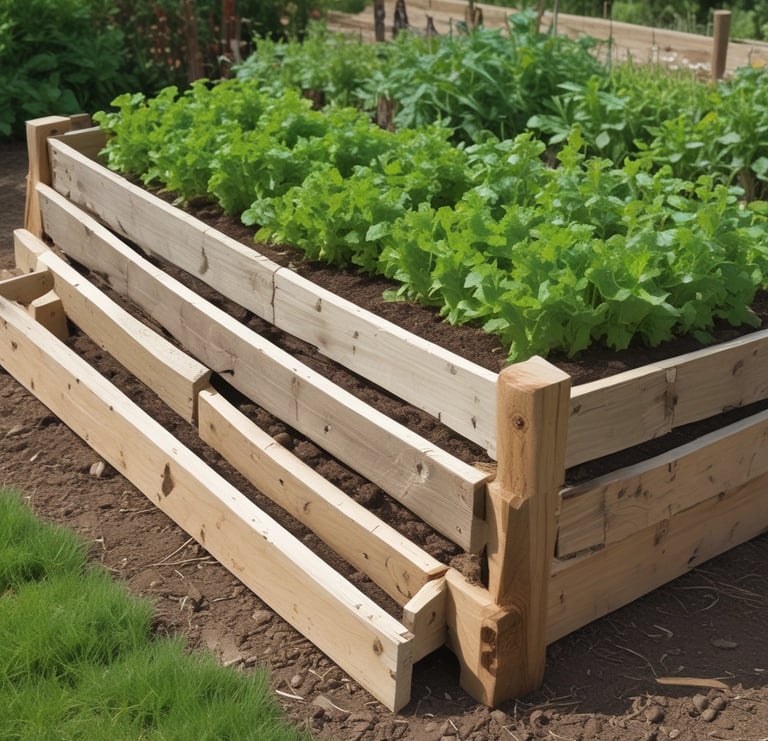
4. Fewer Weeds, Less Frustration
Weeds are one of the most discouraging parts of gardening. Raised beds help reduce weeds in several ways:
Fresh soil contains fewer weed seeds
Defined edges prevent grass invasion
Mulch stays in place more easily
Weeds are easier to spot and remove
While raised beds don’t eliminate weeds entirely, they make them far more manageable, especially for beginners.
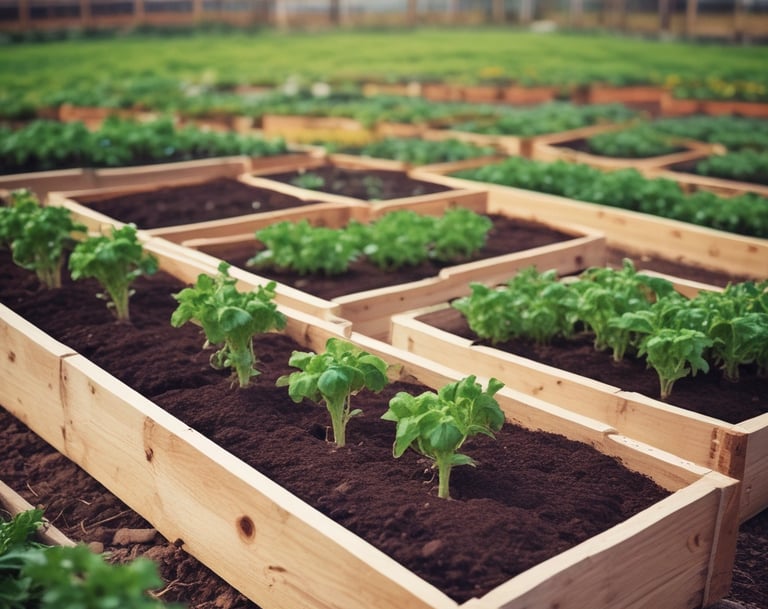
5. Earlier Planting and Longer Growing Season
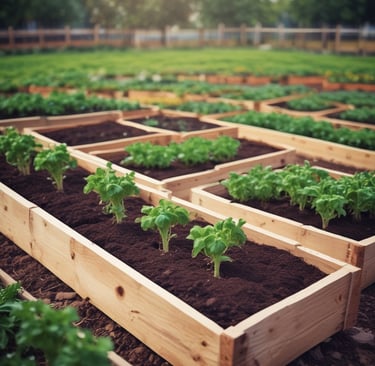
Raised beds warm up faster than ground soil in spring. This allows gardeners to plant earlier and get a jump on the season.
In fall, raised beds are easier to protect with:
Row covers
Cold frames
Frost blankets
This extended season is especially useful in cooler climates or areas with short summers.
6. Better Water Efficiency
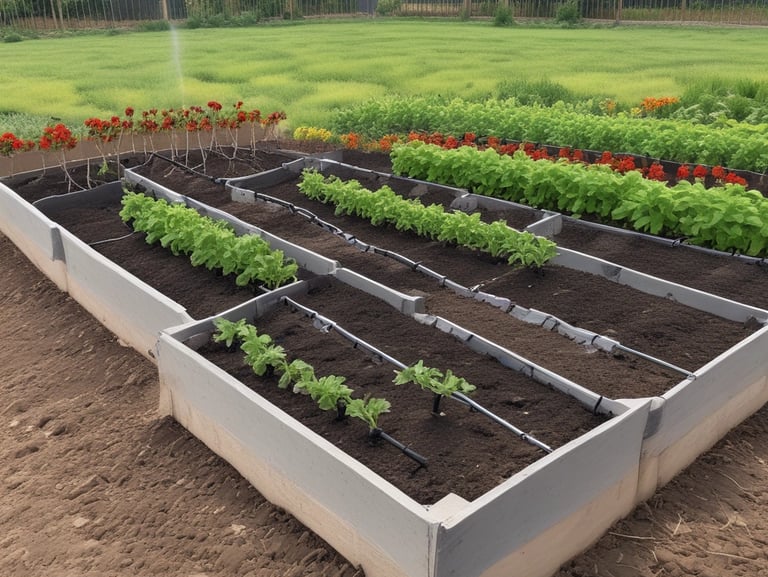
Raised beds allow for targeted watering directly at the root zone. When paired with drip irrigation or soaker hoses, water is used more efficiently with less waste.
Benefits include:
Reduced runoff
Less evaporation
Lower water bills
Healthier plants
Useful tools:
This makes raised beds an excellent option in areas with water restrictions or hot summers.
7. Ideal for Small Spaces and Urban Gardens
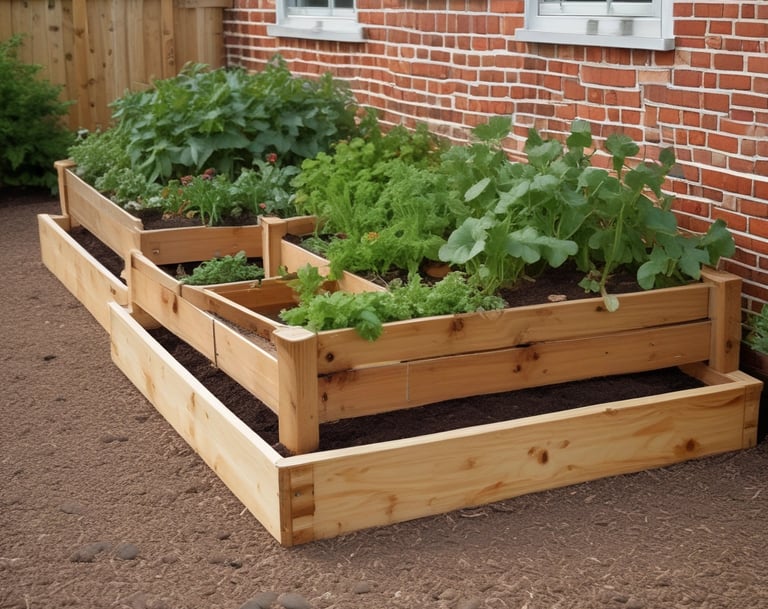
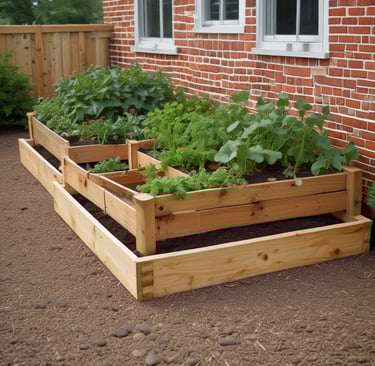
One reason raised bed gardening has grown so popular is flexibility. Raised beds can be installed in places traditional gardens can’t:
Patios
Driveways
Rooftops
Small yards
Rental properties
Modular raised bed kits allow gardeners to start small and expand over time. This makes raised bed gardening perfect for urban and suburban homes.
8. Easier Pest and Disease Management
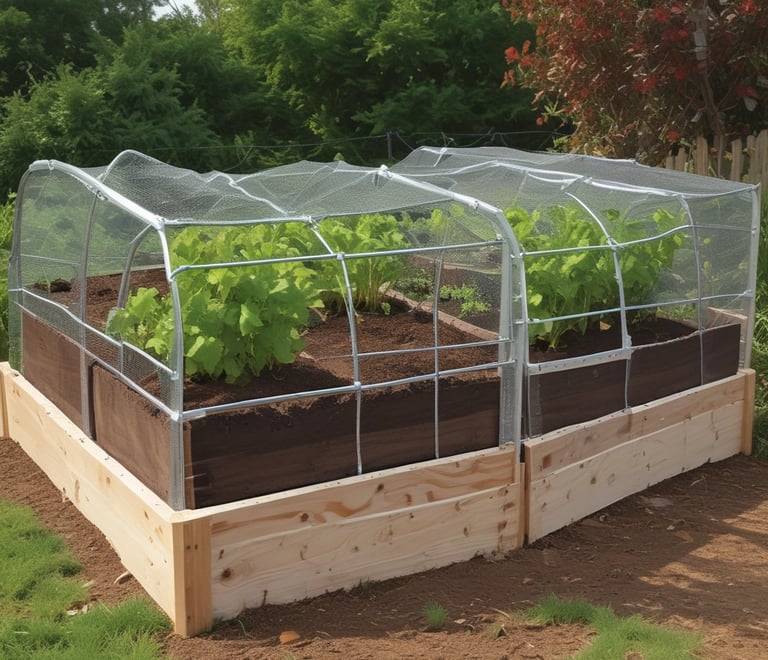
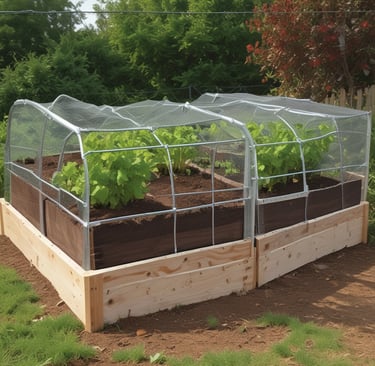
Raised beds don’t eliminate pests, but they make management easier.
Advantages include:
Ability to add mesh under beds to stop burrowing animals
Easier installation of row covers
Better airflow around plants
Reduced soil-borne disease risk
Because soil stays healthier and less compacted, plants are often stronger and better able to resist pests naturally.
9. Improved Organization and Garden Planning
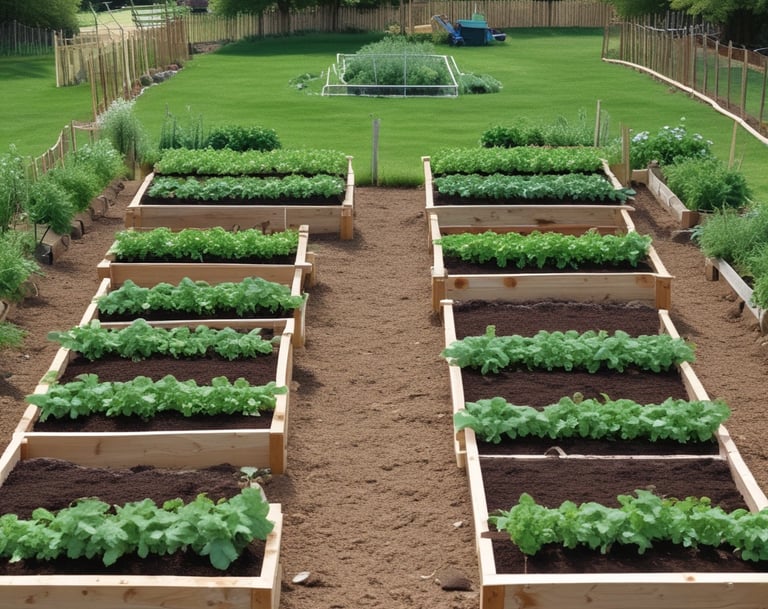
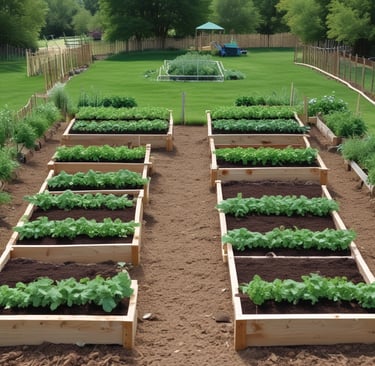
Raised beds naturally divide your garden into sections, making planning easier.
Benefits include:
Simplified crop rotation
Better spacing control
Easier companion planting
Clear plant tracking year to year
This structure is especially helpful for beginners learning how to manage a productive garden.
10. Higher Yields in Less Space
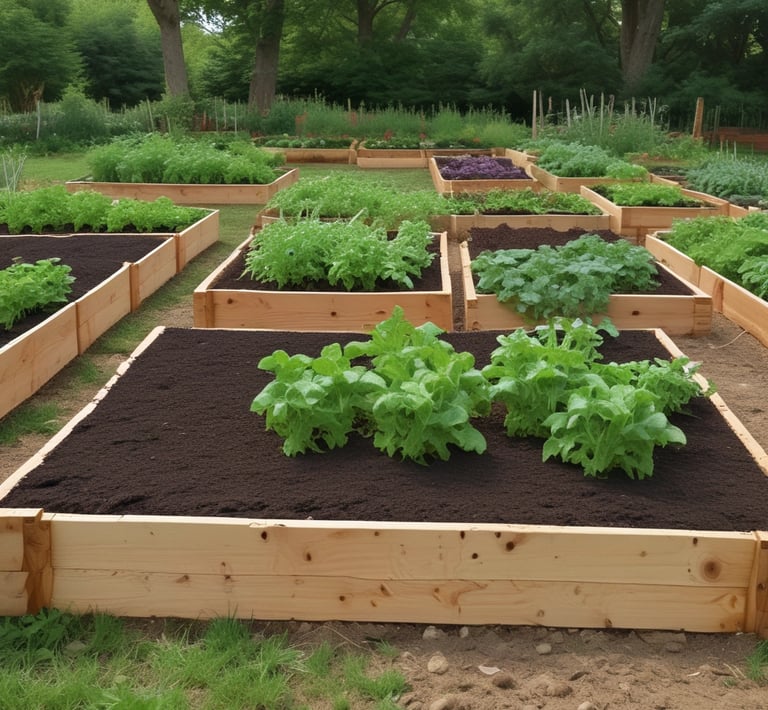
Because raised beds allow for:
Better soil
Tighter spacing
Healthier roots
Many gardeners see higher yields per square foot compared to in-ground gardens. Intensive planting techniques work exceptionally well in raised beds.
Raised Garden Beds Pros and Cons (Honest Breakdown)
Pros
✔ Better soil quality
✔ Improved drainage
✔ Fewer weeds
✔ Easier on your body
✔ Higher yields
✔ Great for beginners
Cons
✘ Initial setup cost
✘ Soil can dry out faster
✘ Requires planning
For most home gardeners, the benefits outweigh the drawbacks—especially long term.
Are Raised Garden Beds Worth It?
For most people, yes.
Raised beds are especially worth it if:
Your soil is poor
You struggle with weeds
You want easier maintenance
You garden in a small space
You value comfort and efficiency
While there is an upfront cost, raised beds often save time, water, and frustration over the years.
Best Materials for Raised Garden Beds
Wood (Cedar Preferred)
Natural look
Affordable
Long-lasting if untreated cedar
Metal
Extremely durable
Modern appearance
Heats up faster in hot climates
Composite or Plastic
Rot-proof
Lightweight
Long lifespan
Stone or Brick
Permanent
Attractive
Labor-intensive
Each option has its place depending on budget, climate, and design preference.
What Grows Best in Raised Beds?
Raised beds are ideal for:
Tomatoes
Peppers
Lettuce
Spinach
Carrots
Radishes
Herbs
Root crops and leafy greens perform especially well due to loose soil.
Raised Bed Gardening for Beginners: Simple Tips
Start with one or two beds
Choose easy vegetables
Use quality soil
Mulch heavily
Water consistently
Keep notes each season
Raised beds make learning easier because problems are more visible and easier to correct.
Frequently Asked Questions (FAQ)
What is the main benefit of raised bed gardening?
Better soil control, leading to healthier plants and higher yields.
Do raised beds require less maintenance?
Yes, especially when it comes to weeding and soil management.
How deep should a raised bed be?
12–18 inches is ideal for most vegetables.
Do raised beds dry out faster?
They can, but mulch and drip irrigation easily solve this.
Can raised beds be placed on concrete?
Yes, as long as drainage is provided.
Final Thoughts: Why Raised Beds Are a Smart Gardening Investment
Raised bed gardening isn’t just about convenience—it’s about control. When you control the soil, drainage, spacing, and environment, plants thrive. For beginners, raised beds reduce failure. For experienced gardeners, they increase efficiency and enjoyment.
If you want a garden that’s productive, manageable, and easier on your body, raised beds are one of the smartest upgrades you can make.
Want to Know More on Gardening?
Please Read :
Modular Raised Garden Beds: Why They Changed How I Garden (and Might Change Yours Too)
Recommended Amazon Products for Raised Bed Gardening (Beginner-Tested Picks)
One of the reasons raised bed gardening is so successful is that you don’t need a lot of tools—but the right tools make a big difference. Below are carefully chosen product categories that consistently help home gardeners get better results, especially beginners.
These are items most raised bed gardeners eventually buy anyway, so recommending them is both helpful and natural.
Raised Bed Kits (Best for Easy Setup)
If you don’t want to build from scratch, raised bed kits are the fastest way to get started. Modern kits are durable, expandable, and designed for food gardening.
What to look for in a raised bed kit:
Food-safe materials
At least 12–18 inches deep
Modular or expandable design
Rust-resistant or rot-resistant construction
Popular Amazon options include:
👉 These kits are ideal for beginners who want results without complicated construction.
Raised Bed Soil Mix (Don’t Skip This)
Soil is the foundation of every raised bed. Using the wrong soil is the fastest way to waste money and effort.
Best soil for raised beds should be:
Loose and well-draining
Rich in organic matter
Free from weed seeds
Recommended Amazon soil products:
💡 Tip: Many gardeners mix 50% soil + 30% compost + 20% aeration material for best results.
Compost & Organic Amendments (For Long-Term Soil Health)
Raised beds benefit from regular organic feeding. Instead of synthetic fertilizers, compost and natural amendments build healthier soil over time.
Helpful amendments you can find on Amazon:
These improve nutrient availability while keeping soil biology active.
Drip Irrigation Kits (Save Water & Time)
Watering is one of the biggest challenges with raised beds, especially in summer. Drip irrigation solves this problem efficiently.
Why drip irrigation works well with raised beds:
Delivers water directly to roots
Reduces evaporation
Prevents leaf disease
Saves time
Amazon product types to recommend:
This is one of the highest-converting product categories for raised bed articles.
Soil Moisture & Garden Monitoring Tools
Overwatering is common in raised beds, especially for beginners. A simple moisture meter removes the guesswork.
Useful tools available on Amazon:
These tools help gardeners water only when needed, improving plant health.
Hand Tools Designed for Raised Beds
Raised beds don’t require heavy tools. Compact, ergonomic hand tools are far more practical.
Essential raised bed tools:
Hand trowel
Hand cultivator
Pruning shears
What to look for:
Amazon offers many reliable beginner-friendly hand tool sets that work perfectly for raised beds.
Mulch & Weed Control Accessories
Mulching is critical in raised bed gardening to retain moisture and suppress weeds.
Helpful Amazon products:
Mulch also improves soil structure as it breaks down.
Comfort & Accessibility Accessories (Often Overlooked)
Raised beds are easier on the body—but comfort accessories make them even better.
Popular Amazon comfort items:
These products are especially valuable for seniors and gardeners with joint pain.
Optional Add-Ons for Serious Gardeners
Once gardeners see success, they often upgrade with:
These are excellent secondary affiliate recommendations later in the article.
Affiliate Disclosure (Best Practice)
Add this near the product section or footer:
As an Amazon Associate, HonestGardener.com earns from qualifying purchases. This helps support our content at no extra cost to you.
Why These Products Matter
Every product listed here:
Solves a real gardening problem
Is commonly used by home gardeners
Fits naturally into raised bed gardening
Improves success, not just convenience
Subscribe
Join us for tips and product reviews.
Contact
Affiliate disclaimer
© 2025. All rights reserved.
As an affiliate, we may earn a commission from qualifying purchases. We get commissions for purchases made through links on this website from Amazon and other third parties.