
Modular Raised Garden Beds: Why They Changed How I Garden (and Might Change Yours Too)
Modular raised garden beds explained by a real gardener. Learn benefits, setup tips, mistakes to avoid, and the best options for home gardens.
OUTDOOR GARDENING
12/23/20254 min read

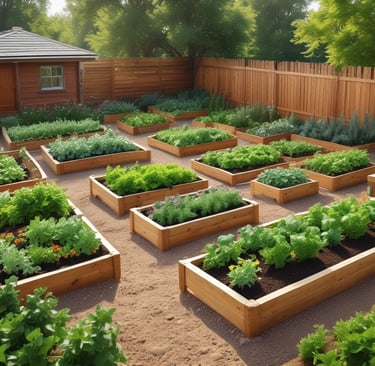
Introduction: I Didn’t Plan to Switch to Modular Beds—But I’m Glad I Did
For years, I gardened straight in the ground. Some seasons were decent. Others were a mess—hard soil, weeds everywhere, uneven watering, and sore knees from bending down all day.
I first heard about modular raised garden beds from another home gardener who swore they made gardening easier. I was skeptical. I assumed they were expensive, complicated, and mostly for people with perfect backyards.
I was wrong.
Once I switched to modular beds, my garden became easier to manage, more productive, and—surprisingly—more flexible. I could change layouts, add sections, and adapt as my needs changed. That flexibility alone solved problems I didn’t even realize I had.
If you’re gardening in the U.S. and struggling with space, soil quality, or long-term planning, this guide will walk you through everything I’ve learned—honestly, without hype.
What Are Modular Raised Garden Beds (In Simple Terms)?
Modular raised garden beds are raised beds made from connectable sections. Instead of building one fixed box, you assemble panels or units that can be:
Expanded
Reconfigured
Moved
Reshaped
Think of them like building blocks for your garden.
How They’re Different from Traditional Raised Beds
Traditional beds:
Fixed size
Hard to modify
Often built once and left forever
Modular beds:
Adjustable
Expandable over time
Easier to replace or upgrade
This flexibility is what sold me.
Why Modular Raised Garden Beds Make Gardening Easier
1. You Can Start Small and Grow Later
One of the biggest beginner mistakes is going too big too fast. Modular systems let you start with one bed and add more later.
This is especially helpful if you’re:
New to gardening
On a budget
Unsure how much time you’ll have
I started with one small bed. The next season, I added two more—using the same system.
2. Soil Quality Improves Instantly
If your ground soil is heavy clay or poor quality (common in many U.S. regions), raised beds are a lifesaver.
With modular raised garden beds, you control:
Soil mix
Drainage
Nutrient levels
This alone improved my plant health noticeably in the first season.
Helpful tool:
✔️ Organic raised bed soil mix or compost
3. Weeds Become Manageable
Weeds don’t disappear—but they become easier to control.
Why?
Raised beds limit weed spread
Cleaner soil reduces seed contamination
Edges stop creeping grass
I still weed, but it takes a fraction of the time.
Best Modular Garden Bed Systems: Materials That Actually Work
Not all modular beds are equal. I’ve tried or seen most of the common types.
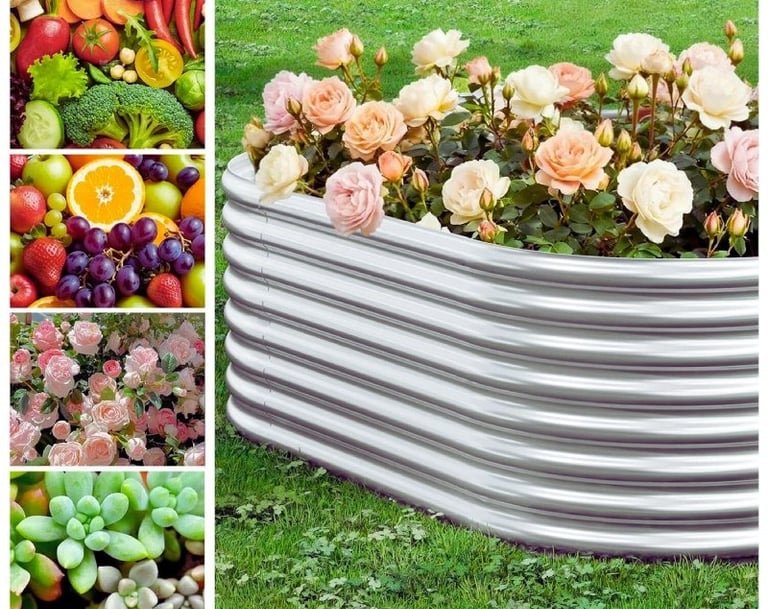
Galvanized Steel Modular Beds
Pros:
Long-lasting
Clean look
Excellent drainage
Cons:
Can heat up in hot climates
Best for: Long-term gardens
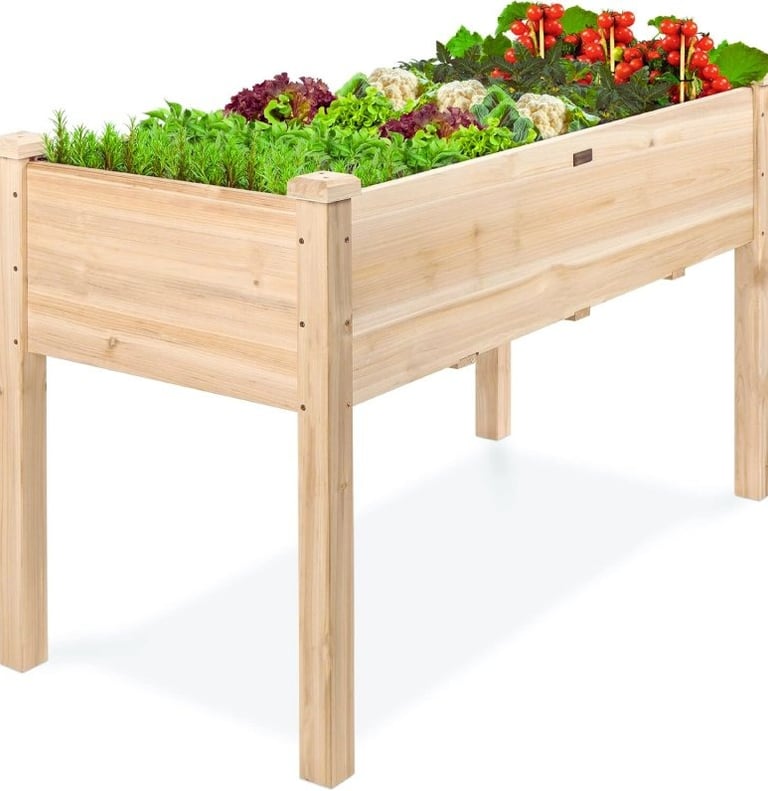
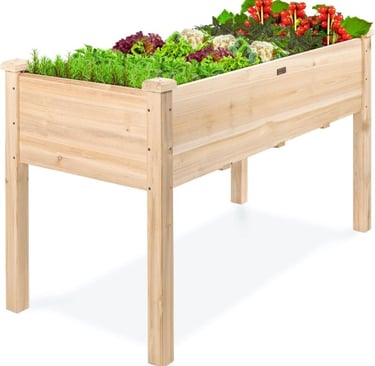
Wooden Modular Raised Beds
Pros:
Natural look
Easy to customize
Cons:
Can rot over time
Tip: Look for cedar—it lasts longer.
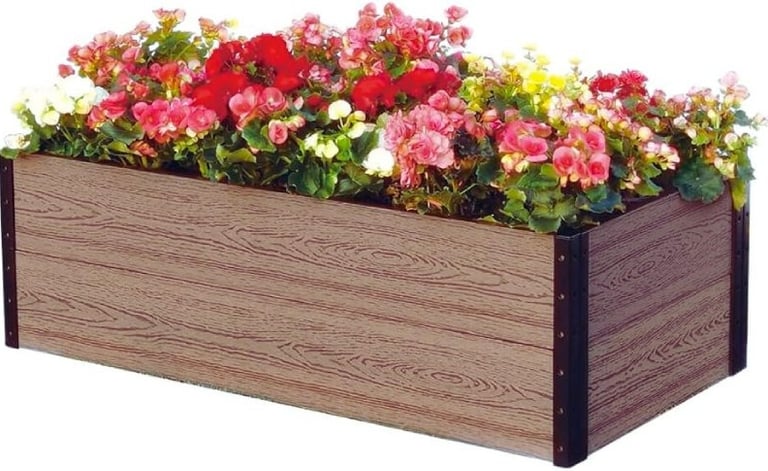
Plastic / Composite Modular Beds
Pros:
Lightweight
Rot-resistant
Cons:
Not always eco-friendly
Choose BPA-free options.
Amazon Recommendation:
✔️ Modular galvanized steel raised garden bed kits
✔️ Cedar modular raised bed systems
Raised Bed Gardening for Beginners: What I’d Do Differently
If I were starting again, here’s what I’d change.
Mistake #1: Not Planning the Layout First
I placed my first bed without thinking about sunlight. Big mistake.
Fix:
Observe sun patterns before installation.
Mistake #2: Filling Beds with Poor Soil
Cheap soil led to weak plants.
Fix:
Use a quality mix:
Topsoil
Compost
Organic matter
Mistake #3: Overcrowding Plants
Raised beds don’t mean tighter spacing.
Fix:
Follow spacing guides.
Modular Garden Bed Layout Ideas That Work
You don’t need a complicated design.
Simple Layouts I Recommend
Straight rows for easy access
U-shape for small yards
L-shape for corners
Parallel beds with walking paths
Leave at least 18–24 inches between beds.
Expandable Raised Garden Beds: Why This Matters Long-Term
Life changes. So do gardens.
Expandable systems let you:
Add new crops
Rotate plants yearly
Adjust for mobility needs
As my garden grew, I appreciated not having to tear everything down and rebuild.
Problem-Solving: Common Raised Garden Bed Issues
Problem: Soil Drying Out Too Fast
Solution:
Add mulch and water deeply.
Problem: Beds Shifting or Settling
Solution:
Level ground before setup.
Problem: High Initial Cost
Solution:
Start with one bed and expand slowly.
Problem: Heat Stress in Summer
Solution:
Use mulch and shade cloth.
Helpful tool:
✔️ Garden shade cloth
Tools That Pair Well with Modular Raised Garden Beds
These tools made my raised bed gardening easier:
✔️ Drip irrigation kit
✔️ Soil moisture meter
✔️ Garden bed liner or cardboard base
✔️ Plant labels
✔️ Hand trowel & weeder
Buy quality once—it saves money long-term.
Are Modular Raised Garden Beds Worth the Cost?
Short answer: yes, if you plan to garden for more than one season.
They save:
Time
Physical effort
Soil improvement costs
And they last longer than most DIY wooden beds.
Frequently Asked Questions (FAQ)
What are modular raised garden beds?
They are raised garden beds made from connectable sections that can be expanded or rearranged.
Are modular raised beds good for beginners?
Yes. They simplify soil management and make gardening more forgiving.
What material is best for modular raised beds?
Galvanized steel and cedar are the most durable options.
Can modular raised beds be moved?
Many can be disassembled and relocated if needed.
Do raised beds need liners?
Not always. Cardboard or landscape fabric works well for weed control.
Final Thoughts: Why I’d Choose Modular Beds Again
Modular raised garden beds didn’t just improve my garden—they changed how I plan it. The flexibility, control, and long-term value made gardening more enjoyable and less frustrating.
If you’re serious about growing food at home but want a system that adapts with you, modular beds are worth considering.
Start small. Learn what works in your space. Expand when you’re ready.
That’s how a garden grows—and so does the gardener.
Want to Know More on Gardening?
Please Read :
Organic Compost Starter Kit for Home Gardeners: Your Complete Guide
Subscribe
Join us for tips and product reviews.
Contact
Affiliate disclaimer
© 2025. All rights reserved.
As an affiliate, we may earn a commission from qualifying purchases. We get commissions for purchases made through links on this website from Amazon and other third parties.