
How to Start a Raised Bed Garden for Beginners (USA Guide)
Learn how to start a raised bed garden for beginners in the USA — step-by-step setup, soil tips, and easy-grow plants to ensure your best harvest yet!
BEGINNER'S GUIDE
10/29/20254 min read
Introduction: The Rise of Raised Bed Gardening
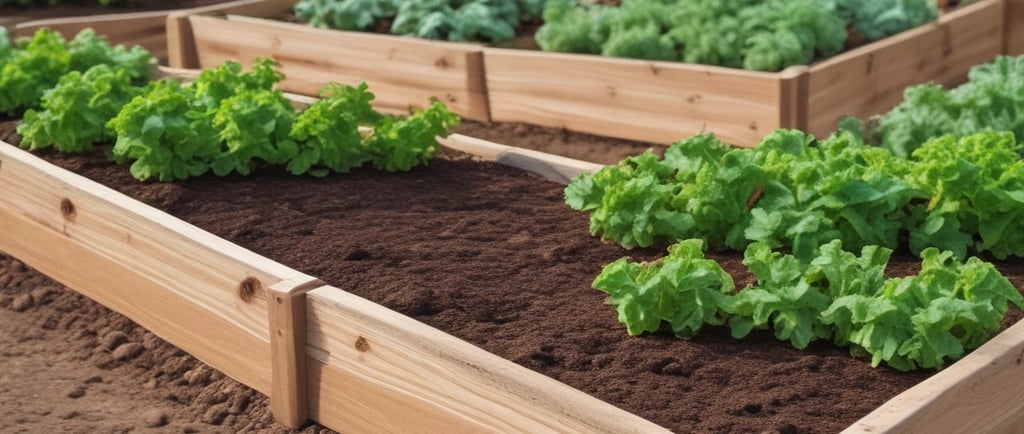
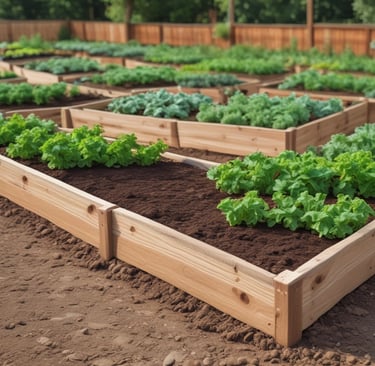
Raised bed gardening is one of the easiest and most rewarding ways for beginners to start growing their own vegetables, herbs, or flowers. Whether you live in a suburban backyard or a small urban space, raised beds let you garden anywhere with control, comfort, and style.
For many new gardeners in the USA, raised beds are the ideal starting point — they reduce weeds, improve soil drainage, and make gardening less physically demanding. But how do you begin?
This guide walks you through everything you need to know — from choosing materials to planting your first seeds — plus some of the best Amazon-recommended raised bed kits and tools to help you get started.
Why Choose a Raised Bed Garden?
Before you grab your shovel, let’s understand why raised beds are so popular among beginner gardeners:
Better Soil Control: You decide what goes into your soil — no more fighting with poor native dirt or clay.
Fewer Weeds: The raised height discourages many common garden weeds.
Easier Access: No more bending too low — perfect for all ages and mobility levels.
Improved Drainage: Excess water drains easily, reducing root rot risk.
Extended Growing Season: Raised beds warm up faster in spring, letting you plant earlier.
Whether you’re growing veggies for the table or flowers for beauty, raised beds give you a manageable, productive space to nurture your green thumb.
Step 1: Choose the Right Location
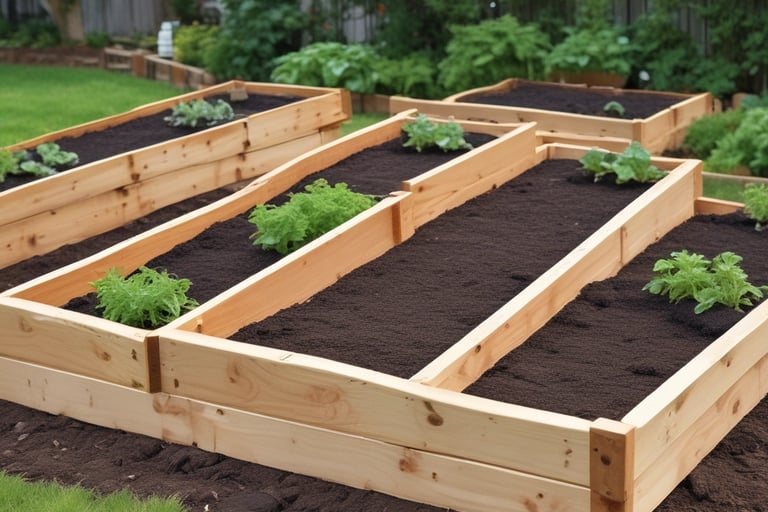
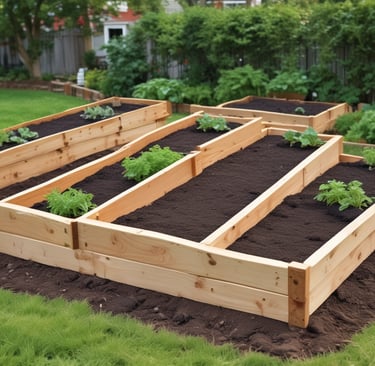
Finding the perfect spot is the foundation of your garden’s success.
Key factors to consider:
Sunlight: Choose an area with at least 6–8 hours of full sun daily.
Water Source: Keep it close to a hose or watering system.
Flat Ground: Level soil ensures even drainage.
Accessibility: Make sure there’s enough room to walk around your bed for easy maintenance.
💡 Pro Tip: Avoid areas under large trees or near fences where roots and shade can limit plant growth.


Step 2: Select the Best Raised Bed Material
You have several material options, each with its own benefits:
1. Wooden Beds
Most common and affordable.
Cedar or redwood are best — naturally rot-resistant.
Avoid treated wood unless it’s food-safe certified.
Amazon Picks:
🌱 Best Cedar Option: Greenes Fence Cedar Raised Garden Bed Kit
🌱 Quick Assembly Option: Best Choice Products Wooden Raised Bed
2. Metal Beds
Durable and long-lasting.
Excellent drainage and stylish modern look.
Amazon Picks:
🌿 Galvanized Favorite: Vego Garden Raised Metal Bed
3. Fabric Beds
Lightweight, portable, and breathable.
Ideal for small spaces or renters.
Amazon Picks:
🌾 Top Budget Choice: Victory 8 Fabric Raised Bed
Step 3: Build and Fill Your Raised Bed
Size Recommendations
For beginners, start small!
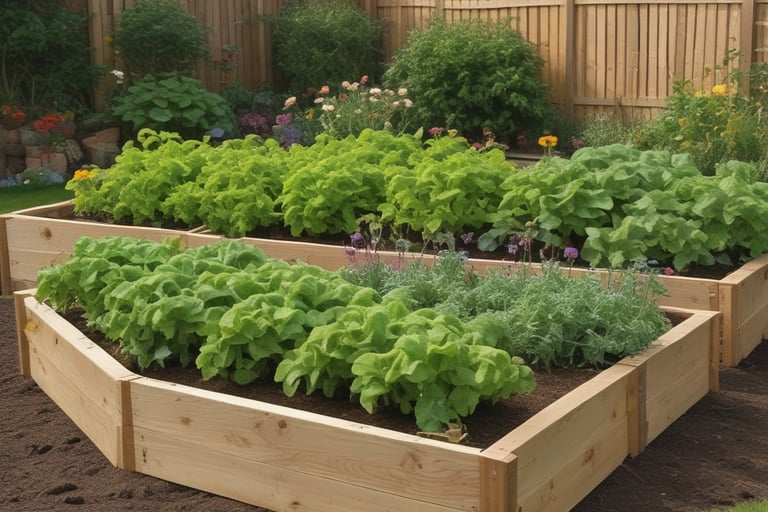
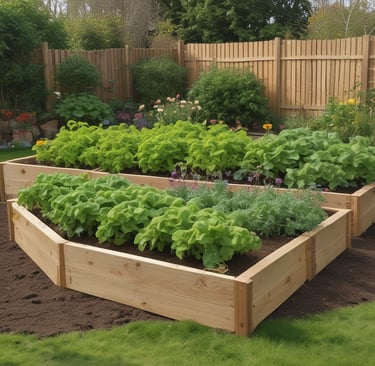
A 4 ft x 8 ft bed, 12–18 inches deep, is ideal. It provides enough space for multiple vegetables without overwhelming you.
Filling Your Bed
Here’s a simple soil mix that promotes healthy growth:
DIY Organic Soil Mix Recipe
40% compost
40% topsoil
20% perlite or coco coir
You can also buy ready-made organic raised bed mixes on Amazon, such as:
These products are well-balanced for vegetables and reduce the guesswork for new gardeners.
Step 4: Choose Beginner-Friendly Plants
For your first season, pick plants that thrive easily in raised beds and US climates.
Easy Vegetables:
Lettuce
Tomatoes (especially cherry varieties)
Radishes
Carrots
Peppers
Green beans
Herbs for Beginners:
Basil
Chives
Parsley
Mint (keep contained!)
Rosemary
💡 Tip: Mix fast-growing crops (like lettuce) with slow growers (like tomatoes) to maximize your space.
Step 5: Watering and Maintenance
Raised beds dry out faster than traditional gardens, so consistent watering is key.
Watering Tips:
Water early morning to prevent evaporation.
Use a soaker hose or drip irrigation system for efficiency.
Check moisture by inserting your finger — if dry 1 inch below, it’s time to water.
Amazon Picks:
💧 Best Drip Kit: Raindrip Automatic Drip Irrigation Kit
💧 Smart Timer: Rachio Smart Hose Timer
Fertilizing:
Use organic fertilizer once every 2–3 weeks. Compost tea or fish emulsion works great for vegetables.
Step 6: Seasonal Care and Pest Control
Keep your raised bed thriving all year round with these quick tips:
For Spring/Summer:
Add mulch (like straw or shredded leaves) to retain moisture.
Check daily for weeds or pests.
For Fall/Winter:
Pull out old plants.
Add a 2–3 inch layer of compost to refresh nutrients.
Cover the bed with burlap or mulch to protect the soil.
Natural Pest Control Options (Amazon):
🐞 Neem Oil Spray — safe, organic insect control.
🐜 Diatomaceous Earth Powder — effective against crawling insects.
Step 7: Common Mistakes to Avoid
Even the best beginners make a few missteps! Avoid these common issues:
Using regular garden soil — too dense and prone to compaction.
Overwatering — roots may rot.
Neglecting sunlight — tomatoes and peppers need full exposure.
Skipping soil amendments — organic matter must be replenished each season.
Ignoring spacing rules — overcrowding limits growth and airflow.
Step 8: Enhance Your Raised Bed with Helpful Accessories
Once you have the basics, consider upgrading with a few accessories:
🌻 Trellis Systems for climbing plants
🌿 Row Covers to protect from frost
🪴 Garden Markers for labeling
🌼 Soil Test Kits to monitor pH and nutrients
All of these items can be easily found on Amazon, allowing you to earn affiliate income while offering your readers helpful recommendations.
Step 9: Sustainable Gardening Practices
A raised bed garden is a great step toward eco-friendly living. Here’s how to make yours more sustainable:
Compost your kitchen scraps.
Reuse rainwater for irrigation.
Choose native or drought-tolerant plants.
Rotate crops yearly to maintain soil health.
These small habits lead to a greener home and a thriving ecosystem.
Conclusion: Your Raised Bed Journey Starts Today
Starting your first raised bed garden doesn’t have to be complicated — it’s about learning, experimenting, and watching nature reward your care. With the right location, soil, and plants, your garden will flourish in just a few weeks.
So grab your gloves, gather your tools, and start your raised bed gardening adventure today! 🌿
👉 Ready to begin? Check out our top-rated raised bed kits and organic soils on Amazon to kickstart your garden the right way.
Want to Know More on Gardening?
Please Read :
Organic Compost Starter Kit for Home Gardeners: Your Complete Guide
DIY Drip Irrigation System for Container Gardens: Save Water, Grow Better
Subscribe
Join us for tips and product reviews.
Contact
Affiliate disclaimer
© 2025. All rights reserved.
As an affiliate, we may earn a commission from qualifying purchases. We get commissions for purchases made through links on this website from Amazon and other third parties.