Planting a Garden: What I Wish I Knew Before Starting My First Garden
Planting a garden doesn’t have to be confusing. Learn simple, real-world tips, common mistakes, and beginner tools to grow a healthy garden at home.
BEGINNER'S GUIDE
12/17/20255 min read
Introduction: Planting a Garden Isn’t Hard—But It’s Easy to Get Wrong
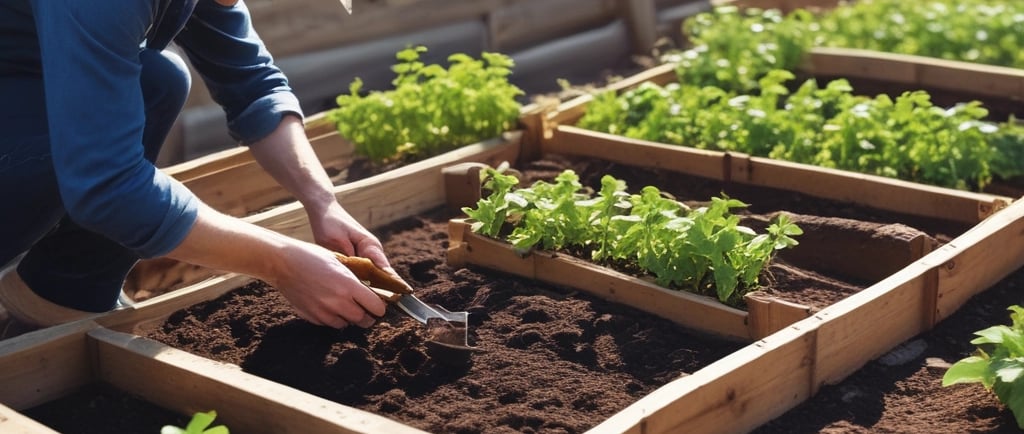
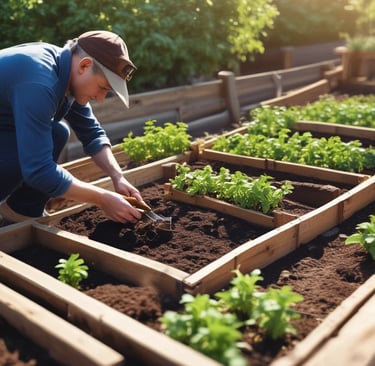
When I first started planting a garden, I honestly thought it was just about putting seeds in the ground and watering them. I bought plants that looked nice at the store, planted everything close together, watered every day, and waited.
Most of those plants didn’t make it.
If you’re feeling unsure about planting a garden—or you’ve tried before and failed—you’re not alone. Many home gardeners in the U.S. give up simply because no one explains why things go wrong.
This guide is written the way I would explain gardening to a friend over coffee. No complicated terms. No unrealistic advice. Just practical steps that actually work.
By the end, you’ll know:
How to start a garden at home the right way
Beginner gardening tips that save time and money
Common gardening mistakes (and how to avoid them)
Tools that genuinely make gardening easier
1. Where You Plant Your Garden Matters More Than What You Plant
One of the biggest mistakes beginners make when planting a garden is choosing the wrong location.
Sunlight: The Deal Breaker
Most vegetables need at least 6 hours of direct sunlight. Not “bright shade.” Not filtered light. Actual sun.
Before planting anything, watch your yard for a day:
Where does the sun hit in the morning?
Which spots stay sunny in the afternoon?
If your plants don’t get enough sun, no fertilizer in the world will fix that.
Drainage: The Silent Plant Killer
If water sits on the soil after rain, roots can rot fast.
Simple fix:
If your ground doesn’t drain well, raised beds or containers solve this instantly.
Helpful tool:
✔️ Raised garden bed kits (great for beginners and small yards)


2. Soil Is Everything (Yes, Even More Important Than Plants)
You can’t talk about planting a garden without talking about soil. Bad soil = struggling plants.
Best Soil for Vegetable Garden Success
Good garden soil should:
Feel loose in your hands
Drain well
Be dark and rich, not pale and dusty
If your soil is hard like concrete or dries out instantly, don’t panic. Most soil can be fixed.
How I Improved My Soil (Without Fancy Stuff)
Added compost
Mixed in organic matter once a season
Covered soil with mulch
That’s it.
Helpful tools:
✔️ Organic compost
✔️ Simple soil tester (checks moisture & pH)


3. Garden Layout for Beginners: Don’t Skip This Step
When you’re excited, it’s tempting to just start planting. I’ve done it. It leads to overcrowding and disease.
Simple Garden Layout Tips
Tall plants go in the back
Leave space to walk
Don’t plant everything too close
Plants need airflow just like we do.
Beginner-Friendly Garden Styles
Raised beds
Container gardens
Square-foot gardening
If you’re short on space, containers work surprisingly well.


4. Choosing Plants That Actually Want to Grow Where You Live
One lesson I learned the hard way: not every plant likes every climate.
Before planting a garden, check your USDA growing zone. It tells you what plants will survive your winters and summers.
Easy Plants for Beginners
If you’re just starting out, try:
Tomatoes
Lettuce
Peppers
Zucchini
Herbs like basil or parsley
These are forgiving and give quick rewards.
Common gardening mistake:
Buying plants just because they look healthy at the store.
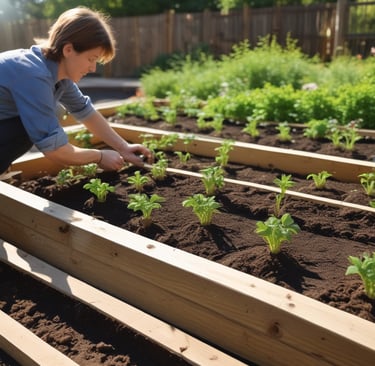
5. Planting a Garden Step by Step (No Guesswork)
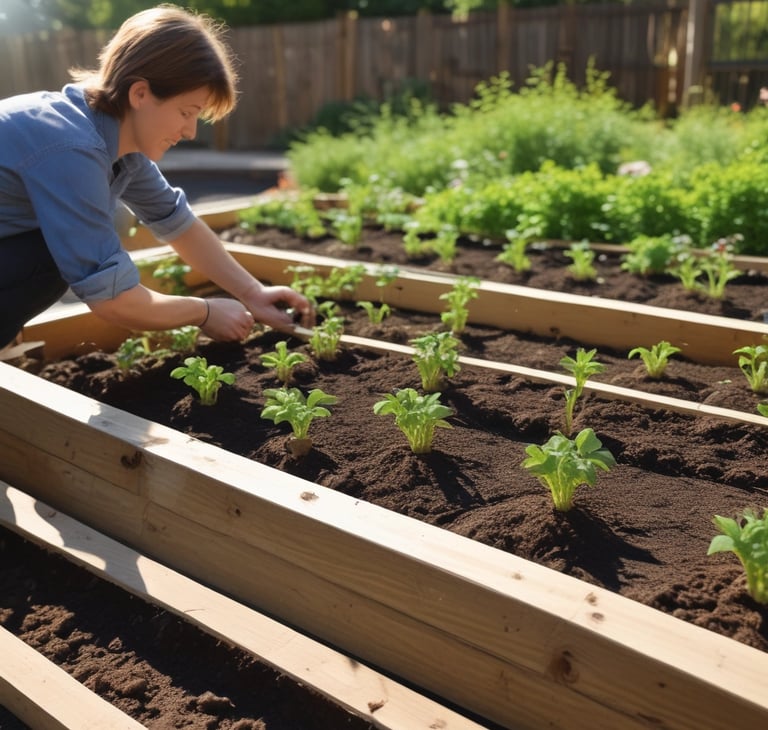
Step 1: Prepare the Soil
Pull weeds
Loosen soil about a foot deep
Mix in compost
Step 2: Plant Carefully
Follow spacing on seed packets
Don’t plant too deep
Gently press soil around roots
Step 3: Water the Right Way
Water deeply after planting. Avoid watering lightly every day—it weakens roots.
Helpful tools:
✔️ Garden hose nozzle with adjustable spray
✔️ Drip irrigation kit (saves water and time)


6. Watering and Mulching: Two Things That Make Gardening Easier
How Often Should You Water?
Most gardens need about 1 inch of water per week, including rain.
Stick your finger into the soil:
Dry? Water
Moist? Wait
Why Mulch Changed My Garden
Mulch keeps soil moist, blocks weeds, and improves soil over time.
Best mulch options:
Straw
Wood chips
Shredded leaves
Helpful tool:
✔️ Soil moisture meter (cheap and accurate)


7. Fertilizing Without Killing Your Plants
More fertilizer doesn’t mean better results. I learned this the hard way.
Beginner Gardening Tips for Fertilizer
Use organic fertilizer
Feed lightly
Follow directions
Too much fertilizer causes leafy plants with little harvest.
Good options:
✔️ Organic vegetable fertilizer
✔️ Compost tea
8. Common Gardening Mistakes (Almost Everyone Makes These)
Overwatering
Roots need oxygen. Soggy soil suffocates them.
Planting Too Close
Crowded plants fight for nutrients and get sick faster.
Ignoring Early Pest Signs
A few holes today can turn into disaster next week.
Skipping Mulch
Bare soil dries out fast and invites weeds.
Learning gardening is mostly learning what not to do.


9. Dealing With Pests Without Harsh Chemicals
You don’t need strong chemicals for a home garden.
Natural Pest Control That Works
Neem oil
Insecticidal soap
Garden netting
Check plants weekly. Early action saves entire harvests.
Helpful tools:
✔️ Neem oil spray
✔️ Insect net covers


10. Harvesting and Keeping Your Garden Healthy
When to Harvest
Pick vegetables when they look ready
Don’t wait too long
Harvesting encourages more growth
Simple Maintenance Habits
Remove dead leaves
Add compost occasionally
Rotate crops each year
Gardening gets easier every season.
Frequently Asked Questions
When is the best time for planting a garden in the USA?
Spring is ideal for most vegetables. Fall works well for greens like lettuce and spinach.
How do I start a garden at home with no experience?
Start small. Focus on sunlight, soil, and easy plants.
What is the best soil for a vegetable garden?
Loose, well-draining soil with plenty of organic matter.
Can I grow a garden in containers?
Yes. Containers work great for patios and balconies.
Is gardening expensive?
It doesn’t have to be. You can start small and build over time.
Final Thoughts: Gardening Is Learned by Doing
Planting a garden isn’t about being perfect. It’s about paying attention, learning from mistakes, and enjoying the process.
Every gardener kills plants at some point. What matters is starting again.
If you follow the basics—sunlight, soil, spacing, and patience—you’ll be surprised how much food and joy a small garden can give you.
Want to Know More on Gardening?
Please Read :
Subscribe
Join us for tips and product reviews.
Contact
Affiliate disclaimer
© 2025. All rights reserved.
As an affiliate, we may earn a commission from qualifying purchases. We get commissions for purchases made through links on this website from Amazon and other third parties.