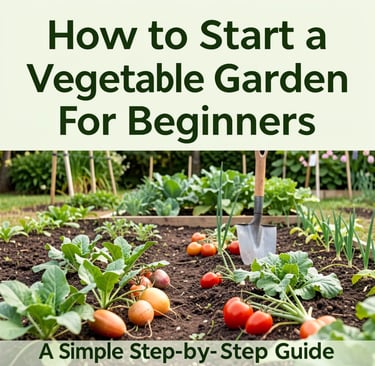
How to Start a Vegetable Garden for Beginners: A Simple Step-by-Step Guide
Start a thriving vegetable garden easily — simple tips, beginner’s guide, expert advice, and must-have tools for U.S. gardeners.
BEGINNER'S GUIDE
11/17/20257 min read
Introduction:
You’re excited about growing your own vegetables — but where do you even begin? You’ve probably felt overwhelmed: what seeds to pick, how to prep the soil, how much sun or water your plants need. It’s easy to start feeling lost before you even dig in.
Here’s the good news: this guide will fix that. In this post, HonestGardener will walk you through everything you need to start a successful vegetable garden — even if you’re a total beginner. By the end, you’ll know how to pick the right spot, prep soil, choose plants, plant properly, and care for your garden throughout the season.
What you’ll learn in this post:
How to choose a garden site, even in a small yard
How to prepare healthy soil that helps your plants thrive
Beginner-friendly vegetables to grow first
How to water, fertilize, mulch, and maintain your garden
Common beginner mistakes — and how to avoid them
Recommended tools and products (Amazon picks)
Answers to frequently asked gardening questions
1. Choose the Right Spot for Your Garden
Pick a Sunny, Accessible Location
Aim for 6–8 hours of direct sunlight per day. This is essential because most vegetables need full sun to thrive. Almanac+1
Select level ground with good drainage. If water pools after rain, raised beds may work better. Almanac
Make water access easy: being close to a hose or water source saves you a lot of effort. Insurance & Personal Finance Articles
Consider wildlife: if deer, rabbits, or other pests are common in your area, plan for a fence or barrier. extension.umd.edu
Start Small, Especially as a New Gardener
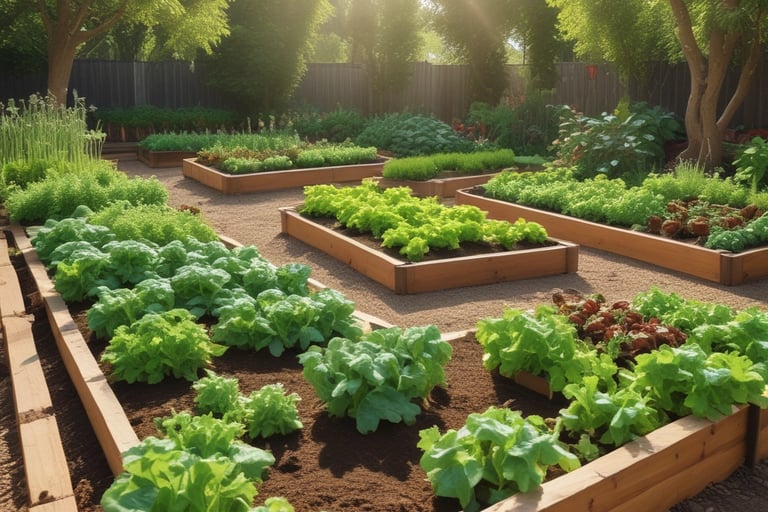
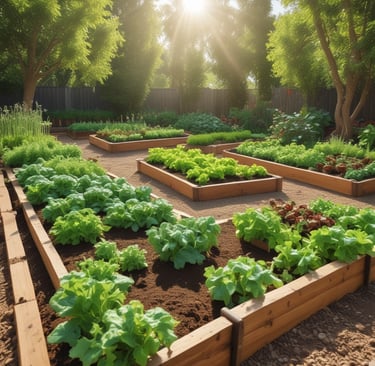
Begin with a manageable size. A 4×4 or 4×8 raised bed is ideal for beginners. Almanac
If you're feeling overwhelmed, don’t plan a huge plot — small successes help you build confidence.
Use a sketch or garden planner to map out where plants will go, considering sunlight, height, and spacing.
2. Prepare Your Soil for Success
Test and Improve Your Soil
Your soil should be loamy, crumbly, and rich in organic matter. extension.umd.edu+1
Consider a soil test to check pH and nutrients. Many home extension offices or garden centers offer soil testing services. extension.umd.edu
Add compost or well-rotted manure to improve fertility, structure, and drainage. RASNetwork Gardening+1
If your soil is compacted, loosen it by digging or forking down 6–8 inches. extension.sdstate.edu
Use Raised Bed or Container Mix (if not planting in-ground)
For raised beds: mix roughly 60% topsoil, 30% compost, 10% perlite or coarse sand for drainage. RASNetwork Gardening
For containers: use a lightweight potting mix (not heavy garden soil), and blend in compost (~20–25%) before planting. RASNetwork Gardening
Mulch the surface once planted (2–3 inches) to retain moisture, suppress weeds, and moderate temperature. RASNetwork Gardening
3. Choose Beginner-Friendly Vegetables
Which Vegetables Should You Grow First?
Here are some easy-to-grow veggies ideal for a first garden:
Leafy greens: Lettuce, kale, Swiss chard — they grow fast and are forgiving. RASNetwork Gardening
Root vegetables: Radishes mature in under 30 days; carrots and beets are also good picks. RASNetwork Gardening
Fruiting crops: Cherry tomatoes, bush beans, and zucchini tend to produce reliably. Gardening Soul
Herbs: Basil, parsley, chives — great for containers and your kitchen.
Tips for Selecting Varieties
Check your USDA hardiness zone — this helps you pick vegetables suited to your climate. RASNetwork Gardening
Read seed packet directions — note spacing, depth, and whether to start indoors or sow directly. seedwise.com
Limit number of varieties in your first season — 5–7 different crops is plenty to manage. RASNetwork Gardening
Think about what you’ll eat — grow vegetables and herbs you actually enjoy, so you stay motivated.
4. Planting: Step-by-Step Guide
How to Plant Your Garden
Here’s a simple, step-by-step process:
Mark out your beds or planting area. Use string, stakes, or a garden planner.
Loosen and level the soil. Remove weeds, rocks, and debris.
Add compost or soil mix. Work your compost or mix into the top layer.
Follow spacing instructions. Use the guidance on your seed packets for spacing and depth. seedwise.com
Water deeply after planting. This helps settle the soil and reduces transplant shock. RASNetwork Gardening
Apply mulch around newly planted seedlings, leaving space around stems.
Companion Planting Basics (optional but helpful)
Group plants with similar water and nutrient needs together.
Tall plants (like tomatoes or beans) should go on the north side so they don’t shade smaller ones. RASNetwork Gardening
Use companion planting to deter pests — for example, basil near tomatoes or marigolds near beans.
5. Watering, Fertilizing & Garden Care
Watering Wisely
Aim for about 1 inch of water per week, including rainfall. RASNetwork Gardening+1
Use a finger test: push your finger 1–2 inches into the soil. If it's dry there, it's time to water. RASNetwork Gardening
Water at the base of plants to avoid wet leaves (which can lead to disease).
Early morning watering is best — plants absorb water, and leaves dry off during the day.
Fertilizing Schedule
Use a balanced, organic fertilizer when planting and then every 3–4 weeks. Southern Living
Adjust fertilizing based on your soil test results — for example, if nitrogen is low, choose a fertilizer with more N.
Ongoing Maintenance
Weed regularly: pull small weeds before they compete for nutrients.
Inspect plants weekly: look for pests, yellow leaves, or signs of stress.
Prune when needed: remove dead or damaged leaves; on tomatoes, pinch off suckers for better yield.
Keep a garden journal: note when you plant, water, fertilize, or see any issues — it's incredibly helpful year to year.
6. Common Beginner Mistakes & How to Avoid Them
Watch Out for These Errors
Planting in shade — insufficient sunlight = weak plants.
Overwatering or underwatering — use the finger test and water deeply.
Skipping soil prep — poor soil is one of the biggest reasons plants fail.
Crowding plants — leads to disease, poor air circulation, and stunted growth.
Getting discouraged — many gardens take time; mistakes are part of the learning.
Real-Life Example
Scenario: Sarah in Ohio started with a 10×10 plot full of tomato and squash seedlings but didn’t test her soil or mulch. By mid-summer, the soil was dry, weeds overtook, and yields were low.
Fix: She added compost in the fall, mulched heavily next season, and reduced the number of plants — and saw a huge improvement.
7. Recommended Tools & Products (Amazon Picks)
Here are 4–5 trusted tools that make starting a vegetable garden easier. (Prices vary but generally fall in the $15–$50 range.)
As an Amazon Associate, we earn from qualifying purchases.
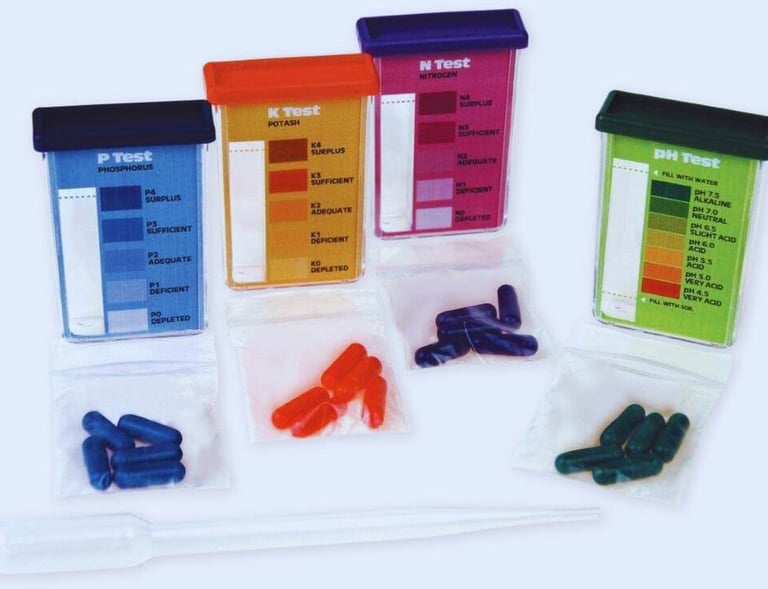
Gardening Soil Test Kit — helps you check pH and nutrient levels before planting.
Pros: Easy to use, accurate, includes color chart
Cons: Only tests a few samples per kit
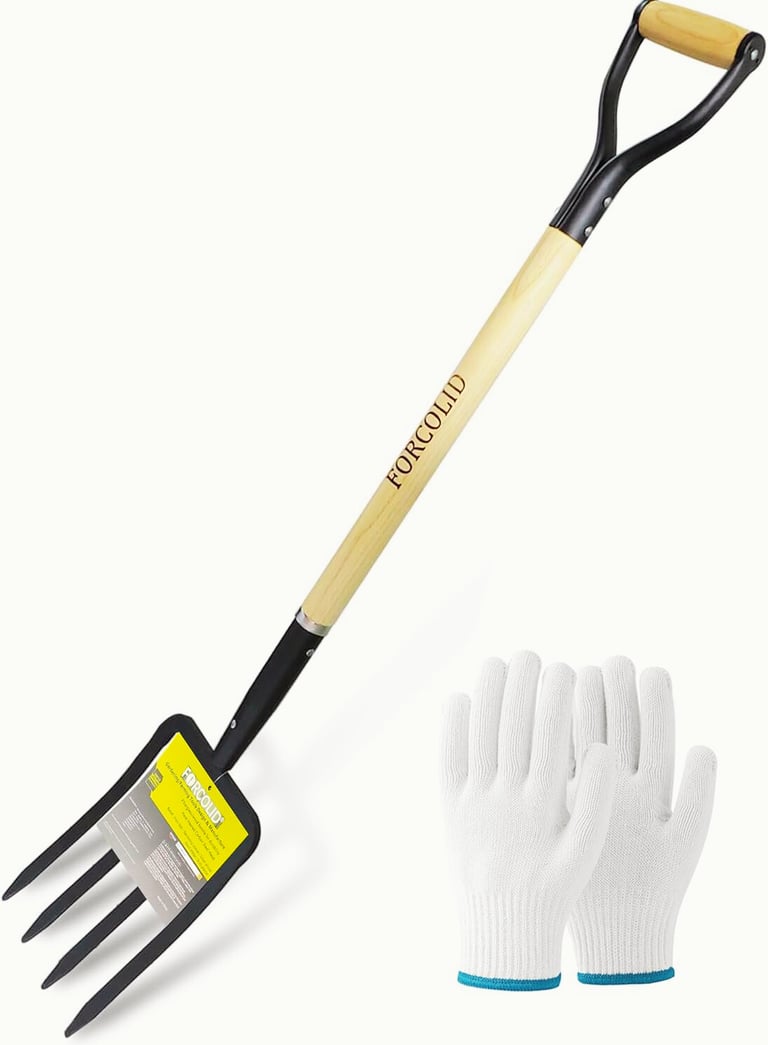
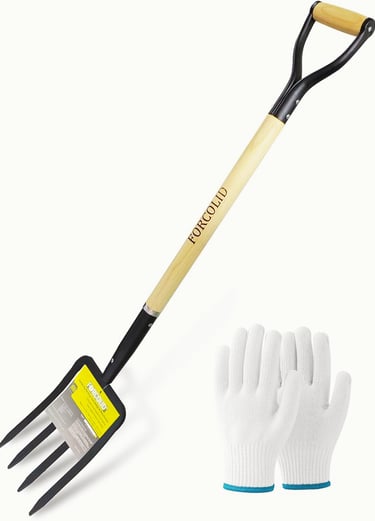
Hand Cultivator / Garden Fork — for loosening soil, mixing in compost.
Pros: Durable, ergonomic handle
Cons: Requires some elbow grease
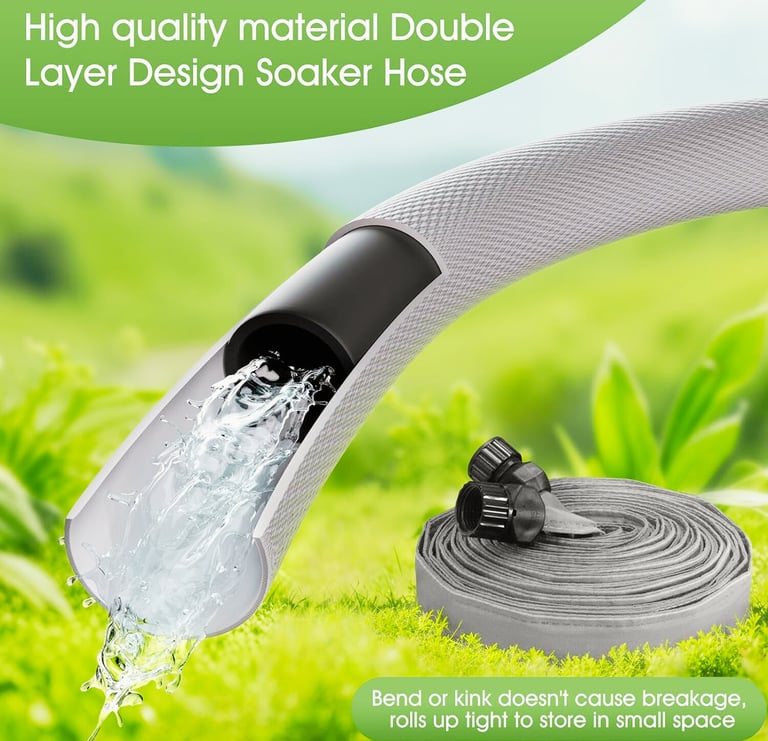
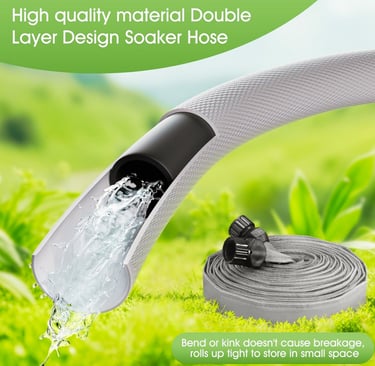
Soaker Hose — great for slow, deep watering at the base of plants.
Pros: Water efficient, gentle on plants
Cons: Needs tape or clamps to secure
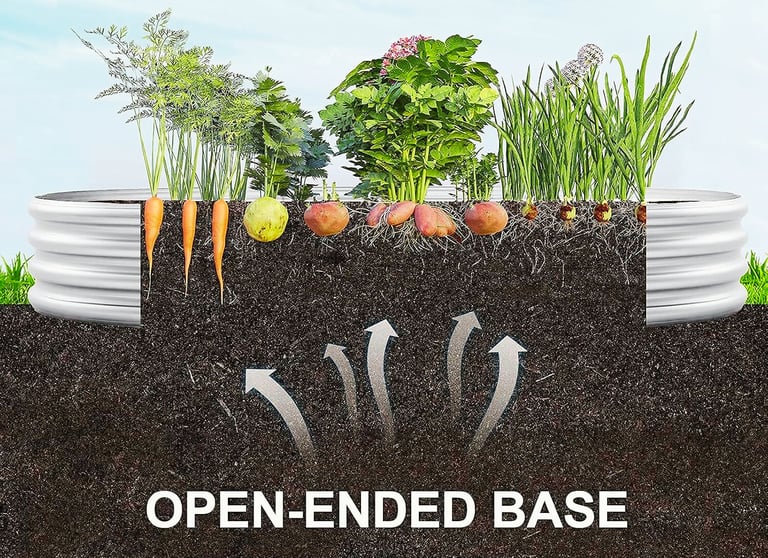
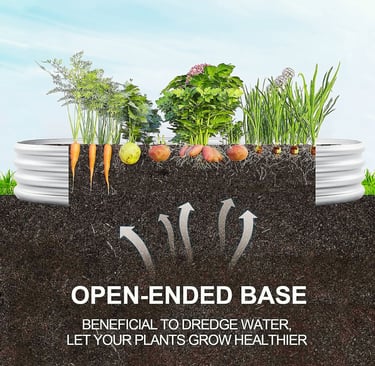
Raised Bed Planter Kit — ideal for beginners who want to build a raised bed.
Pros: Easy assembly, weather-resistant, durable
Cons: Requires space and soil fill
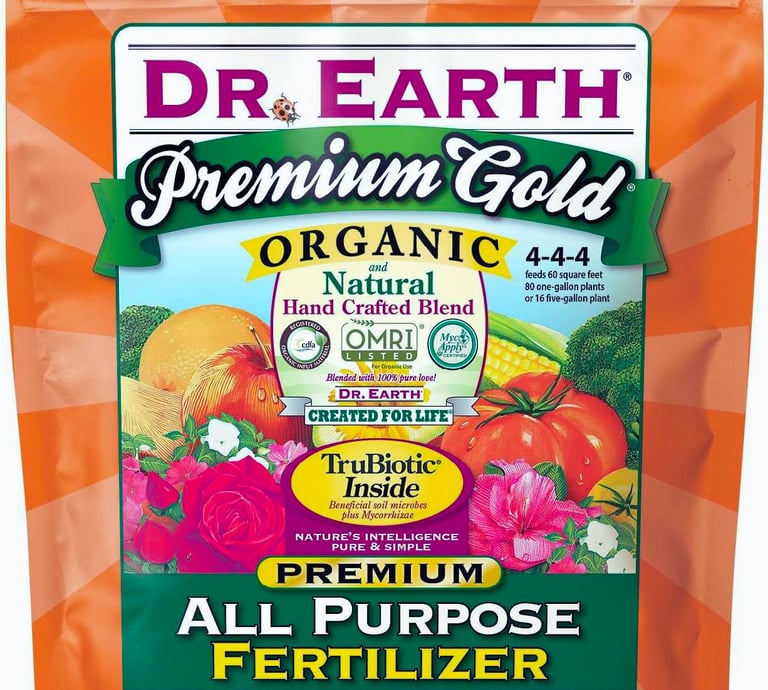
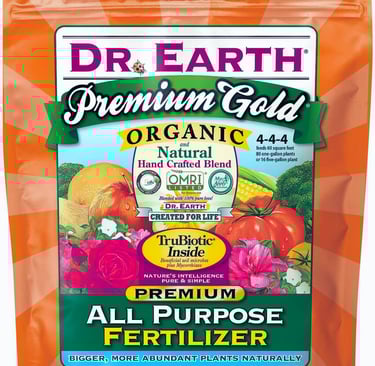
Organic All-Purpose Fertilizer — balanced nutrients, safe for edible gardens.
Pros: Organic, slow-release
Cons: Needs occasional reapplication
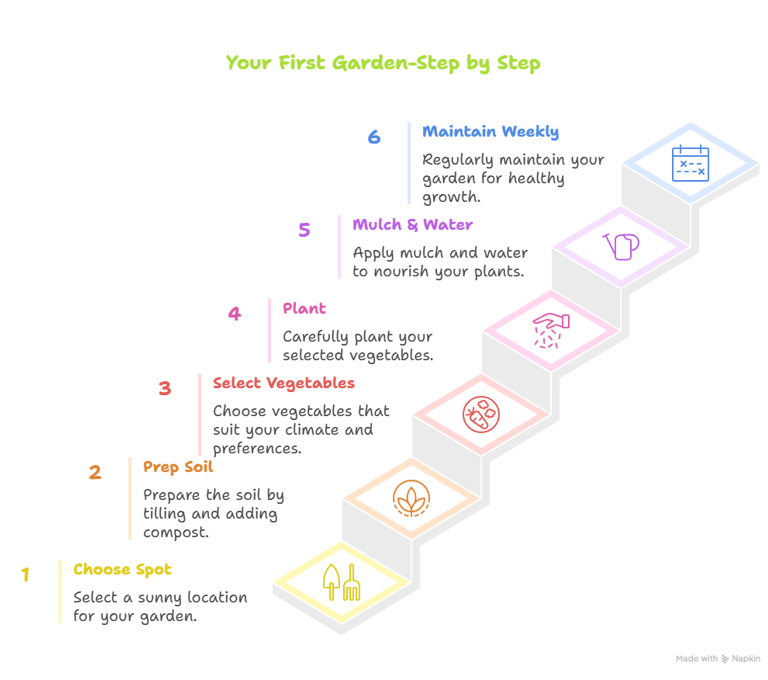
8. Infographic
DIY Infographic: “Your First Garden — Step by Step”
9. Frequently Asked Questions (FAQs)
Q1: Do I need to know my USDA hardiness zone?
A1: Yes — knowing your zone helps you pick vegetables that will thrive in your climate and plan the right time to plant. RASNetwork Gardening
Q2: Can I skip a soil test?
A2: While not mandatory, a soil test gives valuable information about pH and fertility. It helps you make smarter decisions about amendments. extension.umd.edu
Q3: Should I start seeds indoors or buy seedlings?
A3: It depends. Seeds are more cost-effective but require timing and space; seedlings are easier if you want to get going faster. Use the directions on your seed packets.
Q4: How often should I water newly planted seedlings?
A4: Water deeply right after planting, then aim for about 1 inch per week (including rainfall). Adjust based on soil moisture checks. seedwise.com
Q5: When should I fertilize?
A5: Apply a balanced, organic fertilizer when planting, then every 3–4 weeks during the growing season.
10. Other Helpful Resources
Internal Links (on HonestGardener.com):
External Links:
USDA/National Agricultural Library: Vegetable Gardening Guide nal.usda.gov
University of Maryland Extension: How to Start a Vegetable Garden extension.umd.edu
Old Farmer’s Almanac Beginner Vegetable Gardening Guide Almanac
11. Summary: Key Takeaways
Starting a vegetable garden doesn’t have to be complicated — pick a sunny spot, prep your soil, and plant beginner-friendly veggies.
Use compost, mulch, and a smart watering routine to build healthy, productive soil.
Maintain your garden with weekly weeding, inspecting, and balanced fertilizing.
Use simple, reliable tools to make the job easier.
Learn from mistakes — gardening is a journey, and even experienced gardeners started somewhere.
Growing your own vegetables is one of the most rewarding things a gardener can do. Yes, there will be some learning curves — but the first time you bite into a homegrown tomato or pick a handful of fresh basil? That payoff is priceless. Start small, follow the steps above, and don’t be afraid to make mistakes. HonestGardener is here to guide you.
Ready to get started? Buy the tools above and sketch out your first garden plan tonight.
Want more help? Check out our post on companion planting next for smart plant pairings.
Stay in the loop: Subscribe to HonestGardener’s newsletter for weekly tips, seasonal reminders, and exclusive guides.

Subscribe
Join us for tips and product reviews.
Contact
Affiliate disclaimer
© 2025. All rights reserved.
As an affiliate, we may earn a commission from qualifying purchases. We get commissions for purchases made through links on this website from Amazon and other third parties.