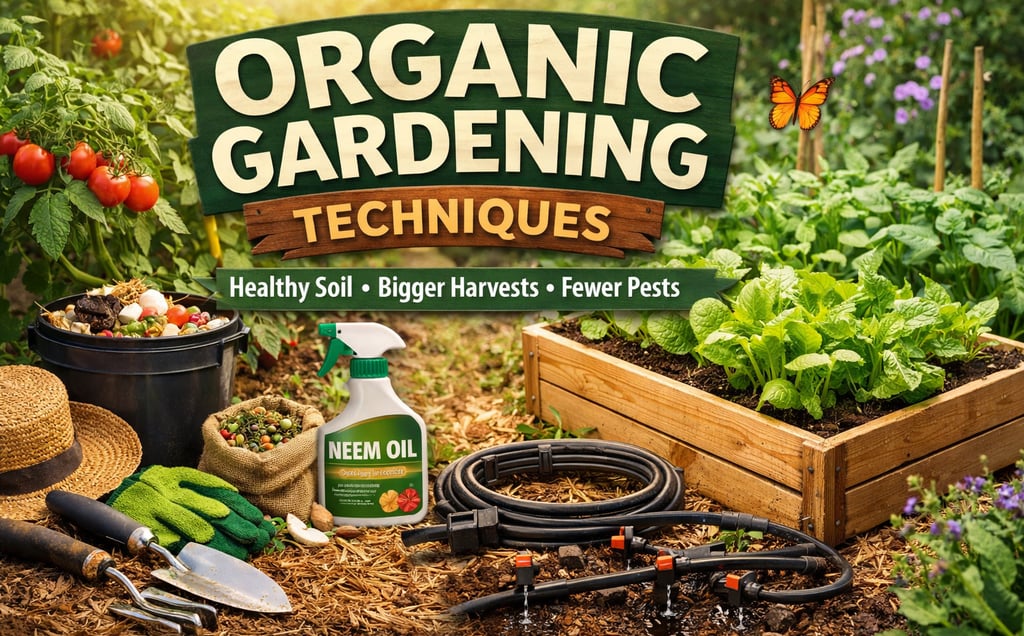
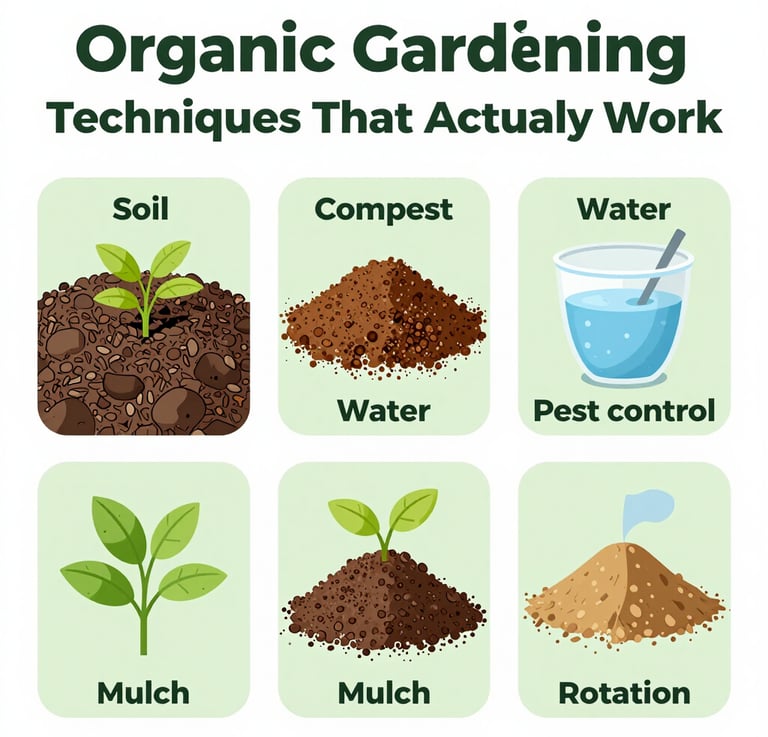
Organic Gardening Techniques: The Complete Practical Guide for Healthier Soil, Bigger Harvests & Fewer Pests
Master organic gardening techniques with proven tips for soil, pest control, and higher yields—simple, natural methods that actually work.
ECO-FRIENDLY GARDENING
3/29/20264 min read
My post content
Introduction: The Real Problem Most Gardens Face
Let’s be honest—most struggling gardens aren’t failing because of bad luck.
They fail because the soil is tired, the plants are stressed, and we’re trying to “fix” everything with quick solutions.
You water more.
You add fertilizer.
You spray something for pests.
And still… results are disappointing.
That’s exactly why more experienced gardeners are turning to organic gardening techniques—not as a trend, but as a smarter system.
Because once your soil and ecosystem are working with you, everything gets easier:
Plants grow stronger
Pests become manageable
Maintenance actually decreases
In this guide, we’ll walk through what actually works in real gardens, not just theory—so you can start seeing results this season.
What Makes Organic Gardening So Effective?
Organic gardening isn’t about avoiding chemicals—it’s about building a system that sustains itself.
Instead of feeding plants directly, you:
👉 Feed the soil
👉 Support beneficial organisms
👉 Create balance
That shift alone changes everything.
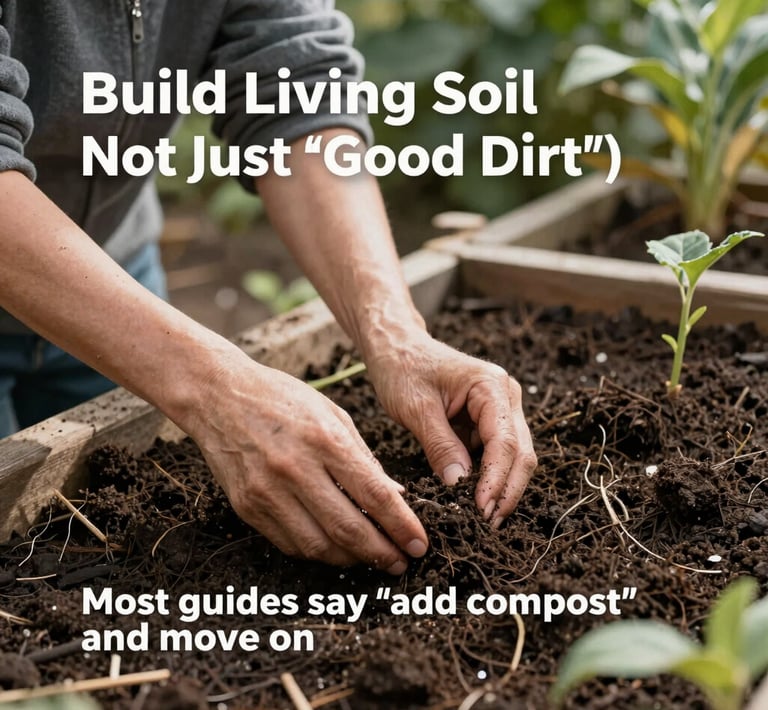
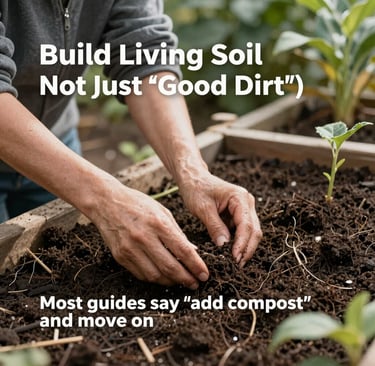
1. Build Living Soil (Not Just “Good Dirt”)
Most guides say “add compost” and move on.
But here’s what experienced gardeners know:
👉 Soil is alive—and that life determines your results.
Step-by-Step Soil Building System
Step 1: Start with structure
Loamy soil drains well but holds nutrients
Avoid compacted or heavy clay bases
Step 2: Add organic matter consistently
Compost (weekly or monthly)
Shredded leaves
Aged manure
Step 3: Feed soil biology
Worm castings
Compost tea
Step 4: Protect it
Never leave soil bare
Always mulch
Real Example
One gardener in California improved yield by 3x in two seasons just by:
Adding compost
Stopping deep tilling
Using mulch
No fertilizers. No pesticides.
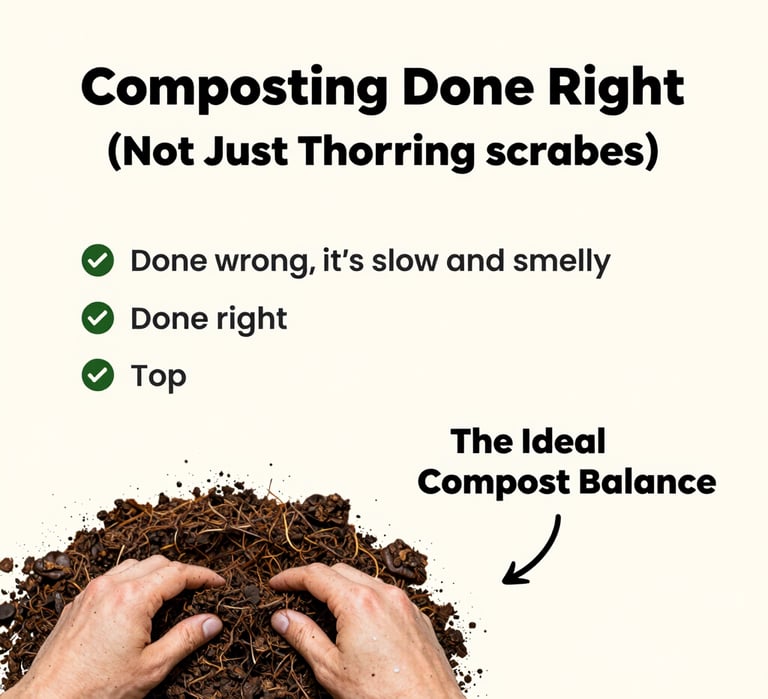
2. Composting Done Right (Not Just Throwing Scraps)
Composting is often misunderstood.
Done wrong, it’s slow and smelly.
Done right, it’s powerful.
The Ideal Compost Balance
You need:
Greens (Nitrogen): food scraps, grass
Browns (Carbon): leaves, cardboard
👉 Aim for roughly 2:1 browns to greens
Fast Composting Method (Beginner Friendly)
Chop materials small
Keep pile moist (not wet)
Turn every 1–2 weeks
Keep it aerated
Why It Matters
According to the United States Department of Agriculture, compost:
Improves soil structure
Increases water retention
Enhances nutrient availability
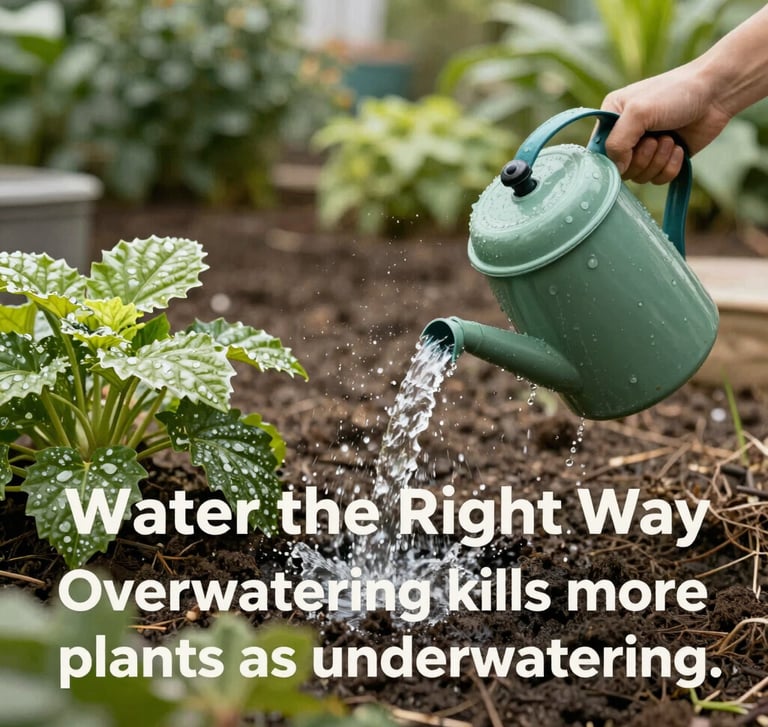
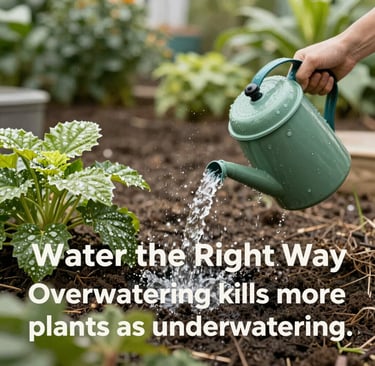
3. Watering the Right Way (Most People Get This Wrong)
Overwatering kills more plants than underwatering.
The Right Approach
Water deeply (not daily)
Let top soil dry slightly
Focus on roots—not leaves
Pro Tip
Stick your finger 2 inches into the soil:
👉 Dry = water
👉 Moist = wait
Upgrade Option
Drip irrigation systems help:
Reduce water waste
Prevent fungal disease
Save time
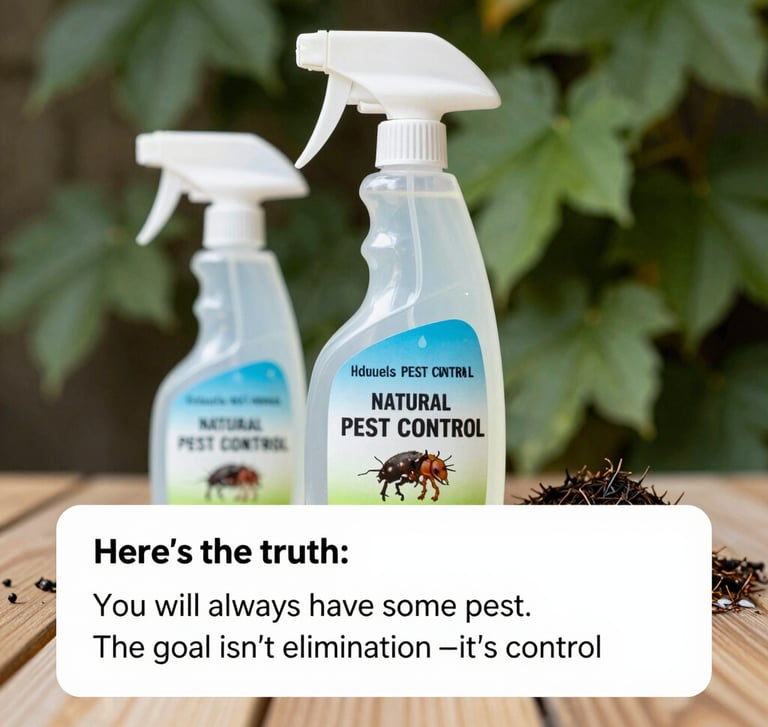
4. Natural Pest Control That Actually Works
Here’s the truth:
You will always have some pests.
The goal isn’t elimination—it’s control.
Proven Organic Methods
1. Neem Oil Spray
Disrupts insect life cycles
Works on aphids, mites, whiteflies
2. Companion Planting
Basil near tomatoes
Marigolds for pest deterrence
3. Manual Control
Early removal prevents outbreaks
Real Scenario
A gardener dealing with aphids avoided chemicals by:
Spraying neem oil
Introducing ladybugs
Within 10 days, infestation dropped significantly.
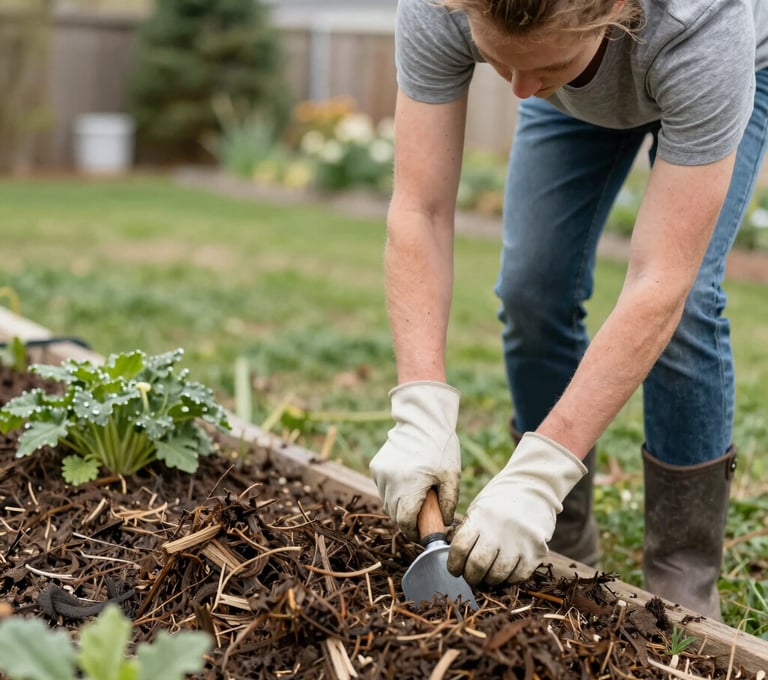
5. Mulching: The Most Underrated Technique
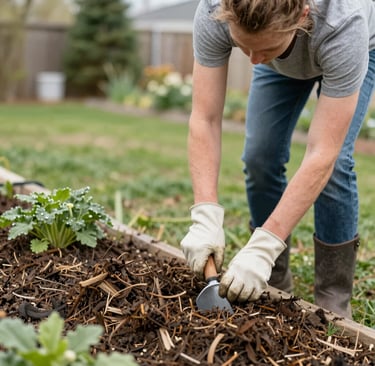
If you do only one thing—mulch.
Why Mulch Is Powerful
Retains moisture
Reduces weeds by up to 80%
Regulates temperature
Feeds soil slowly
Best Organic Mulch Types
Straw (vegetables)
Wood chips (paths)
Grass clippings (quick boost)
6. Crop Rotation (The Secret to Long-Term Success)
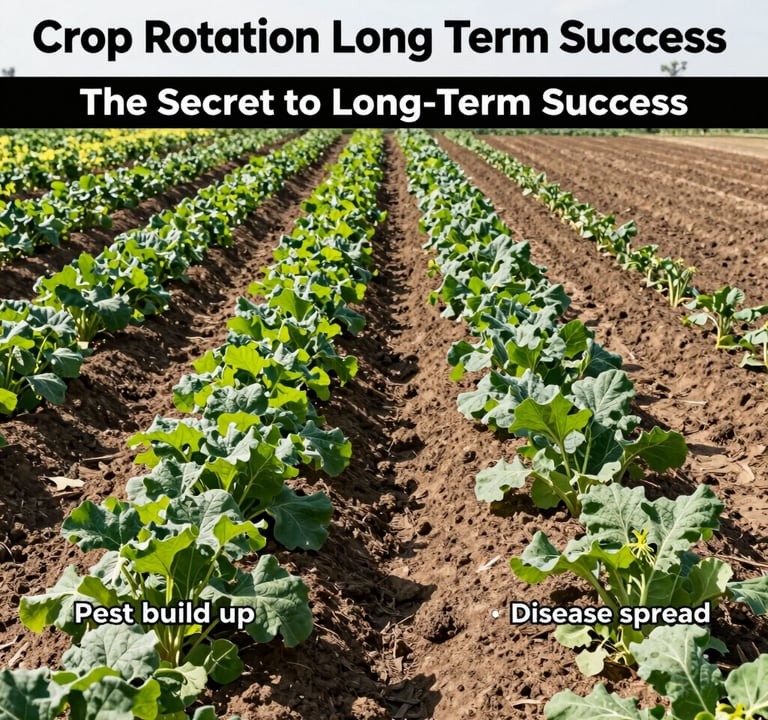
Planting the same crops repeatedly causes:
Nutrient depletion
Pest buildup
Disease spread
Simple 3-Year Rotation
Year 1 → Leafy crops
Year 2 → Root crops
Year 3 → Fruiting crops
👉 Backed by research from University of California Agriculture and Natural Resources.
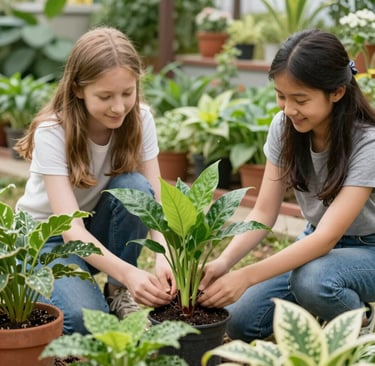
7. Companion Planting (Nature’s Defense System)
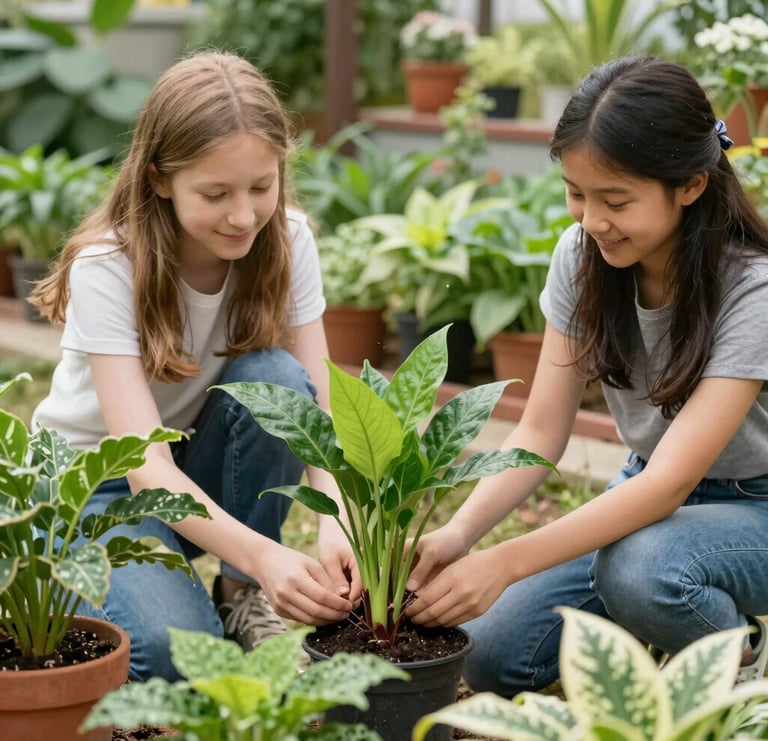
Plants help each other more than most people realize.
Powerful Pairings
Tomatoes + Basil
Carrots + Onions
Lettuce + Radish
Benefits
Natural pest control
Better growth
Improved flavor (in some cases)
🛠 Recommended Organic Gardening Products
These are practical—not gimmicks.
1. Compost Bin (Kitchen to Garden System)
Best For: Continuous composting
Pros:
✔ Reduces waste
✔ Produces nutrient-rich compost
✔ Easy to use
Cons:
✘ Requires space
✘ Needs maintenance
Price Range: $30–$90
2. Neem Oil Spray
Best For: Pest control
Pros:
✔ Organic solution
✔ Effective for many pests
✔ Safe for edible plants
Cons:
✘ Needs repeated use
✘ Strong smell
Price Range: $8–$25
3. Raised Garden Bed Kit
Best For: Soil control
Pros:
✔ Better drainage
✔ Easier maintenance
✔ Ideal for beginners
Cons:
✘ Setup required
✘ Initial cost
Price Range: $45–$200
4. Organic Fertilizer
Best For: Long-term plant health
Pros:
✔ Slow-release nutrients
✔ Improves soil
✔ Safe
Cons:
✘ Slower results
Price Range: $10–$40
Affiliate Disclosure
As an Amazon Associate, HonestGardener.com earns from qualifying purchases at no extra cost to you.
Beginner Routine (Simple & Effective)
If you’re overwhelmed, start here:
Add compost
Plant easy crops
Mulch immediately
Water deeply
Check plants weekly
That’s it.
FAQ
What is the easiest organic gardening technique?
Mulching—it gives immediate results with minimal effort.
How long before I see results?
Usually within one growing season.
Is organic gardening worth it?
Yes—better soil, healthier plants, and long-term savings.
Do organic gardens get fewer pests?
Not fewer—but easier to manage.
Key Takeaways
Soil health is everything
Compost consistently
Water less, but better
Mulch always
Work with nature—not against it
Final Thoughts: This Is the Smarter Way to Garden
Once you switch to organic gardening techniques, something interesting happens:
You stop reacting…
And start controlling the system.
That’s when gardening becomes easier—and far more rewarding.
👉 Start with just one technique today—compost or mulch.
👉 Then build from there.
Explore more expert guides on HonestGardener.com and grow better, naturally 🌱
Want to Know More on Gardening?
Please Read :
Subscribe
Join us for tips and product reviews.
Contact
Affiliate disclaimer
© 2025. All rights reserved.
As an affiliate, we may earn a commission from qualifying purchases. We get commissions for purchases made through links on this website from Amazon and other third parties.