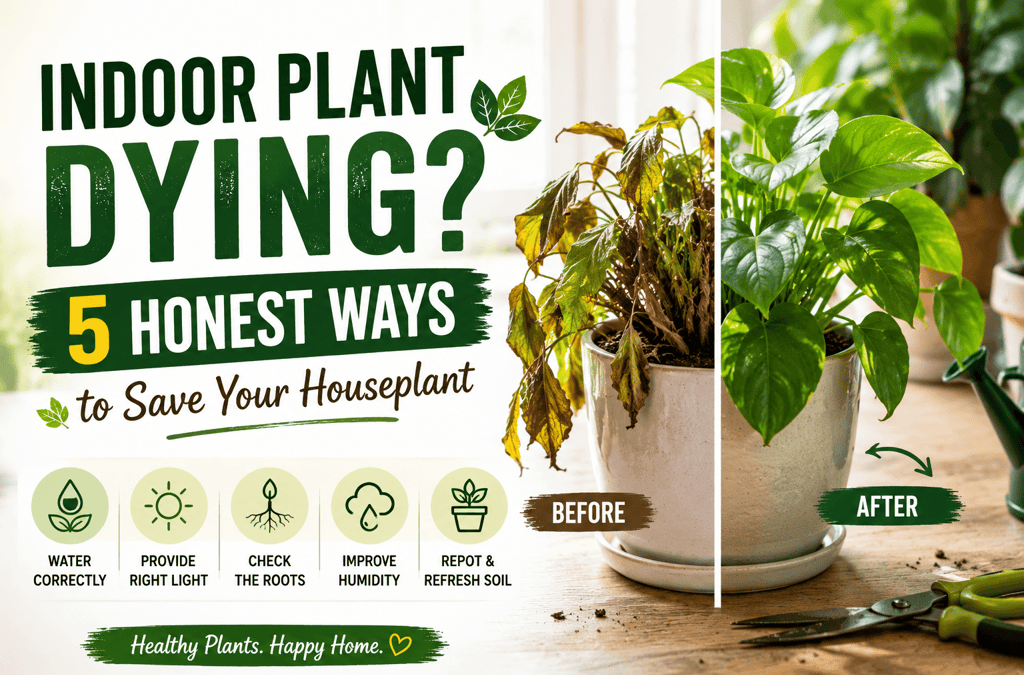
Indoor Plant Dying? 5 Honest Ways to Save Your Houseplant
Indoor plant dying? Learn 5 proven ways to save your houseplant, fix yellow leaves, prevent root rot, and revive struggling indoor plants fast.
INDOOR GARDENING
6/1/20265 min read
Have you ever walked past your favorite houseplant and noticed yellow leaves, drooping stems, or crispy brown edges?
You watered it.
You gave it sunlight.
You even talked to it.
Yet somehow, it still looks like it's heading toward the compost pile.
If your indoor plant is dying, you're not alone.
One of the biggest misconceptions in houseplant care is believing that more water, more fertilizer, or more sunlight automatically fixes problems. In reality, many struggling plants decline because of simple mistakes that are easy to correct once you know what to look for.
The good news?
Most indoor plants can recover—even when they look surprisingly unhealthy.
In this guide, you'll discover the five honest ways to save your houseplant, identify common causes of decline, and learn practical solutions that actually work.
Whether you're caring for a pothos, monstera, snake plant, peace lily, or fiddle leaf fig, these methods can help bring your plant back to life.
Why Indoor Plants Start Dying
Before fixing a problem, you need to understand what caused it.
Most houseplant issues fall into one of five categories:
Overwatering
Underwatering
Poor lighting
Root problems
Environmental stress
Many gardeners assume pests are responsible, but watering and lighting mistakes account for most plant deaths.
A healthy recovery starts with proper diagnosis.
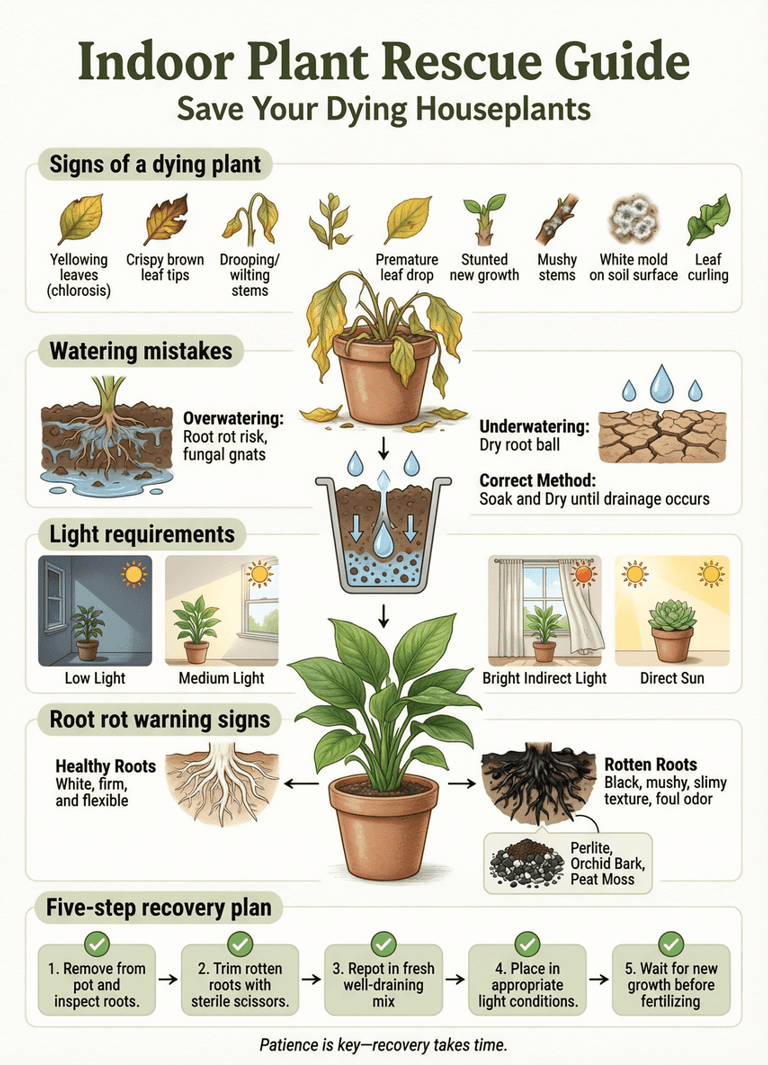
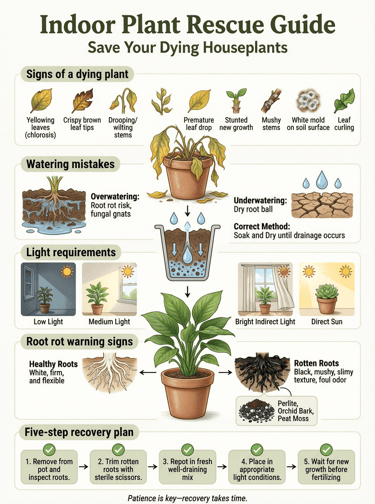
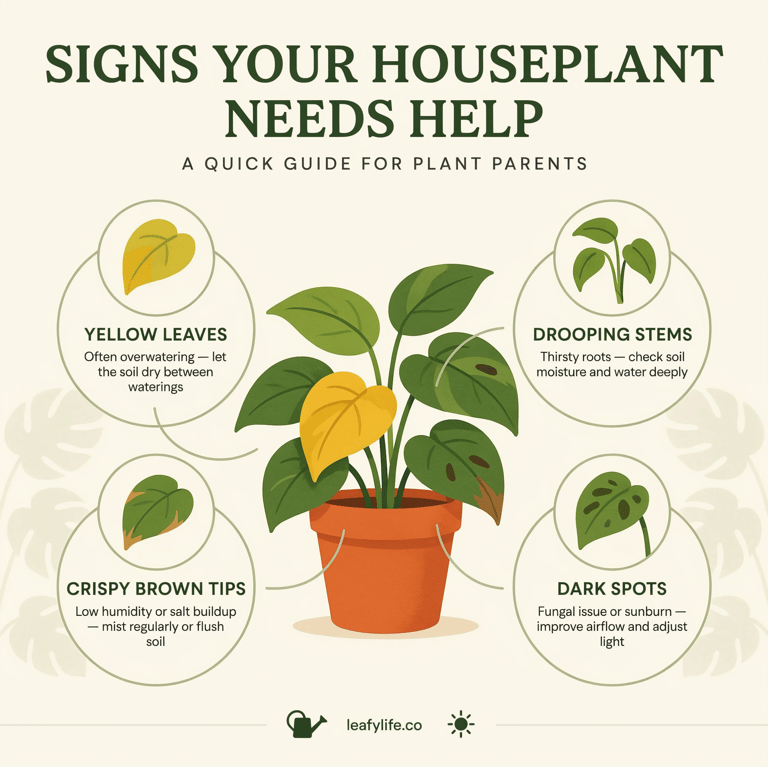
Signs Your Houseplant Needs Help
Plants communicate through their leaves and stems.
Watch for:
Yellow Leaves
Usually indicates:
Overwatering
Poor drainage
Nutrient issues
Brown Crispy Edges
Often caused by:
Dry air
Underwatering
Excess fertilizer
Drooping Stems
May indicate:
Root rot
Thirst
Temperature stress
Slow Growth
Often linked to:
Insufficient light
Root-bound conditions
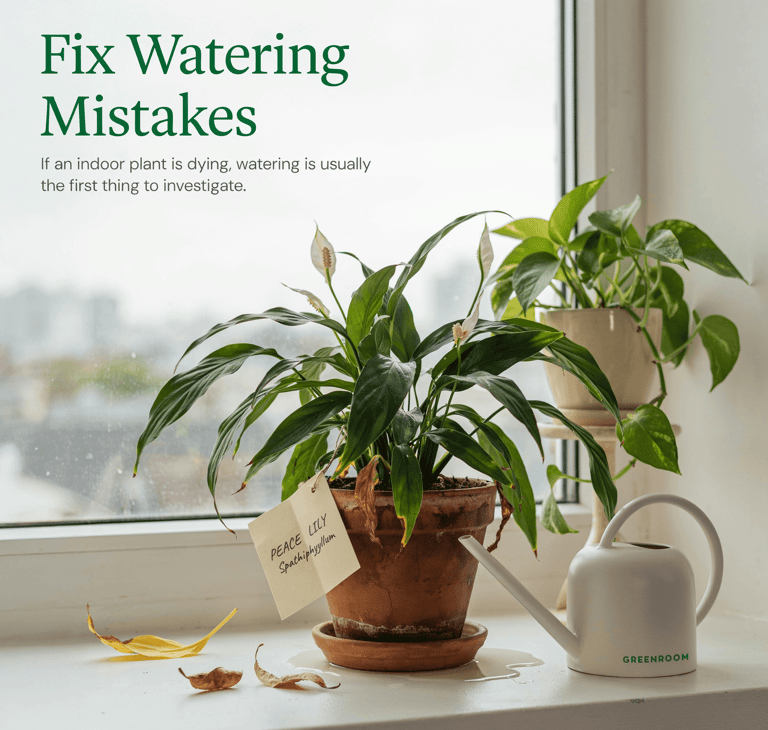
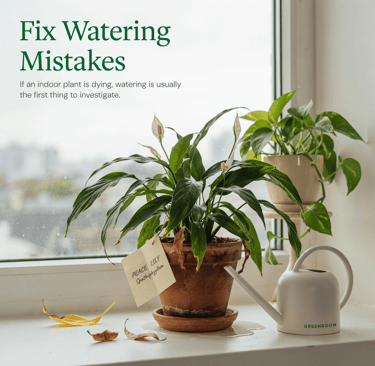
Honest Way #1: Fix Watering Mistakes
If an indoor plant is dying, watering is usually the first thing to investigate.
The Problem With Overwatering
Many gardeners kill plants with kindness.
Too much water removes oxygen from the soil, causing roots to suffocate.
Symptoms include:
Yellow leaves
Mushy stems
Foul-smelling soil
Fungus gnats
The Problem With Underwatering
Underwatered plants display:
Drooping foliage
Dry soil
Brown leaf edges
Curling leaves
How to Water Correctly
Instead of watering on a schedule:
✔ Check soil moisture first.
Insert your finger 1–2 inches into the soil.
If it feels dry, water thoroughly.
If it feels moist, wait.
Real-Life Example
A homeowner watered her pothos every two days.
Leaves turned yellow.
After switching to moisture-based watering, the plant recovered within weeks.
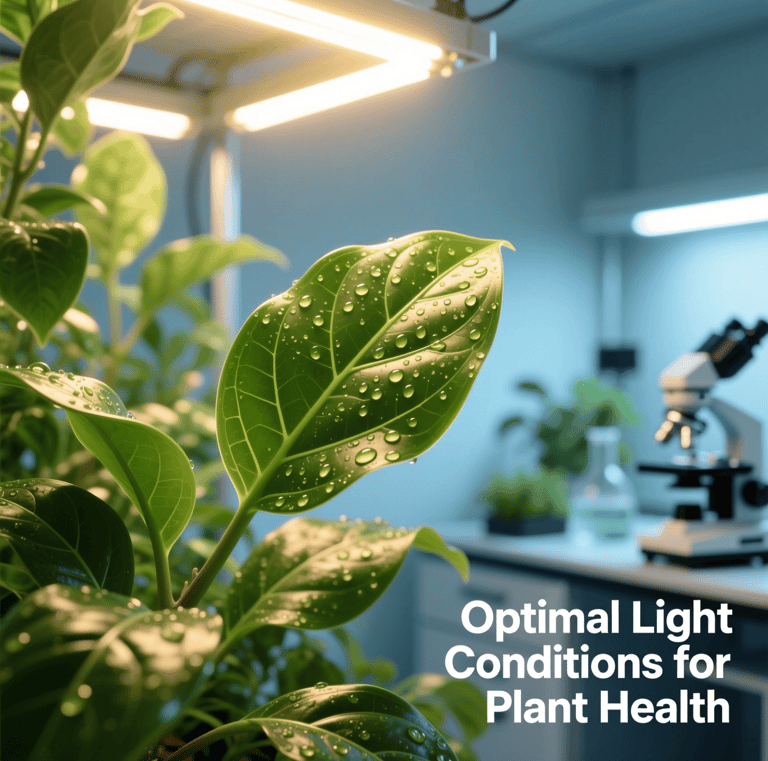
Honest Way #2: Improve Light Conditions
Light affects every aspect of plant health.
Without enough light, plants cannot produce the energy needed for growth.
Signs of Insufficient Light
Small leaves
Leggy stems
Slow growth
Pale foliage
Signs of Excessive Light
Scorched leaves
Brown spots
Leaf bleaching
How to Find the Right Spot
Low-Light Plants
Snake plant
ZZ plant
Cast iron plant
Medium-Light Plants
Pothos
Philodendron
Peace lily
Bright-Light Plants
Monstera
Fiddle leaf fig
Rubber plant
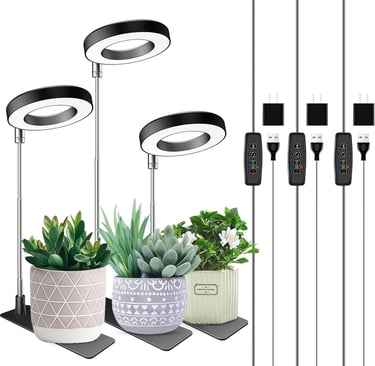
Using Grow Lights
If your home lacks natural light:
Use full-spectrum LED grow lights
Position lights 8–12 inches above plants
Run 10–12 hours daily
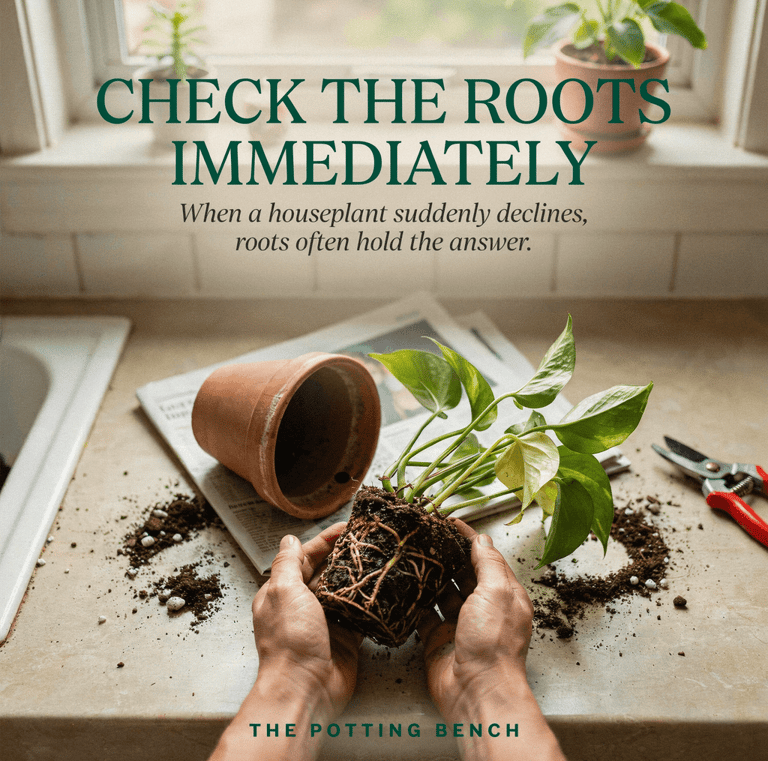
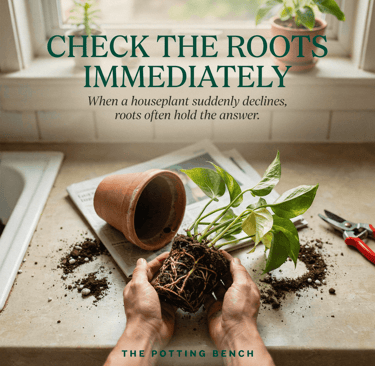
Honest Way #3: Check the Roots Immediately
When a houseplant suddenly declines, roots often hold the answer.
How to Inspect Roots
Gently remove the plant from its pot.
Healthy roots should be:
✔ White or cream colored
✔ Firm
✔ Fresh-smelling
Signs of Indoor Plant Root Rot
Look for:
Black roots
Mushy texture
Rotten smell
Root rot commonly develops from poor drainage and excessive watering.
How to Fix Root Rot
Remove affected roots.
Sterilize pruning tools.
Repot in fresh soil.
Reduce watering frequency.
Many plants recover if root rot is caught early.
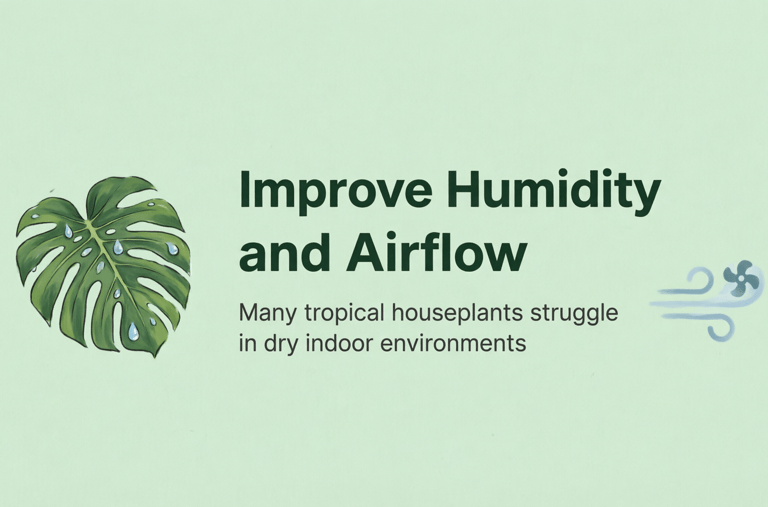
Honest Way #4: Improve Humidity and Airflow
Many tropical houseplants struggle in dry indoor environments.
Plants That Love Humidity
Calathea
Ferns
Peace lilies
Prayer plants
Signs of Low Humidity
Brown leaf tips
Curling leaves
Crispy edges
Ways to Increase Humidity
Use a Humidifier
Most effective solution.
Pebble Trays
Affordable and simple.
Group Plants Together
Creates a small humidity zone.
Don't Forget Airflow
Stagnant air encourages:
Fungal diseases
Mold growth
Pest infestations
A small fan can improve plant health significantly.
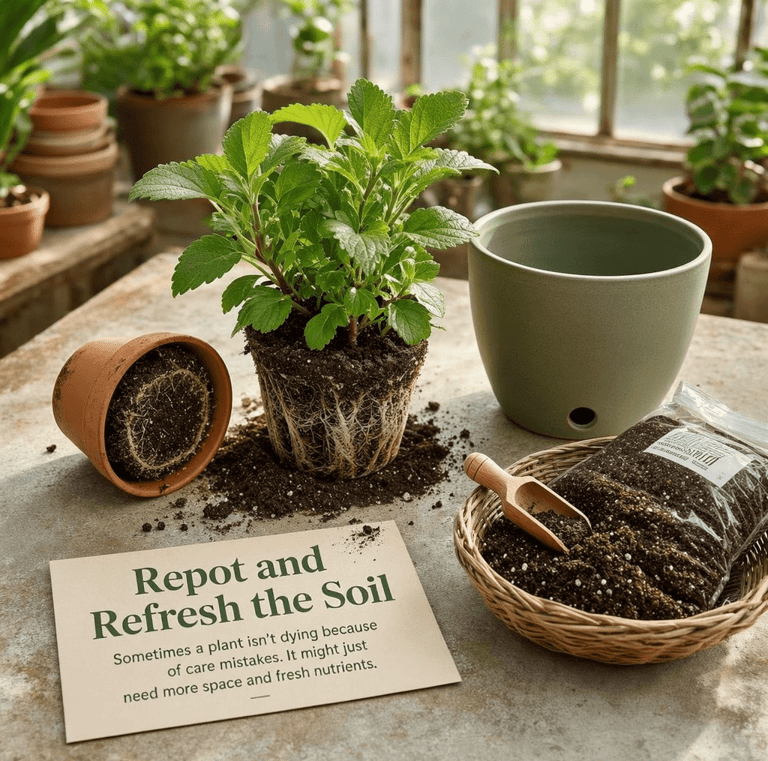
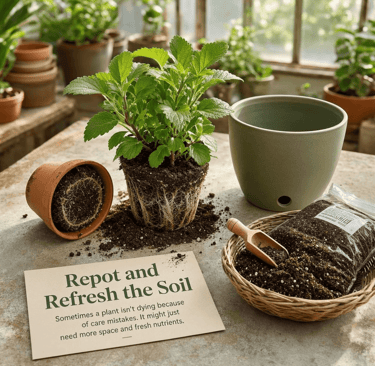
Honest Way #5: Repot and Refresh the Soil
Sometimes a plant isn't dying because of care mistakes.
It simply needs more room.
Signs Your Plant Needs Repotting
Roots growing from drainage holes
Water draining too quickly
Stunted growth
Compact root ball
How to Repot Correctly
Step 1
Choose a pot 1–2 inches larger.
Step 2
Use fresh, high-quality potting mix.
Step 3
Loosen roots gently.
Step 4
Water thoroughly after repotting.
Beginner Tip
Avoid oversized pots.
Too much soil holds excess moisture and increases root rot risk.
Common Indoor Plant Problems and Solutions
Beginner Rescue Tips
If your indoor plant is dying:
✔ Stop fertilizing temporarily
✔ Remove dead leaves
✔ Check roots
✔ Improve drainage
✔ Move plant to proper lighting
✔ Monitor recovery weekly
Remember: recovery takes time.
Most plants won't bounce back overnight.
Best Amazon Products for Saving Dying Houseplants
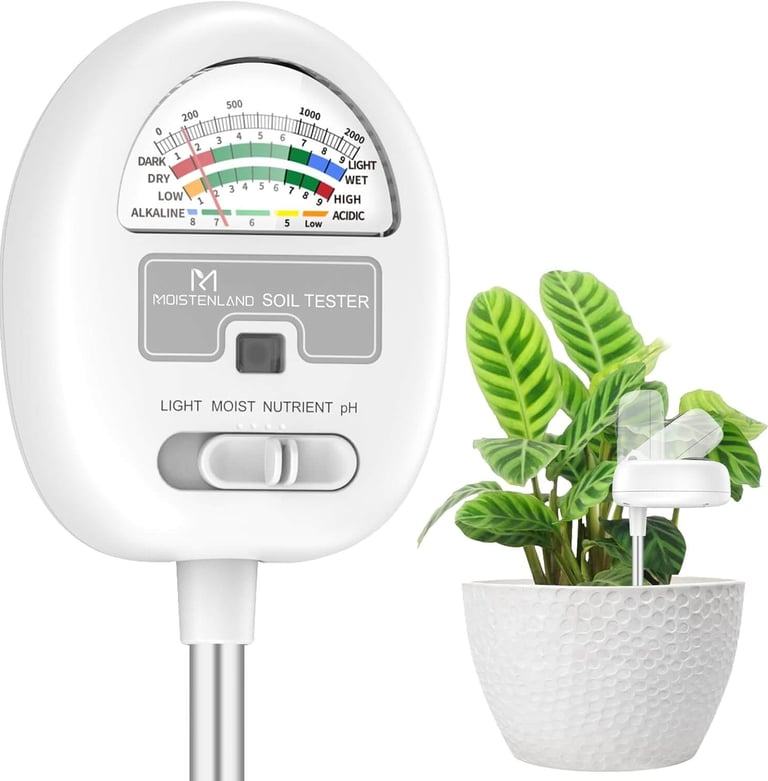
1. Moisture Meter
Best For: Preventing overwatering
Pros
Easy to use
Accurate readings
No batteries needed
Cons
Must clean probe regularly
Less accurate in rocky soil
Price Range: $10–$20
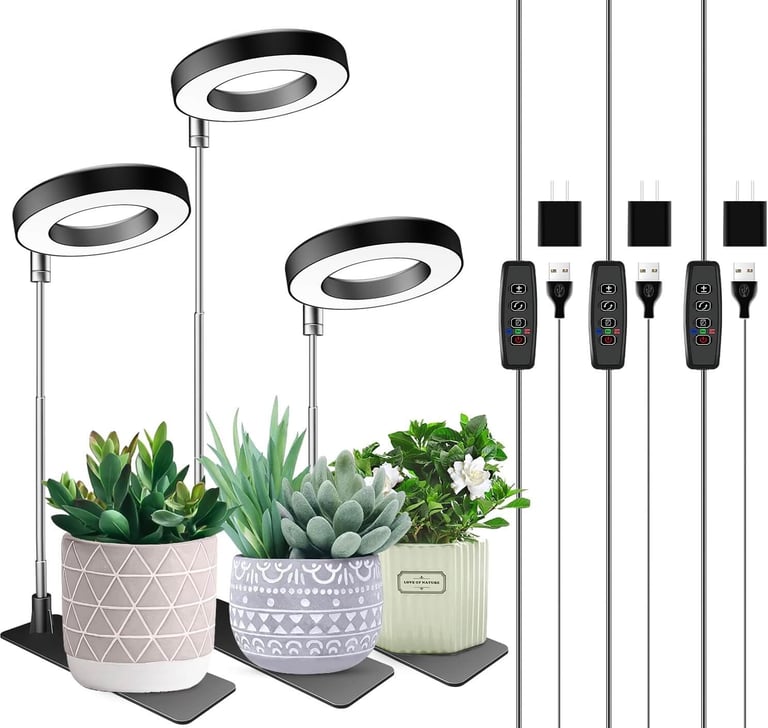
2. LED Grow Light
Best For: Low-light rooms
Pros
Energy efficient
Supports year-round growth
Adjustable brightness
Cons
Requires outlet
Can clutter small spaces
Price Range: $25–$80
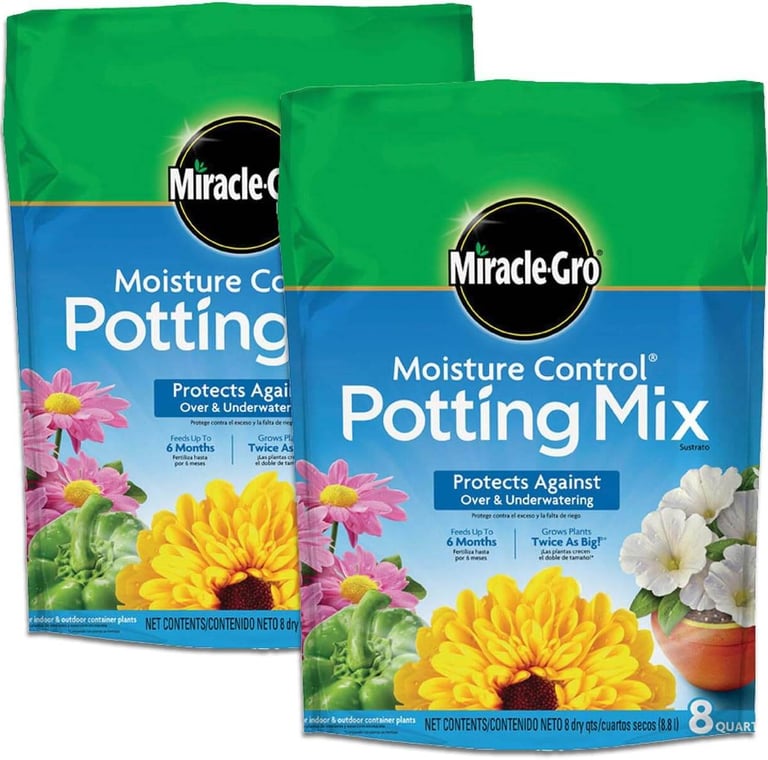
3. Indoor Potting Mix
Best For: Root health
Pros
Excellent drainage
Nutrient rich
Lightweight
Cons
Needs replacement over time
Higher-quality mixes cost more
Price Range: $10–$30
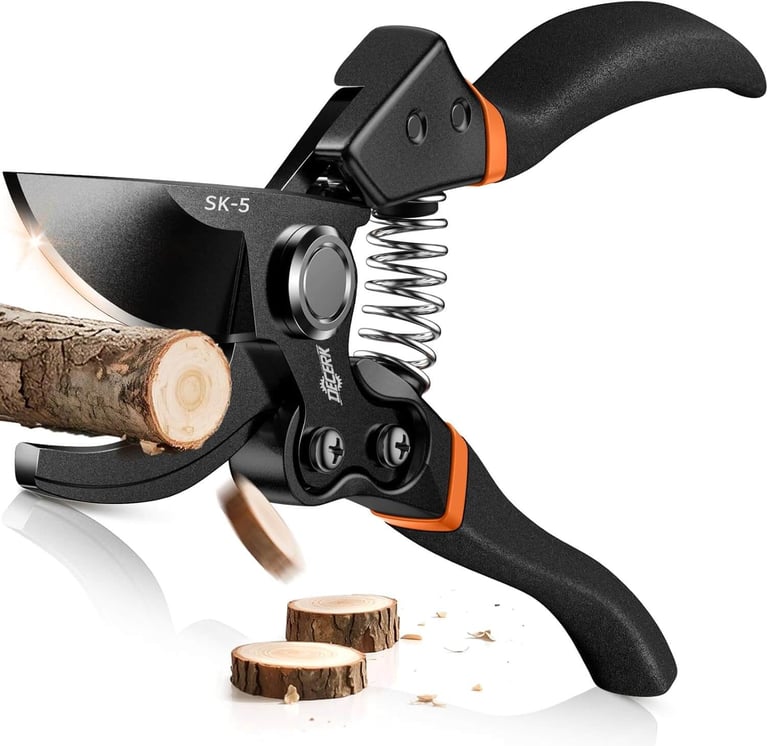
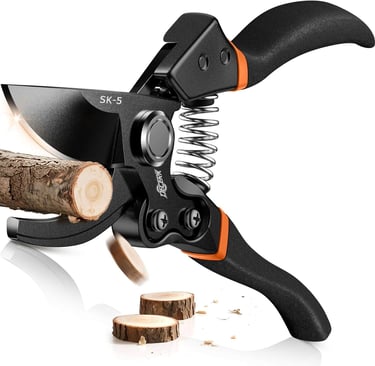
4. Pruning Shears
Best For: Removing damaged growth
Pros
Sharp cuts
Comfortable grip
Long-lasting
Cons
Needs sharpening
Must sanitize regularly
Price Range: $10–$25
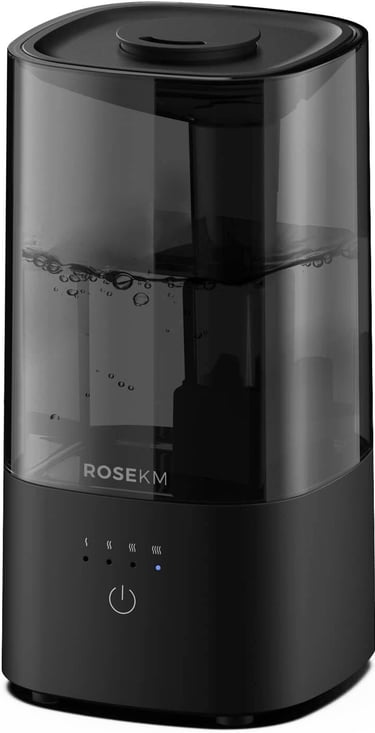
5. Plant Humidifier
Best For: Tropical plants
Pros
Raises humidity quickly
Quiet operation
Improves plant health
Cons
Requires refilling
Takes up space
Price Range: $20–$60
Affiliate Disclosure
As an Amazon Associate, HonestGardener.com earns from qualifying purchases at no additional cost to you.
Frequently Asked Questions
Can a dying houseplant be saved?
Yes. Most indoor plants recover if the underlying issue is identified early.
Should I cut off yellow leaves?
Yes. Removing damaged foliage helps redirect energy toward healthy growth.
How long does plant recovery take?
Minor issues may improve within weeks. Severe root damage can take several months.
What is the most common reason indoor plants die?
Overwatering is the leading cause of houseplant failure.
Can plants recover from root rot?
If caught early and treated properly, many plants can recover successfully.
Key Takeaways
Most dying houseplants suffer from watering mistakes.
Light problems often mimic nutrient deficiencies.
Root inspections reveal hidden issues.
Humidity matters more than many gardeners realize.
Repotting can dramatically improve plant health.
Final Thoughts
Watching a favorite plant decline can be frustrating, but it doesn't mean you've failed as a gardener.
Every experienced plant owner has lost plants and made mistakes.
The difference is learning to recognize problems early and responding with the right solution.
By fixing watering habits, improving light, checking roots, increasing humidity, and repotting when necessary, you'll dramatically improve your chances of success.
Many struggling plants are only a few simple changes away from becoming healthy, thriving houseplants again.
Ready to Rescue Your Houseplants?
Take a close look at your plants today.
Identify the symptoms, follow the five honest recovery steps above, and give your indoor garden a fresh start.
For more practical gardening guides, plant care tips, and beginner-friendly tutorials, visit HonestGardener.com.
Want to Know More on Gardening?
Please Read :
Subscribe
Join us for tips and product reviews.
Contact
Affiliate disclaimer
© 2025. All rights reserved.
As an affiliate, we may earn a commission from qualifying purchases. We get commissions for purchases made through links on this website from Amazon and other third parties.