Indoor Gardening Supplies: What You Actually Need to Grow Healthy Plants Indoors
Looking for the right indoor gardening supplies? Learn what actually works, common mistakes, and simple tools for U.S. home gardeners.
INDOOR GARDENING
12/31/20254 min read
Introduction: Why Indoor Gardening Supplies Matter More Than You Think
When I first tried indoor gardening, I assumed it would be easier than growing outdoors. No weather problems, no pests, no surprises—just plants growing quietly inside the house.
That didn’t last long.
My plants stretched toward the window, leaves turned yellow, and some seedlings simply gave up. It wasn’t my enthusiasm that was missing—it was the right indoor gardening supplies.
Indoor plants depend entirely on us. Light, water, airflow, nutrients—everything comes from the setup we create. Once I understood that, indoor gardening became far more predictable and enjoyable.
This guide breaks down what indoor gardening supplies you actually need, what you can skip, and how to avoid common beginner mistakes—based on real use, not marketing hype.
What Are Indoor Gardening Supplies?
Indoor gardening supplies include the tools and equipment that replace what nature normally provides outdoors, such as:
Sunlight
Rainfall
Wind and airflow
Natural soil balance
The goal isn’t to recreate the outdoors perfectly—but to give plants just enough of what they need to grow well indoors.
Who Needs Indoor Gardening Supplies?
Indoor gardening supplies are especially useful if you:
Live in an apartment or condo
Have limited outdoor space
Want fresh herbs or greens year-round
Garden during winter months
Grow houseplants or indoor vegetables
If plants live inside your home, they rely on your setup completely.
Essential Indoor Gardening Supplies (What I Use and Why)


1. Grow Lights (The Most Important Supply)
Without proper light, indoor plants struggle—no matter how good everything else is.
What I’ve learned:
Windows alone are rarely enough
Plants need consistent light
Grow lights don’t have to be complicated
Best options for beginners:
LED grow lights
Full-spectrum bulbs
Clip-on or shelf lights
Amazon affiliate mention:
✔️ LED full-spectrum grow lights


2. Pots and Containers That Drain Properly
Poor drainage causes more indoor plant deaths than almost anything else.
What to look for:
Drainage holes
Breathable materials
Correct size for plant roots
Helpful options:
✔️ Plastic pots with trays
✔️ Fabric grow bags for herbs


3. Quality Potting Soil (Not Garden Soil)
Outdoor soil doesn’t work indoors.
Good indoor potting mix should:
Drain well
Stay lightweight
Hold moisture without becoming soggy
Affiliate mention:
✔️ Organic indoor potting mix


4. Watering Tools for Indoor Use
Indoor watering is about control—not volume.
What works best for me:
Small watering cans
Long-neck spouts
Spray bottles for seedlings
Affiliate mention:
✔️ Indoor watering can with narrow spout
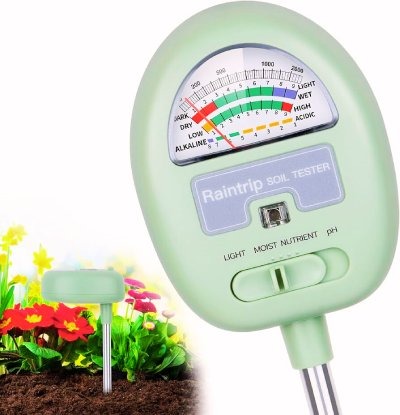
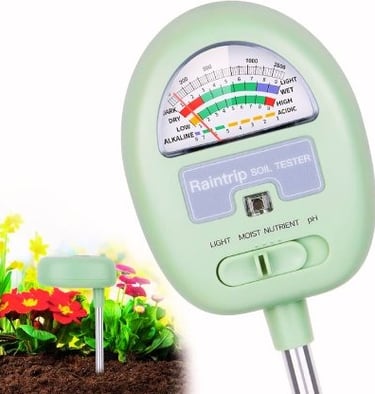
5. Soil Moisture Meter (Prevents Overwatering)
Guessing leads to overwatering.
A soil moisture meter helps you:
Check moisture below the surface
Avoid root rot
Water only when needed
Affiliate mention:
✔️ Soil moisture meter
Indoor Gardening Tools That Make Life Easier
These aren’t required—but they help.
✔️ Hand pruners
✔️ Plant labels
✔️ Seed trays
✔️ Heat mats (for seed starting)
A few simple tools make indoor gardening more enjoyable and organized.
Indoor Vegetable Gardening Supplies (Yes, You Can Grow Food Indoors)
Indoor vegetable gardening works best with:
Leafy greens
Herbs
Compact varieties
Best Indoor Vegetables
Lettuce
Spinach
Green onions
Basil
Microgreens
Helpful supplies:
✔️ Grow light shelves
✔️ Seed starting trays
✔️ Shallow containers
Beginner Indoor Gardening Kit: Should You Buy One?
A beginner indoor gardening kit can be helpful—but not all are worth it.
Pros
Everything included
Simple setup
Good for first-timers
Cons
Often overpriced
Limited customization
My advice:
Start simple. Add supplies as you learn what your plants need.
Best Indoor Gardening Equipment for Small Spaces
If space is limited, choose supplies that stack or hang.
Space-saving ideas:
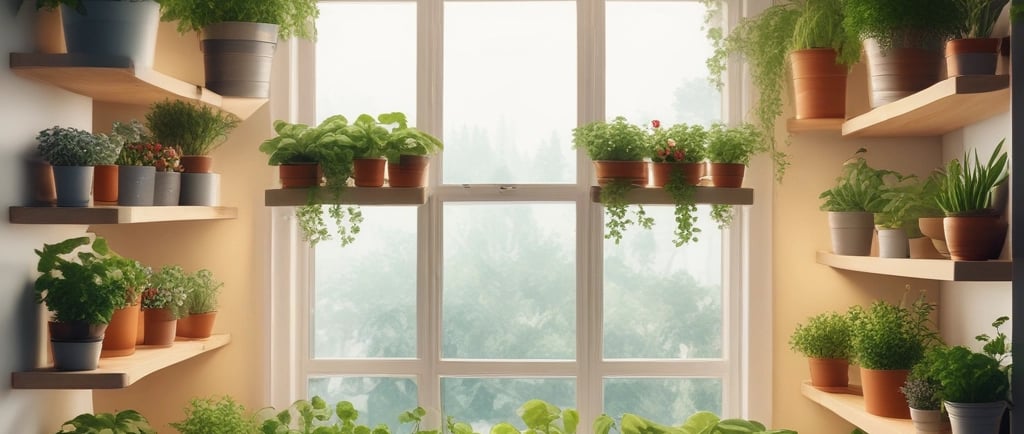
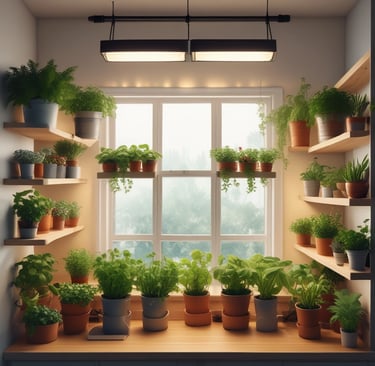
Vertical shelves with grow lights
Hanging planters
Windowsill herb kits
Affiliate mention:
✔️ Indoor grow light shelf system
Common Indoor Gardening Problems (And the Supplies That Fix Them)
Problem: Leggy, Weak Plants
Cause: Not enough light
Fix: LED grow lights
Problem: Yellow Leaves
Cause: Overwatering or poor drainage
Fix: Moisture meter + better soil
Problem: Mold or Fungus
Cause: Poor airflow
Fix: Small fan or better spacing
Problem: Slow Growth
Cause: Lack of nutrients
Fix: Organic liquid fertilizer (light feeding)
Fertilizers for Indoor Gardening (Use Less Than You Think)
Indoor plants need nutrients—but too much causes problems.
What I use:
Diluted organic liquid fertilizer
Less often than outdoor plants
Affiliate mention:
✔️ Organic liquid fertilizer for indoor plants
Lighting Schedule Tips That Actually Work
Plants don’t just need light—they need consistent timing.
Simple rule:
12–14 hours of light for leafy greens
Use a timer for consistency
Affiliate mention:
✔️ Plug-in grow light timer
Indoor Gardening Supplies for Herbs
Herbs are perfect indoor plants.
Best supplies for herbs:
Small pots
Bright grow lights
Well-draining soil
Popular indoor herbs:
Basil
Mint
Parsley
Chives
How I Set Up a Simple Indoor Garden (My Routine)
Choose plants
Set up grow light
Use proper pots and soil
Water carefully
Observe and adjust
Indoor gardening improves fast once you understand plant signals.
Are Indoor Gardening Supplies Expensive?
They don’t have to be.
Start with:
One grow light
A few pots
Good soil
Build your setup gradually instead of buying everything at once.
Safety Tips for Indoor Gardening Equipment
Keep water away from electrical outlets
Use UL-listed lights
Avoid extension cord overload
Safety matters—especially with lights and moisture.
Frequently Asked Questions (FAQ)
What are the most important indoor gardening supplies?
Grow lights, pots with drainage, quality potting soil, and watering tools.
Can I grow vegetables indoors?
Yes—leafy greens and herbs grow especially well indoors.
Do indoor plants really need grow lights?
Most do. Windows alone usually aren’t enough.
Is indoor gardening good for beginners?
Absolutely. It offers control and year-round learning.
Are indoor gardening kits worth it?
Some are helpful, but building your own setup offers better flexibility.
Final Thoughts: Indoor Gardening Is About Control, Not Complexity
Indoor gardening taught me patience and observation. Once you have the right indoor gardening supplies, plants become easier to read and care for.
You don’t need a high-tech system—just the right basics, consistency, and attention.
Start small. Learn fast. Grow year-round.
Want to Know More on Gardening?
Please Read :
Subscribe
Join us for tips and product reviews.
Contact
Affiliate disclaimer
© 2025. All rights reserved.
As an affiliate, we may earn a commission from qualifying purchases. We get commissions for purchases made through links on this website from Amazon and other third parties.