
Hydroponic Tower Garden System: The Complete Beginner’s Guide to Growing More in Less Space
Learn how to grow more food in less space with a hydroponic tower garden system. A beginner-friendly guide to setup, care, and the best Amazon picks.
VERTICAL GARDENING
11/24/20256 min read
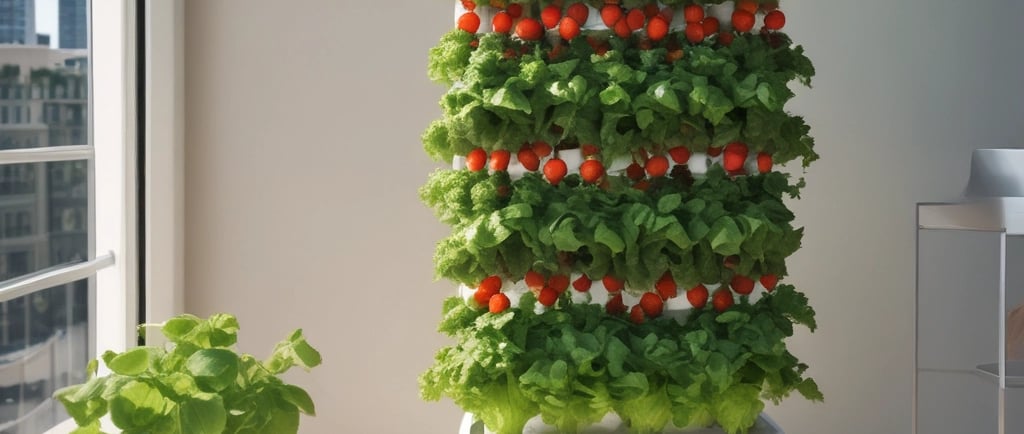

If you’ve ever wished you could grow fresh herbs, leafy greens, or even strawberries without needing a big backyard—or any soil at all—a hydroponic tower garden system might be exactly what you've been missing. Over the last few years, these tall, compact growing setups have become a favorite among urban gardeners, apartment dwellers, and anyone trying to grow food in tight spaces.
But the real surprise? You don’t have to be a tech-savvy gardener to use one. Even if your gardening experience is limited to watering a basil plant twice a week, you can still build a thriving, soil-free garden using a vertical hydroponic tower.
I’ve watched a lot of new gardeners try hydroponics for the first time—some with hesitation, some with excitement—and nearly all of them say the same thing afterward:
“I can’t believe how fast everything grew.”
In this guide, you’ll learn exactly how a hydroponic tower garden system works, which plants thrive in it, how to choose the right one, and how to keep it running with as little hassle as possible. Whether you want year-round fresh produce or a beautiful living display, this step-by-step breakdown will help you get started.
What Exactly Is a Hydroponic Tower Garden System?
A hydroponic tower garden is a tall, vertical structure that grows plants without soil. Instead, the plant roots sit in a nutrient-rich water solution that circulates through the tower. The system keeps the plants perfectly fed and hydrated, which is why growth tends to be noticeably faster than in a traditional raised bed or container garden.
Most tower systems use one of two approaches:
1. Aeroponic Towers
The roots dangle in the air while a pump sprays misted nutrients onto them.
This method provides incredible oxygen exposure, which plants love.
2. Vertical Hydroponic Towers
Water continuously flows from the top of the tower down through each grow pocket.
Plants absorb what they need, and the rest collects in the reservoir.
Both styles work well, and both save a lot of space. The average tower takes up about as much room as a kitchen stool yet holds between 20 and 50 plants. For anyone living in a studio apartment or running out of patio space, that’s a pretty big deal.

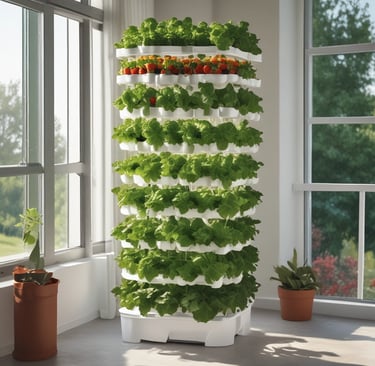
Why Gardeners Love These Systems (And Why They’re Trending)
If you’re wondering whether a hydroponic tower is worth the investment, think about these benefits:
🌱 1. You Grow More Food in Less Space
One vertical tower can match the output of a 4×6 ft raised bed.
🚫 2. No Weeding, No Mess, No Soil Bugs
For many people, this is the #1 selling point.
⚡ 3. Plants Grow Shockingly Fast
Because nutrients go straight to the roots, growth can be 30–50% quicker.
🔄 4. They Use 90% Less Water
The system recirculates the same water instead of constantly draining away like soil beds.
🏡 5. Perfect for Indoors or Outdoors
Sunroom, balcony, kitchen corner, rooftop—anywhere you want.
🌞 6. Works Year-Round With Grow Lights
Even in winter, you can keep producing fresh food.
Once you get used to having fresh lettuce or basil whenever you want, it’s hard to go back to store-bought.
What Can You Grow in a Hydroponic Tower Garden?
Quite a lot, actually. While not every plant is an ideal match, most leafy, vining, or small-rooted vegetables do great.
Best Plants for Tower Hydroponics
Lettuce (romaine, butterhead, oakleaf)
Spinach
Arugula
Kale
Swiss chard
Bok choy
Basil
Mint
Dill
Parsley
Cilantro
Strawberries
Cherry tomatoes (with support)
Peppers
Cucumbers (mini or bush varieties)
Plants That Don’t Work Well
Large melons
Corn
Root vegetables (carrots, potatoes)
Huge pumpkin varieties
If you're ever unsure, the general rule is simple:
If the roots get huge or the plant gets heavy, it’s not ideal for a tower system.
How a Hydroponic Tower Garden System Works
Even though the technology looks impressive, the heart of the system is simple:
1. A Vertical Tower with Plant Pockets
Each pocket holds a plant in a small net cup.
2. A Base Reservoir Holding Nutrient Solution
This is the “food source” for your plants.
3. A Water Pump
It moves water from the reservoir up through the tower.
4. Gravity
Water flows back down, feeding each plant along the way.
5. Optional Grow Lights
Indoor gardeners rely on these to keep plants growing consistently.
Once everything is set up, the system runs quietly in the background. Your job is to check water levels, top off nutrients, and prune plants as needed.
Step-by-Step: How to Set Up Your Hydroponic Tower Garden
A lot of people get nervous during setup, but it’s easier than assembling flat-pack furniture. Here’s a beginner-friendly walkthrough:
1. Pick the Right Location
Look for:
6–8 hours of sunlight (or use grow lights)
A level, stable surface
A nearby electrical outlet for the pump
For indoor setups, kitchens and sunrooms are perfect. Outdoors, a balcony or patio works great.
2. Assemble the Tower Sections
Most tower systems come in stackable pieces. You:
Attach the base
Stack the grow modules
Insert net cups
It usually takes 15–30 minutes.
3. Add Water and Hydroponic Nutrients
Fill the reservoir with clean water.
Then mix in a hydroponic nutrient solution according to the label (typically 5–10 ml per gallon).
4. Insert Seedlings
You can:
Start seeds in rockwool cubes
Buy ready-made hydroponic seedlings
Slide each plant into a net cup and place it in a tower pocket.
5. Turn On the Pump
The pump circulates water automatically.
Most gardeners run it continuously, while others use a simple timer (15 minutes on, 15 minutes off).
6. Add a Light Kit (Indoor Only)
Plants will struggle indoors without added light.
LED grow lights designed for vertical towers are the easiest option.
Daily , Weekly & Monthly Care Guide
One of the best parts of hydroponic towers is how little maintenance they need. Here’s all you have to do:
If you stick to this routine, your tower will stay healthy and productive all year long.
Choosing the Best Hydroponic Tower Garden System
Since your website is an Amazon affiliate site, here are some beginner-friendly towers that fit different budgets. These are not hard sells—just genuinely reliable options many gardeners use.
🌿 1. Aerospring 27-Plant Vertical Hydroponic System
Best for: beginners who want a clean, plug-and-play setup
Pros:
27 planting sites
Comes with indoor grow tent option
Great water circulation
🌱 2. Mr. Stacky Smart Farm 20-Plant Hydroponic Tower
Best budget-friendly option
Pros:
Affordable
Simple, reliable design
Perfect for herbs and greens
🍓 3. Nutraponics 30-Plant Tower Garden System
Best for indoor growers with limited space
Pros:
Built-in LED grow light ring
Quiet pump
Sleek modern look
🌼 4. Gardyn Home Hydroponic Indoor Tower
For tech lovers who want automation
Pros:
App controlled
Automated watering
Built-in AI growing assistant
Troubleshooting: Common Tower Garden Problems (and Real Fixes)
Even well-designed hydroponic systems hiccup sometimes. Here are the most common issues you’ll run into—and how to solve them quickly.
1. Yellow Leaves
Usually caused by:
Low nutrients
Wrong pH
Not enough light
Fix:
Refresh the water, adjust pH to 5.5–6.5, add more lighting.
2. Slow Growth
Often due to:
Cold water (below 61°F)
Weak pump circulation
Fix:
Move the reservoir somewhere warmer or upgrade the pump.
3. Algae on the Tower or Reservoir
This happens when light reaches standing water.
Fix:
Use opaque covers and clean surfaces with diluted vinegar.
4. Drooping Plants
Most likely:
Pump not running
Water too low
Fix:
Check electrical connections and refill the reservoir.


How to Harvest Plants from a Tower Garden
This part is incredibly satisfying. With leafy greens, you don’t pull the whole plant—you harvest the outer leaves and let the center keep producing.
For herbs, you trim the tops to encourage bushy regrowth.
For fruits like strawberries or tomatoes, harvest as soon as they ripen to keep the plant productive.
Most gardeners harvest something every 3–4 days.
Who Should Use a Hydroponic Tower Garden System?
This growing method is amazing for:
Apartment gardeners
Busy families
Anyone with limited yard space
Homeschool families teaching kids about gardening
People trying to reduce grocery bills
Gardeners who dislike pests, soil mess, or bending over to weed
If you’ve wanted a garden but felt like you didn’t have room or time, this may be the most stress-free way to grow food.
Is a Hydroponic Tower Garden System Worth It?
For most people—yes.
The efficiency, speed, cleanliness, and year-round growing make it one of the best modern gardening options.
You get:
Fast harvests
Fresh herbs and greens whenever you want
A compact garden that fits almost anywhere
A fun hobby that doesn’t feel like work
After your first few weeks of watching plants explode with growth, you’ll probably wonder why you didn’t try hydroponics sooner.
Final Thoughts: Your Vertical Hydroponic Journey Starts Here
A hydroponic tower garden system isn’t just a trendy gadget—it’s a practical, sustainable way to grow more food with less waste, less space, and less effort. Whether you start with a small budget model or a fully automated indoor tower, the learning curve is gentle and the rewards are huge.
If you’re ready to grow your own leafy greens, herbs, or fruits right at home, check out some of the reliable tower systems available on Amazon and pick the one that fits your space and goals.
Your future self—snacking on homegrown lettuce or picking fresh basil for dinner—will thank you.
Want to Know More on Gardening?
Please Read :
Subscribe
Join us for tips and product reviews.
Contact
Affiliate disclaimer
© 2025. All rights reserved.
As an affiliate, we may earn a commission from qualifying purchases. We get commissions for purchases made through links on this website from Amazon and other third parties.