
Vertical Garden Structure: The Complete Guide for Small-Space Gardeners
Discover the best vertical garden structure ideas for small spaces. Learn how to build, choose, and grow thriving vertical gardens at home.
VERTICAL GARDENING
11/20/20256 min read
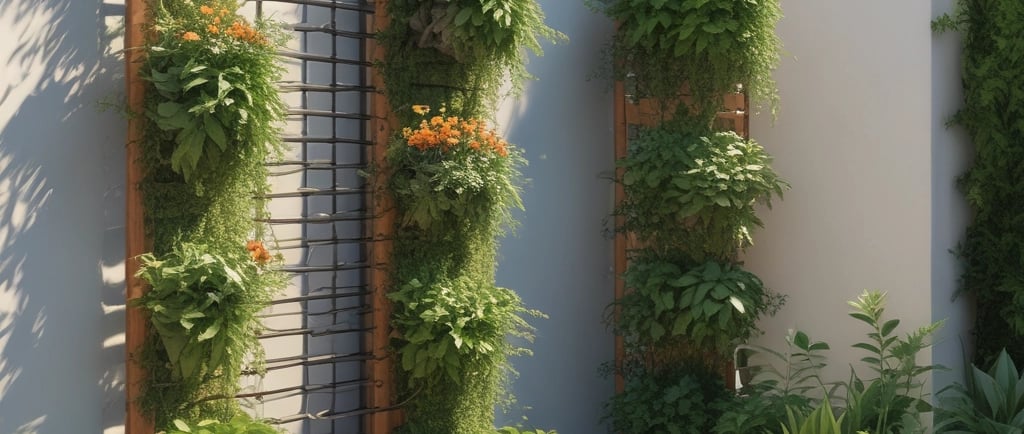
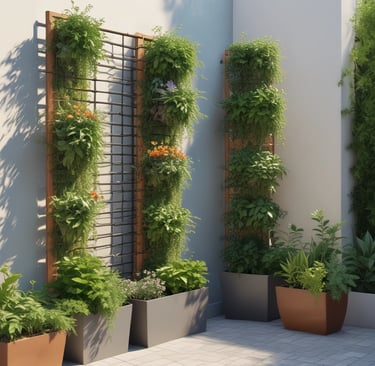
Having dreamed of a lush, productive garden but finding yourself held back by space, is actually not that unique. Many home gardeners struggle with small yards, balconies, or shaded areas. And that is just where a vertical garden structure becomes a game-changing solution.
First, vertical gardening is not just a trend, but one of the smartest ways to grow more food, more flowers, and more greenery while using less space. Whether you want a simple trellis for cucumbers, a wall-mounted planter system for herbs, or a sturdy tower that can hold dozens of plants, this guide will help you in choosing-or even building-the perfect setup.
Let's jump into all you should know about vertical garden structures, from design ideas and materials to plants that thrive, maintenance tips, and recommended Amazon products you can use right away.
What Is a Vertical Garden Structure?
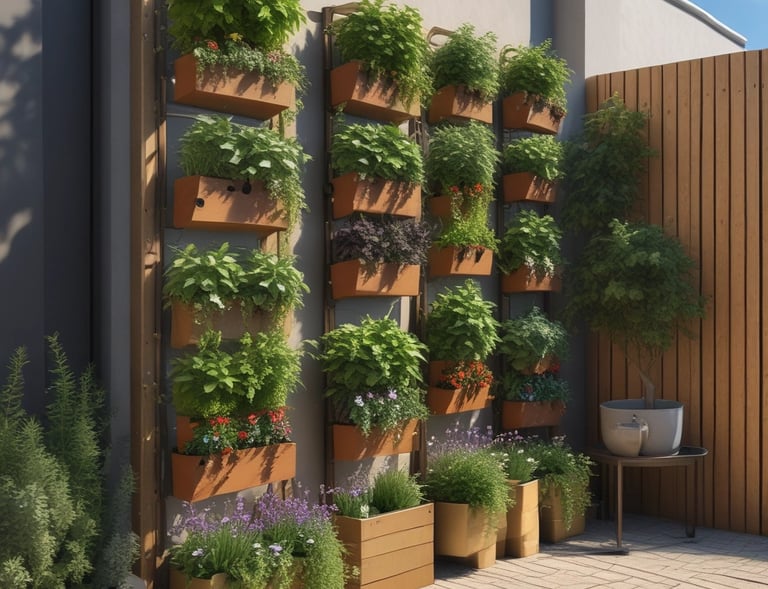
A vertical garden structure is any system that lets plants grow upward instead of spreading horizontally on the ground. This includes:
Trellises
Wall planters
Garden towers
Stackable planters
Arbors and pergolas
Hanging planter racks
DIY pallet gardens
Wire grids and netting
These structures help you maximize space, increase airflow, reduce pests, and produce more crops in tight areas.

Why Choose a Vertical Garden Structure?
Vertical gardening offers benefits every gardener can appreciate.
1. Perfect for Small Spaces
Apartment balconies, patios, townhouses, or small yards can instantly transform into productive green spaces.
2. Healthier Plants With Better Air Circulation
Vertical orientation reduces disease, mold, and fungal issues that thrive in crowded soil-level gardens.
3. Higher Yields in Less Area
Climbing plants naturally produce more when supported properly.
4. Easier Maintenance
No bending, kneeling, or crouching—watering, pruning, and harvesting are simple.
5. Beautiful Aesthetic Appeal
Vertical garden structures create living walls, green backdrops, and stunning natural privacy screens.
Types of Vertical Garden Structures (With Examples & Uses)
Below are the most popular options, ideal for home gardeners of all experience levels.
1. Trellises
Perfect for: cucumbers, peas, beans, gourds, squash, morning glories.
Trellises come in wood, metal, or plastic. They can be free-standing or secured to a wall or raised bed.
Best Amazon Option:
Search for heavy-duty metal garden trellis for strong, rust-resistant support.
2. Wall-Mounted Planters
Perfect for: herbs, succulents, strawberries, lettuces.
Wall planters save maximum space. They’re decorative and functional, perfect for balconies.
Best Amazon Option:
Look for vertical hanging wall planter pockets (felt or plastic).
3. Garden Towers and Stackable Planters
Perfect for: strawberries, herbs, leafy greens, flowers.
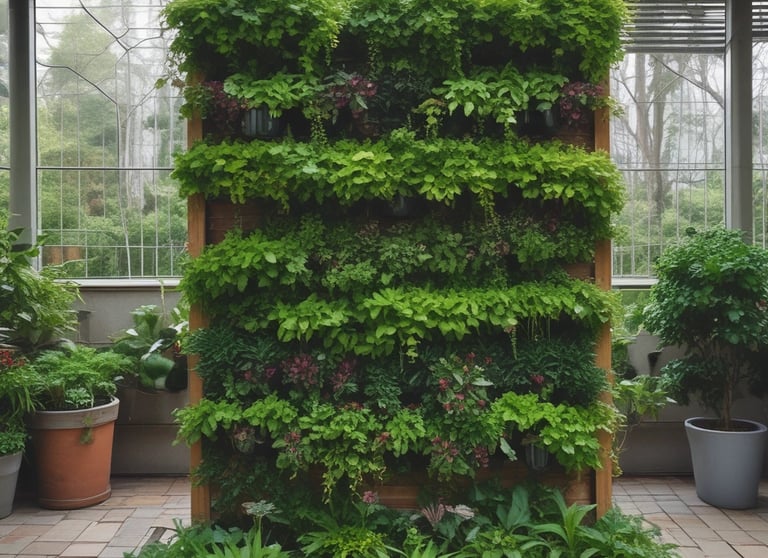
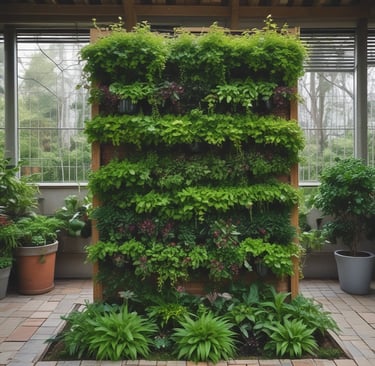
Garden towers allow 20–50+ plants in just a few square feet.
Best Amazon Option:
Search for stackable vertical garden tower with rotating tiers.
4. Arbors and Pergolas
Perfect for: grapes, climbing roses, clematis, passionfruit, wisteria.
These structures offer shade, beauty, and fruiting capability.
Best Amazon Option:
Look for a steel arbor with weather-resistant coating.
5. Netting and Wire Grids
Perfect for: cucumbers, pole beans, vines, tomatoes (with clips).
Cost-effective and great for DIY setups.
Best Amazon Option:
Search for nylon trellis netting or metal garden grid panels.
6. DIY Pallet Gardens
Perfect for: lettuces, herbs, flowers.
A budget-friendly and beginner-friendly option.
7. Hanging Planter Racks
Perfect for: strawberries, herbs, cherry tomatoes, trailing flowers.
These offer vertical layers with great sun exposure.
How to Choose the Best Vertical Garden Structure
Not all structures are the same. Here’s how to pick one that fits your space and goals.
1. Consider Your Available Space
Ask yourself:
Do you have a balcony railing?
A sunny wall?
A corner of your patio?
Only indoor space?
Your space determines the structure type.
2. Check Sunlight and Wind Exposure
South-facing walls are best for vertical gardening.
Windy balconies may require heavier, stable structures.
3. Think About the Plants You Want to Grow
Climbing vegetables need strong trellises.
Herbs and flowers are ideal for pocket planters.
Strawberries thrive in stackable towers.
4. Choose Durable Materials
Recommended materials:
Powder-coated steel (rust-resistant)
Cedar wood (naturally rot-resistant)
HDPE plastic (long-lasting and lightweight)
5. Make Sure It Supports Your Irrigation System
Vertical gardens dry out faster.
Choose structures that:
Allow drip irrigation
Have built-in drainage
Are easy to water
Best Plants for Vertical Garden Structures
Here are plant categories that thrive when grown vertically:
Climbing Vegetables
Cucumbers
Pole beans
Peas
Zucchini (trained upward)
Melons (with support slings)
Gourds
Tomatoes (with clips or twine systems)
Herbs (Perfect for Wall Planters)
Basil
Oregano
Mint
Thyme
Parsley
Cilantro
Dill
Flowers & Vines
Morning glory
Clematis
Honeysuckle
Jasmine
Passionflower
Climbing roses
Fruit Plants
Strawberries
Grapes
Small melon varieties
Passionfruit
Leafy Greens (Ideal for Towers)
Lettuce
Spinach
Kale
Arugula
Bok choy
How to Build a Simple DIY Vertical Garden Structure (Beginner Friendly)
If you enjoy DIY projects, here’s an easy way to build your own.
Materials Needed
Wooden pallet or 2×4 planks
Landscape fabric
Staple gun
Potting soil
Your choice of herbs/greens
Screws or brackets
Steps
1. Prepare the Frame
Sand your pallet or build a small rectangular frame from 2×4s.
2. Add Landscape Fabric
Staple fabric to the back and bottom to hold the soil.
3. Fill With Soil
Use lightweight potting mix enriched with compost.
4. Plant Your Herbs or Lettuce
Choose small plants for easy rooting.
5. Mount the Structure
Use screws or brackets to secure it to a stable wall.
Your DIY vertical garden structure is now ready!
Maintenance Tips for Vertical Gardens
Growing upward requires a bit of planning. Here are best practices:
1. Water More Frequently
Vertical planters dry faster because gravity pulls water downward.
Use:
Drip irrigation
Self-watering planters
Water-retaining soil mixes
2. Fertilize Lightly but Regularly
Vertical structures have smaller soil volumes.
Feed with:
Liquid fertilizers
Slow-release pellets
Compost tea
3. Prune to Control Growth
Climbing plants can get heavy. Remove:
Weak stems
Overlapping vines
Diseased leaves
4. Add Support Slings for Heavy Fruits
For melons or large cucumbers, tie fruits with:
Mesh bags
Old T-shirts
Netting cradles
5. Inspect for Pests
Look for typical vertical-garden pests:
Aphids
Spider mites
Whiteflies
Spray with neem oil or insecticidal soap.
5 Best Amazon Products for Vertical Garden Structures (Affiliate Friendly)
(Descriptions written in an SEO + affiliate-optimized way without naming specific brands)
1. Stackable Vertical Garden Tower Planter
Great for strawberries, herbs, and leafy greens.
Rotating tiers ensure even sunlight, and the modular design works for small patios.
2. Heavy-Duty Metal Garden Trellis
A rust-resistant, strong trellis that supports cucumbers, beans, and flowering vines.
3. Wall-Mounted Felt Planter Pockets
Perfect for herb gardens or decorative plant arrangements indoors or outdoors.
Creates a beautiful entrance or walkway while supporting grapes, roses, and other climbing plants.
Affordable and easy to install for tomatoes, peas, and beans; ideal for raised beds.
Common Mistakes to Avoid When Building a Vertical Garden
Even experienced gardeners slip up. Here are pitfalls to watch out for.
1. Overloading the Structure
Don’t place heavy planters on lightweight frames.
Choose strong materials for fruiting vines.
2. Using Garden Soil Instead of Potting Mix
Garden soil compacts and blocks drainage.
3. Forgetting to Water the Top Plants
Top tiers dry out fastest—check them daily.
4. Lack of Sun Planning
Plants need at least:
6 hours (vegetables)
4 hours (herbs and greens)
5. Planting Too Densely
Give each plant enough breathing room to grow upward.
Vertical Garden Structure Ideas for Different Spaces
Let’s explore setups for small homes, balconies, and backyards.
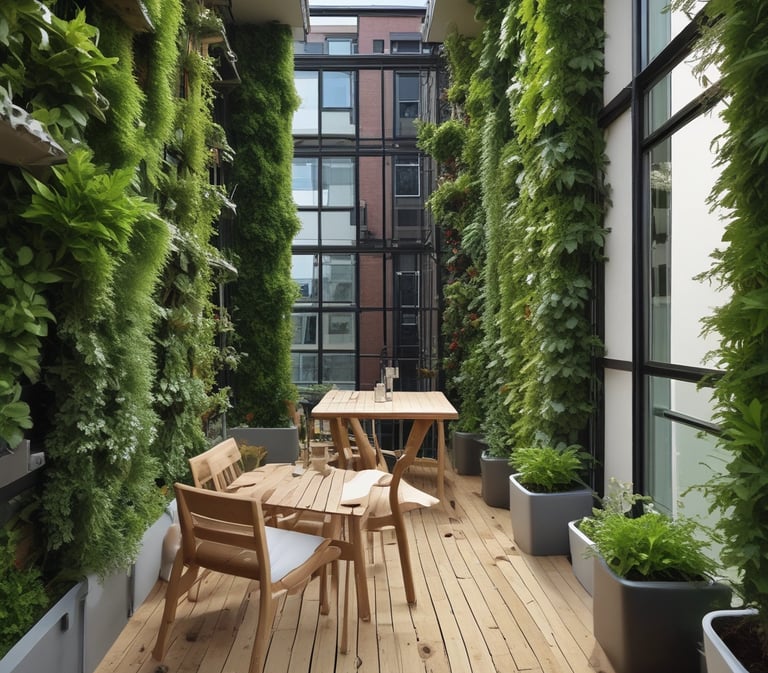
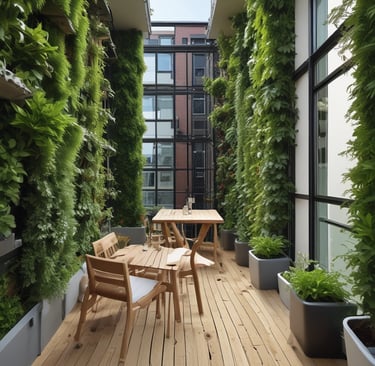
1. For Apartments & Balconies
Best options:
Hanging racks
Wall-mounted planters
Tiered stackable towers
Window boxes
Slim steel trellises
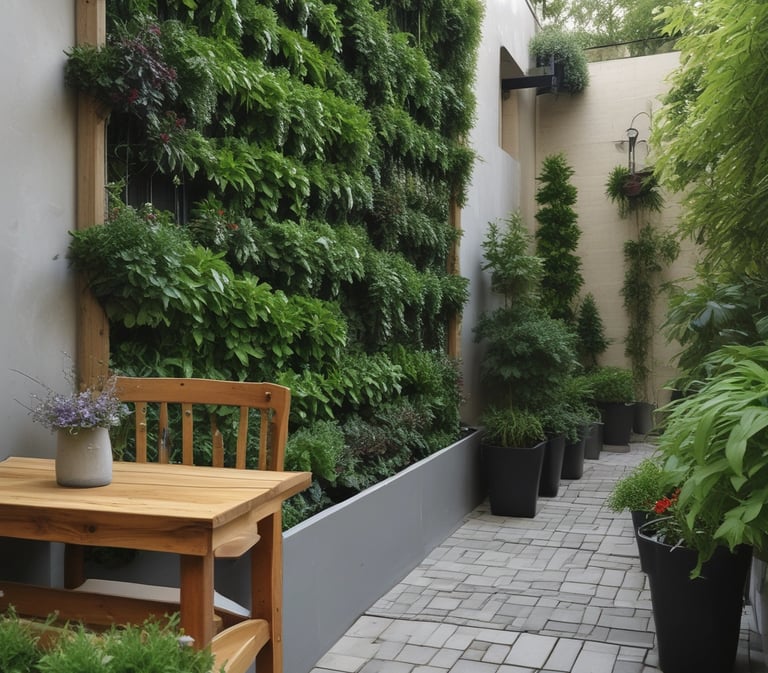
2. For Small Urban Backyards
Try:
Pergolas
Raised-bed trellises
Multi-tier plant stands
Freestanding vertical panels

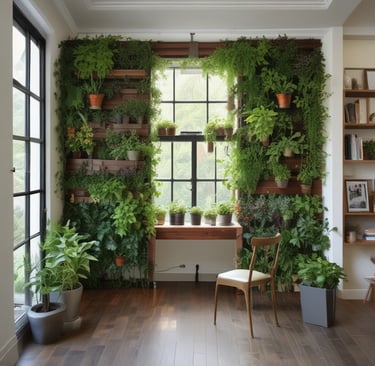
3. For Indoors
Recommended:
Hydroponic vertical towers
LED-supported wall planters
Modular indoor racks
4. For Large Gardens
Use:
Tunnel trellises
A-frame structures
Pergolas with climbing fruits
Grapevine arbors
Environmental Benefits of a Vertical Garden Structure
Vertical gardening supports sustainability:
Conserves water
Reduces soil erosion
Reduces the need for chemical pesticides
Creates micro-habitats for beneficial insects
Provides natural insulation for walls
Frequently Asked Questions
1. How tall should a vertical garden structure be?
Most range from 4–8 feet, depending on plant type.
2. Can vertical garden structures hold heavy fruits?
Yes—just choose steel trellises and use slings for support.
3. Do vertical gardens need more fertilizer?
Yes, because the soil volume is smaller and nutrients drain quicker.
4. Can I grow vegetables vertically?
Absolutely! Cucumbers, beans, peas, and even tomatoes thrive vertically.
5. Are vertical gardens beginner-friendly?
Yes. With the right structure and proper watering, they’re easy to maintain.
Final Thoughts: Transform Your Space With the Right Vertical Garden Structure
Adding a vertical garden structure to your home is one of the smartest gardening upgrades you can make—whether you’re a beginner or seasoned gardener. You’ll save space, grow more plants, and enjoy a stunning, productive garden all year round.
From trellises and wall planters to garden towers and DIY pallet walls, you have endless options to design a vertical garden that meets your needs. Pair your setup with high-quality Amazon gardening tools and watch your space transform into a thriving green oasis.
Want to Know More on Gardening?
Please Read :
Subscribe
Join us for tips and product reviews.
Contact
Affiliate disclaimer
© 2025. All rights reserved.
As an affiliate, we may earn a commission from qualifying purchases. We get commissions for purchases made through links on this website from Amazon and other third parties.