
How to Grow Spaghetti Squash Vertically: The Complete Guide for Small-Space Gardeners
Learn how to grow spaghetti squash vertically to save space, boost yields, and prevent pests. A complete step-by-step guide for home gardeners.
VERTICAL GARDENINGPOPULAR ARTICLES
11/23/20256 min read
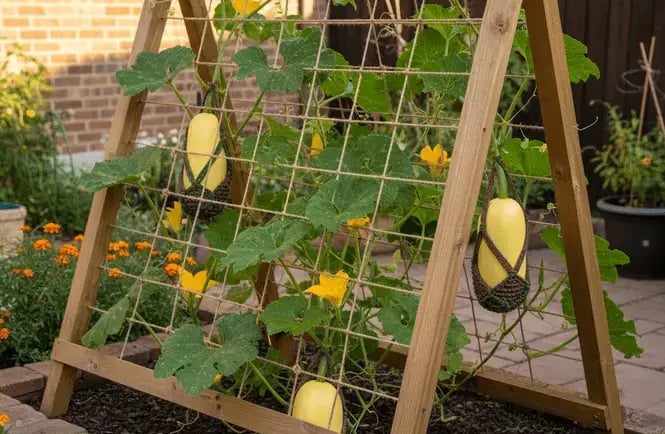
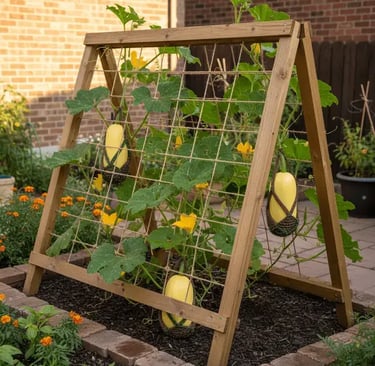
If you’ve ever grown spaghetti squash, you already know how quickly the vines can take over everything in sight. One minute your raised bed looks organized—and a few weeks later, the plants are spilling across the lawn, climbing over peppers, and swallowing your garden path.
The good news? There’s an easier, cleaner way to grow this delicious winter squash: grow spaghetti squash vertically.
Vertical growing isn’t just about saving space (though it does that beautifully). It also helps keep the plants healthier, the fruits cleaner, and your gardening life a whole lot easier. Whether you’re dealing with a small backyard, a balcony garden, or a tight raised bed setup, spaghetti squash adapts amazingly well to climbing.
Below is a complete, practical guide based on what real gardeners do—not a technical manual. You’ll learn what type of trellis works best, how to train the vines, how to support heavy fruits, and how to avoid the most common mistakes.
Why Growing Spaghetti Squash Vertically Works So Well
Spaghetti squash may look heavy, but each fruit usually weighs only 2–4 pounds, which makes it a perfect candidate for climbing supports. When you grow it upright, a few things happen naturally:
1. The plants stay healthier
Airflow improves dramatically when vines grow upward. Fungal problems—especially powdery mildew—become far less common because leaves dry faster after rain or watering.
2. You stop losing fruits to rot
On the ground, squash sits in damp soil, making it more likely to rot or attract insects. When fruits hang from a trellis, they stay clean and firm.
3. Harvesting becomes simple
No more digging through a jungle of vines. Fruits hang in plain view, and you can see when they’ve reached full color.
4. Pests become easier to manage
Vertical vines make it easier to spot squash bugs, vine borer damage, or beetles before they spread.
5. You save a surprising amount of space
A single vertical trellis can handle vines that would otherwise sprawl across 10–20 feet of ground.

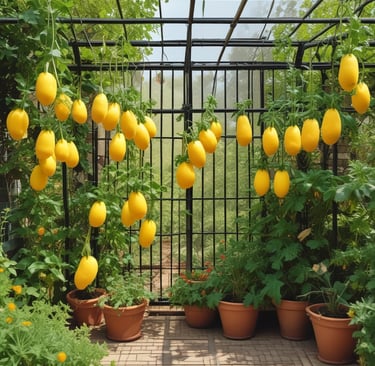
Best Vertical Supports for Spaghetti Squash
You don’t need fancy equipment to get started, but you do need something sturdy. A mature vine with developing fruits can put out more weight than you expect.
Here are the trellis styles gardeners have the most success with:
A-Frame Trellis
This is one of the simplest and most dependable structures for growing heavy vegetables vertically. It doesn’t tip over easily, and the angled sides help the vines grab on naturally.
Why gardeners like it:
Folds flat for off-season storage
Strong enough for several large fruits
Perfect for raised beds and small gardens
Cattle Panel Arch
If you want something visually impressive and incredibly strong, this is the go-to option. A cattle panel arch can last for years and support the heaviest squash without bending.
Why it works well:
Creates a beautiful garden tunnel
Fruits hang down naturally, easy to grab
Makes use of vertical space without complicated setup
Sturdy Wall Trellis or Panel
If you garden along a fence line or wall, a simple metal panel or mesh trellis can turn an unused area into a productive growing zone.
Benefits:
Saves ground space
Good for narrow side yards
Keeps vines neat and tidy
Heavy-Duty Tomato Cages
Not the thin wire ones—those won’t survive long. The thick-gauge, foldable square cages can support young vines and help guide them upward.
Good for:
Container gardening
Small patios
Gardeners who want a lightweight support system
What Variety of Spaghetti Squash Grows Best Vertically?
All spaghetti squash varieties can climb, but some perform better on trellises than others:
Small Wonder – compact vines
Tivoli Hybrid – dependable harvests
Vegetable Spaghetti – classic variety
Stripetti – productive and slightly sweeter
If you’ve never grown squash vertically, start with Small Wonder or Tivoli—they’re dependable and don’t overwhelm beginners.
Preparing the Soil
Spaghetti squash thrives when the soil is loose, warm, and rich in nutrients.
Soil checklist:
pH around 6.0–6.8
Plenty of compost or aged manure mixed in
A couple handfuls of slow-release organic fertilizer
A layer of mulch after planting to retain moisture
If you grow in raised beds, you’re already giving the plant a good start—this squash loves the warmth and drainage.
Planting: Seeds or Seedlings?
You can do either, but many gardeners prefer starting indoors and transplanting once the weather warms.
If planting seeds directly:
Wait until soil temperature hits 60–65°F
Sow them 1 inch deep
Thin seedlings to the strongest plant
If transplanting:
Harden off seedlings for about a week
Plant after your final frost
Water deeply right after planting
Install Your Trellis Before the Plants Start Growing
This is one of the biggest mistakes beginners make—waiting too long to put the support in place. Once the roots spread, pushing a trellis into the soil can disturb the plant and stunt growth.
Install your structure before you plant anything.
Height guide: 6–8 feet
Sturdiness: Must handle 20–40 pounds total weight
Training the Vines to Climb (The Most Important Step)
Spaghetti squash vines don’t always know where you want them to go, so early training makes a huge difference.
How to train the vines:
Gently wrap young vines around the trellis
Use soft plant ties, Velcro garden tape, or clips
Check once per week and guide new growth upward
Remove tangled or messy side shoots only when necessary
Think of it like guiding a child—you’re not forcing the plant, you’re just nudging it in the right direction.
Do You Need Slings for the Fruits?
Yes—especially once the fruits start to thicken. A sling supports the fruit and prevents the stem from snapping under its weight.
You can use:
Old T-shirts or stretchy fabric
Mesh produce bags
Nylon netting
Cloth plant hammocks
Just tie the sling to the trellis, never to the fruit or the stem.
(Great affiliate items: soft plant support bags.)
Watering and Feeding Schedule
Spaghetti squash doesn’t like “little sips.” It prefers deep, consistent watering.
Water:
About 1–1.5 inches per week
Water at the base, not on the leaves
Mulch around the base to keep roots cool
Fertilizing:
At planting: mix in organic fertilizer
Every 2–3 weeks: a liquid fertilizer like fish emulsion
Once fruits appear: switch to a bloom/fruit booster with extra potassium
Healthy, nourished plants grow straighter vines and stronger stems—which matters when they’re climbing.
Managing Pests the Organic Way
Spaghetti squash attracts a few classic troublemakers:
Squash bugs
Vine borers
Aphids
Cucumber beetles
Vertical growing helps, but here are extra steps:
Simple organic methods:
Neem oil spray every 7–10 days
Row covers early in the season
Sticky traps for beetles
Remove eggs from the underside of leaves
Sprinkle diatomaceous earth around the stem
Stay consistent—pest management is easier when you catch problems early.
When and How to Harvest
A spaghetti squash is ready when:
The skin turns a warm yellow
You can’t scratch the surface easily
The stem looks dry and woody
Use pruning shears and keep a short stem attached. After harvest, let the squash cure in a dry, warm place so it lasts longer in storage.
Companion Plants That Play Well With Spaghetti Squash
Good companions help deter pests and improve growth.
Best options:
Marigold
Nasturtium
Basil
Borage
Radishes
Avoid planting near potatoes—they compete for nutrients and can attract similar pests.


Growing Spaghetti Squash Vertically in Containers
Yes, you can absolutely grow it in a container—as long as the pot is big.
Minimum container size:
15–20 gallons
Deep enough for strong roots
Good drainage
Use a strong trellis behind the container and secure it so it doesn’t shift in the wind.
Amazon-Friendly Product Suggestions
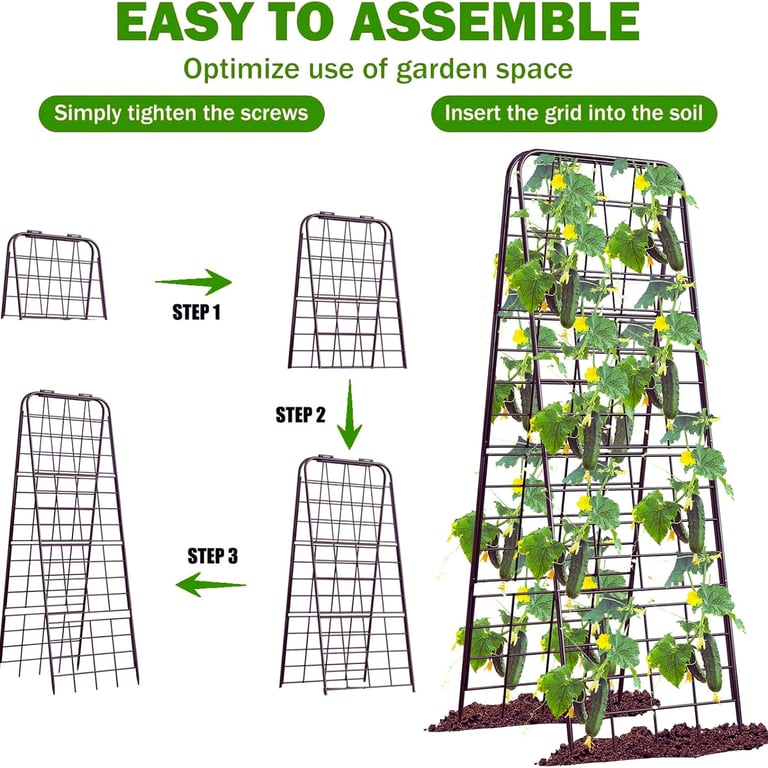
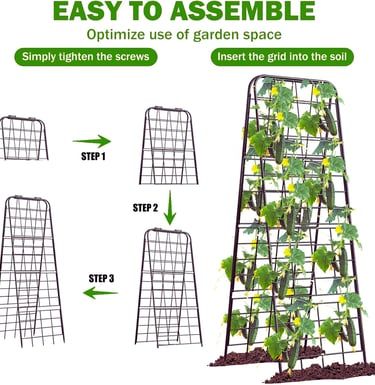
1. Heavy-Duty Steel A-Frame Trellis
A stable structure that holds weight well and stays upright even during rainstorms.
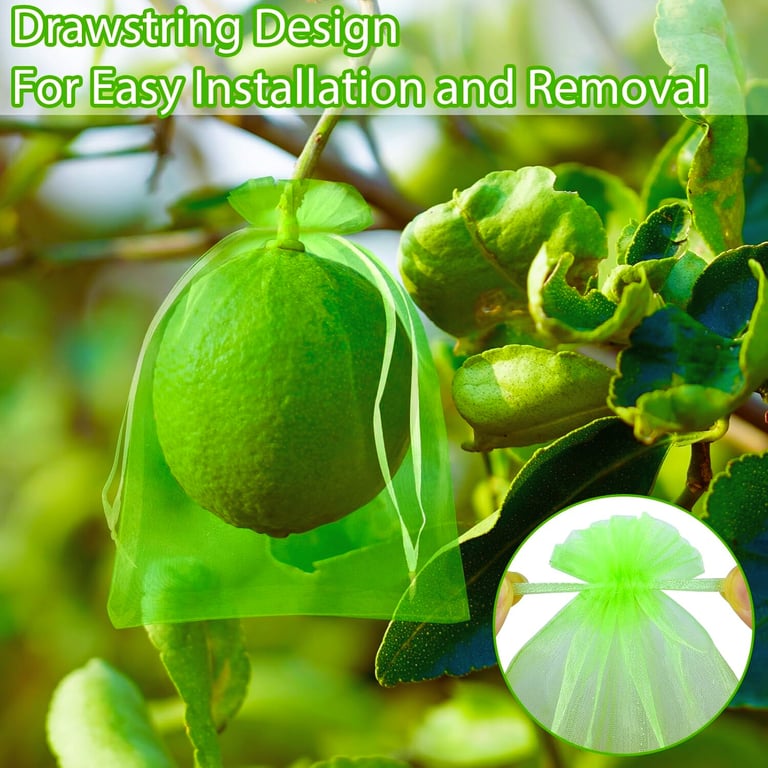
2. Mesh Support Bags
Soft, stretchy hammocks that prevent fruit stems from snapping.
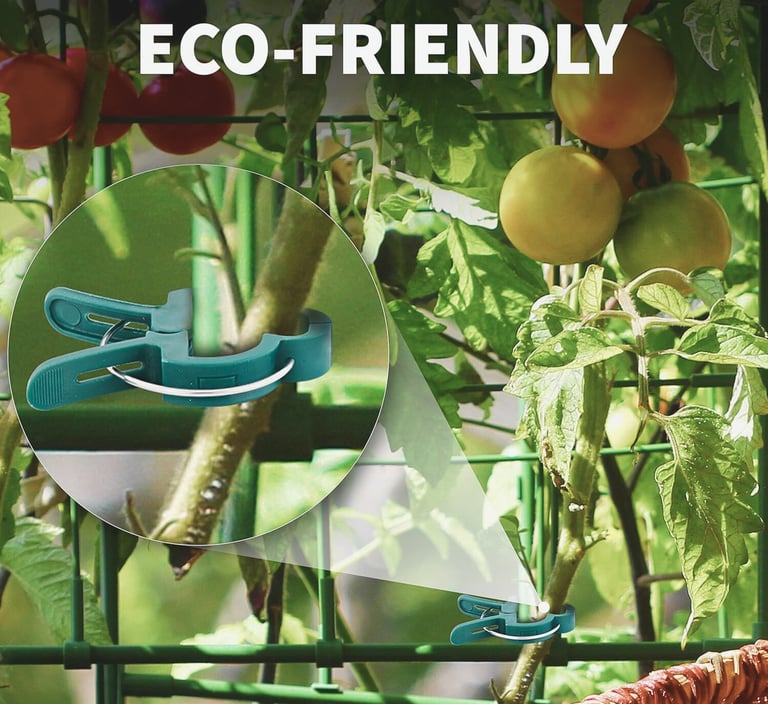
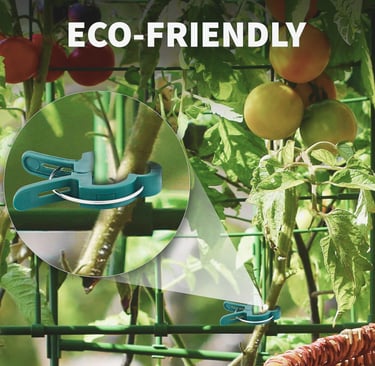
3. Garden Clips
Reusable clips that gently hold vines in place without cutting into the stems.
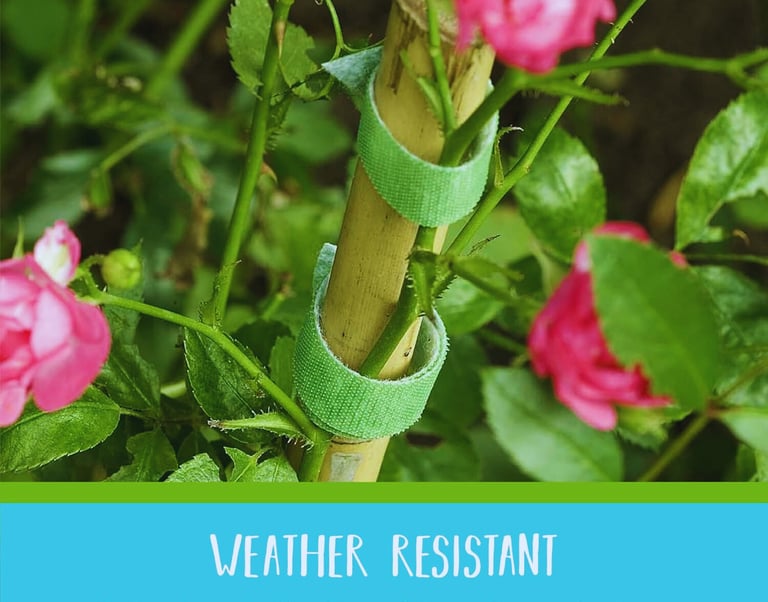
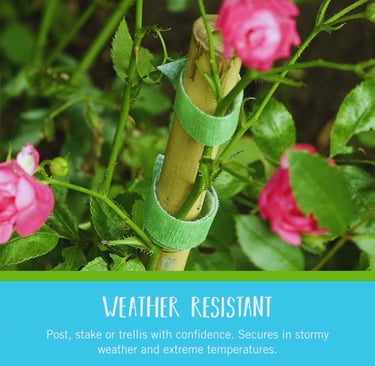
4. Velcro Plant Tape
Adjustable, soft ties that make weekly vine training simple.
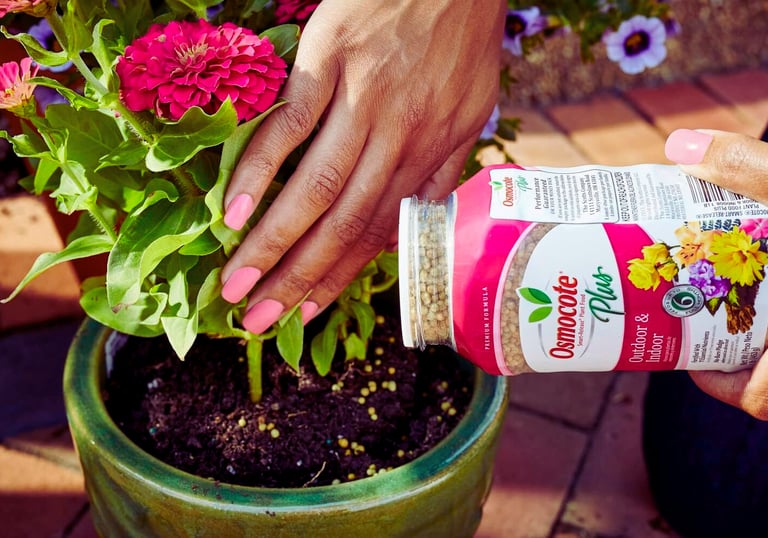
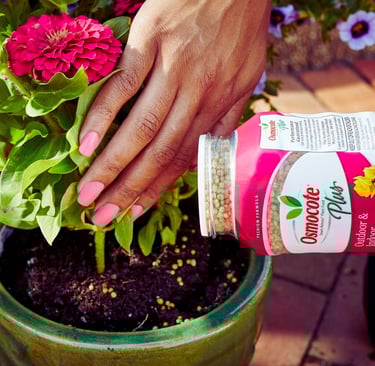
5. Organic Slow-Release Fertilizer
Feeds plants steadily and promotes strong early growth.
Mistakes to Avoid When Growing Spaghetti Squash Vertically
Most problems come from simple oversights. Here are the biggest ones:
Using a trellis that’s too weak
Not training vines early
Forgetting fruit slings
Overcrowding plants
Watering lightly instead of deeply
Get these right, and growing vertically becomes almost effortless.
Final Thoughts
Once you learn how to grow spaghetti squash vertically, you’ll probably never go back to letting the vines sprawl across the ground. The plants stay healthier, the fruits ripen more evenly, and your garden looks tidy instead of chaotic.
Whether you use a simple A-frame or a full arch tunnel, the results are the same: cleaner fruits, fewer pests, and a surprisingly big harvest—even in a small space.
Want to Know More on Gardening?
Please Read :
Subscribe
Join us for tips and product reviews.
Contact
Affiliate disclaimer
© 2025. All rights reserved.
As an affiliate, we may earn a commission from qualifying purchases. We get commissions for purchases made through links on this website from Amazon and other third parties.