
How to Grow Cantaloupe Vertically: The Complete Beginner’s Guide for USA Gardeners
Learn how to grow cantaloupe vertically in small spaces. Easy steps, trellis ideas, tips, and product picks to boost harvests in any U.S. garden.
VERTICAL GARDENING
11/20/20255 min read
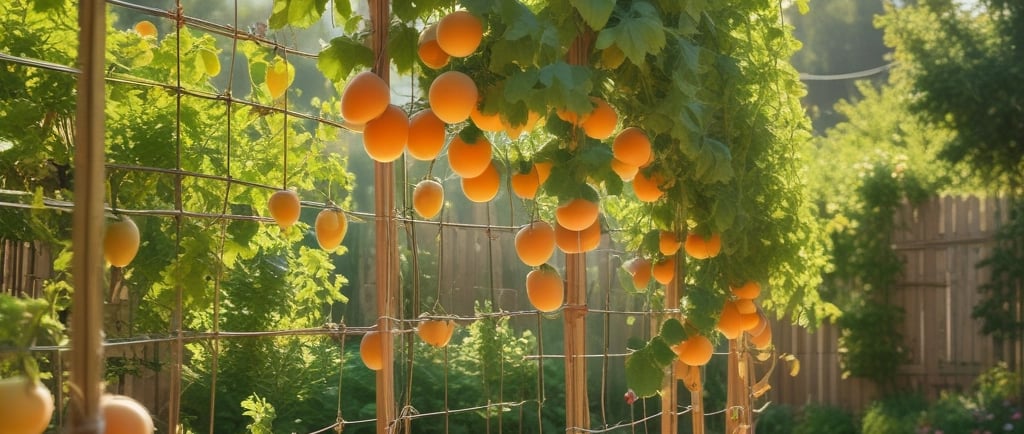

A Problem Every Gardener Feels
Have you ever planted cantaloupe only to watch the vines run wild across your garden bed, taking over everything in sight?
You’re not alone.
Traditional cantaloupe vines can stretch 6–10 feet, crowding out tomatoes, cucumbers, and anything else nearby. Many gardeners give up, thinking they just “don’t have enough space” to grow melons.
But here’s the good news:
Growing cantaloupe vertically solves the problem.
It saves space, reduces disease, improves airflow, and produces cleaner, sweeter fruit.
And today, you’ll learn exactly how to grow cantaloupe vertically—even in a small backyard, balcony, or urban garden.
What You’ll Learn
How to choose the right cantaloupe variety
The best trellis types and setup methods
Step-by-step planting instructions
Tips to support heavy fruit
Watering, feeding, pruning, and pest control
Real-life examples from U.S. gardeners
Recommended Amazon tools (with honest pros & cons)
Affiliate Disclosure: As an Amazon Associate, we earn from qualifying purchases.
How to Grow Cantaloupe Vertically (Beginner-Friendly Guide)
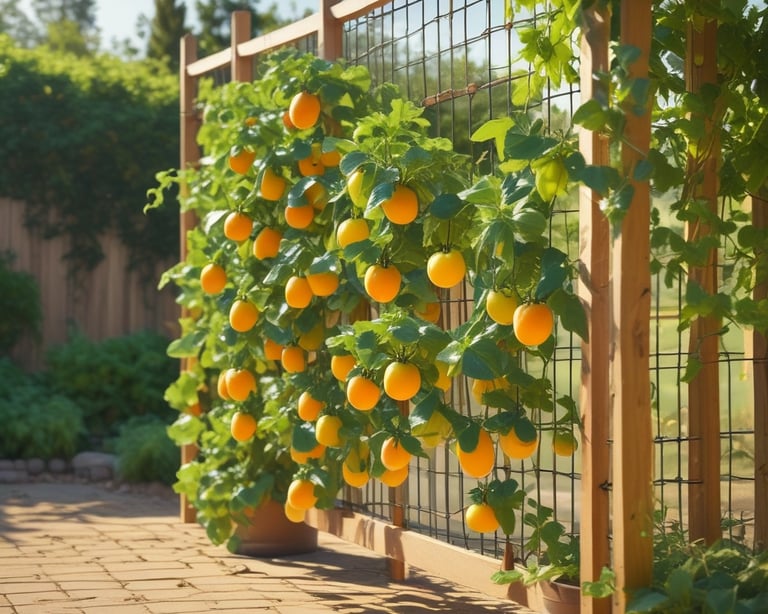
Growing cantaloupe vertically is easier than most gardeners realize. With the right support system, your vines climb upward instead of sprawling on the ground—and your garden instantly becomes more efficient and productive.
Let’s walk through it step by step.
Why Grow Cantaloupe Vertically? (5 Big Benefits)
1. Saves Space
Perfect for raised beds, small backyards, and urban gardens.
2. Reduces Disease
Better airflow = fewer fungal issues like powdery mildew.
3. Cleaner Fruit
No more melons sitting on damp soil.
4. Easier Harvesting
Fruit hangs at eye level—no bending, no guessing.
5. Bigger Yields
Healthy vines + sunlight exposure = more melons.
Choose the Right Cantaloupe Variety
Not all cantaloupe varieties climb equally well. Choose compact or early-producing types.
Best Varieties for Vertical Gardening
Minnesota Midget – small fruit, perfect for trellises
Hale’s Best Jumbo – classic flavor, sweet aroma
Sugar Cube – personal-sized melons, disease resistant
Ambrosia – very aromatic, productive
Top Mark – thrives in warm climates
Pro Tip
Smaller melons work better for vertical structures because they need less support.
Best Trellis Types for Vertical Cantaloupe
Cantaloupe vines are strong but need a sturdy frame.
1. A-Frame Trellis
Very stable
Great for raised beds
Fruit hangs down easily
2. Cattle Panel Arches
Ultra-strong
Makes a beautiful melon tunnel
Great airflow and support
3. Wooden Ladder-Style Trellis
Blends well with gardens
Ideal for compact beds
4. Nylon Garden Netting
Cheap and flexible
Must be attached to a solid frame
Step-by-Step: How to Grow Cantaloupe Vertically
Here is a simple, beginner-friendly guide.
Step 1: Choose a Sunny Spot
Cantaloupe needs 6–8 hours of full sun every day.
More sun = sweeter melons.
Step 2: Prepare the Soil
Cantaloupe loves light, loose, well-drained soil.
Improve your soil with:
Compost
A handful of organic fertilizer
Mulch around the base
Ideal soil pH: 6.0–6.8
(Source: USDA Vegetable Growing Guidelines)
Step 3: Install Your Trellis Before Planting
This avoids damaging young roots later.
Requirements:
At least 6 feet tall
Strong enough for 8–10 pounds of fruit
Firmly anchored
Step 4: Plant Seeds or Seedlings
Plant when soil temps reach 65–70°F.
Space seedlings 18–24 inches apart
If planting seeds: sow ½–1 inch deep
Plant 2–3 seeds per spot; thin to strongest
Step 5: Train the Vines
Once vines reach 12–18", start guiding them.
Training technique:
Wrap the vine loosely around the trellis
Tie with soft garden tape or twine
Never tie tightly (stems need room to grow)
Step 6: Support the Fruit
As melons grow, they need support so they don't tear off the vine.
DIY Sling Ideas
Old t-shirt fabric
Mesh produce bags
Pantyhose
Soft plant netting
The sling should cradle the melon but not squeeze it.
Step 7: Water Properly
Cantaloupe needs consistent moisture while growing.
Watering tips:
Water at soil level (not on leaves)
Keep soil moist but not soggy
Reduce watering once fruit starts ripening → makes melons sweeter
Step 8: Fertilize Correctly
Use a balanced organic fertilizer.
Feeding schedule:
At planting
When vines start running
When flowers appear
For sweeter melons, switch to low-nitrogen fertilizer during fruiting.
Step 9: Pruning for Bigger Melons
Pruning is optional but helpful.
Remove:
Weak side shoots
Excess foliage shading fruit
Bottom leaves touching soil
This improves airflow and directs energy to fruit.
Real-Life Example (USA Gardener Story)
Emily from Kansas struggled with cantaloupes sprawling across her raised beds.
Her tomatoes were constantly smothered.
She switched to a simple cattle panel arch and grew Sugar Cube melons vertically.
Her results:
Saved 40% space
Harvested 9 sweet melons from one vine
Had zero rot and minimal mildew
Growing cantaloupe vertically literally transformed her garden layout.
Common Problems (and Easy Fixes)
Problem: Melons falling off too early
Fix: Use stronger slings and water more consistently.
Problem: Powdery mildew
Fix: Improve airflow; prune excess leaves; avoid overhead watering.
Problem: Vines won’t climb
Fix: Help them by gently tying vines every few days.
Problem: Small or bland fruit
Fix:
More sun
Less nitrogen
Cut watering during ripening
Recommended Amazon Products (Honest Reviews)
As an Amazon Associate, we earn from qualifying purchases.
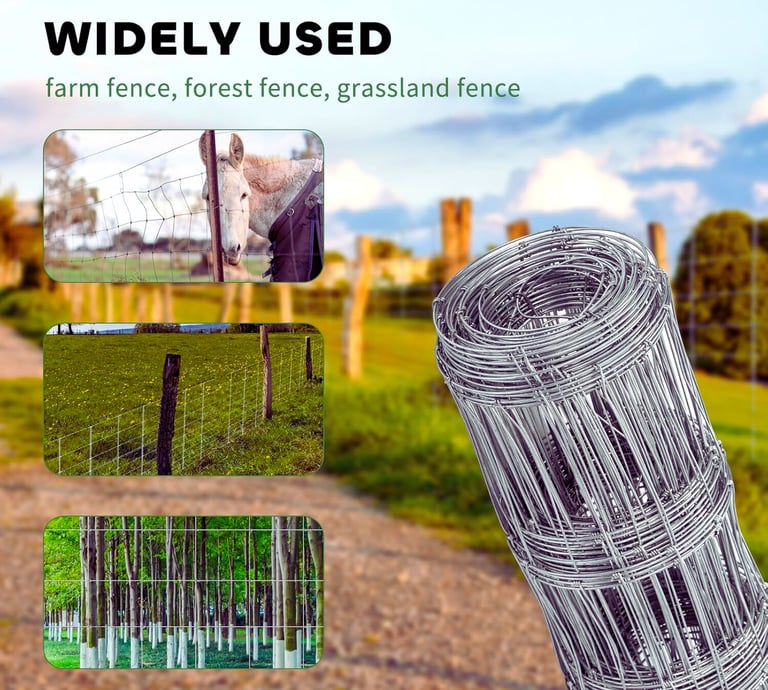
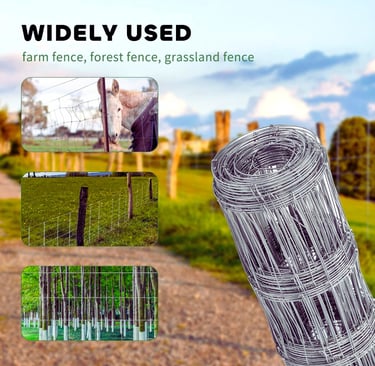
⭐ 1. Cattle Panel Trellis Kit
Pros: Extremely strong, lasts years
Cons: Heavy; needs good anchoring
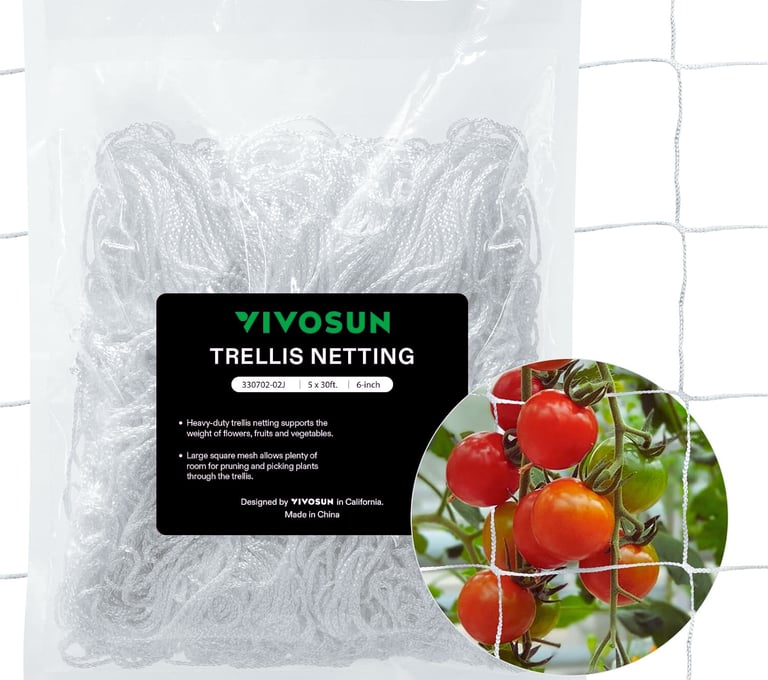
⭐ 2. Garden Netting (Heavy-Duty Nylon)
Pros: Easy to cut, affordable
Cons: Needs a solid frame


⭐ 3. Organic Melon Fertilizer
Pros: Boosts sweetness, safe for edible gardens
Cons: Needs regular application
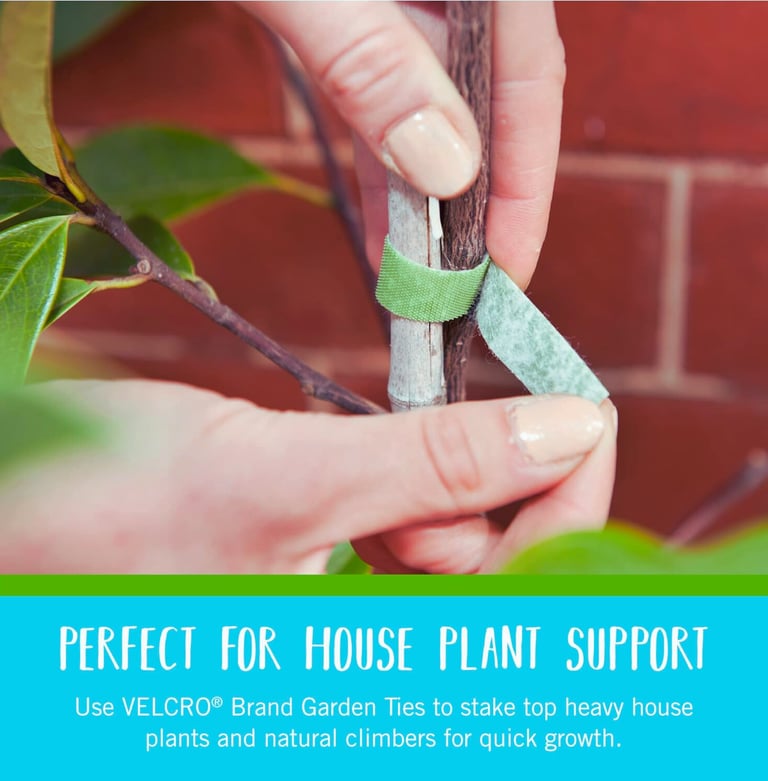
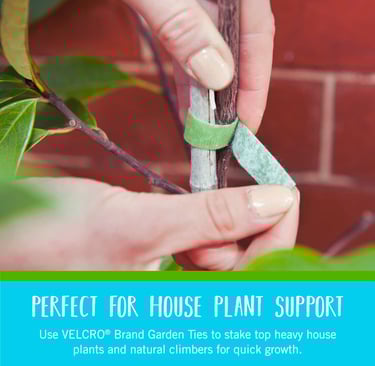
⭐ 4. Soft Plant Tie Tape
Pros: Gentle on vines
Cons: Comes in small rolls
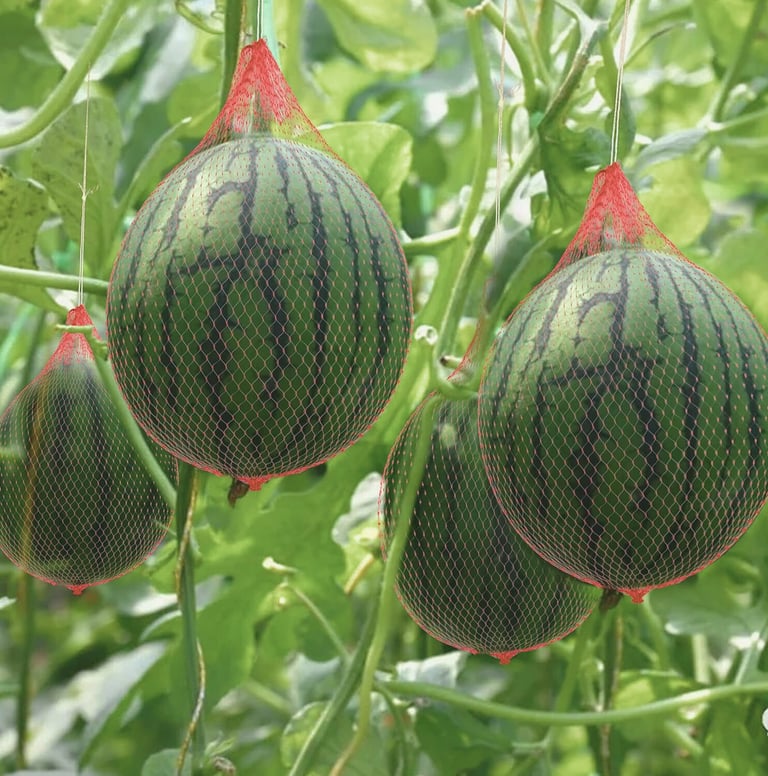
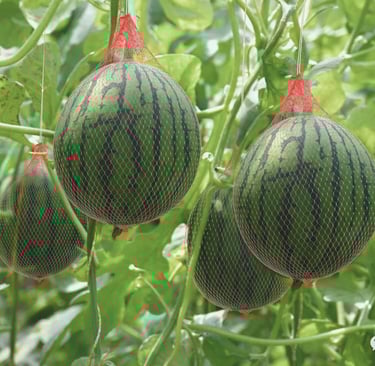
⭐ 5. Fabric Fruit Support Slings
Pros: Secure support for heavy melons
Cons: Must be adjusted as fruit grows
FAQs
1. Can I grow cantaloupe vertically in containers?
Yes! Choose a 5–7 gallon pot, and use a tall trellis.
2. Do vertical melons grow smaller?
No. Fruit size depends on variety and sunlight—not the trellis.
3. How many melons per plant?
Most varieties produce 3–8 melons per plant.
4. Do I need to hand-pollinate?
Sometimes. If bees are low in your area, use a small brush to move pollen.
5. When are cantaloupes ready to harvest?
When the stem slips off easily and the melon smells sweet.
Final Summary & Key Takeaways
Growing cantaloupe vertically is one of the best choices you can make as a gardener—especially if space is limited.
Key Takeaways:
Vertical growing = more airflow, less disease
Use strong trellises and fruit slings
Choose compact cantaloupe varieties
Water deeply, prune lightly, feed organically
Harvest when melons slip off the vine
Even small gardens can produce big, sweet melons!
Ready to grow your sweetest cantaloupe yet?
➡ Start today by choosing your trellis and planting your first vertical cantaloupe.
➡ Explore more gardening guides on HonestGardener.com.
➡ Subscribe for weekly beginner-friendly tips and product recommendations.
Want to Know More on Gardening?
Please Read :
Subscribe
Join us for tips and product reviews.
Contact
Affiliate disclaimer
© 2025. All rights reserved.
As an affiliate, we may earn a commission from qualifying purchases. We get commissions for purchases made through links on this website from Amazon and other third parties.