
How to Germinate Seeds Faster: Proven Tips, Common Mistakes & Tools That Actually Help
Want faster seed germination? Learn proven methods, ideal temperatures, common mistakes, and the best seed-starting tools to boost success.
BEGINNER'S GUIDE
2/3/20264 min read
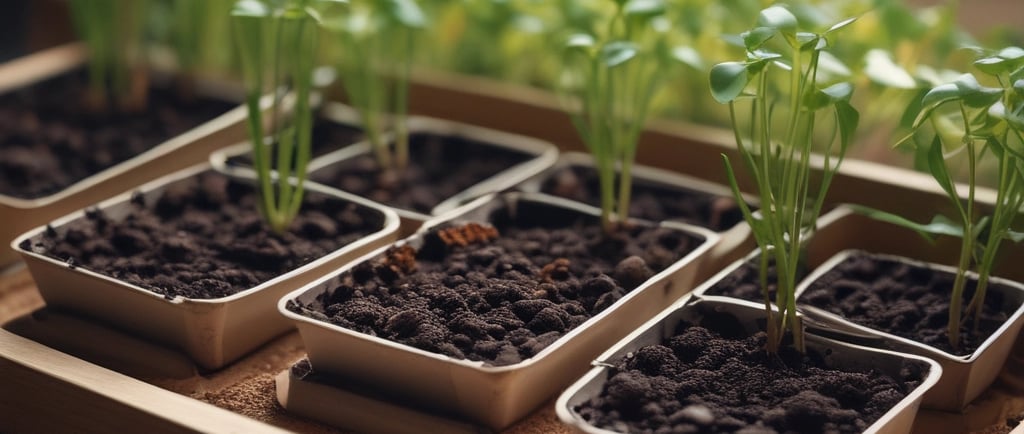
Introduction: Why Some Seeds Sprout Fast (and Others Don’t)
Every gardener has been there. You plant seeds, water carefully, wait patiently—and nothing happens. Days pass. Then weeks. Suddenly you’re wondering if the seeds were bad, the soil was wrong, or you somehow messed everything up.
Here’s the truth: most slow or failed seed germination comes down to a few fixable mistakes. Once you understand what seeds truly need, you can dramatically speed up germination and get stronger, healthier seedlings.
This guide breaks everything down in a clear, practical way—especially for USA home gardeners starting seeds indoors or outdoors.
How Seed Germination Works (Quick & Simple)
Seed germination begins when a seed absorbs moisture and “wakes up.” From there, it needs three things to continue:
Moisture – activates the seed
Warmth – drives growth
Oxygen – supports root development
Some seeds also need light, while others prefer darkness. When one of these factors is missing, germination slows—or fails completely.
How Long Seeds Take to Germinate (What’s Normal?)
Knowing the normal timeline helps you spot problems early.
If your seeds are taking much longer than this, keep reading—because the fix is usually simple.
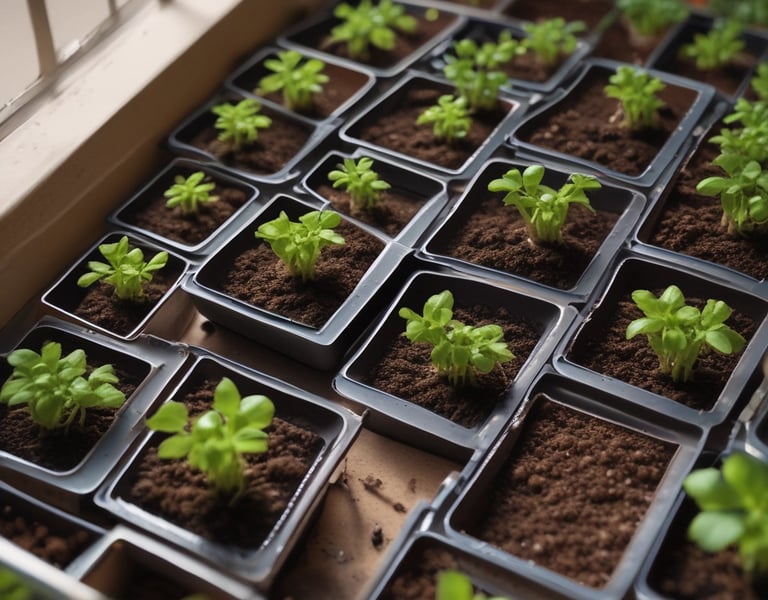
Fast Seed Germination Methods That Work Consistently
These are proven techniques used by experienced gardeners and seed starters.
1. Maintain the Best Temperature for Seed Germination
Temperature is the number one factor affecting germination speed.
🌡️ Ideal range for most seeds:
65–80°F (18–27°C)
Warm-season crops like tomatoes and peppers prefer temperatures closer to 75–80°F.
How to Maintain Warmth Easily
Start seeds indoors
Place trays near a warm window
Use a seedling heat mat for consistent results
Amazon product suggestion:
Seedling Heat Mat with thermostat – keeps soil warm day and night and can cut germination time nearly in half.
2. Pre-Soak Seeds to Speed Things Up
Soaking helps seeds absorb moisture faster—especially those with thick outer shells.
How to do it correctly:
Soak seeds in room-temperature water
Limit soaking to 8–12 hours
Plant immediately afterward
Best seeds to soak:
Beans
Peas
Beets
Squash
Avoid soaking tiny seeds like lettuce or basil.
3. Use a Quality Seed Starting Mix (Not Garden Soil)
This is where many beginners go wrong.
Garden soil is heavy and compact, which limits oxygen and slows germination. A seed-starting mix is lighter, drains well, and encourages rapid root growth.
Amazon product suggestion:
Organic Seed Starting Mix (peat-free or coconut coir based) – ideal texture for quick sprouting.
4. Keep Soil Moist—Not Wet
Seeds need moisture, but too much water suffocates them.
Best practice:
Soil should feel like a wrung-out sponge
Use a spray bottle or bottom watering
Avoid pouring water directly on seeds
Amazon product suggestion:
Fine Mist Spray Bottle – prevents washing seeds too deep into soil.
5. Use Humidity Domes for Faster Results
Humidity domes trap moisture and warmth—two things seeds love.
Why they help:
Reduce evaporation
Maintain stable conditions
Improve germination consistency
Amazon product suggestion:
Seed Starting Trays with Humidity Domes – excellent for beginners starting indoors.
Do Seeds Need Light to Germinate?
Some do, some don’t—this matters more than people realize.
Seeds That Need Light
Lettuce
Basil
Petunia
➡️ Press lightly into soil—don’t bury.
Seeds That Prefer Darkness
Tomatoes
Peppers
Beans
➡️ Cover lightly with soil.
Always check the seed packet for guidance.
Why Seeds Don’t Germinate (And How to Fix It)
If seeds aren’t sprouting, it’s usually one of these issues.
Problem 1: Old or Low-Quality Seeds
Seeds lose viability over time.
Fix:
Buy fresh seeds
Store unused seeds cool and dry
Test old seeds using a damp paper towel
Problem 2: Soil Is Too Cold
Cold soil slows everything down.
Fix:
Move trays to a warmer area
Use a heat mat
Start seeds later outdoors
Problem 3: Overwatering
Wet soil blocks oxygen.
Fix:
Ensure drainage holes
Bottom-water seed trays
Let surface dry slightly between misting
Problem 4: Planting Too Deep
Seeds planted too deep may never emerge.
Rule of thumb:
Plant seeds no deeper than 2–3 times their size.
Seed Germination Tips for Beginners (USA Gardeners)
If you’re new, follow these basics:
✔ Start with easy seeds (radish, lettuce, basil)
✔ Label everything clearly
✔ Use trays instead of open ground
✔ Don’t dig up seeds to “check” them
✔ Be patient but observant
Consistency beats constant adjustment.
Tools That Help Seeds Germinate Faster (Amazon Picks)
These tools genuinely help beginners succeed.
Essential Seed Germination Tools
These tools don’t just speed up germination—they reduce failure and frustration.
Indoor vs Outdoor Seed Germination
Indoor Germination
✔ Faster
✔ Controlled environment
✔ Ideal for early starts
Outdoor Germination
✔ Natural conditions
✔ Less equipment
✔ Better for hardy crops
Best approach: Start seeds indoors, then transplant outside.
Do Grow Lights Help With Germination?
Seeds don’t need light—but seedlings do immediately after sprouting.
Without enough light:
Seedlings stretch
Stems weaken
Plants fail early
Amazon product suggestion:
Full-Spectrum LED Grow Light – affordable and beginner-friendly.
Frequently Asked Questions (FAQ)
How can I germinate seeds faster naturally?
Use warmth, consistent moisture, fresh seeds, and proper planting depth.
What is the best temperature for seed germination?
Most seeds germinate best between 65–80°F.
Can I speed up germination without tools?
Yes, but tools like heat mats and domes improve consistency.
Why did my seeds sprout and then die?
Common causes include poor light, overwatering, or damping-off disease.
Should I soak all seeds before planting?
No. Soaking is best for larger or hard-coated seeds only.
Final Thoughts: Faster Germination Comes Down to Control
Speeding up seed germination isn’t about luck—it’s about creating the right conditions. When you control temperature, moisture, soil quality, and light, seeds respond quickly and reliably.
Once you master this stage, the rest of gardening becomes easier—and far more rewarding.
Happy growing 🌱
Want to Know More on Gardening?
Please Read :
Subscribe
Join us for tips and product reviews.
Contact
Affiliate disclaimer
© 2025. All rights reserved.
As an affiliate, we may earn a commission from qualifying purchases. We get commissions for purchases made through links on this website from Amazon and other third parties.