Gardening Tips That Actually Work: Real Advice for Growing a Healthier Home Garden
Practical gardening tips from real experience. Learn how to grow healthier plants, fix common problems, and choose the right tools for success.
BEGINNER'S GUIDE
12/24/20255 min read

Introduction: Gardening Tips I Learned the Hard Way
When I first started gardening, I read everything I could find. Most of it sounded good on paper, but once I stepped outside and tried it, reality hit hard. Plants wilted. Leaves turned yellow. Pests showed up overnight. I assumed I was bad at gardening.
The truth? I was following advice that didn’t fit my space, my soil, or my schedule.
Over time—and after plenty of trial and error—I learned which gardening tips actually matter and which ones just sound nice. This guide is a collection of real, practical advice that helped me build a healthier, easier-to-manage garden at home.
If you’re gardening in the U.S. and want clear answers without complicated explanations, you’re in the right place.
1. Start With Your Space, Not With Plants
One of the most overlooked beginner gardening tips is understanding your own space first.
Before buying anything, take a week to observe:
How much sunlight you get
Where water collects after rain
How much room you actually have
Why This Matters
Plants fail most often because they’re placed in the wrong environment—not because the gardener did something wrong.
Easy gardening solution:
Match plants to your space instead of forcing your space to fit the plants.
2. Soil Is the Foundation of Every Successful Garden
You can fix pests. You can adjust watering. But poor soil causes endless problems.
Signs Your Soil Needs Help
Water pools on the surface
Soil feels hard and compacted
Plants grow slowly
Vegetable Gardening Tips for Better Soil
Add compost every season
Avoid walking on planting areas
Use mulch to protect the surface
Helpful tool:
✔️ Organic compost or worm castings
Good soil doesn’t need to be perfect—just alive.
3. Watering Less Often Can Actually Help Your Plants
Overwatering is one of the most common gardening mistakes.
I used to water a little every day. My plants looked fine at first, then slowly declined.
What Worked Better
Water deeply
Water less frequently
Check soil before watering
Stick your finger into the soil:
Dry two inches down? Water.
Still moist? Wait.
Helpful tool:
✔️ Soil moisture meter
4. Sunlight Is Non-Negotiable
No fertilizer can replace sunlight.
Home Gardening Advice for Sunlight
Most vegetables need 6–8 hours of sun
Morning sun is gentler than afternoon sun
Containers can be moved—use that advantage
If plants stretch or lean, they’re asking for more light.
5. Start Small and Expand Slowly
One of the best beginner gardening tips is restraint.
Starting with too many plants leads to:
Burnout
Missed problems
Wasted money
I started enjoying gardening much more once I reduced my plant count and focused on fewer, healthier plants.
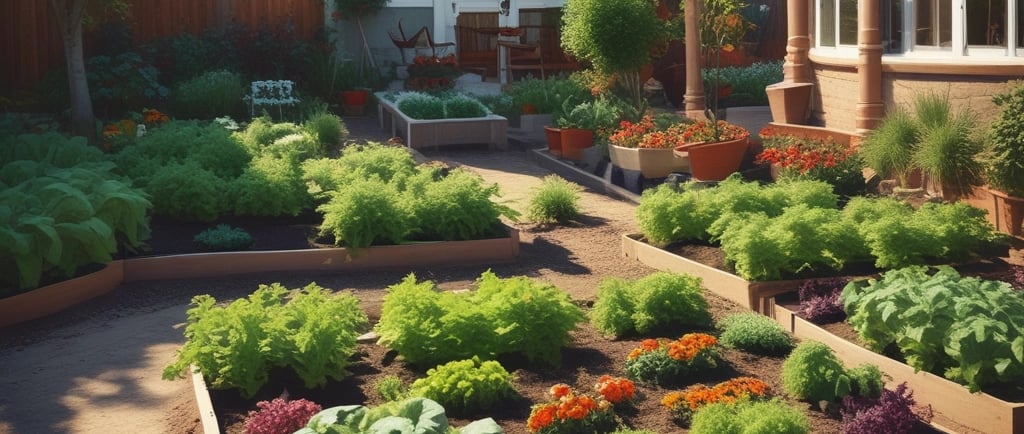
6. Raised Beds and Containers Make Gardening Easier
If your ground soil is difficult, raised beds or containers can save years of frustration.
Why Raised Beds Help
Better drainage
Fewer weeds
Easier soil control
Amazon recommendation:
✔️ Modular raised garden beds
✔️ Fabric grow bags
These options are especially helpful for urban or suburban gardeners.
7. Mulch Is One of the Best Gardening Tips No One Talks About Enough
Mulch quietly solves many problems:
Keeps soil moist
Prevents weeds
Protects soil structure
Best Mulch Options
Straw
Wood chips
Shredded leaves
Apply mulch early, not after weeds appear.
8. Fertilizer: More Is Not Better
I’ve killed more plants with fertilizer than pests ever did.
Easy Gardening Solutions for Feeding Plants
Use organic fertilizer
Follow label instructions
Feed lightly and consistently
Too much fertilizer causes:
Weak roots
Leafy growth with little harvest
Helpful product:
✔️ Organic vegetable fertilizer
9. Learn to Spot Problems Early
Most plant problems don’t appear overnight—they build slowly.
Common Gardening Mistakes to Avoid
Ignoring leaf color changes
Waiting too long to address pests
Assuming problems will fix themselves
Check your garden at least twice a week.
10. Natural Pest Control Works Better Than You Think
You don’t need harsh chemicals for a home garden.
Vegetable Gardening Tips for Pest Control
Neem oil for insects
Hand removal when possible
Healthy soil builds stronger plants
Helpful tool:
✔️ Neem oil concentrate
Healthy plants attract fewer pests.
11. Companion Planting Makes a Real Difference
Some plants protect others naturally.
Examples:
Basil near tomatoes
Marigolds for pest control
Lettuce as ground cover
This is one of the simplest gardening tips that improves results without extra effort.
12. Keep a Simple Gardening Journal
I resisted this idea at first, but it helped more than expected.
Write down:
Planting dates
Problems
What worked
Over time, patterns appear—and you learn faster.
Helpful tool:
✔️ Gardening notebook or planner
13. Tools That Are Worth Buying (and Ones That Aren’t)
You don’t need every tool in the store.
Tools I Actually Use
✔️ Hand trowel
✔️ Pruners
✔️ Hose nozzle with settings
✔️ Gloves
Cheap tools break quickly. Quality tools last years.
14. Seasonal Gardening Tips for the USA
Spring
Prepare soil
Start cool-season crops
Summer
Mulch heavily
Water early morning
Fall
Clean beds
Add compost
Winter
Plan next season
Repair tools
Gardening is easier when you work with the seasons.
15. Gardening Is a Skill, Not a Talent
Every gardener loses plants. It doesn’t mean you’re failing.
What matters:
Paying attention
Adjusting
Trying again
Progress shows up quietly.
Frequently Asked Questions (FAQ)
What are the most important gardening tips for beginners?
Start small, improve soil, water correctly, and choose plants suited to your space.
How often should I water my garden?
Water deeply when soil is dry a few inches down. Avoid daily shallow watering.
What are common gardening mistakes?
Overwatering, poor soil preparation, overcrowding plants, and ignoring early signs of stress.
Can I garden successfully in containers?
Yes. Containers are great for small spaces and beginners.
Do I need expensive tools to garden?
No. A few quality tools are enough.
Final Thoughts: Gardening Gets Easier With Experience
Good gardening tips aren’t about doing more—they’re about doing the right things consistently.
Once you understand your space, improve your soil, and slow down, gardening becomes less stressful and far more rewarding.
Every season teaches something new. Pay attention, adjust, and enjoy the process.
That’s how real gardens grow.
Want to Know More on Gardening?
Please Read :


Subscribe
Join us for tips and product reviews.
Contact
Affiliate disclaimer
© 2025. All rights reserved.
As an affiliate, we may earn a commission from qualifying purchases. We get commissions for purchases made through links on this website from Amazon and other third parties.