



Kale, carrots, Brussels sprouts, parsnips, leeks, and winter squash are the best vegetables for winter because they grow in cold soil and keep their flavor after a frost. These crops store energy as starch or sugar to survive freezing temperatures, becoming sweeter after hard frosts turn starches into sugars. Available at farmers’ markets from late fall through early spring, these roots and greens provide reliable nutrition when summer produce has disappeared.
Best vegetables to grow in winter
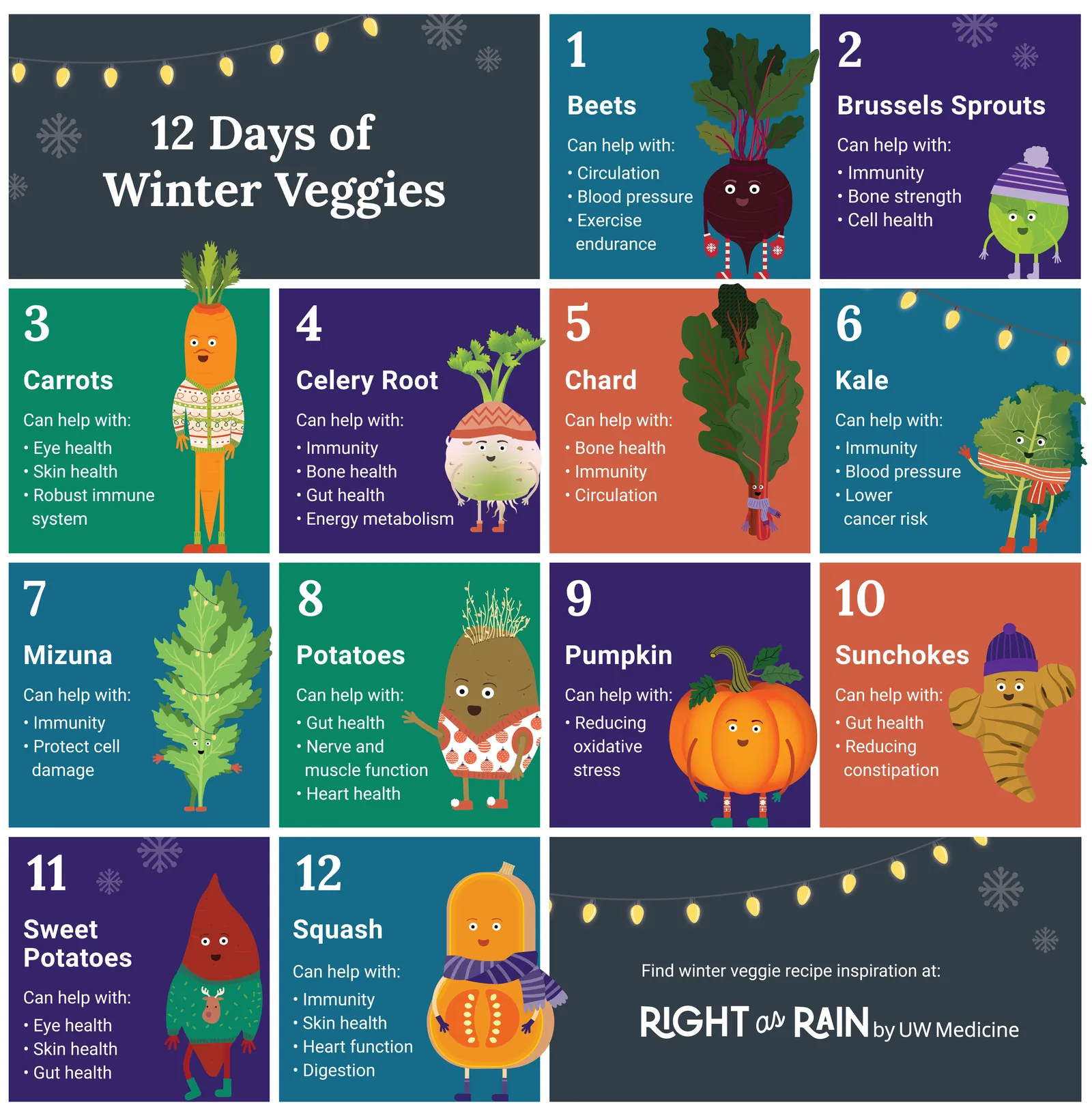
These six crops cover everything from hearty roasts to raw salads during the coldest months of the year. Each one handles freezing ground differently, so picking the right vegetable depends on your cooking plan.
| Vegetable | Best used for | Real example |
|---|---|---|
| Kale | Raw salads, cooked soups | Lacinato kale in white bean soup |
| Carrots | Roasting, raw snacking | Danvers carrots roasted with thyme |
| Brussels sprouts | Pan-frying, oven roasting | Halved sprouts roasted until charred |
| Parsnips | Mashing, sweet roasting | Parsnips pureed with butter |
| Leeks | Broths, slow braises | Sliced leeks in potato soup |
| Winter squash | Baking, thick soups | Butternut squash stuffed with grains |
Kale
Kale is a leafy green brassica that stays crisp and sweet even when temperatures drop below freezing. It suits anyone who wants fresh greens in December without relying on greenhouse imports. Unlike most salad leaves, it doesn’t turn slimy or bitter after a hard frost.
If you need a green that holds up to heavy dressings, pick kale; if you want something delicate for a light vinaigrette, stick to lettuce. That trade-off means you gain durability but lose the soft texture of spring greens. This isn’t the right choice for someone who dislikes chewing firm, fibrous leaves.
Here’s what it does well in a kitchen:
- Stays crunchy under acidic lemon dressings without wilting.
- Shrinks down significantly when sautéed, fitting more nutrients into a small bowl.
- Keeps its dark green color in hot broths instead of turning yellow.
- Provides about 134 milligrams of vitamin C per 100 grams when raw, according to USDA nutrient data.
Leaving the thick center stem attached is a habit that costs people a pleasant meal. That woody rib takes twice as long to soften as the leaves, leaving you with a chewy, stringy bite while the rest of the greens overcook.
Strip the leaves off the stem before you chop them. Tossing torn lacinato kale leaves with one tablespoon of olive oil and half a teaspoon of salt, then massaging them by hand for two minutes, breaks down the tough fibers enough to eat raw.
Carrots
Carrots are taproots that accumulate sugar when soil temperatures drop, making them noticeably sweeter than summer-harvested ones. They suit cooks who need a reliable, cheap base for both raw snacks and long roasts. While kale gives you leafy volume, carrots provide dense sweetness that balances savory winter dishes.
They work best when you need natural sweetness without adding sugar to a recipe. The trade-off here is time versus texture: roasting them whole keeps them juicy but takes 45 minutes, while dicing them speeds up cooking but dries out the edges faster. Someone looking for a high-protein main dish won’t find it here.
What they deliver in practice:
- Caramelize deeply at high heat, creating a brown crust without added sweeteners.
- Blend smoothly into purees for toddlers or adults needing soft foods.
- Stay crisp for weeks in a refrigerator crisper drawer set to high humidity.
- Retain their beta-carotene content better when cooked with a small amount of fat.
A standard medium carrot weighs about 60 grams. Peeling them too thickly wastes the outer layer where much of the flavor and nutrients sit. Scrubbing them clean with a brush under running water keeps that sweet exterior intact. Roasting 500 grams of unpeeled, halved Danvers carrots at 400°F (200°C) for 40 minutes with one tablespoon of oil produces tender roots with charred edges.
Brussels sprouts
Brussels sprouts are tight, cabbage-like buds that grow along a thick central stalk and develop a nutty flavor only after exposure to frost. They fit anyone willing to use high heat to transform a notoriously bitter vegetable into something rich and savory. Their density sets them apart from loose leafy greens like kale, requiring longer cooking times to become tender inside.
They demand patience and the right technique. Boiling them makes them sulfurous and mushy, while roasting or pan-frying brings out their sweetness. If you don’t have an oven or a heavy skillet that retains heat, this vegetable will disappoint you. Don’t expect a quick microwave steam to yield good results.
Their strengths in a meal:
- Develop crispy, dark outer leaves when exposed to direct high heat.
- Pair naturally with salty, fatty ingredients like bacon or aged cheese.
- Hold their shape in warm grain salads without falling apart.
- Provide roughly 4 grams of fiber per 100-gram serving.
Trimming the dry base off each sprout and cutting them in half lengthwise creates a flat surface. Placing that flat side directly against a hot cast-iron skillet ensures browning instead of steaming. Cooking 400 grams of halved sprouts in two tablespoons of oil over medium-high heat for 12 minutes, undisturbed for the first five minutes, yields a caramelized sear.
Parsnips
Parsnips are pale, tapered root vegetables that look like white carrots but carry a distinct earthy, spiced sweetness. They suit cooks building hearty mashes or stews where a subtle sweetness needs to anchor heavier flavors. Unlike carrots, they almost always require cooking to taste good, as raw parsnips are woody and overly firm.
The real limit with parsnips is their core. Large, older roots develop a tough, fibrous center that won’t soften no matter how long you cook them. You’ll need to cut around it or buy smaller ones, which means paying closer attention at the market rather than just grabbing the biggest bag.
Why they earn a spot in cold-weather meals:
- Mash smoothly with potatoes, adding sweetness without extra sugar.
- Roast to a sticky, golden finish that pairs well with sharp herbs like rosemary.
- Thicken soups naturally due to their high starch content.
- Store well in cool, dark places for several weeks without losing moisture.
Treating them exactly like carrots leads to a chewy, unpleasant texture. Their higher starch content means they burn faster at high temperatures if cut too thin. Cutting 300 grams of parsnips into thick, one-inch batons and tossing them with one tablespoon of oil prevents scorching. Roasting at 375°F (190°C) for 30 minutes keeps the insides creamy while the outsides brown safely.
Leeks
Leeks are mild, layered alliums that offer onion flavor without the sharp, pungent bite of standard bulb onions. They belong in slow-cooked dishes where you want a sweet, aromatic background note rather than a dominant crunch. While garlic and onions can overpower delicate winter broths, leeks melt into the liquid quietly.
The trade-off with leeks is preparation time. They grow in sandy soil, and dirt gets trapped tightly between their many layers. Skipping a thorough wash means biting into grit, which ruins an otherwise smooth soup. If you don’t have five extra minutes to prep them properly, use regular onions instead.
What they bring to a pot:
- Soften into a silky texture when simmered slowly in broth or cream.
- Sweeten significantly when cooked low and slow, losing all raw sharpness.
- Provide a gentle aromatic base for risottos and grain pilafs.
- Yield edible, flavorful greens if simmered long enough, reducing waste.
Slicing them lengthwise and fanning the layers under cold running water removes the hidden sand effectively. Chopping 200 grams of cleaned, sliced leeks and sweating them in one tablespoon of butter over low heat for 15 minutes creates a soft, sweet base. This works perfectly as the starting point for a potato-leek soup.
Winter squash
Winter squash refers to hard-skinned varieties like butternut, acorn, and spaghetti squash that are harvested in autumn and eaten through the cold months. They suit anyone needing a filling, starchy vegetable that stores easily outside the refrigerator. Unlike summer squash such as zucchini, their thick rinds protect the flesh from spoiling quickly.
They solve the storage problem of winter eating. You don’t need fridge space for them. However, breaking through that hard shell requires a heavy, sharp knife and a stable cutting board. If your knife is dull or your grip is weak, forcing it open is dangerous. Use a microwave to soften the skin for two minutes before cutting if you lack the right tools.
Their practical benefits:
- Keep for three to six months in a cool, dry pantry without rotting.
- Scoop cleanly into boats for stuffing with grains and meats.
- Puree into thick, velvety soups without needing dairy cream.
- Offer high amounts of vitamin A, particularly in orange-fleshed types.
Cutting a raw butternut squash straight down the middle with a flimsy knife often ends with a slipped blade. Splitting 800 grams of squash in half, scooping out the seeds, brushing the flesh with one tablespoon of oil, and baking face-down at 400°F (200°C) for 45 minutes makes the flesh easy to scoop out safely.
Other cold-season options
- Cabbage: A dense, round brassica that lasts for weeks in the fridge. It suits anyone making large batches of fermented foods like sauerkraut or slow-braised side dishes. Shred it finely for slaws or cut it into thick wedges for roasting.
- Turnips: Small, peppery roots that mellow out completely when boiled or roasted. Pick these for beef stews where you need a vegetable that absorbs heavy meat broths without falling apart into mush.
- Beets: Earthy, deeply colored roots that stain everything they touch. They work best for roasting whole in foil packets, which concentrates their sugar and keeps your cutting board clean.
- Swiss chard: A leafy green with thick, colorful stems that handle light frosts well. Use it when you want something softer than kale but sturdier than spinach for quick sautés.
- Rutabagas: Large, yellow-fleshed crosses between cabbage and turnips. Reach for them when you need a massive, cheap root vegetable to mash alongside potatoes for a large family dinner.
Picking the right one for your kitchen
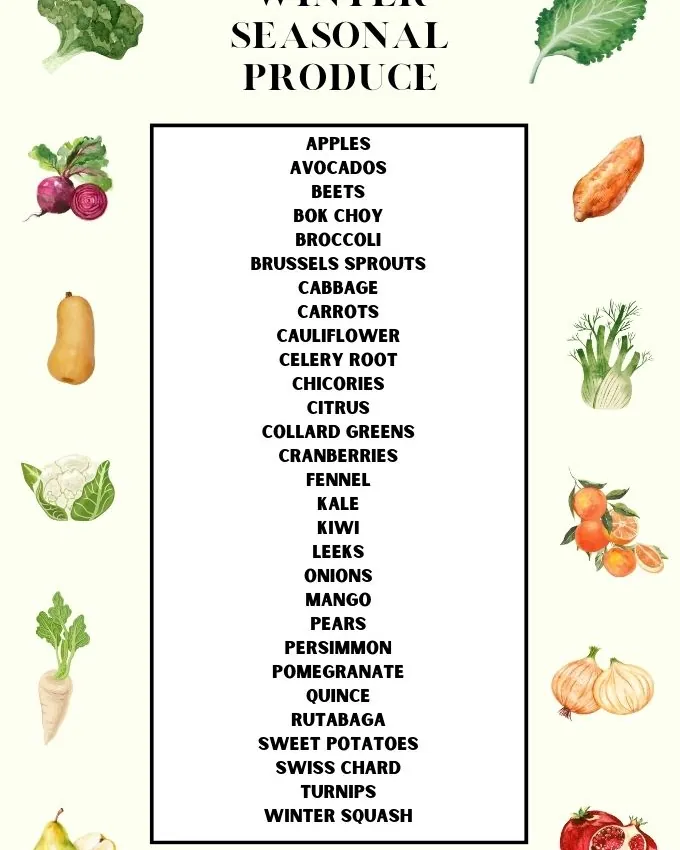
The vegetable you should buy depends entirely on what you already have in your kitchen and how much time you plan to spend cooking. Your equipment decides your options before you even reach the grocery store.
If you have a heavy cast-iron skillet and an oven that reaches 400°F (200°C), Brussels sprouts and carrots will give you the best results through roasting. If you only have a stovetop and a soup pot, leeks and cabbage are your safest choices for slow simmering.
Time is the second deciding factor. When you have less than 20 minutes to prepare dinner, kale and Swiss chard cook down rapidly in a hot pan. Root vegetables like parsnips, beets, and rutabagas need at least 30 to 45 minutes of active heat to become tender enough to eat comfortably. Rushing a parsnip just leaves you chewing on a hard, starchy block.
Your goal for the meal points to the final choice. If you need bulk and calories to fill out a cheap dinner, winter squash and potatoes paired with leeks provide dense, satisfying starch. If you’re trying to add vitamins and color to a heavy meat dish, raw shredded cabbage or massaged kale works as a bright side salad.
Trying to roast a delicate leafy green meant for salads destroys its texture, while boiling a squash meant for roasting turns it into watery mush. Match the cooking method to the vegetable’s natural structure.
You can combine these freely without worrying about clashing flavors. Leeks form a quiet base for soups that also hold cubed winter squash and chopped kale. Carrots and parsnips roast together on the same tray because their cooking times align closely when cut to the same thickness. Picking one doesn’t mean leaving the others behind. Just keep the sizes uniform so everything finishes cooking at the same moment.
Related guides
Frequently asked questions
Can you grow vegetables outside in the snow?
Yes, hardy crops like kale, carrots, and Brussels sprouts survive under snow if planted in late summer. The snow acts as insulation, keeping the soil just above freezing. You’ll need a cold frame or thick row cover for temperatures below 20°F (-6°C). Check your local agricultural extension office for planting dates, as the timing shifts based on your specific hardiness zone.
Why do root vegetables taste sweeter after frost?
Cold temperatures trigger a survival response where the plant converts stored starches into simple sugars. Sugar lowers the freezing point of the water inside the plant’s cells, preventing ice crystals from tearing them apart. This biological shift is why a January carrot tastes noticeably sweeter than one pulled from the ground in September.
How long do winter squashes last in storage?
Whole, uncut winter squashes keep for three to six months in a dry, cool spot around 50°F to 55°F (10°C to 13°C). Once you cut into them, the clock drops to about five days in the refrigerator. Acorn squash spoils faster than butternut or hubbard varieties because its skin is thinner. Always check the rind for soft spots before storing.
Is it safe to eat raw parsnips?
It’s safe, but not enjoyable. Raw parsnips are extremely hard, woody, and lack the sweetness they develop through cooking. They also contain natural compounds called furanocoumarins, which concentrate in the skin and can cause issues if consumed in very large quantities. Cooking softens the tough fibers and mellows the flavor completely.
What happens if you boil Brussels sprouts?
Boiling them releases sulfur compounds rapidly, resulting in a strong, unpleasant smell and a mushy texture. The water also leaches out their flavor and water-soluble vitamins. If you must cook them in liquid, blanch them in salted boiling water for exactly three minutes, then plunge them into ice water to stop the cooking process immediately.
Does washing leeks really take that long?
It takes about five minutes, but skipping it means eating sand. Leeks are grown by piling soil around the stalk to keep it white, pushing dirt deep between the layers. Slice them in half lengthwise first, then fan the layers open under running water. Soaking chopped pieces in a bowl of cold water lets the grit sink to the bottom.
How many carrots make a standard side dish?
For four people, you’ll need about 500 grams of whole carrots, which is roughly eight medium-sized ones. This assumes you’re roasting them as a primary side dish. If you’re grating them into a salad or mixing them into a stew with other vegetables, 250 grams is usually enough to provide flavor without taking over the dish.
Do frozen winter vegetables lose their nutrients?
No, commercially frozen vegetables often retain more nutrients than fresh ones sitting in transport for a week. They’re typically blanched and flash-frozen within hours of harvest, locking in vitamins. The texture changes slightly, making them better suited for soups, stews, and mashes rather than dishes where you need a crisp, raw bite.
Starting your winter prep
Pick one root vegetable and one leafy green from the list above for your next grocery trip. Buy 500 grams of carrots and one bunch of kale to start with familiar, forgiving crops. Wash the kale, strip the stems, and scrub the carrots without peeling them.
Roast the carrots at 400°F (200°C) for 40 minutes while you massage the kale with oil for a raw side. You’ll know it worked when the carrots blister at the edges and the kale turns bright green and tender.
If your root vegetables smell sour, feel slimy, or show deep black spots beneath the skin, throw them away. That means rot has set in, and no amount of cooking will fix spoiled food.
{“@context”:”https://schema.org”,”@type”:”FAQPage”,”mainEntity”:[{“@type”:”Question”,”name”:”Can you grow vegetables outside in the snow?”,”acceptedAnswer”:{“@type”:”Answer”,”text”:”Yes, hardy crops like kale, carrots, and Brussels sprouts survive under snow if planted in late summer. The snow acts as insulation, keeping the soil just above freezing. You’ll need a cold frame or thick row cover for temperatures below 20°F (-6°C). Check your local agricultural extension office for planting dates, as the timing shifts based on your specific hardiness zone.”}},{“@type”:”Question”,”name”:”Why do root vegetables taste sweeter after frost?”,”acceptedAnswer”:{“@type”:”Answer”,”text”:”Cold temperatures trigger a survival response where the plant converts stored starches into simple sugars. Sugar lowers the freezing point of the water inside the plant’s cells, preventing ice crystals from tearing them apart. This biological shift is why a January carrot tastes noticeably sweeter than one pulled from the ground in September.”}},{“@type”:”Question”,”name”:”How long do winter squashes last in storage?”,”acceptedAnswer”:{“@type”:”Answer”,”text”:”Whole, uncut winter squashes keep for three to six months in a dry, cool spot around 50°F to 55°F (10°C to 13°C). Once you cut into them, the clock drops to about five days in the refrigerator. Acorn squash spoils faster than butternut or hubbard varieties because its skin is thinner. Always check the rind for soft spots before storing.”}},{“@type”:”Question”,”name”:”Is it safe to eat raw parsnips?”,”acceptedAnswer”:{“@type”:”Answer”,”text”:”It’s safe, but not enjoyable. Raw parsnips are extremely hard, woody, and lack the sweetness they develop through cooking. They also contain natural compounds called furanocoumarins, which concentrate in the skin and can cause issues if consumed in very large quantities. Cooking softens the tough fibers and mellows the flavor completely.”}},{“@type”:”Question”,”name”:”What happens if you boil Brussels sprouts?”,”acceptedAnswer”:{“@type”:”Answer”,”text”:”Boiling them releases sulfur compounds rapidly, resulting in a strong, unpleasant smell and a mushy texture. The water also leaches out their flavor and water-soluble vitamins. If you must cook them in liquid, blanch them in salted boiling water for exactly three minutes, then plunge them into ice water to stop the cooking process immediately.”}},{“@type”:”Question”,”name”:”Does washing leeks really take that long?”,”acceptedAnswer”:{“@type”:”Answer”,”text”:”It takes about five minutes, but skipping it means eating sand. Leeks are grown by piling soil around the stalk to keep it white, pushing dirt deep between the layers. Slice them in half lengthwise first, then fan the layers open under running water. Soaking chopped pieces in a bowl of cold water lets the grit sink to the bottom.”}},{“@type”:”Question”,”name”:”How many carrots make a standard side dish?”,”acceptedAnswer”:{“@type”:”Answer”,”text”:”For four people, you’ll need about 500 grams of whole carrots, which is roughly eight medium-sized ones. This assumes you’re roasting them as a primary side dish. If you’re grating them into a salad or mixing them into a stew with other vegetables, 250 grams is usually enough to provide flavor without taking over the dish.”}},{“@type”:”Question”,”name”:”Do frozen winter vegetables lose their nutrients?”,”acceptedAnswer”:{“@type”:”Answer”,”text”:”No, commercially frozen vegetables often retain more nutrients than fresh ones sitting in transport for a week. They’re typically blanched and flash-frozen within hours of harvest, locking in vitamins. The texture changes slightly, making them better suited for soups, stews, and mashes rather than dishes where you need a crisp, raw bite.”}}]}