
Advantages to Raised Garden Beds: Why Smart Gardeners Are Switching (and What You’ll Need to Get Started)
Explore the real advantages to raised garden beds, plus beginner tips and must-have tools to grow healthier plants with less effort.
GARDENING TOOLS
3/24/20265 min read
Introduction: The Shift Toward Smarter Gardening
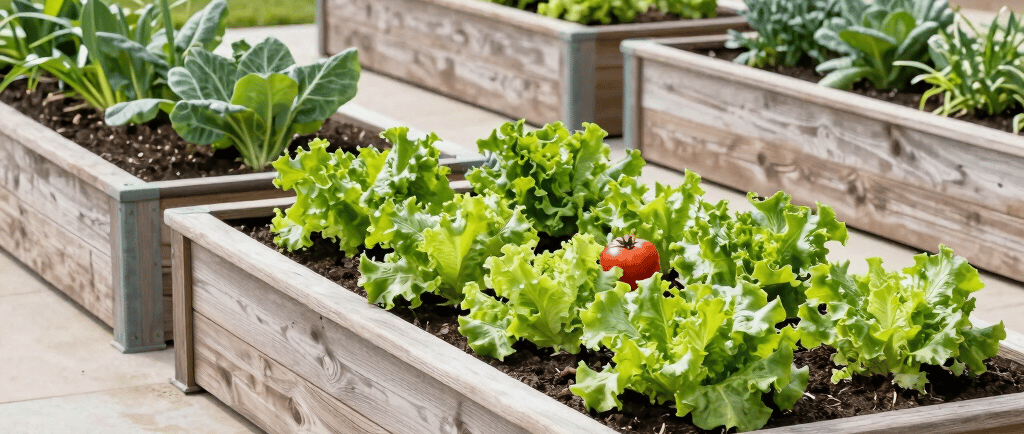
Talk to almost any home gardener today, and you’ll notice a trend—more and more people are switching to raised beds. It’s not just about making a garden look neat. It’s about solving real problems: poor soil, constant weeds, inconsistent watering, and physical strain.
If you’ve ever struggled to grow healthy vegetables or felt overwhelmed maintaining a traditional garden, raised beds can completely change your experience. The key is understanding why they work—and using the right tools to make the most of them.
Let’s break down the real advantages to raised garden beds, along with practical product suggestions that actually help (not just things you don’t need).
What Are Raised Garden Beds (And Why They Work So Well)?
Raised garden beds are simply planting areas where soil is elevated and contained within a structure—usually wood, metal, or composite material.
The difference from in-ground gardening is simple but powerful:
👉 You control everything inside the bed.
That means:
Better soil
Better drainage
Better plant health
And ultimately—better results.
1. Total Control Over Soil Quality
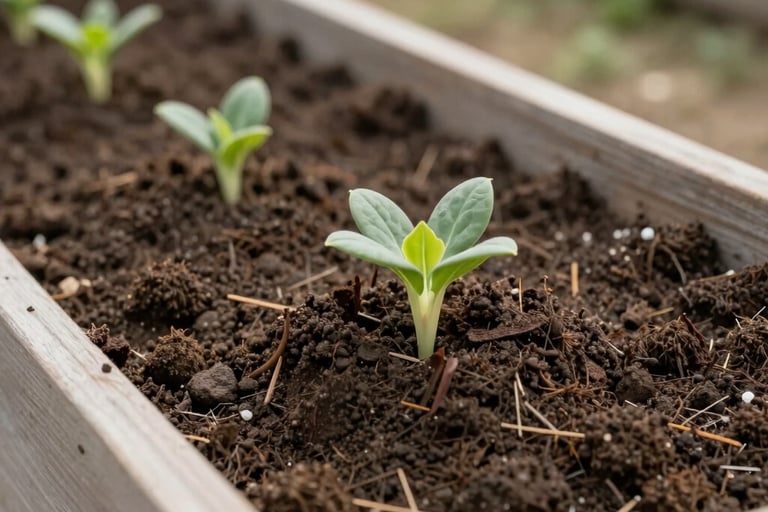
One of the biggest benefits of raised garden beds is starting with the right soil from day one.
In many parts of the U.S., native soil can be:
Too clay-heavy
Too sandy
Lacking nutrients
Compacted from years of use
Raised beds eliminate all of that.
What Actually Works
Most successful gardeners use a mix like:
50% high-quality garden soil
30% compost
20% aeration material (like perlite or coconut coir)
Helpful Amazon Picks
💡 This is one area where spending a little more upfront makes a huge difference.
2. Better Drainage = Healthier Roots
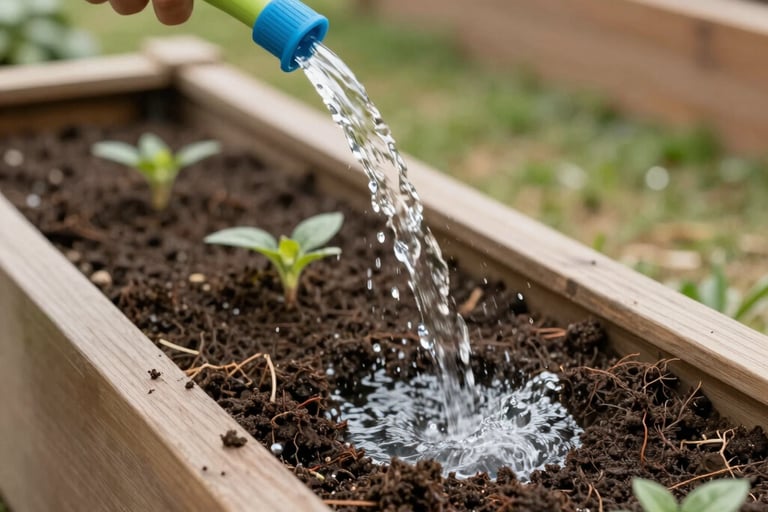
One of the most common gardening problems is overwatering—not because people water too much, but because soil doesn’t drain properly.
Raised beds fix this naturally.
Why drainage improves:
Soil is elevated
Water moves freely downward
Roots get more oxygen
Practical Tip
If you’ve ever had plants turn yellow or wilt for no clear reason, poor drainage was likely the issue.
Useful Tool
3. Fewer Weeds, Less Maintenance
Weeds are one of the biggest frustrations for beginners. Raised beds make them far more manageable.
Why raised beds reduce weeds:
You start with clean soil
Defined edges block grass invasion
Mulch stays in place better
Smart Add-On
Mulching is essential here.
Amazon-friendly options:
These not only reduce weeds but also keep soil moist longer.
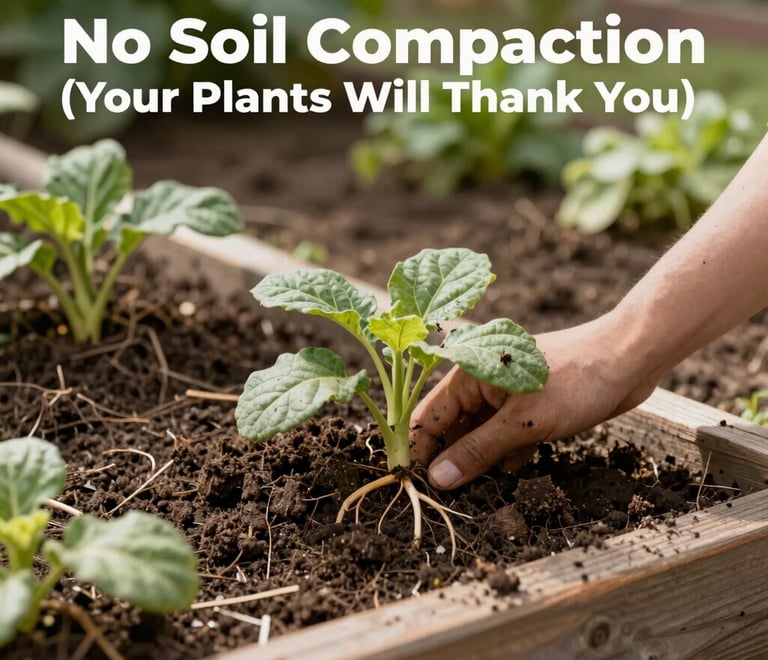
4. No Soil Compaction (Your Plants Will Thank You)
In traditional gardens, walking on soil compresses it over time. Compacted soil restricts root growth and reduces airflow.
Raised beds eliminate this problem completely.
Why?
Because you never step into the growing area.
Result:
Looser soil
Stronger roots
Faster plant growth
No extra tools needed here—just better design.
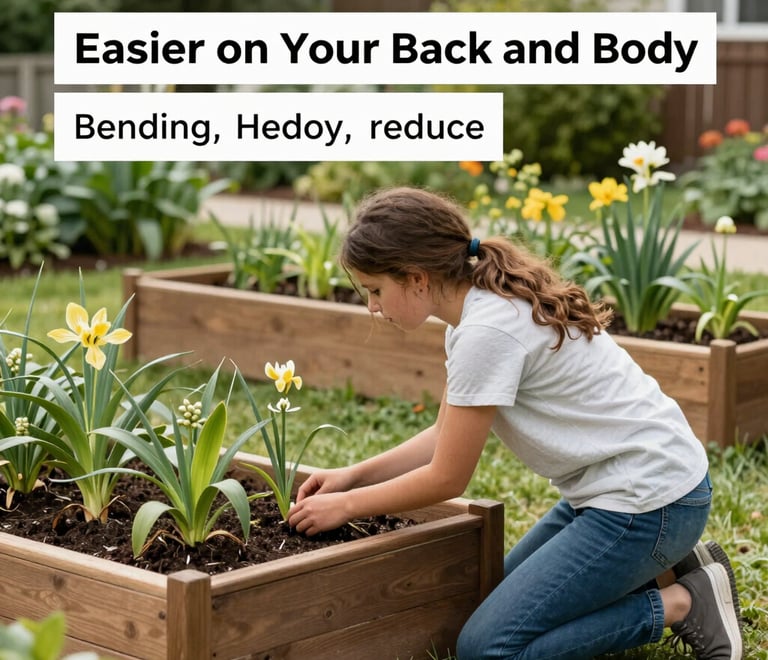
5. Easier on Your Back and Body
Let’s be honest—gardening can be physically demanding.
Raised beds reduce:
Bending
Kneeling
Back strain
This is one of the biggest reasons people switch.
Helpful Comfort Products
These small upgrades make a big difference, especially if you garden regularly.
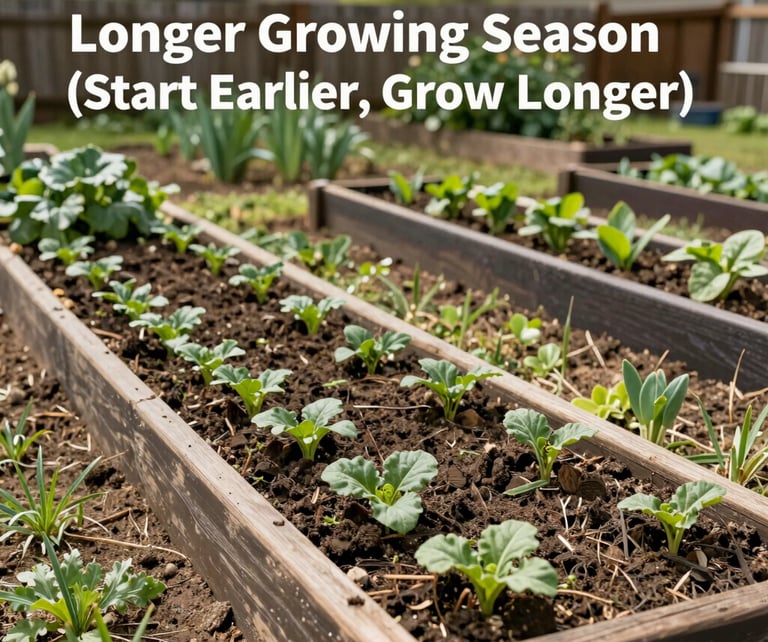
6. Longer Growing Season (Start Earlier, Grow Longer)
Raised beds warm up faster in spring because they’re elevated and exposed to sunlight from all sides.
What this means:
Earlier planting
Faster seed germination
Longer harvest window
Helpful Tools
These are especially useful in colder U.S. regions.
7. More Efficient Watering
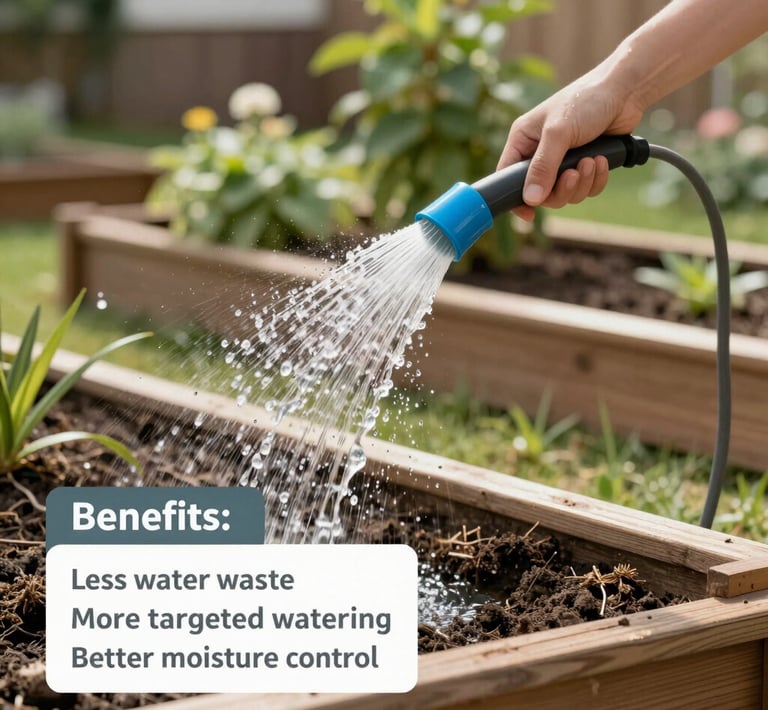
Watering becomes much easier with raised beds because you’re working in a controlled space.
Benefits:
Less water waste
More targeted watering
Better moisture control
Best Tool Upgrade
This is one of the best investments for raised beds—saving time while improving plant health.
8. Perfect for Small Spaces
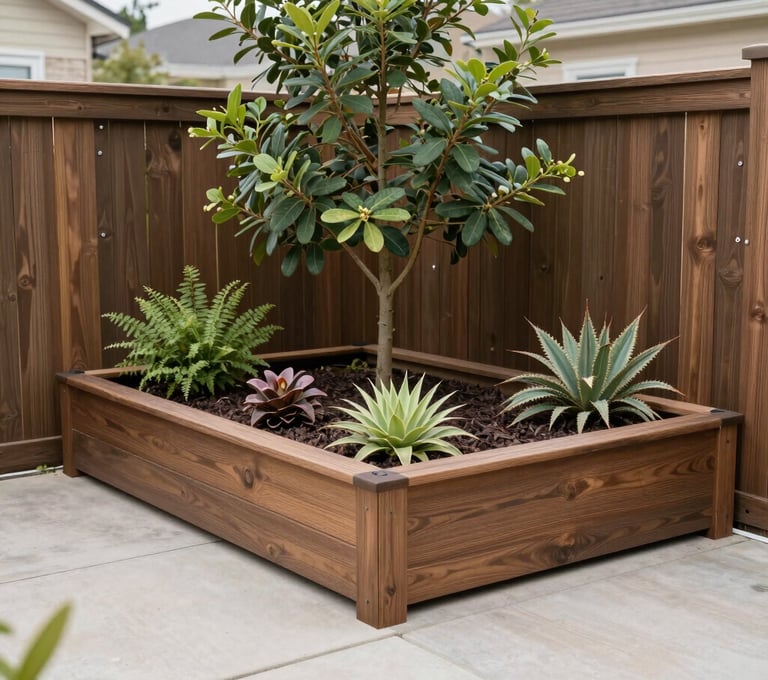
One of the most practical reasons people ask why use raised garden beds is space.
You can install them almost anywhere:
Backyard corners
Patios
Decks
Driveways
Great Option for Beginners
These are easy to assemble and expand as your garden grows.
9. Easier Pest Control
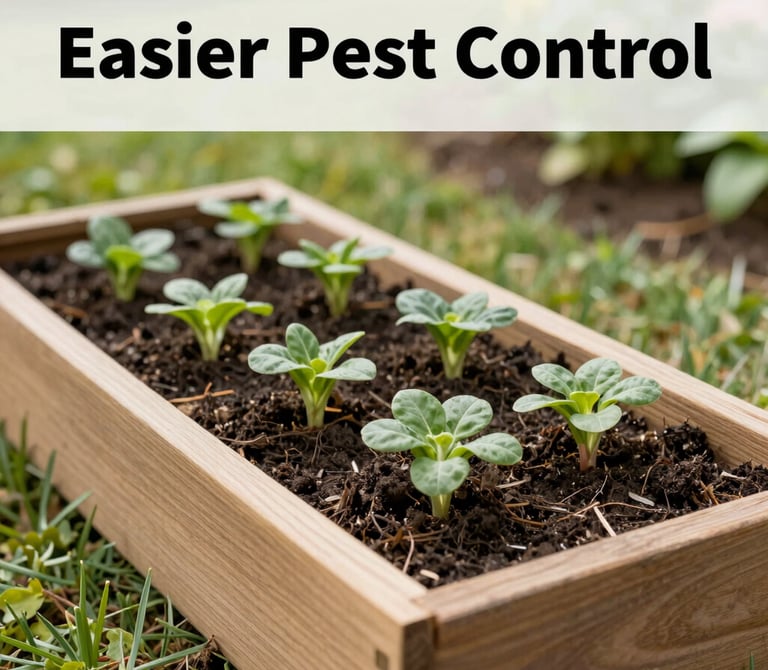
Raised beds won’t eliminate pests, but they make control easier.
Why?
Easier to monitor plants
Simple to add protective covers
Ability to install barriers underneath
Useful Add-Ons
10. Higher Yields in Less Space
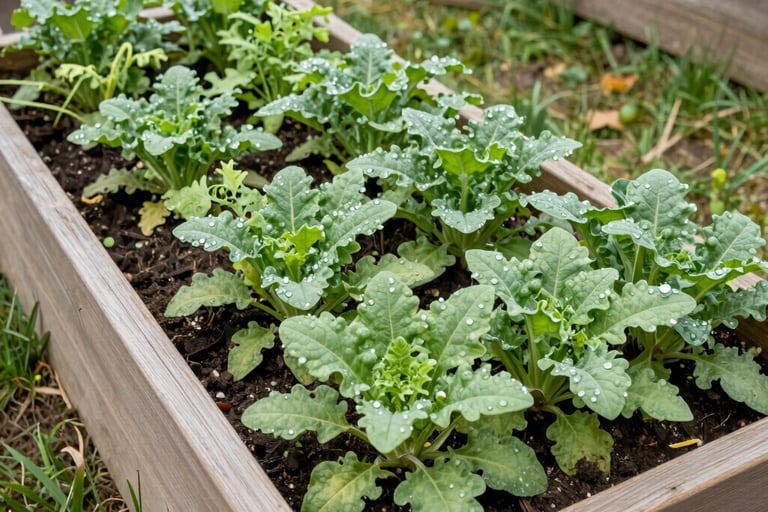
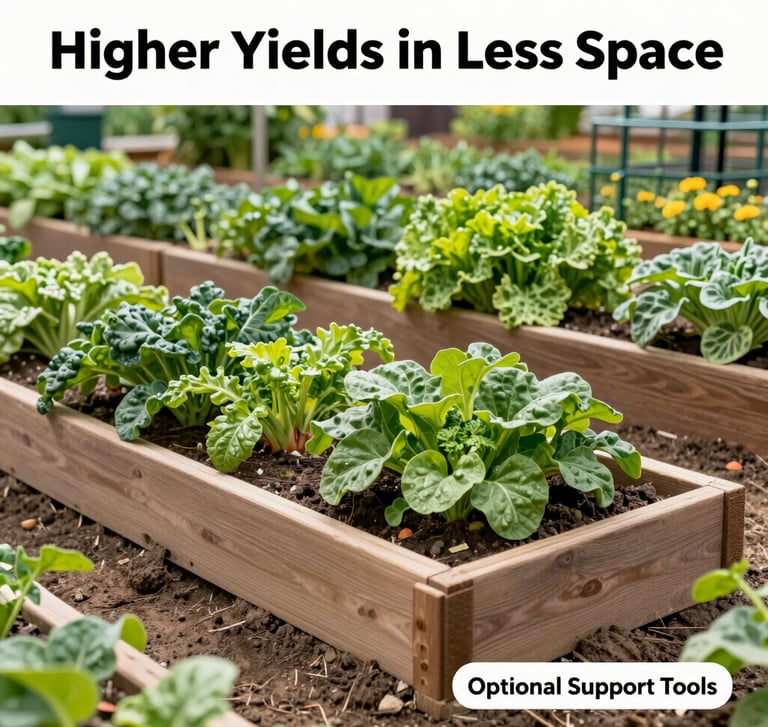
Because of better soil, spacing, and plant health, raised beds often produce more food per square foot.
Especially good for:
Tomatoes
Peppers
Leafy greens
Herbs
Optional Support Tools
These help maximize vertical space and increase productivity.
Raised Garden Beds Pros and Cons
Pros
✔ Better soil
✔ Easier maintenance
✔ Fewer weeds
✔ Higher yields
✔ More comfortable gardening
Cons
✘ Initial cost
✘ Soil dries faster
✘ Requires setup
For most gardeners, the pros far outweigh the cons.
Raised Beds vs In-Ground Gardening
Raised Beds
Easier for beginners
Better control
Faster results
In-Ground Gardening
Lower startup cost
More dependent on soil quality
If your soil isn’t ideal, raised beds are the clear winner.
Raised Bed Gardening for Beginners: Simple Setup
If you’re just starting:
Choose a sunny location (6–8 hours)
Start with one raised bed
Use high-quality soil
Add mulch
Water consistently
Beginner-Friendly Starter Products
Raised Bed Kit
Seed Starting Mix
Basic Hand Tool Set
Start small, learn quickly, expand later.
Frequently Asked Questions (FAQ)
What are the main advantages to raised garden beds?
Better soil, improved drainage, fewer weeds, and easier maintenance.
Are raised beds good for beginners?
Yes—they simplify many common gardening challenges.
Do raised beds need more watering?
Sometimes, but drip irrigation and mulch solve this easily.
Are raised garden beds worth it?
For most gardeners, absolutely—especially long term.
What should I put at the bottom of a raised bed?
Cardboard or landscape fabric to suppress weeds.
Final Thoughts: A Smarter Way to Garden
When you look at all the advantages to raised garden beds, one thing becomes clear—they’re not just easier, they’re smarter.
You’re not fighting your environment anymore. You’re controlling it.
With the right setup and a few well-chosen tools, raised beds can turn gardening from frustrating into genuinely enjoyable—and far more productive.
Start simple, invest in the basics, and let your garden grow from there 🌱
Want to Know More on Gardening?
Please Read :
Modular Raised Garden Beds: Why They Changed How I Garden (and Might Change Yours Too)
Subscribe
Join us for tips and product reviews.
Contact
Affiliate disclaimer
© 2025. All rights reserved.
As an affiliate, we may earn a commission from qualifying purchases. We get commissions for purchases made through links on this website from Amazon and other third parties.