What Veggies to Plant in Late Summer for Fall Harvest: Boost Your Yield!
Discover what veggies to plant in late summer for fall harvest, with planting dates, beginner tips, and the best crops for a productive autumn garden.
SEASONAL GARDENING
7/19/20267 min read


Is your vegetable garden looking tired by August?
Tomatoes may be slowing down, cucumbers are fading, and empty spaces are appearing in your raised beds. Many gardeners assume the season is ending—but late summer is actually the perfect time to start a second harvest.
Knowing what veggies to plant in late summer for fall harvest can turn those empty beds into a fresh supply of crisp lettuce, sweet carrots, tender spinach, and flavorful radishes well into autumn.
In this guide, you’ll learn:
The best vegetables to sow in late summer
How to calculate your fall planting dates
Which crops thrive in cooler weather
Step-by-step planting instructions
Beginner mistakes to avoid
Whether you garden in raised beds, containers, or a backyard plot, these strategies will help you boost your yield and extend your harvest season.
Why Plant a Fall Garden?
Most gardeners focus on spring planting, but fall gardens often produce better-quality vegetables.
Cooler temperatures improve flavor
Crops such as spinach, kale, carrots, and lettuce become sweeter after cool nights because they convert starches into sugars.
Fewer pests
As temperatures fall, garden pests decrease, saving young plants.
Better moisture retention
Late-summer soil stays warm for quick germination, while cooler autumn weather reduces water loss.
More food from the same space
A fall garden allows you to harvest two crops from one bed in a single year, making it one of the most efficient gardening techniques available.
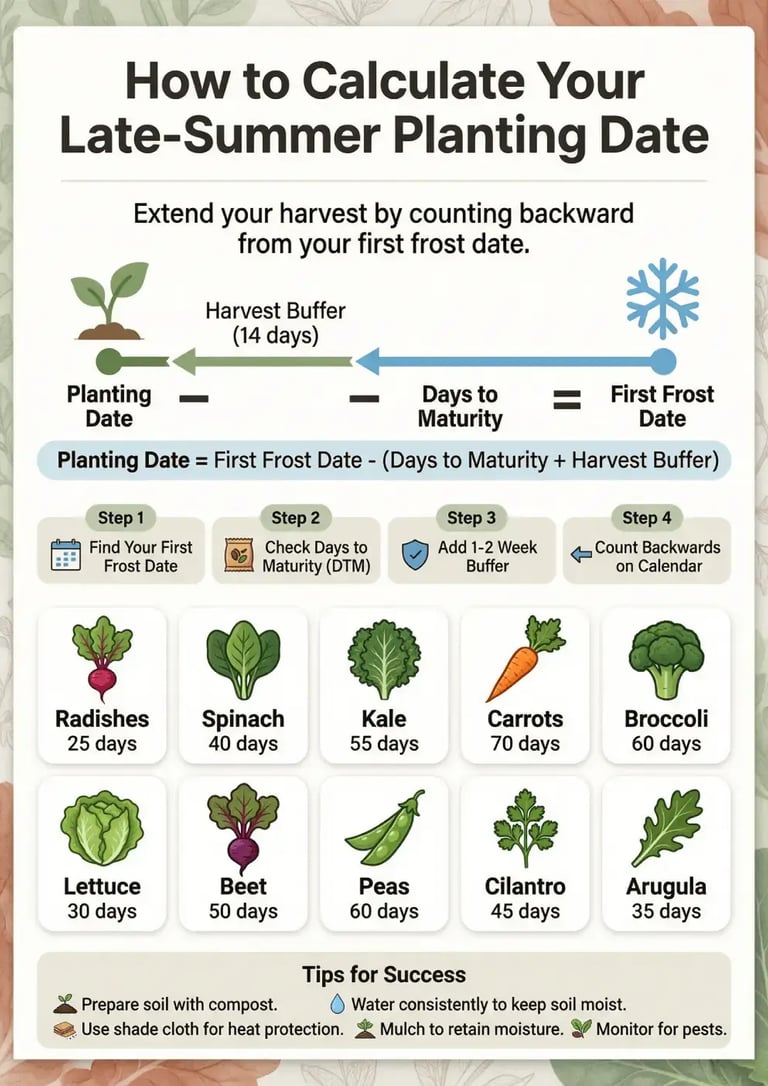
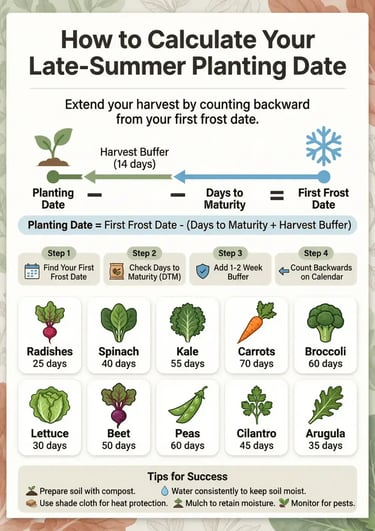
How to Calculate Your Late-Summer Planting Date
The key to successful late summer vegetable planting is working backward from your first expected fall frost date.
Step 1: Find your first frost date
Use the USDA Plant Hardiness Zone Map or your local extension service to find the average first frost date for your area.
Step 2: Check the crop’s days to maturity
For example:
Radishes: 25–30 days
Spinach: 35–45 days
Lettuce: 45–60 days
Carrots: 60–75 days
Step 3: Add a fall buffer
Because days become shorter in autumn, add 10–14 extra days to the maturity time.
Example: If your first frost is October 20 and spinach takes 40 days, add 10 days for the fall buffer = 50 days. Count back 50 days from October 20, giving a planting date of August 31.
This simple method creates a reliable fall garden planting schedule for almost any vegetable.
The Best Fast-Growing Fall Vegetables
If you’re wondering what veggies to plant in late summer for fall harvest, start with crops that mature quickly and tolerate cool weather.
🥬 Leafy Greens (30–60 days)
Spinach
Excellent cold tolerance
Sweeter after frost
Ideal for salads and cooking
Lettuce
Choose loose-leaf varieties for continuous harvest
Germinates quickly in warm soil
Arugula
Ready in about 30 days
Adds a peppery flavor to salads
🌱 Root Vegetables (25–75 days)
Radishes
One of the fastest growing fall vegetables
Harvest in as little as 25 days
Carrots
Develop sweeter flavor in cool weather
Best sown directly in the garden
Beets
Both roots and greens are edible
Reliable fall producer
🌿 Brassicas (50–80 days)
Kale
Extremely cold hardy
Produces leaves well into winter in many regions
Bok Choy
Fast-growing and compact
Perfect for raised beds and containers
Turnips
Quick-growing roots and nutritious greens
These crops consistently rank among the best vegetables for fall garden success across most USDA zones.
Step-by-Step Planting Guide
Follow this simple process for a productive fall garden.
Step 1: Remove spent summer crops
Pull out declining tomato, cucumber, or bean plants and remove any diseased foliage.
Step 2: Refresh the soil
Add:
1–2 inches of compost
A balanced organic vegetable fertilizer
A light cultivation of the top 3–4 inches of soil
Step 3: Water the bed thoroughly
Pre-moistened soil helps seeds germinate evenly during hot late-summer weather.
Step 4: Sow seeds at the correct depth
Step 5: Keep the soil consistently moist
During the first week, check moisture daily. Warm soil can dry out quickly, and uneven moisture is a common cause of poor germination.
Step 6: Thin seedlings
Once seedlings develop their first true leaves, thin them to the recommended spacing to ensure good airflow and root development.
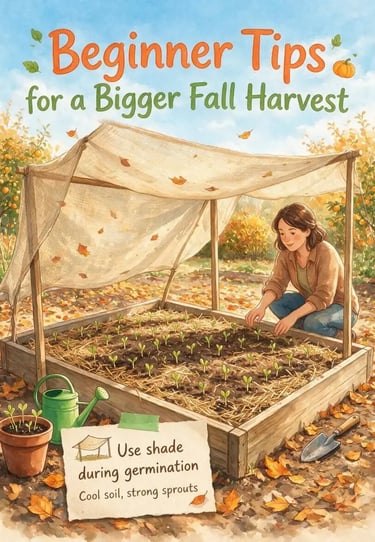
Beginner Tips for a Bigger Fall Harvest
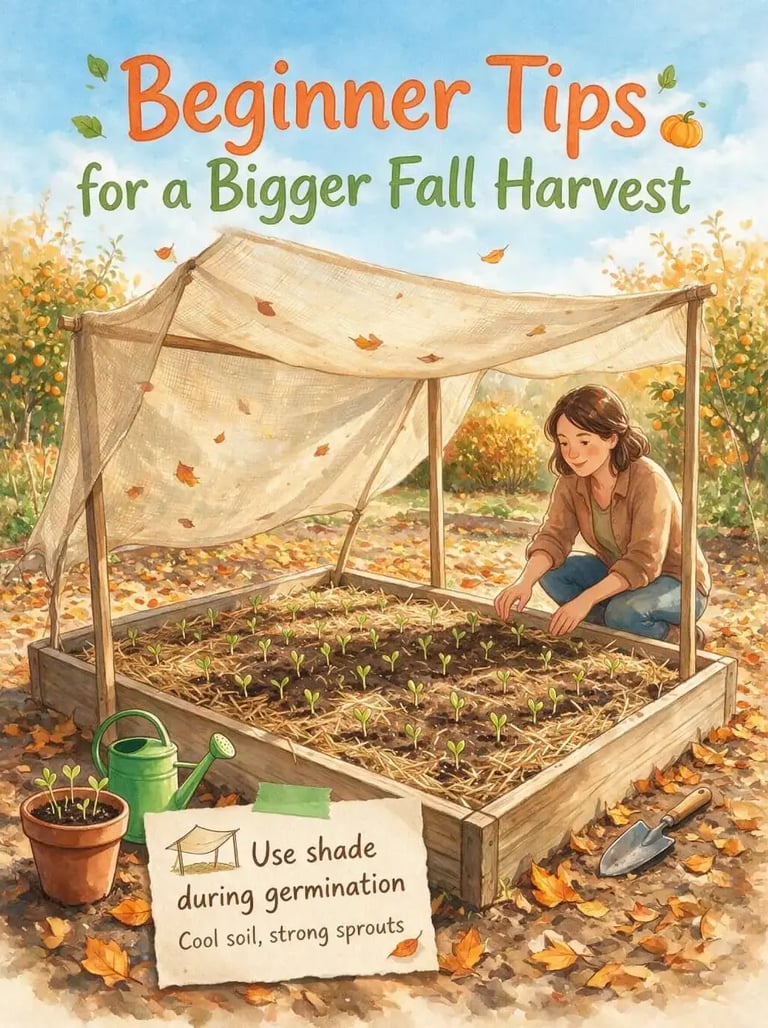
Use shade during germination
Hot August sun can overheat seeds. Cover newly sown beds with:
Shade cloth (30–40%)
Floating row cover
An old sheet supported by hoops
Remove the cover once seedlings emerge.
Water in the morning
Morning watering reduces evaporation and allows foliage to dry before evening.
Succession sow every 10–14 days
Plant small batches of lettuce, spinach, and radishes every two weeks for a continuous harvest rather than one large crop.
Mulch after seedlings establish
A thin layer of straw or shredded leaves helps retain moisture and suppress weeds.
Don’t over-fertilize leafy greens
Too much nitrogen can produce lush growth that is more susceptible to frost damage.
Real-Life Fall Garden Example
A gardener in USDA Zone 6 harvested garlic in July, leaving a 4×8 raised bed empty. Instead of leaving it bare, she:
Added 2 inches of compost.
Sowed spinach on August 20.
Sowed radishes between the spinach rows.
Added a second sowing of lettuce on September 5.
The radishes were harvested by mid-September, creating more space for the spinach. The lettuce provided continuous harvests through October, and the spinach continued producing leaves until early November under a lightweight row cover.
This single bed produced three additional harvests after the summer crop was removed.
Common Mistakes to Avoid
Even experienced gardeners can make a few mistakes when planning a late summer vegetable garden. Fortunately, most of these are easy to avoid.
1. Planting Too Late
One of the biggest mistakes is waiting until autumn officially begins.
Many cool-season vegetables need 40–70 days to mature before the first expected frost.
Tip: Count backward from your area's average first frost date before sowing seeds.
2. Forgetting to Water
Late summer is often the hottest part of the gardening season.
New seedlings have shallow roots and dry out quickly.
Best Practice
Water deeply every morning.
Apply 2–3 inches of mulch.
Avoid watering during the hottest afternoon hours.
3. Ignoring Shade
Young seedlings struggle under intense afternoon sun.
Temporary shade cloth or planting beside taller crops helps them establish healthy roots.
4. Overcrowding Plants
Trying to fit too many vegetables into a small area reduces airflow and increases disease pressure.
Always follow the spacing recommendations on seed packets.
5. Skipping Soil Improvement
After harvesting summer crops, soil nutrients are often depleted.
Before planting again:
Add compost
Mix in aged manure
Apply a balanced organic vegetable fertilizer
Healthy soil equals healthier fall vegetables.
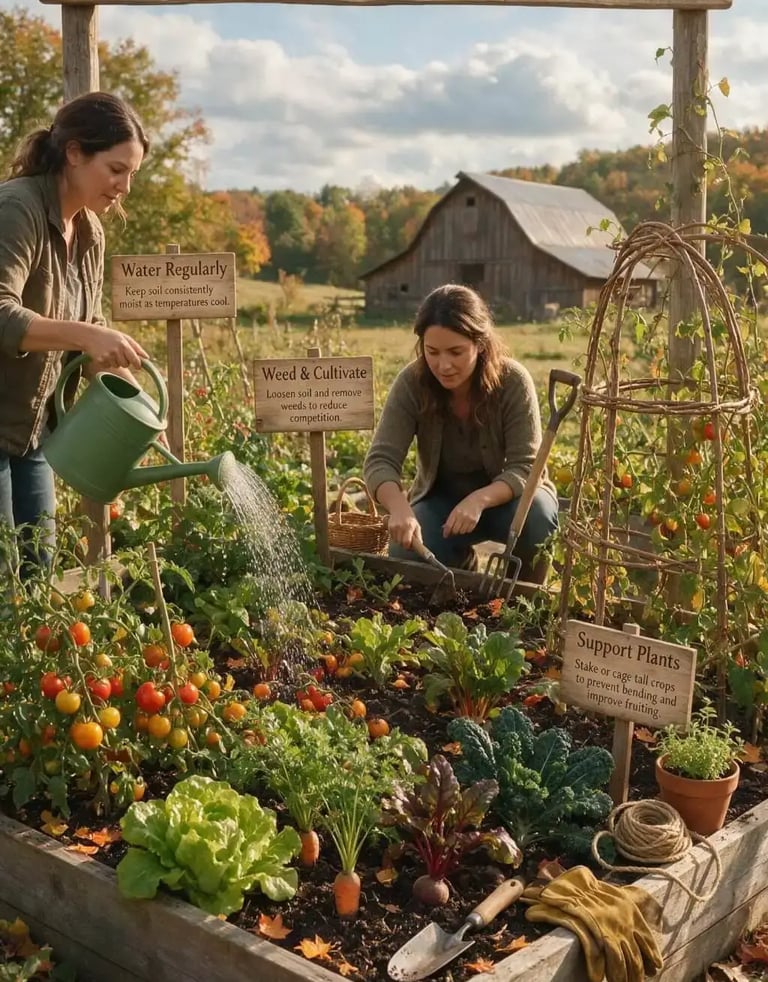
Caring for Your Fall Garden
Once your vegetables are planted, regular care ensures a productive harvest.
Water Consistently
Aim for approximately 1 inch of water each week, increasing during unusually hot weather.
Drip irrigation or soaker hoses help reduce evaporation and keep foliage dry.
Fertilize Lightly
Leafy vegetables usually need less fertilizer than fruiting crops.
A light application of compost or fish emulsion every 3–4 weeks is often enough.
Mulch Well
Organic mulch helps:
Keep soil cooler
Reduce weeds
Retain moisture
Protect roots from temperature swings
Straw and shredded leaves are excellent choices.
Protect Against Early Frost
Unexpected cold nights happen.
Keep these supplies ready:
Floating row covers
Frost blankets
Old bedsheets (temporary protection)
Many cool-season vegetables tolerate light frost, but young seedlings appreciate extra protection.
Best Amazon Products for Late Summer Gardening
These tools can make planting and maintaining a productive fall garden easier.
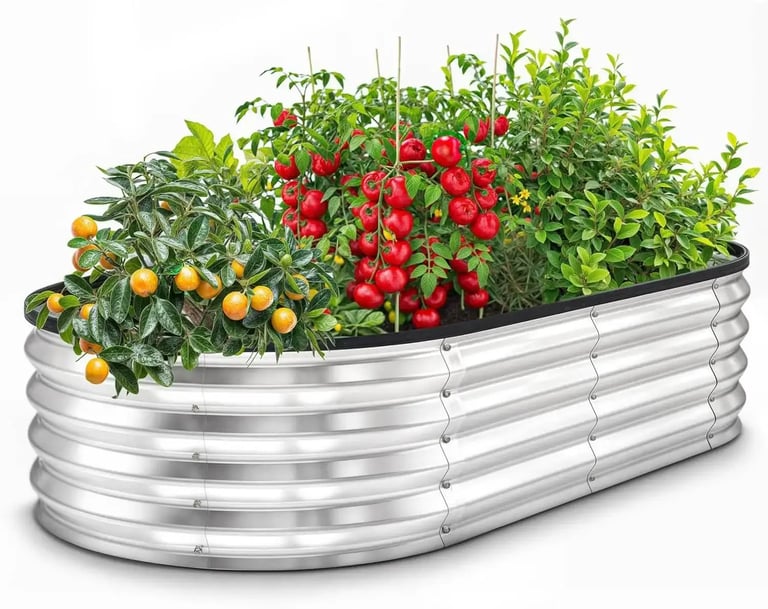
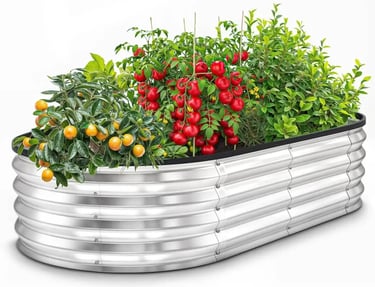
1. Raised Garden Bed Kit
Best For: Better drainage and soil control
Pros
Easy assembly
Improved soil quality
Excellent for beginners
Cons
Higher initial investment
Limited growing area
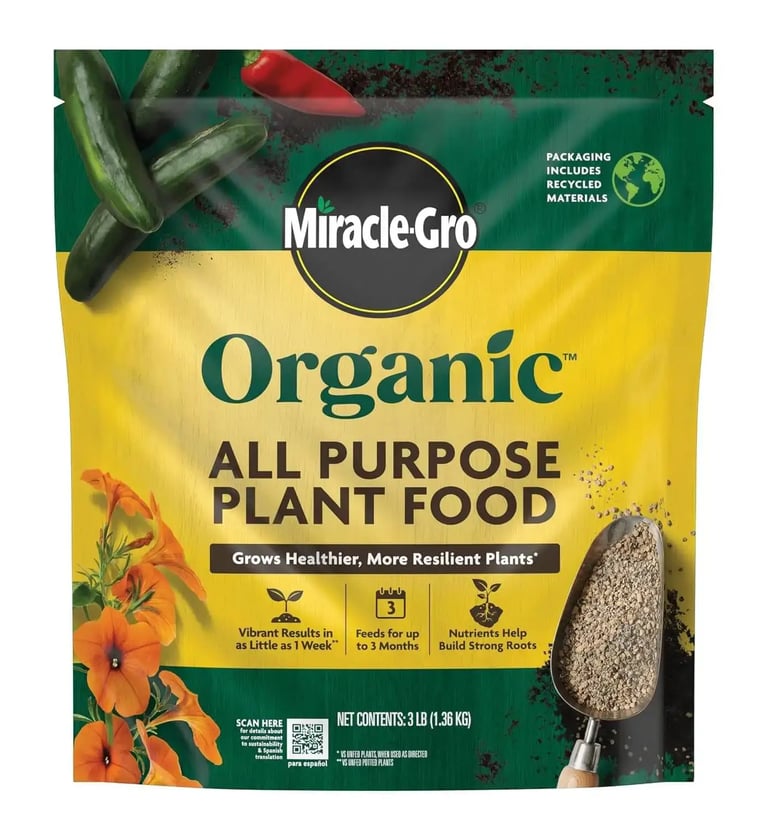
2. Organic Vegetable Fertilizer
Best For: Feeding cool-season vegetables
Pros
Slow-release nutrients
Safe for edible crops
Improves soil health
Cons
Requires reapplication
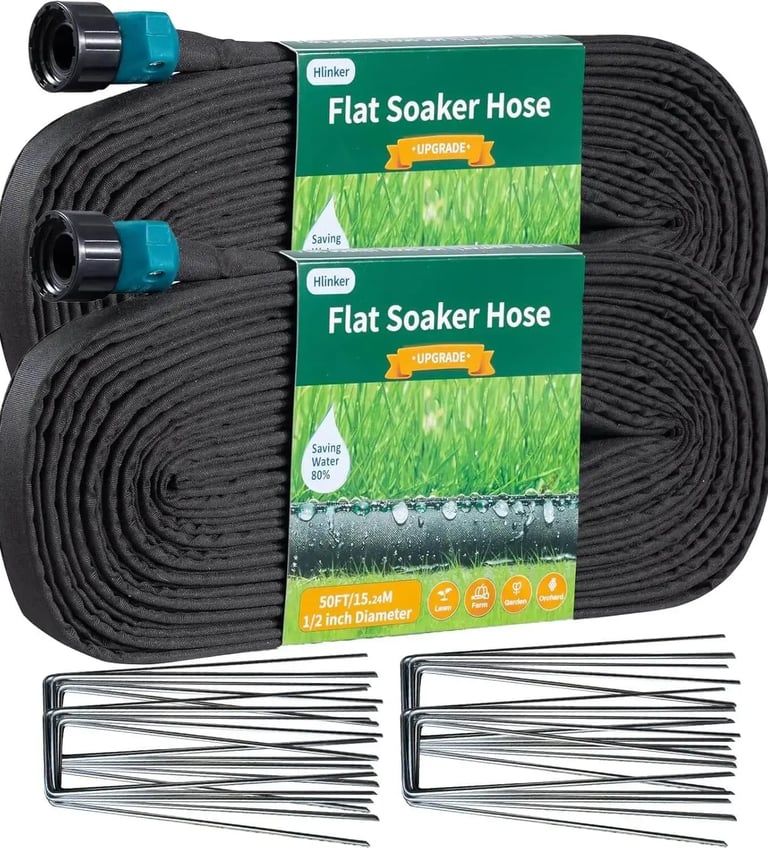
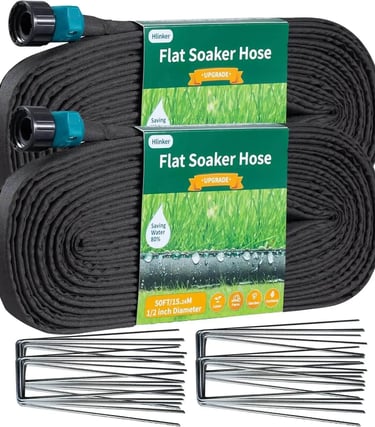
3. Heavy-Duty Soaker Hose
Best For: Efficient watering
Pros
Conserves water
Reduces leaf diseases
Easy installation
Cons
May require hose timer
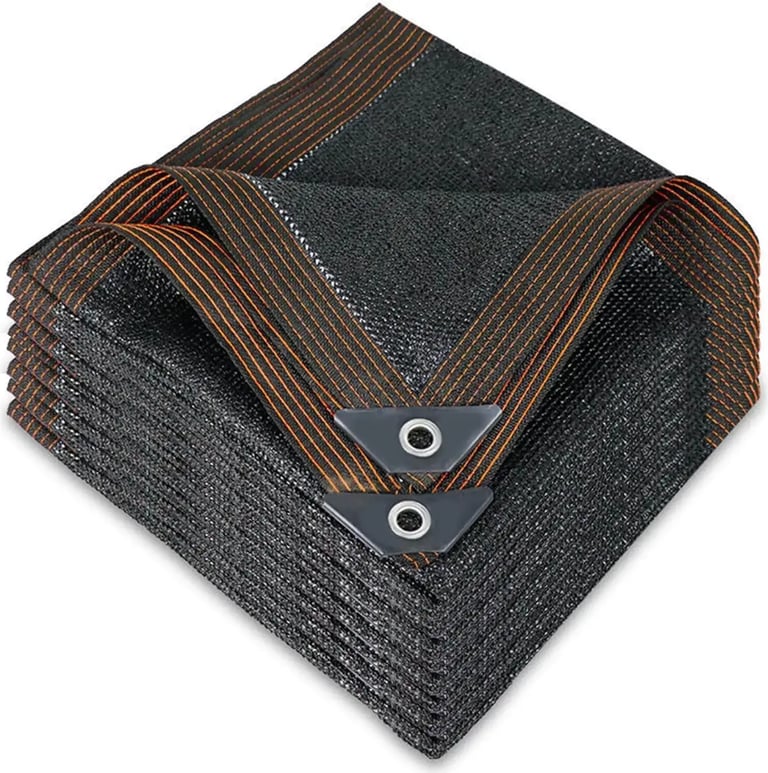
4. Garden Shade Cloth
Best For: Protecting seedlings
Pros
Prevents heat stress
Reusable
Lightweight
Cons
Requires simple support frame
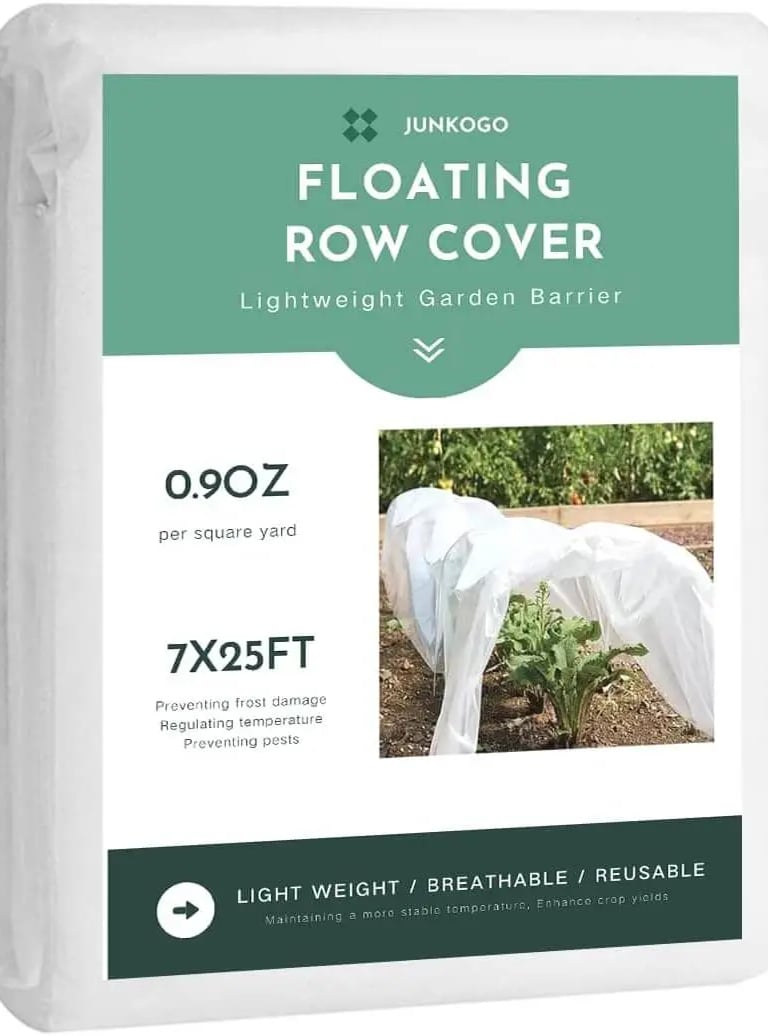
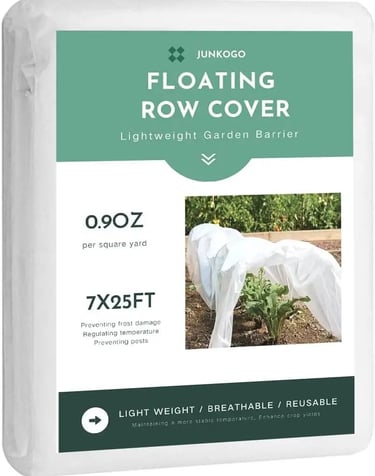
5. Floating Row Covers
Best For: Frost protection
Pros
Extends harvest season
Protects from insects
Lightweight
Cons
Must be secured during windy weather
Frequently Asked Questions
What vegetables grow best when planted in late summer?
Cool-season vegetables such as lettuce, spinach, kale, carrots, radishes, beets, turnips, broccoli, cabbage, and peas are excellent choices.
When should I start planting for a fall harvest?
Begin 6–10 weeks before your area's average first fall frost, depending on the crop's maturity time.
Can I plant tomatoes in late summer?
In most climates, it's too late to start tomatoes from seed for a fall harvest. Focus on fast-growing cool-season vegetables instead.
How often should I water newly planted vegetables?
Keep the soil consistently moist until seedlings establish, then water deeply about once a week, adjusting for weather conditions.
Is fertilizer necessary for fall vegetables?
Adding compost and a balanced organic fertilizer helps replenish nutrients depleted by summer crops and supports healthy growth.
Key Takeaways
Late summer is an excellent time to start a productive fall vegetable garden.
Focus on fast-growing, cool-season crops.
Improve soil with compost before planting.
Water consistently and mulch to conserve moisture.
Protect young plants from intense heat and early frosts.
Succession planting provides continuous harvests throughout autumn.
Final Thoughts
Many gardeners think the growing season ends when summer fades, but that's far from the truth.
Whether you have a spacious backyard, raised beds, or a few containers on a patio, late summer offers a second chance to grow delicious vegetables while making the most of your garden space.
Ready to Grow a Bigger Fall Harvest?
Don't let your garden sit empty after summer crops finish. Plant cool-season vegetables now and enjoy weeks of fresh, flavorful produce.
Visit HonestGardener.com for more expert gardening guides, seasonal planting tips, DIY projects, and trusted product recommendations to help you grow with confidence.
Want to Know More on Gardening?
Please Read :
Subscribe
Join us for tips and product reviews.
Contact
Affiliate disclaimer
© 2025. All rights reserved.
As an affiliate, we may earn a commission from qualifying purchases. We get commissions for purchases made through links on this website from Amazon and other third parties.