Vegetables That Grow in Containers: What Actually Works in Small Spaces
Discover vegetables that grow in containers with real tips, common mistakes, and easy tools for U.S. home gardeners with small spaces.
CONTAINER GARDENING
1/4/20265 min read
Introduction: Why I Started Growing Vegetables in Containers
I didn’t start container gardening by choice. I started because I had no other option.
When I first wanted to grow vegetables, I didn’t have a backyard—just a small patio and a bit of sunlight that moved throughout the day. I assumed vegetables needed big garden beds, deep soil, and endless space.
Turns out, that’s not true.
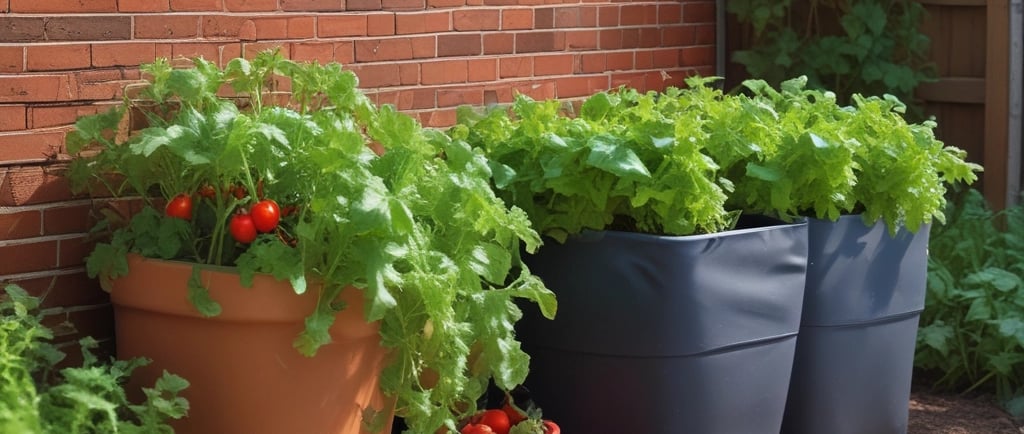
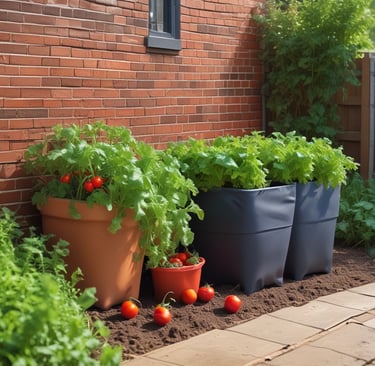
Over time, I learned that many vegetables that grow in containers actually perform just as well—or better—than those grown in the ground. Container gardening gave me control over soil, water, and placement, and it made gardening possible in spaces I once thought were useless.
If you’re gardening in the U.S. with limited space, this guide will help you choose the right vegetables, avoid common mistakes, and grow real food in pots, grow bags, and small containers.
Why Container Gardening Works So Well
Container gardening isn’t a compromise—it’s a strategy.
Here’s why it works:
Better soil control
Fewer weeds
Easier pest management
Flexible placement for sunlight
Ideal for patios, balconies, and small yards
For beginners especially, containers simplify a lot of early mistakes.
What Makes a Vegetable Good for Containers?
From experience, container-friendly vegetables usually have:
Compact growth habits
Shallow or moderate root systems
Tolerance for limited space
Ability to grow in consistent conditions
Not all vegetables meet these criteria—but many do.
Best Vegetables That Grow in Containers (Proven Choices)
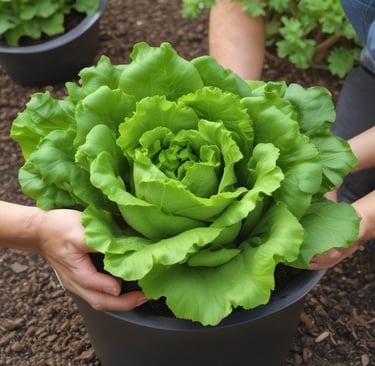
1. Lettuce (The Easiest Place to Start)
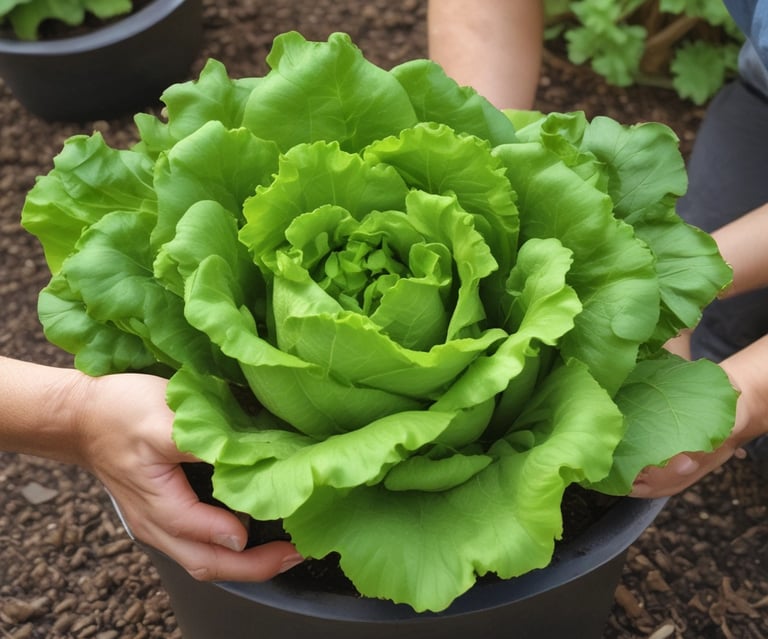
Lettuce is one of the best vegetables for container gardening.
Why it works so well:
Shallow roots
Fast growth
Can be harvested multiple times
Loose-leaf varieties outperform head lettuce in pots.
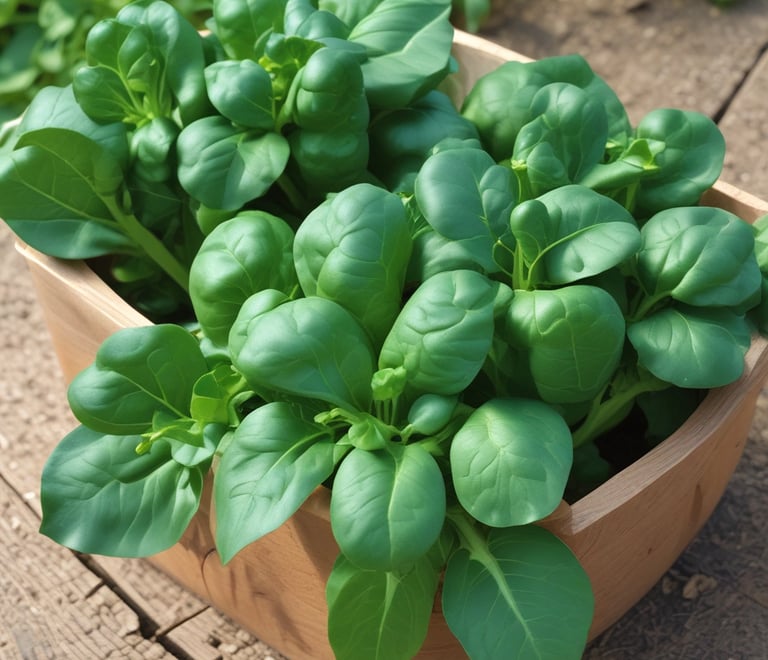
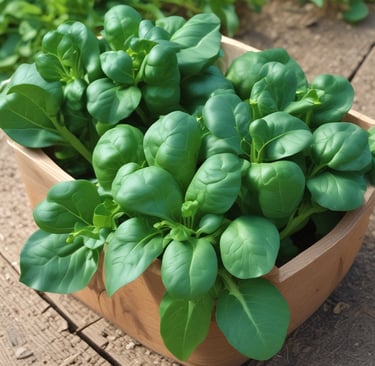
2. Spinach (Great for Cool Seasons)
Spinach grows well in containers, especially in spring and fall.
My experience:
Containers prevent soggy soil
Easier to move into partial shade
Leaves stay tender longer
Use wider containers rather than deep ones.
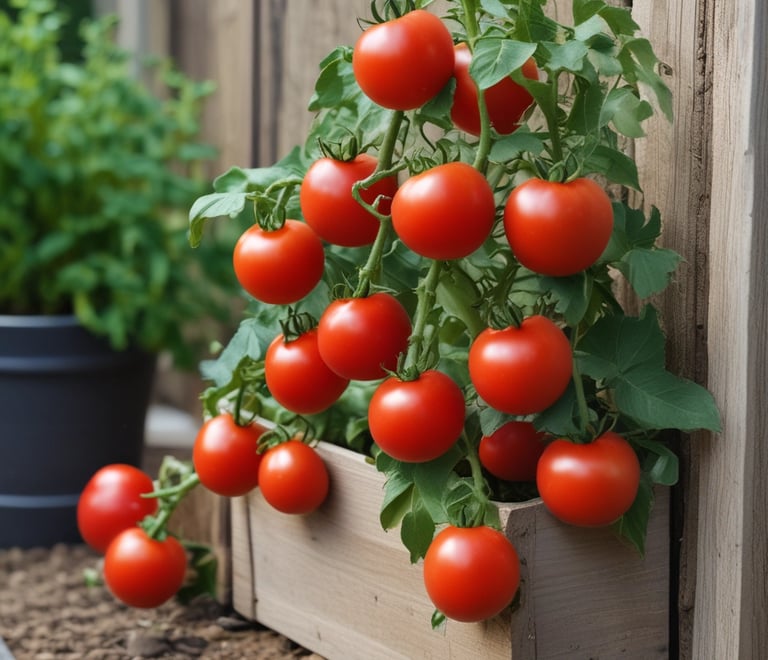
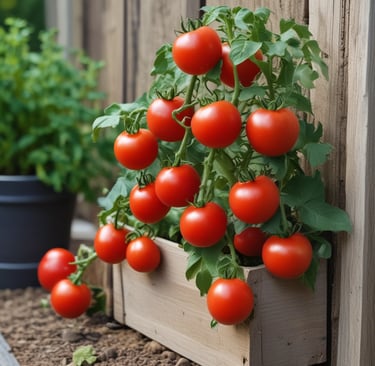
3. Tomatoes (Yes—With the Right Setup)
Not all tomatoes work in containers.
Best choices:
Cherry tomatoes
Determinate varieties
Patio tomatoes
Key lessons learned:
Use large containers (5+ gallons)
Provide sturdy support
Consistent watering is critical
Affiliate mention:
✔️ Large fabric grow bags (Amazon)


4. Peppers (Perfect for Pots)
Peppers love containers.
They prefer:
Warm soil
Good drainage
Consistent moisture
I’ve grown bell and chili peppers successfully in containers for years.
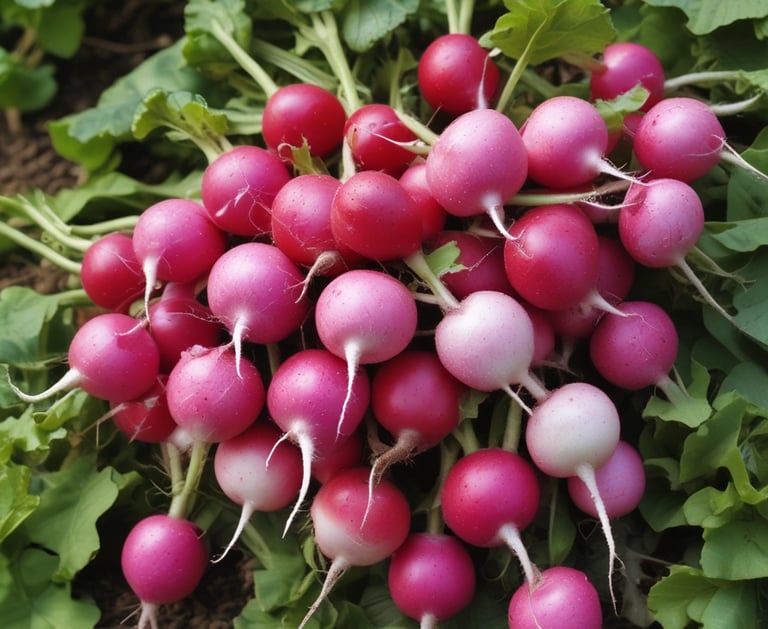
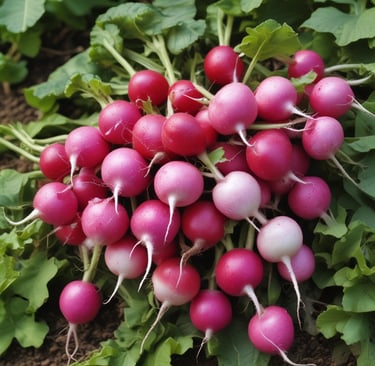
5. Radishes (Fast and Forgiving)
Radishes are ideal for shallow containers.
Why I recommend them:
Ready in 25–30 days
Tolerate cool weather
Great for beginners
Harvest on time to avoid woody roots.
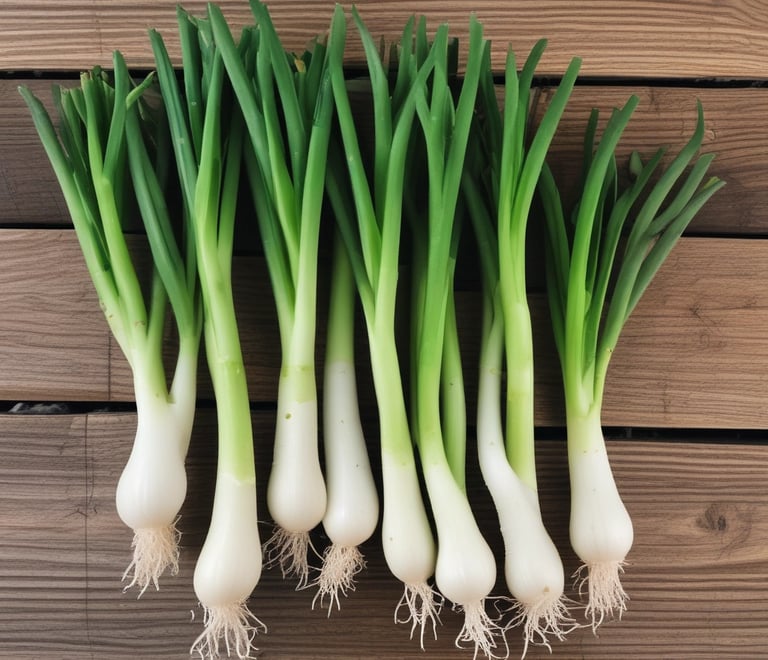
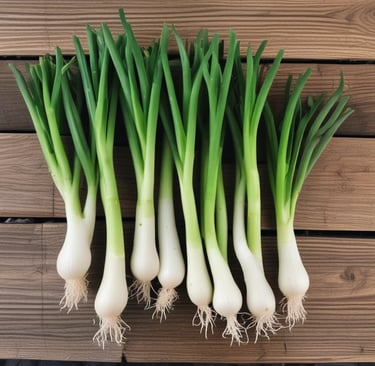
6. Green Onions (Low Space, High Reward)
Green onions barely take up room.
They grow well in:
Small pots
Window boxes
Grow bags
You can harvest them young or let them mature.
7. Herbs (Container Gardening Favorites)
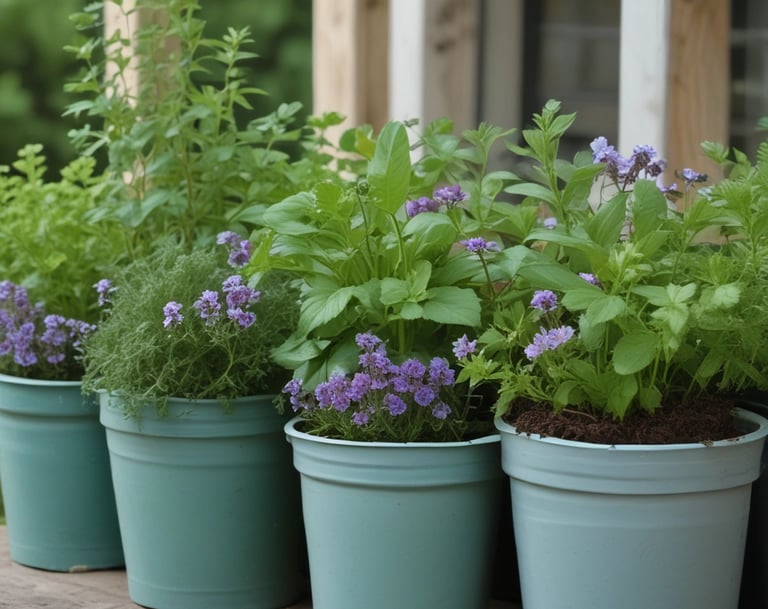
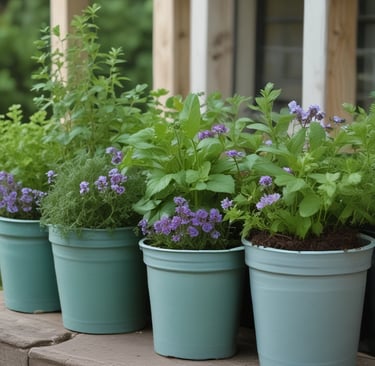
Herbs thrive in containers.
Best options:
Basil
Parsley
Cilantro
Mint (always in its own pot)
Affiliate mention:
✔️ Herb container starter kits
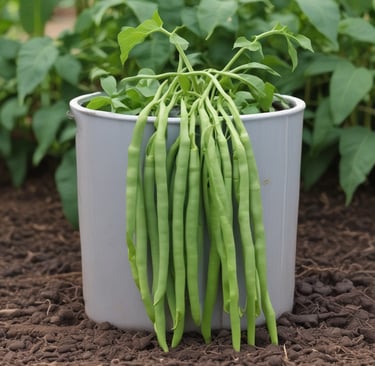
8. Bush Beans (Productive in Pots)
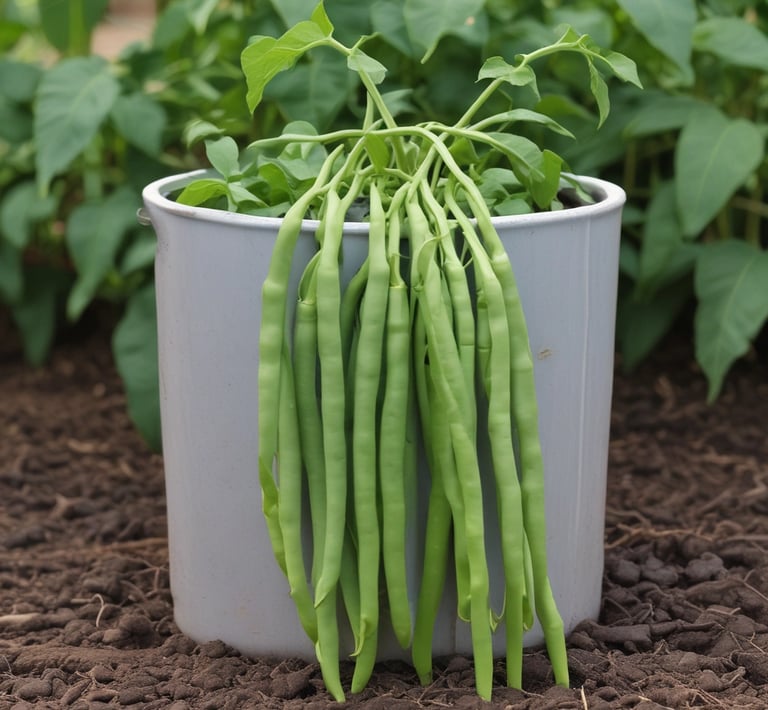
Bush beans don’t need trellising and grow well in medium-sized containers.
Tip:
Harvest often to encourage more production.


9. Carrots (Choose the Right Type)
Carrots work if the container is deep enough.
Best varieties:
Short or round carrots
Nantes types
Loose soil is essential.
Best Containers for Growing Vegetables
The container matters just as much as the plant.
What Works Best
Fabric grow bags (excellent drainage)
Plastic pots with drainage holes
Raised container beds
Affiliate mention:
✔️ Modular raised garden beds (Amazon)
Choosing the Right Soil for Container Vegetables
Garden soil doesn’t belong in containers.
Use a potting mix that:
Drains well
Holds moisture
Stays lightweight
Affiliate mention:
✔️ Organic vegetable potting mix
Watering Container Vegetables (The Biggest Challenge)
Containers dry out faster than garden beds.
My Rule:
Water deeply when the top inch of soil feels dry.
Avoid shallow, frequent watering—it weakens roots.
Helpful tool:
✔️ Soil moisture meter (Amazon)
Fertilizing Container Vegetables (Less Is More)
Container plants need nutrients—but too much fertilizer causes problems.
What I use:
Diluted organic liquid fertilizer
Light feeding every 2–3 weeks
Common Container Gardening Problems (And Solutions)
Problem: Plants Wilt Quickly
Cause: Small container or poor watering
Fix: Larger pots + deeper watering
Problem: Yellow Leaves
Cause: Overwatering or nutrient imbalance
Fix: Improve drainage, reduce feeding
Problem: Slow Growth
Cause: Insufficient light
Fix: Move containers or use grow lights
Sunlight Requirements for Container Vegetables
Most vegetables need:
6–8 hours of sunlight
Leafy greens tolerate partial shade better than fruiting crops.
Containers allow you to chase sunlight—use that advantage.
Container Vegetable Garden Ideas for Small Spaces
Some setups that work well:
Balcony grow bags
Vertical shelving with pots
Window box gardens
Patio raised containers
Affiliate mention:
✔️ Vertical garden planters
Growing Vegetables Indoors in Containers
Some vegetables grow indoors with proper light:
Lettuce
Herbs
Green onions
Helpful supplies:
✔️ LED grow lights
✔️ Light timers
Seasonal Container Gardening in the USA
Spring
Lettuce, spinach, radishes
Summer
Tomatoes, peppers, beans
Fall
Spinach, lettuce, herbs
Containers extend your growing season.
Tools That Make Container Gardening Easier
✔️ Hand trowel
✔️ Watering can with narrow spout
✔️ Plant labels
✔️ Soil moisture meter
Simple tools go a long way.
Frequently Asked Questions (FAQ)
What vegetables grow best in containers?
Lettuce, tomatoes, peppers, herbs, radishes, and green onions perform best.
Can I grow vegetables in containers year-round?
Yes—especially indoors or in mild climates.
How big should containers be?
Leafy greens need shallow containers; fruiting plants need at least 5 gallons.
Do container vegetables need more water?
Yes. Containers dry out faster than garden beds.
Are fabric grow bags better than pots?
They drain well and prevent root issues—excellent for beginners.
Final Thoughts: Small Spaces Can Still Grow Big Results
Container gardening changed how I see space. You don’t need a big yard to grow vegetables—you just need the right plants, the right containers, and a bit of consistency.
If space has been holding you back, start small. Choose a few vegetables that grow in containers, learn how they respond, and build from there.
Gardening isn’t about space—it’s about care.
Want to Know More on Gardening?
Please Read :
Subscribe
Join us for tips and product reviews.
Contact
Affiliate disclaimer
© 2025. All rights reserved.
As an affiliate, we may earn a commission from qualifying purchases. We get commissions for purchases made through links on this website from Amazon and other third parties.