
Toxic House Plants: What You Should Know Before Bringing Plants Indoors
Learn which toxic house plants can harm pets and people, common symptoms, safer alternatives, and how to keep your home plant-safe.
INDOOR GARDENING
1/14/20264 min read
Introduction: Why Toxic House Plants Deserve Attention
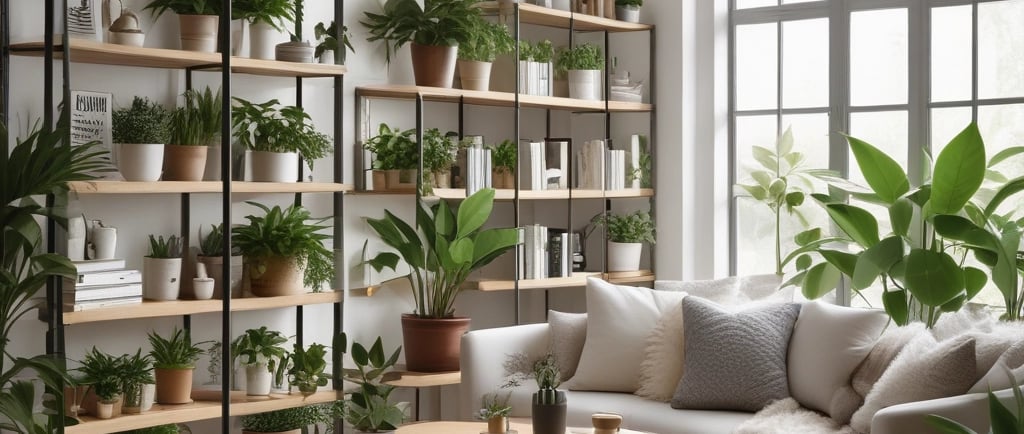
Houseplants make a home feel calmer, cleaner, and more alive. I’ve always believed that a few well-placed plants can change the mood of an entire room. But not all houseplants are as harmless as they look.
I learned this the hard way after a friend’s dog chewed on a decorative plant and ended up at the vet. That moment made me realize how little most people know about toxic house plants—especially those of us with pets, kids, or curious guests.
This guide isn’t meant to scare you away from indoor plants. It’s meant to help you make informed decisions, understand real risks, and know how to garden safely inside your home.
What Are Toxic House Plants?
Toxic house plants are indoor plants that contain substances harmful to humans or animals if ingested, touched, or sometimes even inhaled.
Toxicity varies:
Some cause mild stomach irritation
Others can lead to serious medical emergencies
A few are dangerous only to pets, not humans
Understanding which plants are toxic and why is the key to safe indoor gardening.
Why Plants Become Toxic
Plants develop toxins as a natural defense against pests and animals. Outdoors, this keeps them from being eaten. Indoors, the same defense can become a problem.
Common toxic compounds include:
Calcium oxalates
Alkaloids
Saponins
Glycosides
The level of danger depends on the plant, the amount consumed, and who is exposed.
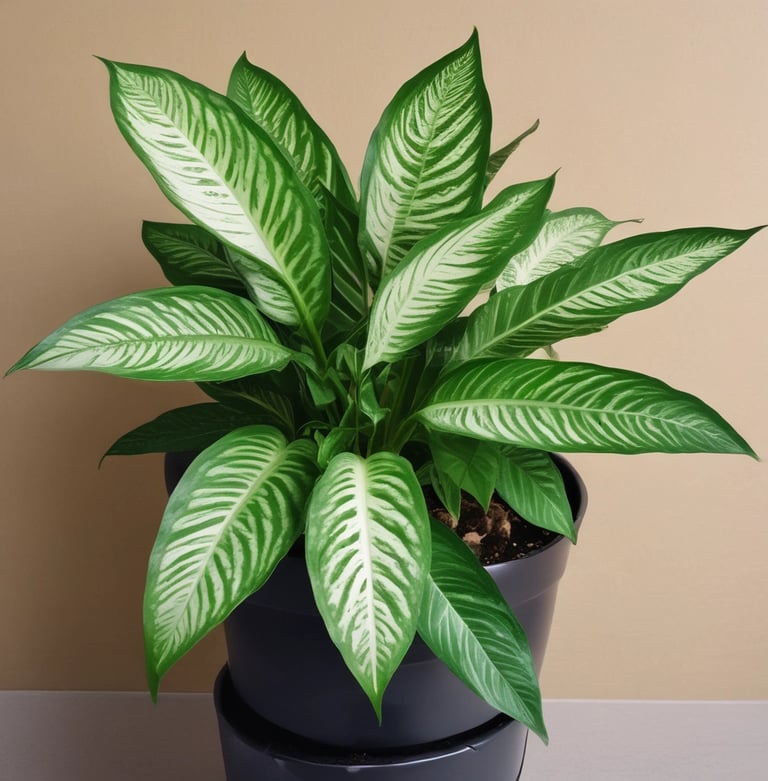
1. Dieffenbachia (Dumb Cane)
Toxic to: Humans, cats, dogs
Symptoms:
Mouth burning
Swelling of lips and tongue
Difficulty swallowing
Dieffenbachia is attractive and easy to grow, but its sap contains calcium oxalates that can cause intense irritation.
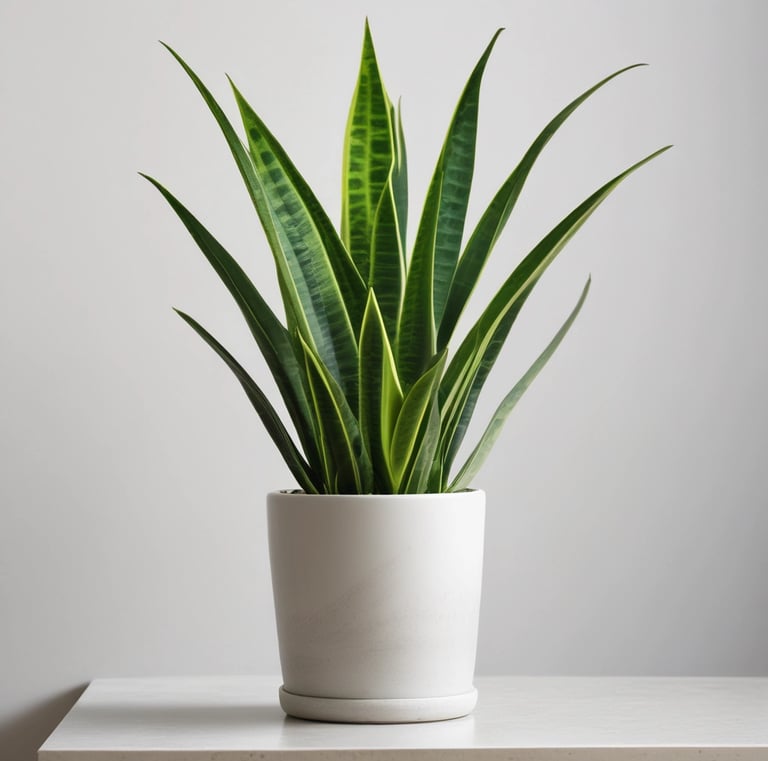
2. Snake Plant (Sansevieria)
Yes, the same plant praised for air purification.
Toxic to: Cats and dogs
Symptoms:
Nausea
Vomiting
Diarrhea
While generally mild, ingestion can still cause distress for pets.
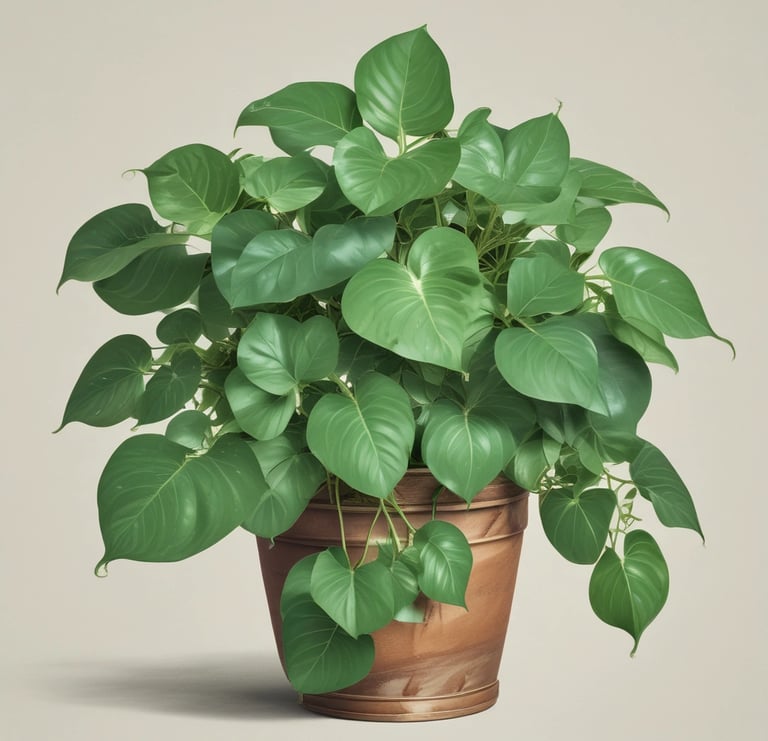
3. Pothos (Devil’s Ivy)
Toxic to: Pets and humans
Symptoms:
Oral irritation
Excessive drooling
Vomiting
Pothos is often recommended for beginners, but it should be placed well out of reach.
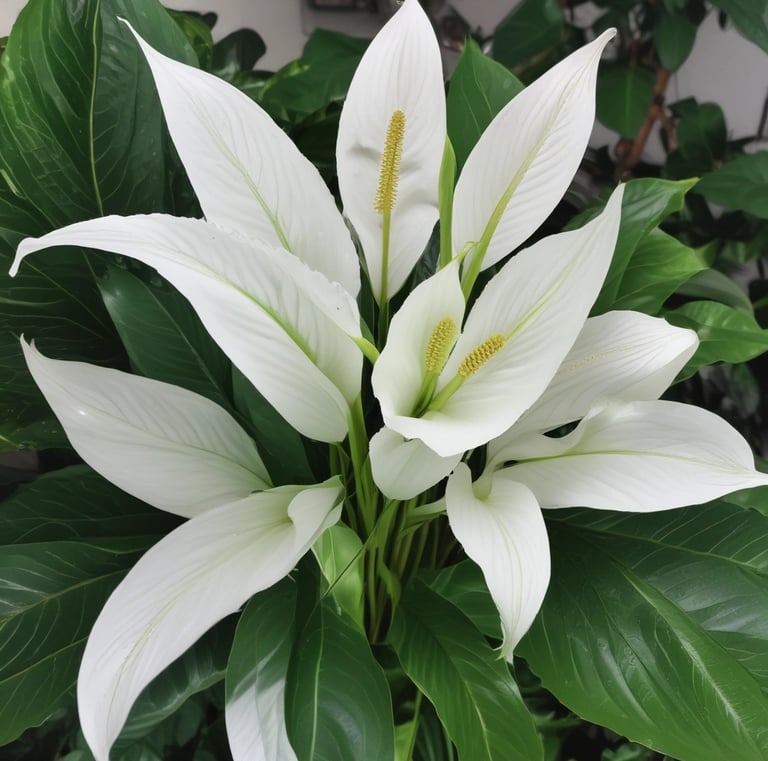
4. Peace Lily
Toxic to: Pets and humans
Symptoms:
Mouth irritation
Difficulty swallowing
Vomiting
Despite the name, peace lilies are not actually lilies—but they’re still dangerous if eaten.
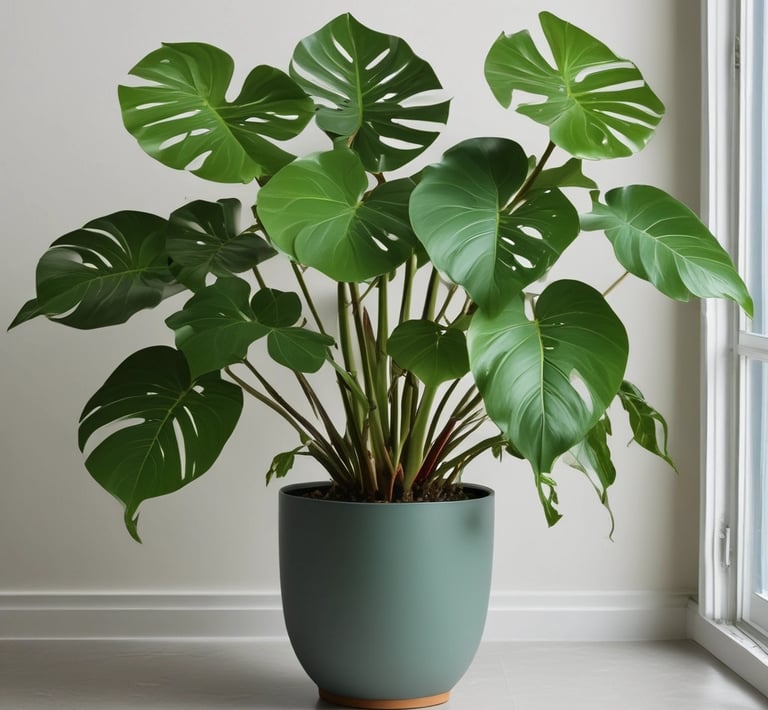
5. Philodendron
Toxic to: Cats, dogs, humans
Symptoms:
Swelling
Burning sensation
Digestive upset
Philodendrons are common in offices and homes, making them one of the most overlooked toxic house plants.
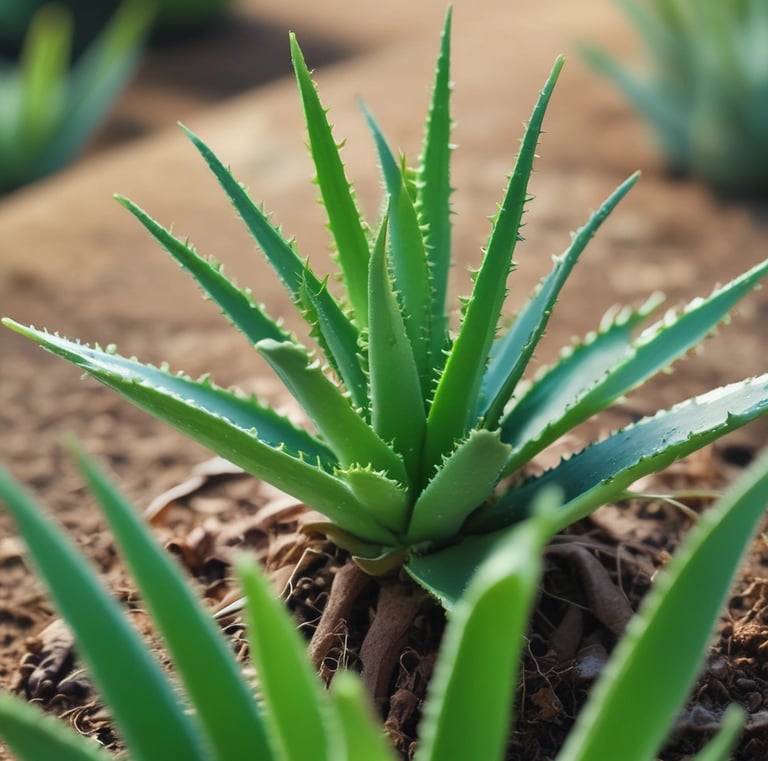
6. Aloe Vera
Surprising to many people.
Toxic to: Pets
Symptoms:
Vomiting
Diarrhea
Tremors (in rare cases)
Aloe is safe for topical human use but not for pets to chew on.
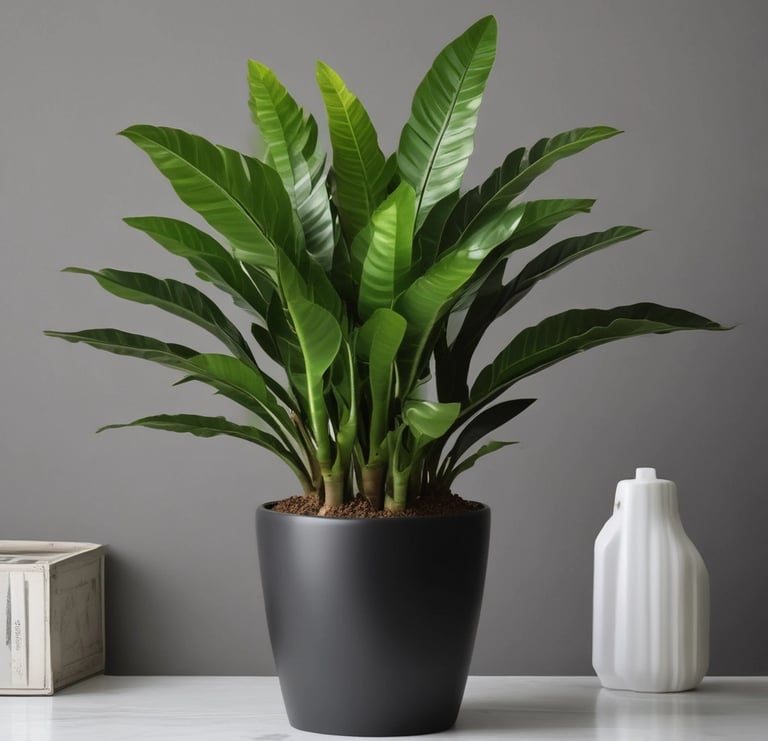
7. ZZ Plant (Zamioculcas zamiifolia)
Toxic to: Pets and humans
Symptoms:
Skin irritation
Stomach upset
The ZZ plant is hardy and stylish—but should be handled with care.
Toxic Plants for Cats and Dogs: Why Pets Are Most at Risk
Pets are naturally curious. Cats nibble leaves. Dogs chew whatever’s nearby. That curiosity puts them at higher risk than adults.
Why Pets Are More Vulnerable
Smaller body size
Faster toxin absorption
Grooming behavior spreads sap
Even mildly toxic plants can cause severe reactions in pets.
Symptoms of Plant Poisoning in Pets
Watch for:
Drooling
Vomiting
Diarrhea
Pawing at mouth
Lethargy
If symptoms appear suddenly, remove access to the plant and call your vet or pet poison hotline immediately.
ndoor Plants Poisonous to Humans: What You Should Know
Children are more at risk than adults.
Potential symptoms include:
Mouth or throat irritation
Skin rashes
Stomach pain
Most adult exposures are mild, but serious reactions can occur if large amounts are ingested.
What to Do If Exposure Happens
Step 1: Remove the Plant Material
Take away any remaining leaves or sap.
Step 2: Rinse Affected Area
Wash skin or mouth gently with water.
Step 3: Don’t Induce Vomiting
This can make symptoms worse.
Step 4: Seek Professional Help
Contact:
Poison Control (USA)
Veterinarian (for pets)
Quick action matters.
How to Keep Toxic House Plants Safely
You don’t have to give up your favorite plants.
Smart Safety Tips
Place plants on high shelves
Use hanging planters
Keep toxic plants out of kids’ rooms
Label plants clearly
Affiliate mention (natural):
✔️ Wall-mounted plant shelves
✔️ Hanging planters with secure hooks
Pet-Safe House Plants (Safer Alternatives)
If safety is your priority, these are better choices:
Spider plant
Boston fern
Areca palm
Calathea
Prayer plant
These plants add greenery without the risk.
Creating a Pet-Friendly Indoor Garden
Design matters.
Tips:
Group toxic plants in one restricted area
Use plant stands instead of floor pots
Train pets to avoid plant areas
Consistency and placement reduce accidents.
Common Myths About Toxic House Plants
“A Little Bite Won’t Hurt”
False. Some plants cause reactions even in small amounts.
“Only Rare Plants Are Toxic”
False. Many popular plants are mildly to moderately toxic.
“Toxic Means Deadly”
Not always. Many cause irritation, not fatal poisoning.
Tools That Help Maintain Safe Indoor Plants
Helpful items:
Plant labels
Child-proof plant stands
Indoor gloves for handling sap
Affiliate mention:
✔️ Heavy-duty plant stands
✔️ Indoor gardening gloves
Frequently Asked Questions (FAQ)
Are all house plants toxic?
No. Many common houseplants are completely safe.
What house plants are toxic to pets?
Snake plant, pothos, peace lily, philodendron, and aloe vera are common examples.
Can toxic house plants kill pets?
Severe cases are rare, but some plants can cause serious harm if untreated.
Should I remove all toxic plants if I have pets?
Not necessarily. Proper placement and awareness reduce risk.
What are the safest house plants for homes with pets?
Spider plants, calatheas, and Boston ferns are excellent choices.
Final Thoughts: Knowledge Makes Indoor Gardening Safer
Toxic house plants aren’t something to fear—they’re something to understand.
With the right knowledge, thoughtful placement, and a little planning, you can enjoy indoor plants while keeping your home safe for everyone living in it.
Responsible gardening starts with awareness.
Want to Know More on Gardening?
Please Read :
Subscribe
Join us for tips and product reviews.
Contact
Affiliate disclaimer
© 2025. All rights reserved.
As an affiliate, we may earn a commission from qualifying purchases. We get commissions for purchases made through links on this website from Amazon and other third parties.