
Snake Plant Repotting: When, Why, and How to Do It Without Killing Your Plant
Learn exactly when and how to repot a snake plant the right way, avoid common mistakes, and keep your snake plant thriving indoors.
INDOOR GARDENING
1/8/20264 min read
Introduction: Why Snake Plant Repotting Is Easier Than You Think
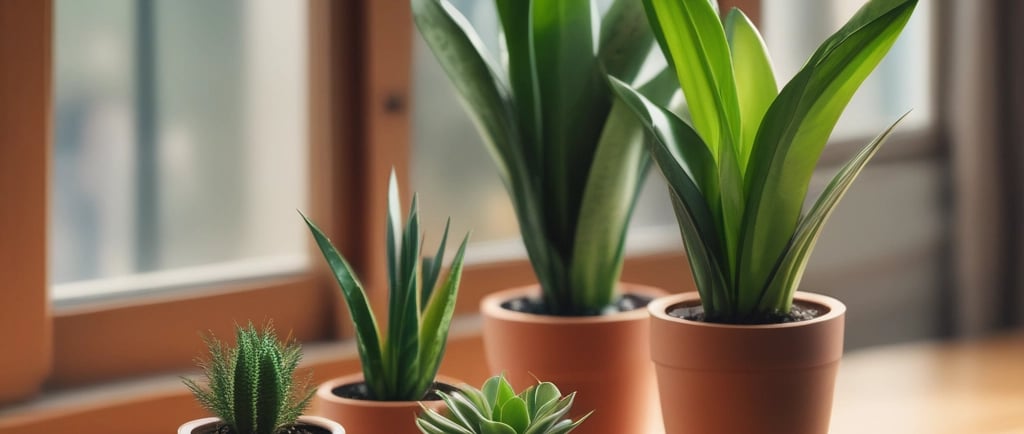
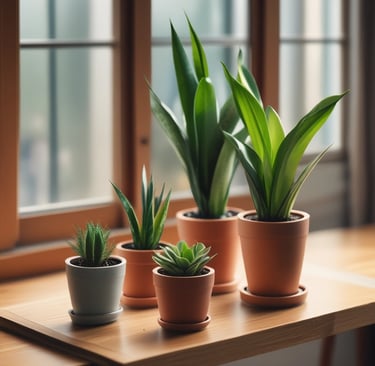
Snake plants (Sansevieria, now classified as Dracaena) have a reputation for being nearly indestructible. They tolerate low light, missed waterings, and dry indoor air better than most houseplants.
But here’s the part many plant owners don’t realize:
Even snake plants eventually need repotting.
I’ve seen more snake plants suffer from delayed repotting than from early repotting. Roots crack pots, soil turns rock-hard, and growth stalls—all because the plant was “doing fine” for too long.
If you’re unsure when to repot a snake plant, what soil to use, or how big the new pot should be, this guide walks you through everything step by step—based on real experience, not guesswork.
Why Snake Plant Repotting Matters
Snake plants grow slowly above the soil—but underground, they’re busy.
Their thick rhizomes spread sideways and push outward. Over time, this causes:
Root binding
Soil compaction
Poor drainage
Cracked or bulging pots
Repotting isn’t about making the plant bigger.
It’s about keeping the root system healthy.
When to Repot a Snake Plant (The Right Timing)
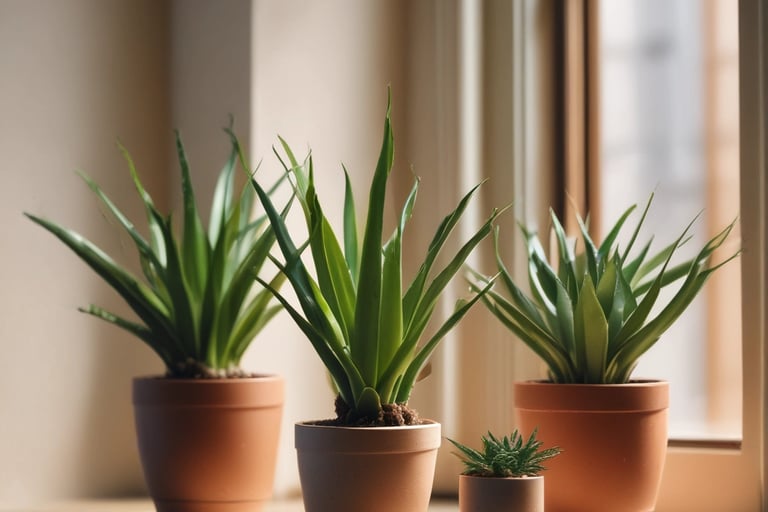
Clear Signs Your Snake Plant Needs Repotting
You don’t need a calendar—your plant tells you.
Look for these signs:
Roots growing out of drainage holes
Pot bulging or cracking
Soil drying out unusually fast
New growth slowing or stopping
Plant becoming top-heavy and tipping
If you notice two or more of these, it’s time.
Best Time of Year for Snake Plant Repotting
Late spring to early summer is ideal.
Why?
Plant is entering active growth
Roots recover faster
Less risk of shock
Avoid repotting in winter unless the pot is breaking.
How Often Should You Repot a Snake Plant?
For most indoor snake plants:
Every 2–3 years is perfect
Larger, mature plants can wait longer
Small pots may need earlier repotting
Snake plants prefer being slightly snug—but not cramped.
Choosing the Right Pot Size for Snake Plants
This is where most people go wrong.
Rule of Thumb:
👉 Go 1–2 inches wider than the current pot—no more.
A pot that’s too large holds excess moisture, which leads to root rot.
Best Pot Types for Snake Plants
Highly recommended:
Terracotta pots (breathable)
Ceramic pots with drainage holes
Use with caution:
Plastic pots (retain moisture)
Affiliate mention (natural):
✔️ Terracotta plant pots with drainage (Amazon)
Best Soil for Snake Plant Repotting
Snake plants hate wet feet.
Ideal Soil Mix Characteristics:
Fast-draining
Slightly gritty
Lightweight
Best Options:
Cactus & succulent mix
Indoor potting soil + perlite (70/30)
Affiliate mention:
✔️ Organic cactus & succulent soil mix
Avoid heavy garden soil—it suffocates roots.
Step-by-Step: How to Repot a Snake Plant Safely
Step 1: Prepare Everything First
You’ll need:
New pot with drainage
Fresh soil
Gloves (optional)
Clean scissors or pruners
Step 2: Remove the Plant Gently
Tip the pot sideways and slide the plant out.
If it’s stuck, squeeze the pot or tap the sides.
Never pull by the leaves.
Step 3: Inspect the Roots
Healthy roots:
Firm
Light tan or white
Problem roots:
Mushy
Black
Smelly
Trim damaged roots with clean scissors.
Step 4: Position in the New Pot
Add soil to the bottom
Place plant at the same depth
Fill around the sides gently
Do not bury leaves deeper than before.
Step 5: Water Lightly (Not Soak)
Water just enough to settle the soil.
Then stop.
Let the plant rest.
Aftercare: What to Do After Snake Plant Repotting
This part matters more than the repot itself.
First 7–10 Days:
No fertilizer
Bright, indirect light
Minimal watering
The roots need time to adjust.
Common Snake Plant Repotting Mistakes (And How to Avoid Them)
❌ Using a Pot That’s Too Big
Leads to soggy soil and rot.
❌ Overwatering After Repotting
Roots are stressed—less water is better.
❌ Skipping Drainage Holes
This is the fastest way to kill a snake plant.
Can You Divide a Snake Plant While Repotting?
Yes—and this is the best time.
How Division Works:
Separate rhizomes by hand or clean knife
Each section needs roots + leaves
Repot separately
Division creates new plants fast.
Snake Plant Repotting for Large or Tall Plants
Large snake plants need stability.
Tips:
Use heavier pots
Add a gravel layer at the bottom (optional)
Stake temporarily if needed
Affiliate mention:
✔️ Heavy ceramic floor planters
Indoor Lighting After Repotting
Snake plants adapt well, but post-repot light matters.
Best conditions:
Bright, indirect light
Avoid direct sun for 2 weeks
They tolerate low light—but recover faster with brightness.
Fertilizing After Repotting (When & How)
Wait 4–6 weeks before feeding.
Use:
Balanced houseplant fertilizer
Diluted to half strength
Overfeeding causes leaf curl and discoloration.
Seasonal Snake Plant Care in the USA
Spring–Summer:
Best time for repotting
Light feeding
Moderate watering
Fall–Winter:
No repotting
Minimal watering
No fertilizer
Tools That Make Repotting Easier
You don’t need much.
Helpful tools:
Hand trowel
Soil scoop
Moisture meter
Affiliate mention:
✔️ Soil moisture meter for houseplants
Frequently Asked Questions (FAQ)
When should I repot my snake plant?
When roots outgrow the pot or growth slows—usually every 2–3 years.
Can I repot a snake plant in winter?
Only if the pot is damaged or roots are severely crowded.
What soil is best for snake plant repotting?
Fast-draining cactus or succulent soil works best.
Should I water immediately after repotting?
Light watering only—avoid soaking the soil.
Do snake plants like big pots?
No. Slightly snug pots encourage healthier growth.
Final Thoughts: Repotting Is Maintenance, Not a Risk
Snake plant repotting doesn’t need to be stressful. When done correctly, it refreshes the soil, supports healthy roots, and keeps your plant strong for years.
If your snake plant looks “fine” but hasn’t grown in a long time, repotting might be exactly what it needs.
Healthy roots = healthy plant.
Want to Know More on Gardening?
Please Read :
Subscribe
Join us for tips and product reviews.
Contact
Affiliate disclaimer
© 2025. All rights reserved.
As an affiliate, we may earn a commission from qualifying purchases. We get commissions for purchases made through links on this website from Amazon and other third parties.