
The Complete Guide to Bonsai Pruning Tools: How to Shape, Trim & Maintain a Healthy Bonsai Tree
Discover the best bonsai pruning tools and trimming techniques for healthy growth. Learn how to shape, cut, and maintain bonsai trees with expert gear recommendations.
GARDENING TOOLS
12/8/20258 min read
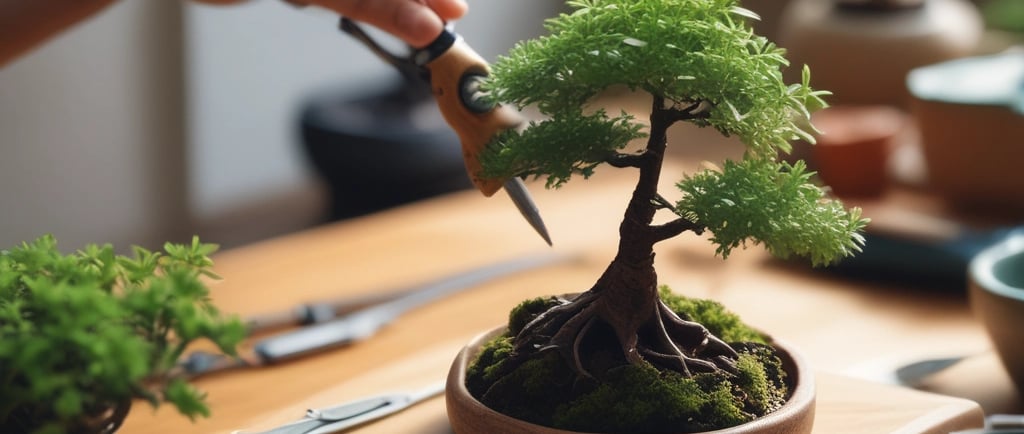

The Complete Guide to Bonsai Pruning Tools: Shape Your Tree Like a Pro
Bonsai gardening is more than a hobby—it’s an art form. The small, sculpted tree sitting gracefully in a ceramic pot represents patience, creativity, and the harmony between humans and nature. But to transform an ordinary plant into a true bonsai masterpiece, you need the right bonsai pruning tools and know how to use them correctly.
If you're new to bonsai or improving your skills, this guide will walk you through everything: tool names, proper pruning methods, and expert trimming techniques—plus recommended gear available on Amazon for your bonsai toolkit.
Let’s get started.
What Makes Bonsai Pruning Tools Special?
Unlike regular gardening shears, bonsai tree pruning tools are designed for precision. Every cut affects the shape, growth direction, and long-term health of your miniature tree.
Bonsai trees require:
clean, smooth cuts
tight angles
selective removal of branches
root and foliage balance
delicate shaping work
This delicate balance can’t be achieved with standard garden scissors. Specialized bonsai tools ensure:
✔️ Minimal damage
✔️ Faster healing
✔️ Natural-looking cuts
✔️ Professional shaping
Essential Bonsai Pruning Tools Every Gardener Needs
Below is a complete breakdown of the most important bonsai trimming tools and how they’re used. Add them all to your toolbox if you want professional results.
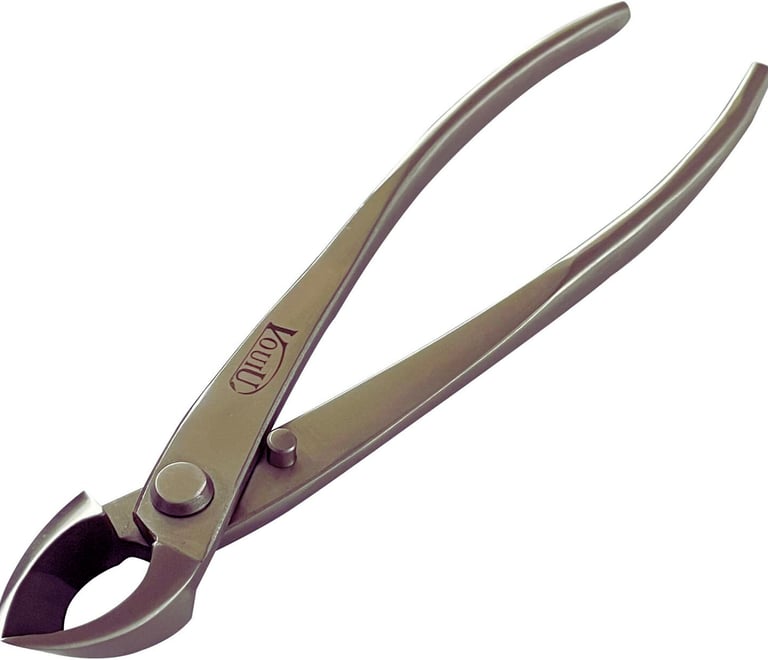
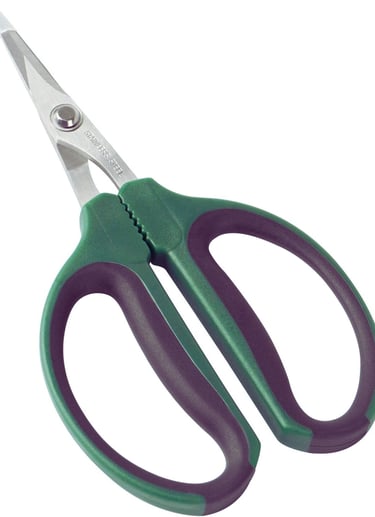
1. Concave Branch Cutters (Must-Have)
Best for: Removing branches cleanly and leaving a hollow wound that heals flush.
These are the first and most important bonsai tree pruners. They leave a slightly concave cut which reduces scarring and encourages clean healing.
Why they matter:
Standard scissors crush bark fibers, but concave cutters slice smoothly like surgical tools.
Recommended Amazon Product:
Search “Professional Bonsai Concave Cutters (Carbon Steel)”
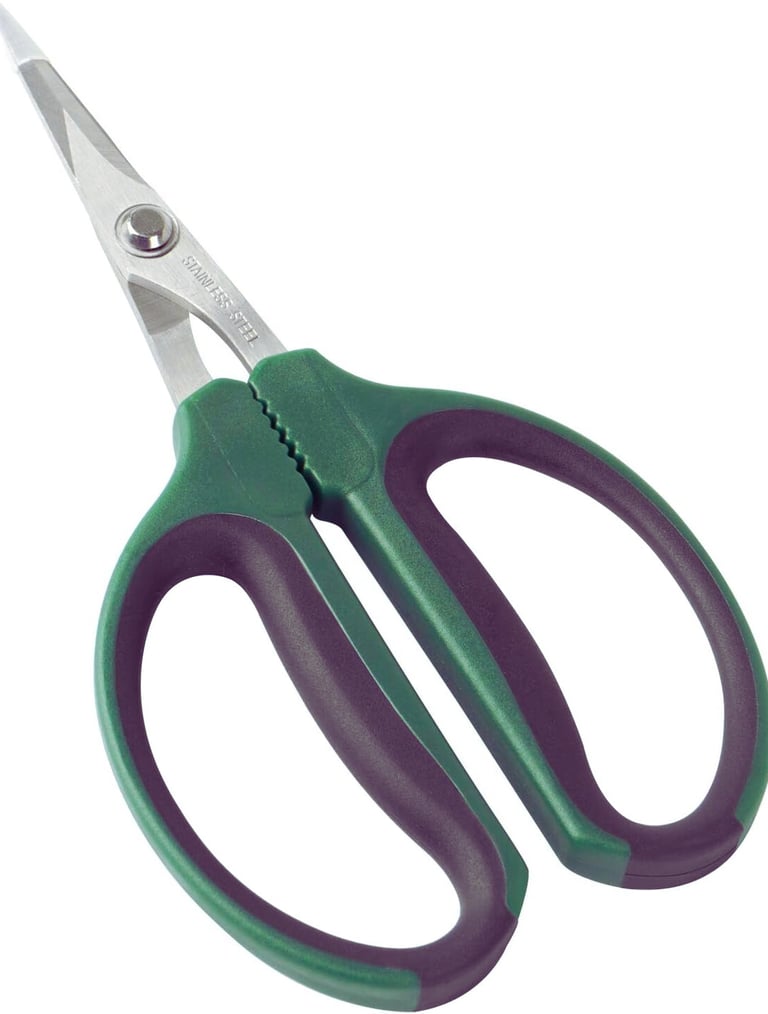
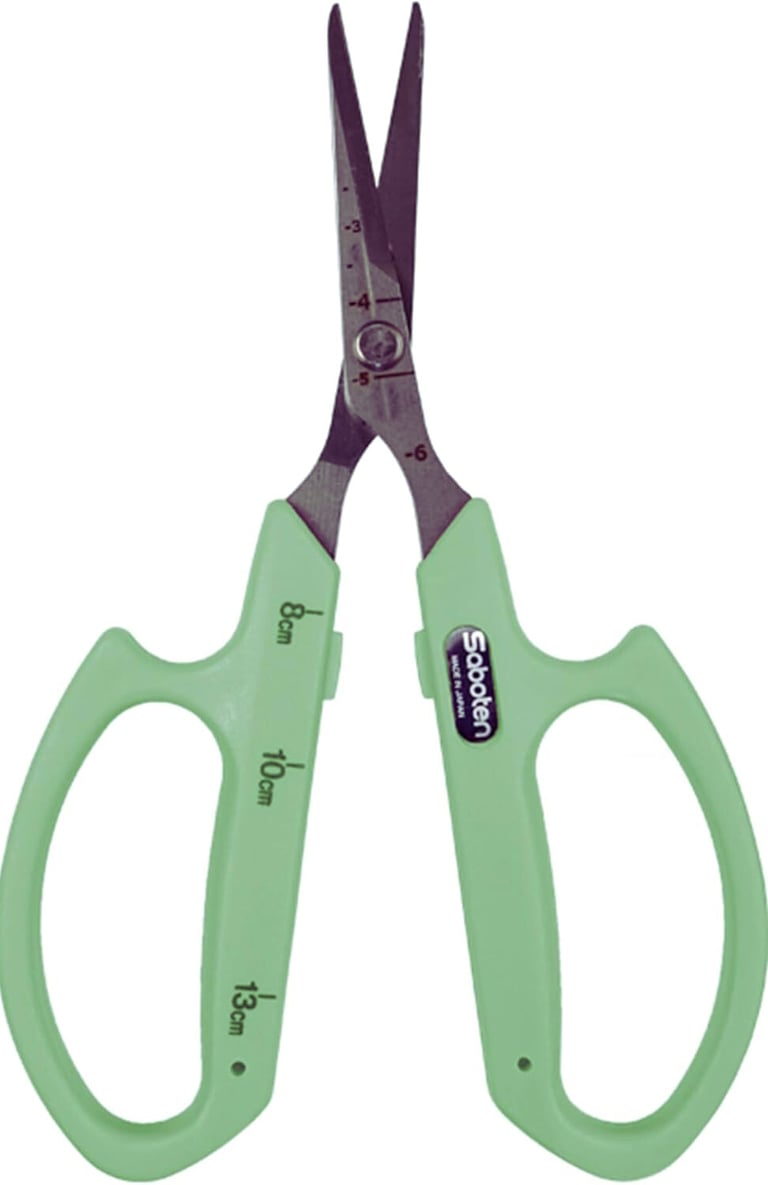
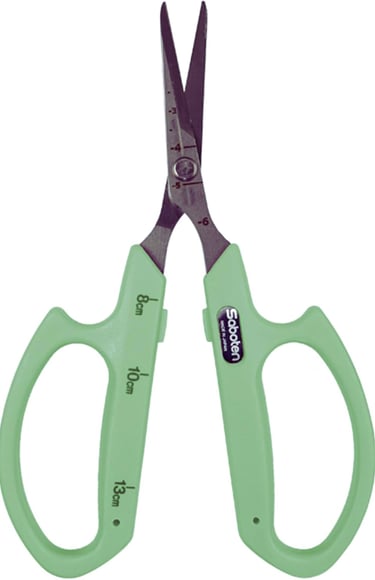
2. Bonsai Shears / Butterfly Shears
Best for: Fine trimming and leaf cutting.
Used for shaping small foliage, removing unwanted shoots, or performing detail work.
Use them for:
✂ shaping crowns
✂ trimming buds
✂ thinning leaves
These classic tools are light, easy to control, and a staple in every bonsai kit.
3. Root Pruning Scissors
Best for: Repotting season.
Roots must be pruned for bonsai to stay healthy. These specialized scissors cut thicker roots cleanly without splitting or tearing.
Why homeowners love them:
They reduce shock and encourage vigorous regrowth in fresh soil.
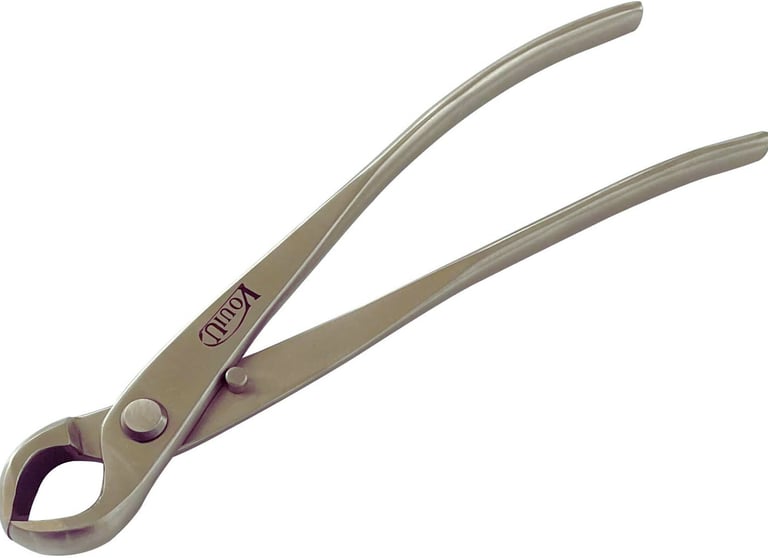
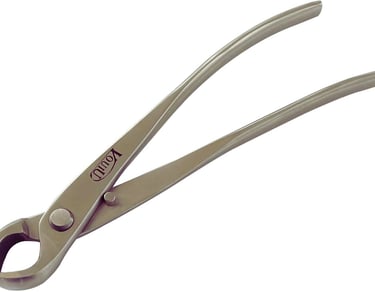
4. Knob Cutters (Spherical Cutters)
Best for: Removing knuckles or bulges.
If a branch leaves a raised bump on the trunk, knob cutters remove it smoothly—perfect for formal bonsai styles.
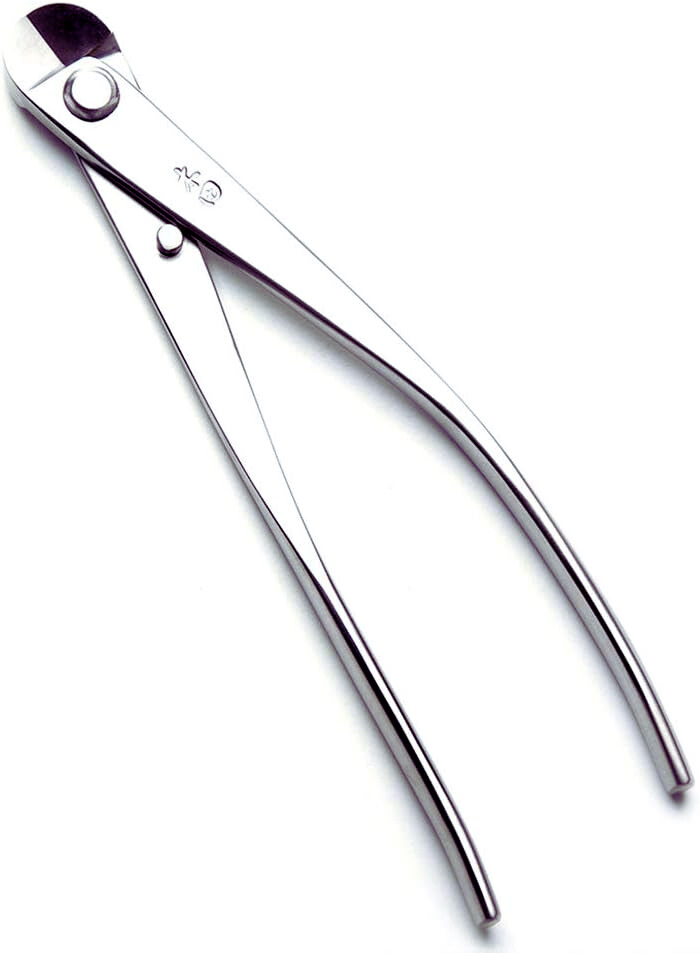
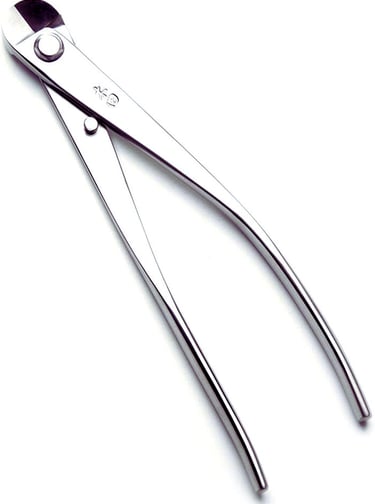
5. Bonsai Wire Cutters
Best for: Removing training wire safely.
Cutting wire with regular pliers damages bark or gouges branches.
Bonsai wire cutters slip between the wire and branch, snipping cleanly without bark damage.
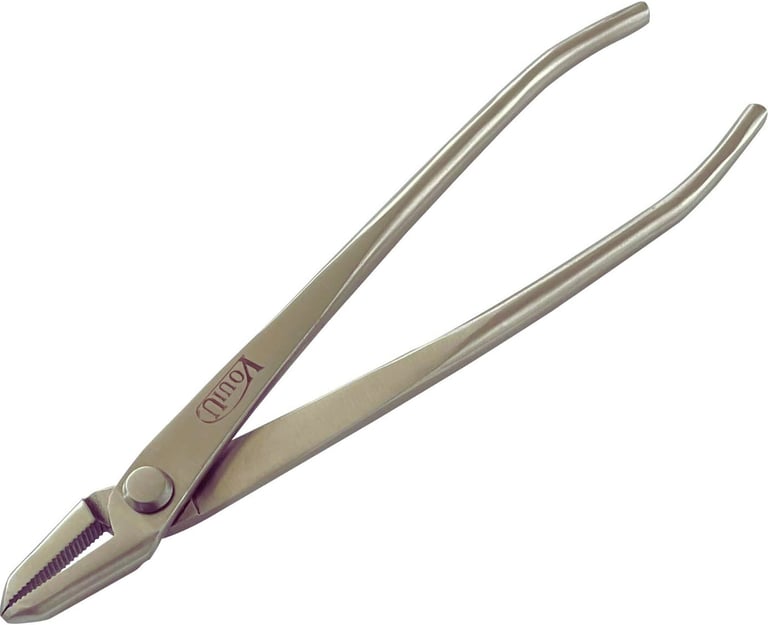
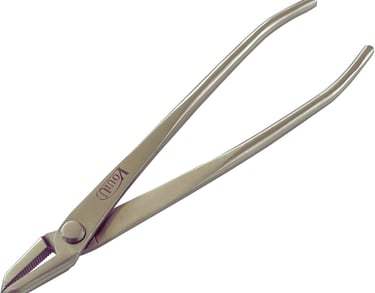
6. Jin Pliers / Bonsai Pliers
Best for: Creating deadwood features (Jin & Shari).
For advanced growers, these pliers create decorative artistic elements in bonsai trunks and branches.
How to Choose the Right Bonsai Pruning Tools (Beginner Guide)
When shopping for tools, look for:
✔ High-Carbon Steel
Strong, sharp, durable, holds an edge.
✔ Stainless Steel
Rust-resistant, slightly pricier, long-lasting.
✔ Ergonomic Handles
Very important for long shaping sessions.
✔ Trusted Brands
Ryuga, Koyo, Tian Bonsai, Kaneshin, and Voilamart are highly rated on Amazon.
✔ Starter Kits vs. Individual Tools
Beginners can start with a bundle kit.
Advanced growers benefit from premium individual tools.
Bonsai Cutting Techniques Every Gardener Should Know
Your tools are powerful—but only when used correctly. Let’s explore the essential bonsai cutting techniques that create clean shapes and promote healthy growth.
1. Maintenance Pruning
Focuses on keeping the bonsai small and well-shaped.
Best tools:
bonsai shears
small trimming scissors
When to use:
During growing season
To control shoots
To refine shape
2. Structural Pruning
This is the major shaping phase.
Best tools:
concave cutters
wire cutters
knob cutters
Goal:
Control the main branches, create movement, define the core structure.
This pruning is usually done during dormancy when stress is lower.
3. Leaf Pruning / Defoliation
Used for species like Ficus and Maples to reduce leaf size and increase ramification.
Tools:
Small shears or precision cutters
4. Root Pruning
Done during repotting, usually every 1–3 years.
Tools:
Root scissors, root hooks, rake
Step-by-Step: How to Prune Your Bonsai with the Right Tools
Here’s a beginner-friendly step-by-step process:
Step 1: Study Your Bonsai
Identify:
Main front-facing side
Strongest branch
Weak areas
Crossing or unwanted branches
Always have a vision before cutting.
Step 2: Start with Structural Cuts
Use concave cutters to remove:
crossing branches
branches growing straight up
branches growing toward the trunk
thick or awkward limbs
Make cuts clean and close, but not flush.
Step 3: Switch to Trimming Tools for Detail Work
Use your bonsai trimming tools to refine:
leaf clusters
tips
new shoots
overall silhouette
Step 4: Wire Branches (Optional but Powerful)
Using bonsai wire:
Bend branches into shape
Create movement
Open structure for light
Use wire cutters to remove wire carefully—never unwind wire.
Step 5: Seal Large Cuts
Use bonsai cut paste or wound sealer to protect against disease.
Step 6: Clean Tools After Every Session
This prevents rust and keeps tools sharp.
Step-by-Step: How to Prune Your Bonsai with the Right Tools
Here’s a beginner-friendly step-by-step process:
Step 1: Study Your Bonsai
Identify:
Main front-facing side
Strongest branch
Weak areas
Crossing or unwanted branches
Always have a vision before cutting.
Step 2: Start with Structural Cuts
Use concave cutters to remove:
crossing branches
branches growing straight up
branches growing toward the trunk
thick or awkward limbs
Make cuts clean and close, but not flush.
Step 3: Switch to Trimming Tools for Detail Work
Use your bonsai trimming tools to refine:
leaf clusters
tips
new shoots
overall silhouette
Step 4: Wire Branches (Optional but Powerful)
Using bonsai wire:
Bend branches into shape
Create movement
Open structure for light
Use wire cutters to remove wire carefully—never unwind wire.
Step 5: Seal Large Cuts
Use bonsai cut paste or wound sealer to protect against disease.
Step 6: Clean Tools After Every Session
This prevents rust and keeps tools sharp.
Best Amazon Products for Bonsai Pruning Tools
Here are the types of products you can recommend:
1. Bonsai Pruning Starter Kit (7–12 Pieces)
Includes shears, concave cutters, tweezers, scissors, wire cutters.
2. Premium Stainless Steel Branch Cutter
Great for professional or serious hobbyists.
3. Bonsai Wire Set (Aluminum + Cutter)
Beginners need wire for shaping.
4. Root Pruning Scissors
High carbon steel is best.
5. Bonsai Training Tool Set
Includes pliers, rakes, hooks.
These products are easy to integrate with affiliate links and offer excellent conversion potential.
How to Maintain Your Bonsai Tools for Long Life
Here’s the routine professionals follow:
✔ Clean with alcohol
Removes sap and sap acids.
✔ Dry immediately
Prevents rust.
✔ Oil with camellia oil or mineral oil
Protects the metal surface.
✔ Sharpen shears and cutters regularly
Sharp tools = clean cuts.
Which Bonsai Tools Should Beginners Buy First?
If you're new, start with:
1️⃣ Bonsai shears
2️⃣ Concave cutters
3️⃣ Wire cutters + 2 sizes wire
4️⃣ Root pruning scissors (optional at first)
Then add more tools as you grow into the hobby.
FAQ Section: Bonsai Pruning Tools
1. What tools do you need to prune a bonsai tree?
To prune a bonsai tree properly, you need a set of specialized tools such as concave branch cutters, bonsai shears, knob cutters, root pruning scissors, wire cutters, and bonsai pliers. These tools create clean cuts that help the tree heal naturally and maintain a healthy shape.
2. Can you use regular scissors instead of bonsai pruning tools?
Regular scissors are not recommended because they crush the fibers of the branch, creating jagged wounds that heal poorly. Specialized bonsai tree pruning tools provide clean, precise cuts that reduce stress and protect the tree from disease.
3. What is the difference between bonsai shears and concave cutters?
Bonsai shears are used for trimming leaves and small shoots, while concave cutters are designed for removing entire branches. Concave cutters create a hollow cut that heals flush with the trunk, preventing bumps or scars.
4. How often should you prune your bonsai tree?
Most bonsai trees require light maintenance pruning every 2–4 weeks during the growing season. Structural pruning, which involves larger cuts, is typically done once a year during dormancy.
5. Do bonsai trees need root pruning?
Yes. Root pruning helps keep bonsai trees healthy, improves nutrient absorption, and prevents the root system from becoming pot-bound. It is usually done during repotting every 1–3 years, depending on the species.
6. What are the best bonsai trimming tools for beginners?
Beginner bonsai gardeners should start with:
✔ Bonsai shears
✔ Concave branch cutters
✔ Wire cutters
✔ Aluminum bonsai wire
These essentials provide everything needed for basic shaping and pruning.
7. When is the best time to prune a bonsai tree?
The best time depends on the species, but generally:
Maintenance pruning: Spring through summer
Structural pruning: Late winter or early spring
Pruning during extreme heat or frost can stress the tree.
8. How do I clean and maintain bonsai pruning tools?
After each use:
Wipe blades with alcohol
Dry thoroughly
Apply a light oil (camellia or mineral oil)
Sharpen tools regularly
Proper care keeps tools sharp, rust-free, and long-lasting.
9. Should I apply cut paste on bonsai pruning cuts?
Yes—especially on thick branches. Bonsai cut paste protects against infections, speeds healing, and reduces scar formation. Thin branches and leaf cuts usually do not require paste.
10. What are bonsai cutting techniques beginners should learn first?
Start with the basics:
Pinching: Removing soft new growth
Shoot trimming: Shaping using bonsai shears
Branch pruning: Using concave cutters
Wiring: Guiding branch direction
Mastering these four techniques will dramatically improve your bonsai’s form and health.
11. What size tools should I buy for small or mini bonsai?
For small or mini bonsai species (mame, shohin), choose:
Short-handled shears
Mini concave cutters
Thin gauge aluminum wire
Smaller tools provide better control for delicate branches.
12. Are stainless steel or carbon steel bonsai tools better?
Both are excellent but differ in benefits:
Stainless steel: Rust-resistant, long-lasting, easier to maintain
High-carbon steel: Sharper edges, professional-grade precision
For beginners, stainless steel is more forgiving. For experts, carbon steel offers unmatched sharpness.
13. Why is wiring important in bonsai shaping?
Wiring helps direct the growth of branches and create artistic form. It complements pruning by bending branches to desired positions. Proper wiring involves aluminum or copper wire and requires specialized wire cutters for safe removal.
14. What bonsai tools do I need for repotting?
For repotting, you’ll need:
Root pruning scissors
Root rake or hook
Thick shears for woody roots
Soil scoop
These tools keep the root system healthy and ensure proper aeration.
15. Where can I buy high-quality bonsai pruning tools?
You can purchase reliable bonsai tools on Amazon, including concave cutters, bonsai shears, trimming scissors, root tools, and complete starter sets. These options are affordable, well-reviewed, and ideal for beginners and experts alike.
Final Thoughts:
Mastering bonsai trimming takes practice, but with high-quality bonsai pruning tools and proper cutting techniques, any gardener can shape a stunning miniature tree.
If you’re ready to level up your bonsai skills, consider starting with a small set of essential tools and expanding your collection as you improve.
Your bonsai will reward you with healthier branches, smoother growth, and a beautifully refined shape.
Want to Know More on Gardening?
Please Read :


Subscribe
Join us for tips and product reviews.
Contact
Affiliate disclaimer
© 2025. All rights reserved.
As an affiliate, we may earn a commission from qualifying purchases. We get commissions for purchases made through links on this website from Amazon and other third parties.