
Manual Hedge Trimmer: The Complete Gardener’s Guide to Clean, Quiet & Precise Shrub Care
Learn how to choose and use the best manual hedge trimmer for quiet, precise garden care. Tips, techniques, product picks, troubleshooting & tool maintenance.
GARDENING TOOLS
12/4/20255 min read
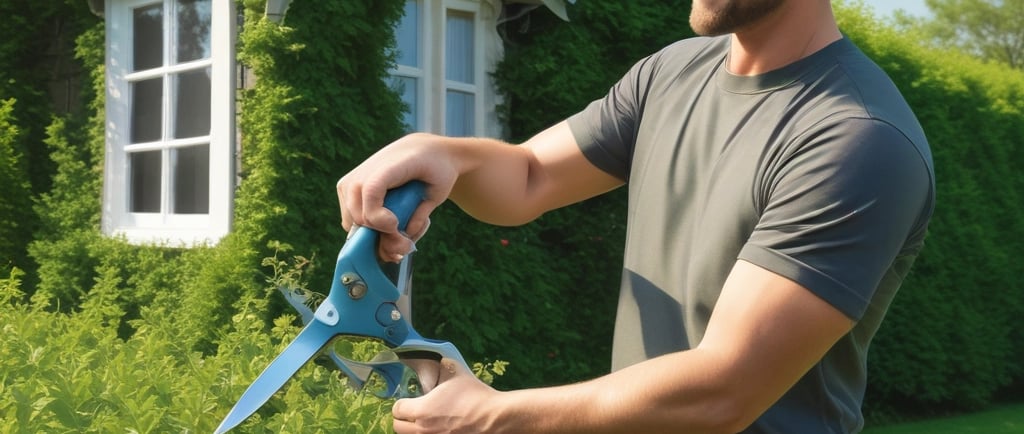

Introduction: Why Manual Hedge Trimmers Still Matter Today
In a world full of battery-operated and gas-powered hedge trimmers, many gardeners wonder if manual tools still have a place in modern yard care. The short answer? Absolutely.
A manual hedge trimmer offers unmatched control, quiet operation, lower cost, and healthier bushes—especially when shaping delicate hedges, topiaries, or shrubs near flowers and vegetables. If you care about precision cuts, eco-friendly gardening, and budget-friendly tools, this guide is your new secret weapon.
As an Amazon affiliate, we’ll also recommend trusted manual trimmers and accessories that make shrub care easier, cleaner, and safer.
🌱 What Is a Manual Hedge Trimmer?
A manual hedge trimmer is a hand-powered cutting tool with long blades and handles designed to trim:
Hedges
Shrubs
Bushes
Ornamental plants
Topiaries
They work like oversized garden scissors—quiet, effective, and surprisingly efficient.
Many gardeners prefer them over powered trimmers because:
They make cleaner cuts, preventing plant stress
They produce no noise
They require no fuel, batteries, or electricity
They are lightweight and easy to maneuver
They are budget-friendly and long-lasting
Whether you're using a manual bush trimmer, manual shrub trimmer, or a specialty topiary shear, the concept is the same: control and precision.


🌿 Benefits of Using a Manual Hedge Trimmer
1. Cleaner Cuts = Healthier Plants
Electric trimmers often tear stems, leaving ragged wounds. Manual trimmers slice cleanly and help shrubs recover faster.
2. Total Control for Perfect Shapes
Formal gardens, rounded shrubs, and tight edges require accuracy only manual tools can provide.
3. Lightweight & Easy to Handle
No heavy batteries or motors to carry—great for older gardeners or beginners.
4. Ultra-Quiet Operation
Trim early morning or late afternoon without disturbing neighbors.
5. Eco-Friendly Gardening
No emissions, no electricity consumption, no batteries to dispose of.
6. Lower Cost & Minimal Maintenance
A high-quality manual trimmer can last decades.
🌼 Types of Manual Hedge Trimmers (Choosing the Right One)
Different gardens demand different trimmers. Here are the major types:
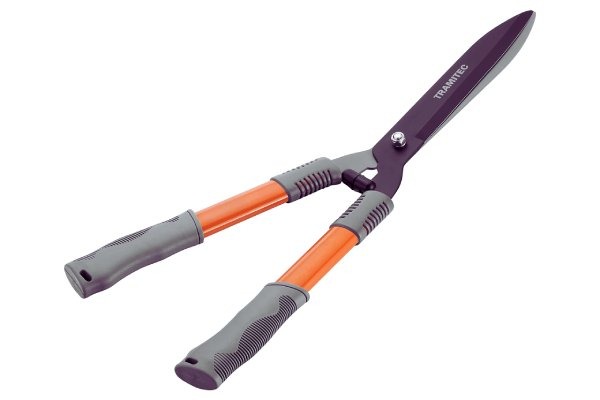
1. Standard Manual Hedge Shears
Best for:
✔ Straight hedges
✔ Shaping
✔ Light to medium pruning
They feature long blades and cushioned handles.
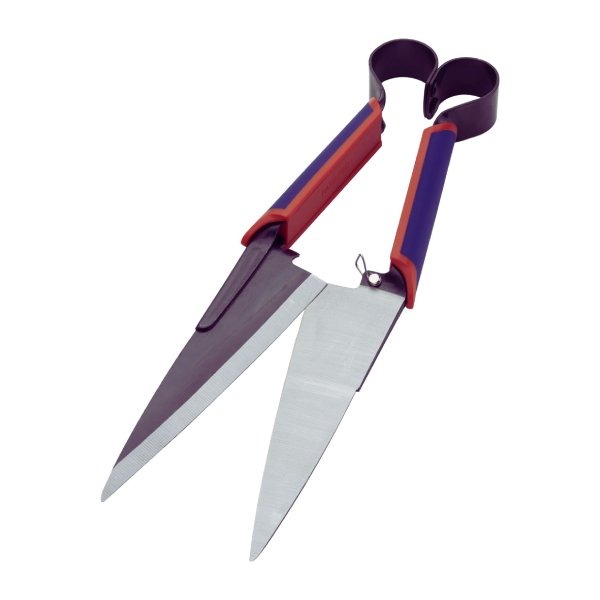
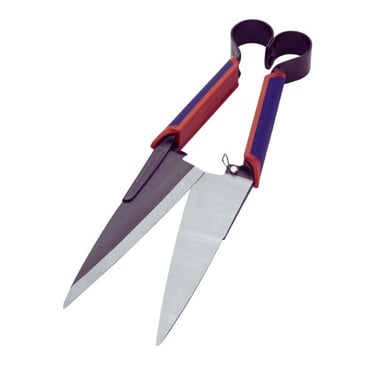
2. Topiary Shears
Best for:
✔ Detailed shaping
✔ Small or ornamental shrubs
Shorter blades offer high precision.
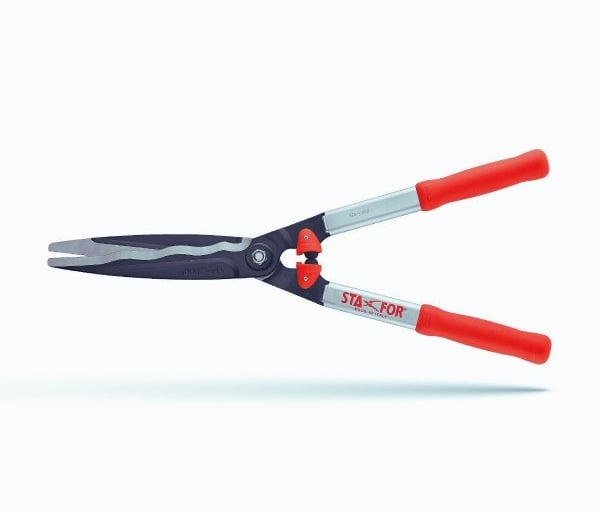
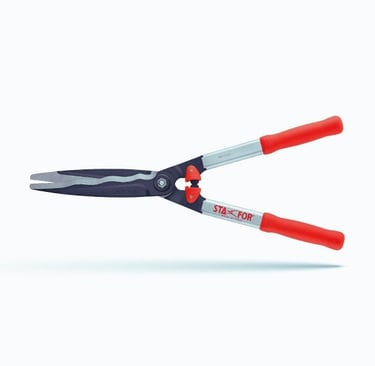
3. Wavy-Blade Hedge Shears
Best for:
✔ Slippery branches
✔ Dense hedges
Wavy blades help grip stems while cutting.
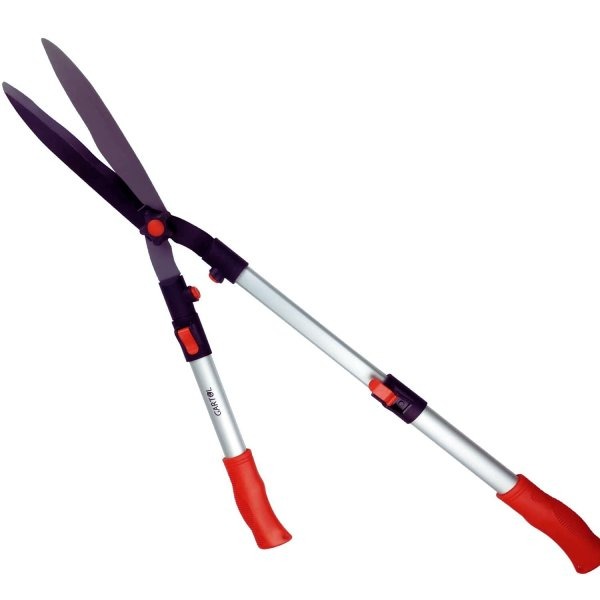

4. Telescopic Handle Hedge Shears
Best for:
✔ Tall hedges
✔ Hard-to-reach areas
Extendable handles add extra length and leverage.
🍃 How to Choose the Best Manual Hedge Trimmer (Buyer’s Guide)
When shopping for the best manual hedge trimmer, consider these essential features:
1. Blade Material
Look for:
✔ High-carbon steel blades
✔ Rust-resistant coating
✔ Razor-sharp edges
These stay sharp longer and cut cleaner.
2. Handle Comfort
Prioritize:
✔ Ergonomic design
✔ Non-slip grip
✔ Shock-absorbing bumpers
This reduces fatigue during long trimming sessions.
3. Weight & Balance
A well-balanced trimmer reduces arm strain and improves accuracy.
4. Cutting Capacity
Check the maximum branch thickness. A quality manual shrub trimmer should cut up to ¾ inch cleanly.
5. Adjustment Features
Tension control knobs
Telescopic handles
Replaceable blades
These allow customization and longer lifespan.
🌳 How to Use a Manual Hedge Trimmer (Step-by-Step Guide)
Using a manual trimmer the right way ensures clean cuts and healthy shrubs.
1. Start with Sharp Blades
Dull blades crush stems. Sharpen regularly with a simple sharpening stone.
2. Trim at the Right Time
Best seasons:
Late spring
Mid-summer
Early fall
Avoid trimming during heatwaves or plant stress.
3. Use the Proper Cutting Angle
✔ Hold blades slightly angled
✔ Cut upward for outer shaping
✔ Cut inward for dense shrubs
This ensures smooth, natural-looking edges.
4. Follow the Shape of the Hedge
Classic shapes include:
Rounded
Rectangular
Tapered
Formal English garden style (narrow top, wide base)
5. Trim from Bottom to Top
This prevents debris from blocking your path.
6. Take Breaks for Precision
Trim a little, step back, observe, and adjust. Manual trimming is about craftsmanship.
🌼 Common Hedge Trimming Problems & How to Fix Them
Problem 1: Uneven Hedge Height
Fix:
Use a string line as a guide or secure a stick to both ends for reference.
Problem 2: Brown or Dry Branch Tips
Cause:
Dull blades or cutting during heat stress.
Fix:
Sharpen blades → Water shrubs deeply → Trim lightly.
Problem 3: Bush Looks Patchy
Fix:
Trim lightly all around to promote even new growth.
Problem 4: Hand Fatigue or Soreness
Fix:
Choose trimmers with:
Cushioned handles
Shock bumpers
Lightweight build
You can also take micro-breaks every 10 minutes.
🌱 Amazon Product Recommendations
Below are recommended categories you can link to via Amazon Associates:
⭐ 1. Best Manual Hedge Trimmer
Look for:
✔ High-carbon steel blades
✔ Shock-absorbing handles
✔ Tension adjustment
⭐ 4. Black & Decker Hedge Trimmer Manual Replacement Parts
Many users search for manuals and replacement components—easy affiliate opportunity.
⭐ 5. Bush Trimmer Manual Sharpening Tools
Selling add-ons increases conversion rates.
Examples:
Sharpening stones
Lubricating oil
Blade cleaning kit
🌿 Maintenance Tips: Keep Your Manual Trimmer Like New
1. Clean After Every Use
Wipe blades with a dry cloth, then apply a thin layer of oil.
2. Sharpen Blades Regularly
Frequency:
Light use → Every 4–6 weeks
Heavy use → Every 2–3 weeks
3. Check the Tension Bolt
Too tight → Hard to use
Too loose → Uneven cuts
4. Store Indoors
Avoid leaving tools outside. Moisture leads to rust.
5. Lubricate Moving Parts
Apply oil to the pivot area monthly.
🌸 Why Manual Hedge Trimming Is Great for Gardeners
Whether you manage a formal landscape design, cottage garden, vegetable patch, or ornamental shrubs, manual trimming gives you:
Better plant health
More artistic control
Quieter gardening sessions
Lower long-term costs
For gardeners who value precision and sustainability, a manual hedge trimmer is a must-have tool.
🌿 FAQ: Manual Hedge Trimmers
1. Are manual hedge trimmers better than electric ones?
For detailed shaping, yes. Manual tools offer better precision and cleaner cuts.
2. Can manual trimmers cut thick branches?
Up to ¾ inch, depending on blade quality.
3. What is the difference between a manual bush trimmer and a shrub trimmer?
Both do similar tasks, but bush trimmers are usually heavier-duty.
4. How often should I trim hedges?
Every 4–6 weeks during the growing season.
5. Is a bush trimmer manual tool beginner-friendly?
Yes—manual trimmers are easier to learn than power tools.
🌞 Conclusion: Your Garden Deserves Precision and Care
A manual hedge trimmer is more than a simple cutting tool—it's a gardener's partner in shaping beautiful, healthy outdoor spaces. Whether you're maintaining a formal garden layout or trimming a casual backyard hedge, manual trimmers give you unmatched control and satisfaction.
With the right tools, technique, and maintenance, your shrubs will stay neatly shaped, vibrant, and thriving—season after season.
Want to Know More on Gardening?
Please Read :
Subscribe
Join us for tips and product reviews.
Contact
Affiliate disclaimer
© 2025. All rights reserved.
As an affiliate, we may earn a commission from qualifying purchases. We get commissions for purchases made through links on this website from Amazon and other third parties.