
The Complete 2025 Guide to Rose Pruners: Best Tools, Techniques & Tips for Perfect Blooms
Discover the best rose pruners for healthy blooms. Learn how to choose rose pruning shears, proper pruning techniques, and top tools for safer, easier cuts.
GARDENING TOOLS
12/8/20255 min read
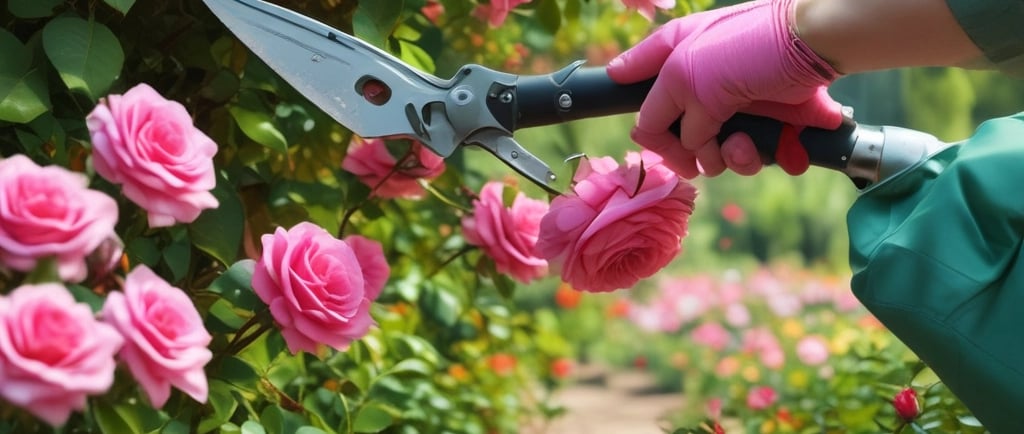

Growing roses is one thing—keeping them healthy, tidy, and full of blooms is another. If you want vibrant flowers, fewer diseases, and beautifully shaped plants, the right rose pruners are essential.
Whether you’re pruning hybrid teas, climbing roses, floribundas, or shrubs, choosing the correct rose pruning shears can dramatically affect your plant’s growth and your own comfort and safety.
In this complete guide, we break down everything you need to know about:
✔ Choosing the best rose pruning shears
✔ The safest way to prune roses without damaging stems
✔ Recommended rose pruning tools for beginners and experts
✔ Techniques to avoid thorns and prevent disease
✔ Amazon suggestions for long-lasting tools
✔ Common pruning problems and how to fix them
Let’s get growing.
🌿 Why the Right Rose Pruners Matter
Roses are woody perennials. Their stems can be tough, thorny, and prone to fungal issues. Using poor-quality tools can lead to:
Crushed stems
Ragged cuts prone to rot
Difficulty shaping rose bushes
Injury from slipping off thick canes
Faster spread of black spot or mildew
In contrast, using the proper rose pruning shears ensures:
Clean, precise cuts
Faster healing stems
Lower disease risk
Easier shaping and airflow
Less fatigue on hands and wrists
High-quality rose pruning scissors are an investment that pays back every season.
🌹 Types of Rose Pruners (And Which You Should Use)
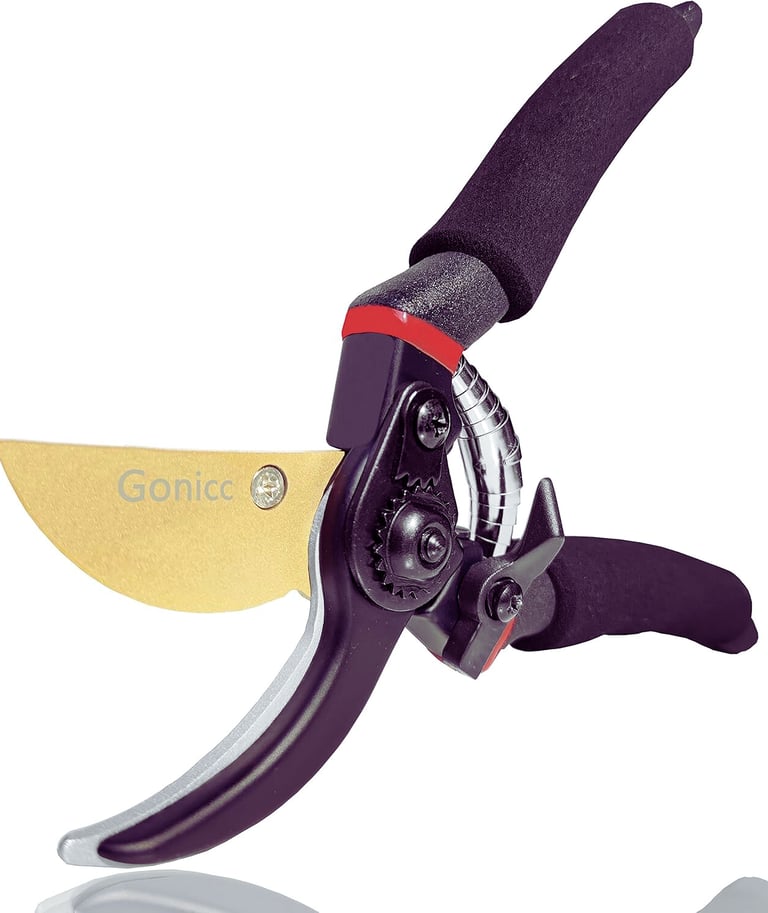
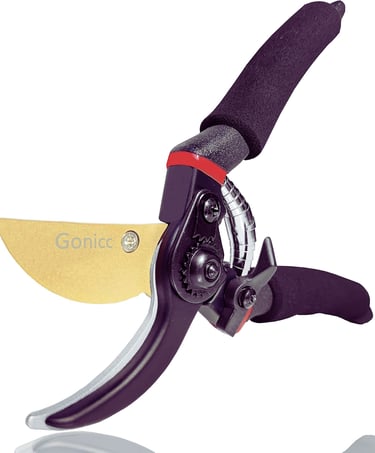
1. Bypass Pruners (Best for Roses)
These work like scissors: one blade passes by another.
Perfect for:
Fresh, green stems
Soft wood
Everyday pruning
Why they’re ideal:
Cleanest cuts
Minimal plant damage
Control and accuracy
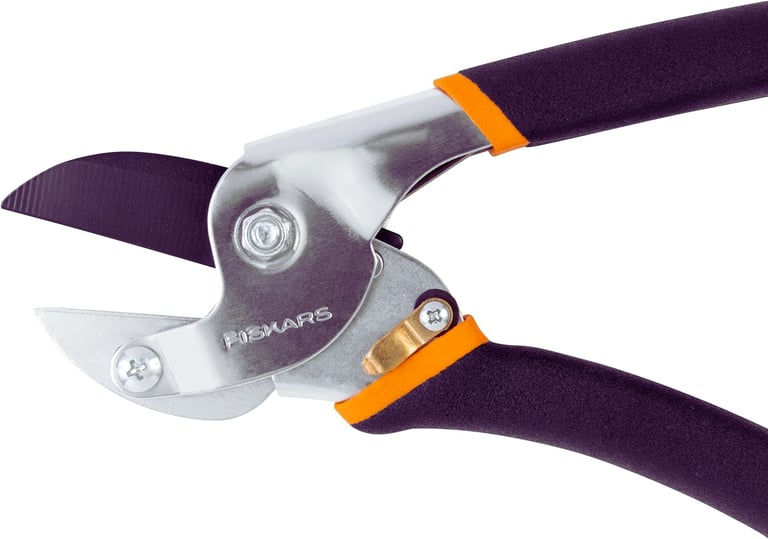
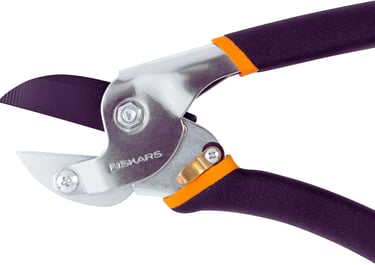
2. Anvil Pruners (Use Only for Dead Wood)
These crush stems against a flat plate.
Use for:
Dead, dry, woody stems
Thick canes you need to remove
Why not for green rose stems?
They can crush and bruise the plant.
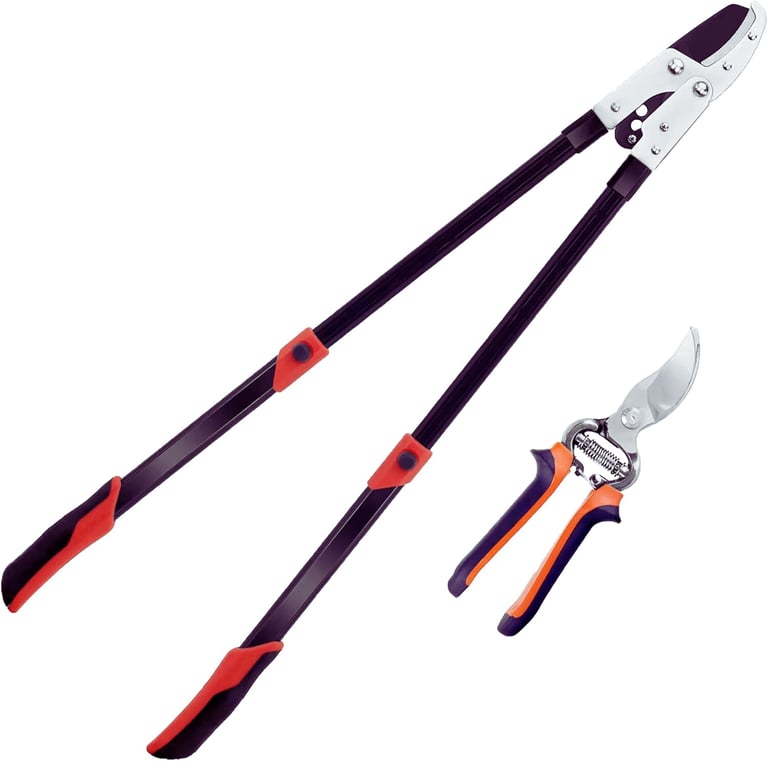
3. Long-Handled Loppers
Great for:
Thick rose canes
Hard-to-reach stems
Old roses requiring renovation
They deliver powerful leverage.

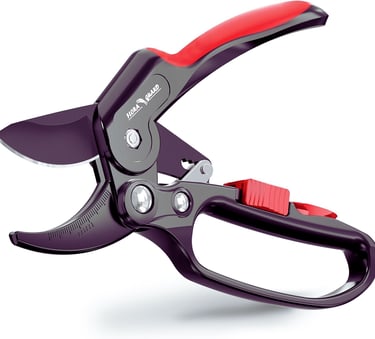
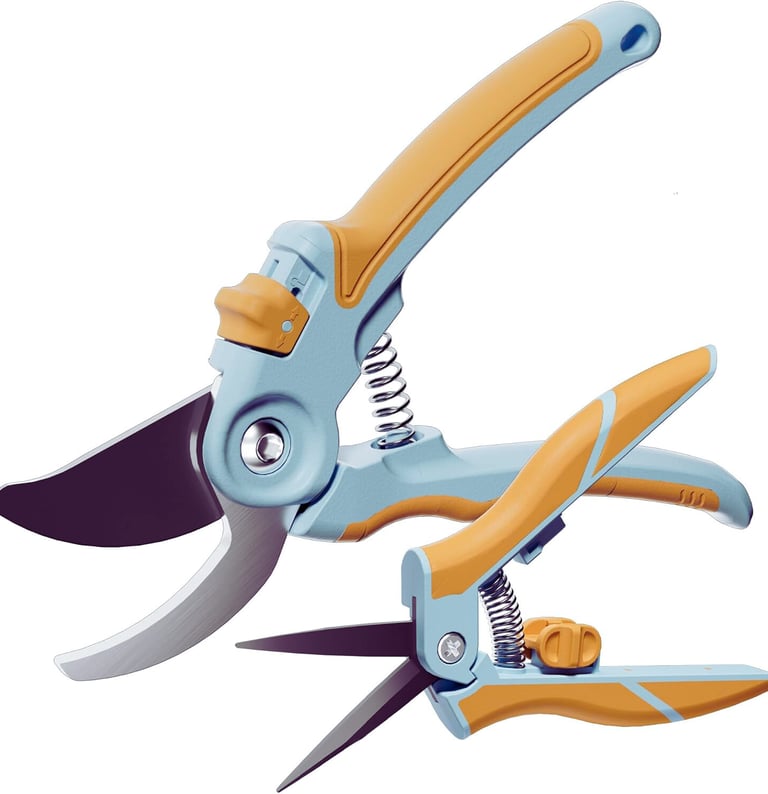
4. Rose Pruning Scissors (Precision Tools)
These are lightweight and ideal for:
Deadheading
Small cuts
Miniature roses
Indoor rose varieties
5. Rose Bush Pruning Shears With Safety Features
Comfort features matter more than people think.
Look for:
Ergonomic handles
Comfort grips
Shock-absorbing springs
Safety lock mechanisms
Anti-slip coating
🌿 Key Features to Look for in Rose Pruners
When choosing the best rose bush pruning shears, consider:
✔ Blade Material
High-carbon steel (sharpest, longest-lasting)
Stainless steel (rust resistant, easy maintenance)
✔ Cutting Capacity
Bypass pruners usually cut ¾" thick stems—ideal for roses.
✔ Handle Comfort
If you prune often, ergonomic handles reduce fatigue.
✔ Spring-Loaded Action
Makes repetitive cuts easier on your wrist.
✔ Replaceable Parts
Premium pruners (Felco, Corona) allow blade and spring replacement.
✔ Safety Lock
Protects you when working around thorny bushes.

🌹 How to Prune Roses Like a Pro (Step-by-Step Guide)
Pruning roses is not hard—but it’s easy to make mistakes.
Use this proven step-by-step method:
Step 1: Clean Your Rose Pruners
Wipe blades with alcohol before pruning to prevent spreading disease.
Step 2: Identify the Stems to Remove
Cut:
Dead canes
Rubbing or crossing branches
Stems growing inward
Weak pencil-thin canes
Diseased or blackened stems
Step 3: Cut at a 45° Angle
Aim the cut away from the bud.
This prevents water from collecting and prevents rot.
Step 4: Prune Above an Outward-Facing Bud
This keeps growth expanding outward, boosting airflow.
Step 5: Shape the Rose Bush
Good shape = healthier blooms.
Aim for a “vase shape”:
Open center
Branches growing outward
Space for sunlight and air
Step 6: Apply Pruning Seal (Optional)
Fresh cuts can attract pests or disease.
Organic pruning salve helps protect plants.
Step 7: Finishing Touch – Clean Your Tools Again
This prevents rust and fungus spread.
🌸 Best Amazon Rose Pruners (Honest Recommendations)
1. Felco F-2 Bypass Rose Pruners
Swiss-made
Replaceable parts
Extra-sharp blades
Lasts decades
Ideal for gardeners who want the best.
2. Gonicc Professional Rose Bush Pruning Shears
Affordable
High-carbon blades
Soft ergonomic handles
Perfect for beginners
3. ARS Precision Rose Pruning Scissors
Ultra sharp
Lightweight
Ideal for deadheading and small cuts
4. Corona Bypass Pruners
Reliable
Budget friendly
Sharp and durable
🌹 Rose Pruning Techniques to Maximize Blooming
1. Deadheading
Removes faded flowers to encourage continuous blooming.
2. Rejuvenation Pruning
Cutting old roses down to 12–18 inches to restore vigor.
3. Hard Pruning (Hybrid Teas)
Cut back by one-third to one-half in early spring.
4. Light Pruning (Climbers)
Remove only dead canes and shape after blooming.
5. Summer Cleanup Pruning
Helps roses look tidy and improves airflow.
⚠️ Common Rose Pruning Problems (And How to Fix Them)
❌ Crushed Stems
Cause: Using dull pruners
Fix: Sharpen blades or upgrade to higher-quality tools
❌ Brown or Black Cane Centers
Cause: Cutting too close to a bud
Fix: Always leave ¼ inch above the bud
❌ Poor Blooming
Cause: Not enough pruning
Fix: Improve airflow & remove old woody stems
❌ Plant Disease After Pruning
Cause: Dirty tools
Fix: Sanitize before and after each use
🌿 How to Maintain Your Rose Pruners
Clean after every use
Apply oil to prevent rust
Sharpen regularly
Replace worn-out springs
Store in a dry place
Good care = years of smooth cutting.
📌 FAQ
1. What type of pruners are best for roses?
Bypass pruners are best because they make clean cuts without crushing stems.
2. Can I use anvil pruners on roses?
Only for dead wood—never for live green stems.
3. How often should I prune my roses?
Major pruning: early spring
Deadheading: throughout the season
4. What size pruners do I need for rose bushes?
Standard bypass pruners with a ¾" cutting capacity work for most varieties.
5. Should I disinfect my rose pruning shears?
Yes. Clean with alcohol to stop disease from spreading.
6. Are long-handled pruners better for climbing roses?
Yes, they offer better reach and leverage for thick canes.
7. Why are my cuts turning brown?
Your blade may be dull—sharpen or replace your pruners.
Final Thoughts
Pruning roses doesn’t have to feel intimidating—especially when you have the right rose pruners in your toolkit. Whether you’re shaping hybrid teas, deadheading floribundas, or rejuvenating an older shrub, quality tools dramatically improve your results and protect both you and your plants.
From rose pruning shears to specialized rose pruning scissors, and from heavy-duty bypass pruners to ergonomic rose bush pruning tools, each tool plays a valuable role in keeping your garden healthy, vibrant, and productive.
If you’re a beginner gardener, start simple: one reliable pair of bypass pruners and protective gloves. As your garden grows, you can add precision tools and specialty options to streamline your work. And if you’re an experienced gardener, upgrading to high-quality, long-lasting tools can make pruning faster, cleaner, and more enjoyable.
Healthy roses reward your effort with abundant blooms, stronger growth, and fewer pest or disease issues. So invest wisely, prune consistently, and let your roses shine.
Happy gardening—and may every cut lead to more beautiful blossoms! 🌹✨
Want to Know More on Gardening?
Please Read :
Subscribe
Join us for tips and product reviews.
Contact
Affiliate disclaimer
info@honestgardener.com
© 2025. All rights reserved.
As an affiliate, we may earn a commission from qualifying purchases. We get commissions for purchases made through links on this website from Amazon and other third parties.