Sustainable Garden Practices for Beginners USA: Your Complete 2025 Guide
Discover simple, sustainable garden practices for beginners in the USA. Learn eco-friendly tips, tools, and ideas to create a thriving green garden.
ECO-FRIENDLY GARDENING
11/5/20255 min read

🌿 Introduction: Why Sustainable Gardening Matters
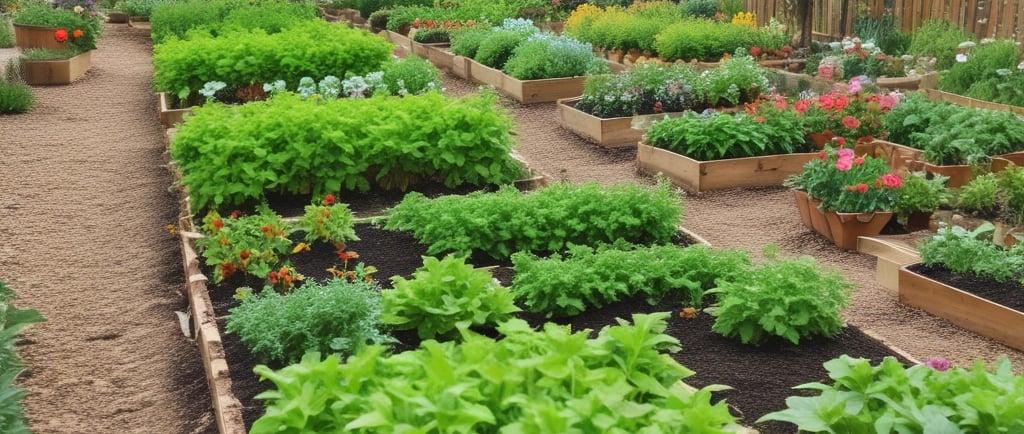
As more Americans become aware of their environmental impact, sustainable gardening is quickly gaining popularity. Whether you’re living in a suburban home or an urban apartment, creating a green, eco-friendly garden is one of the easiest ways to contribute to a healthier planet.
Unlike traditional gardening, which often depends on synthetic fertilizers, excessive water use, and chemical pesticides, sustainable gardening focuses on working with nature — not against it.
If you’re new to gardening, don’t worry. This guide will walk you through simple, sustainable garden practices that are easy to follow, affordable, and perfect for beginners in the USA.
🌎 What Is Sustainable Gardening?
At its core, sustainable gardening means growing plants in a way that supports long-term ecological balance. It reduces waste, conserves resources, and protects pollinators and soil health.
Instead of quick results through chemicals, sustainable gardening focuses on creating a resilient ecosystem.
🌼 Key Principles of Sustainable Gardening:
Soil Health First – Healthy soil equals healthy plants.
Water Conservation – Reduce waste with smart watering techniques.
Native & Drought-Tolerant Plants – Choose plants suited to your local climate.
Organic Pest Control – Encourage beneficial insects and avoid harmful pesticides.
Composting & Recycling – Turn waste into natural fertilizer.

Step 1: Start with Healthy, Organic Soil
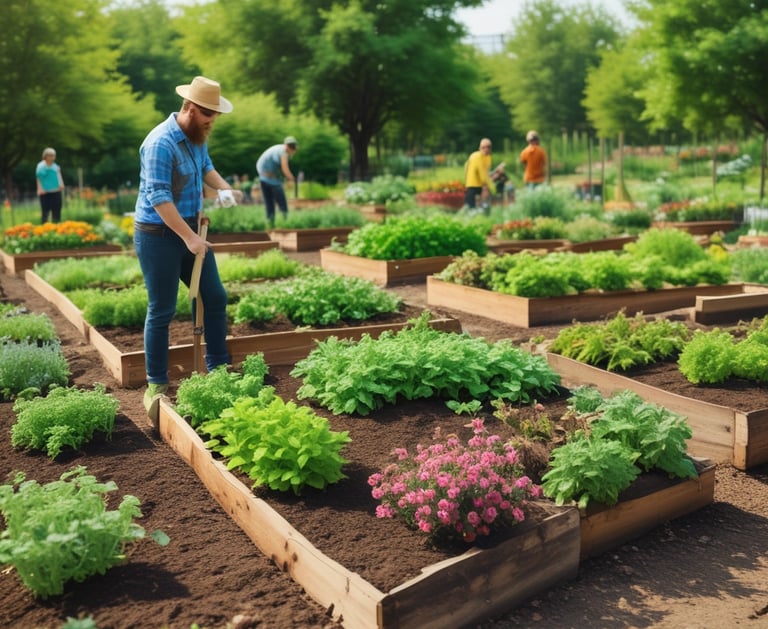
Soil is the foundation of every garden. Using organic compost and soil amendments instead of synthetic fertilizers helps improve soil structure and microbial activity naturally.
✅ Sustainable Soil Practices:
Compost regularly: Use kitchen scraps, leaves, and grass clippings to make nutrient-rich compost.
Add organic matter: Mix in materials like aged manure, worm castings, or peat-free compost.
Avoid tilling: Over-tilling damages soil life. Try no-dig methods to preserve beneficial microbes.
🌱 Recommended Product:
VermiHut 5-Tray Worm Compost Bin — A compact, odorless composting solution for home gardeners.
Espoma Organic Compost Starter — Great for beginners who want faster compost breakdown.
💧 Step 2: Conserve Water the Smart Way
Water is one of the most precious resources in your garden. Sustainable gardeners learn to water efficiently and reduce waste without sacrificing plant health.
🌦 Water-Saving Tips:
Collect rainwater: Install a rain barrel to capture water for reuse.
Use drip irrigation: Delivers water directly to roots with minimal evaporation.
Mulch the soil: A 2–3 inch layer of organic mulch keeps soil cool and moist.
Water early in the morning: Reduces evaporation and allows plants to absorb moisture efficiently.
💧 Recommended Product:
Rain Barrel Diverter Kit by EarthMinded – Easy installation for collecting rainwater from your downspout.
Raindrip Automatic Drip Irrigation Kit – Ideal for small to medium gardens.
🌸 Step 3: Choose Native & Drought-Tolerant Plants
Native plants are naturally adapted to your local soil and weather conditions, meaning they require less water, fertilizer, and maintenance.
🌼 Benefits of Native Plants:
Support local pollinators like bees and butterflies.
Require minimal watering and feeding.
Are resistant to local pests and diseases.
🌱 Popular USA Native Plants by Region:
🌼 Amazon Tip:
You can find native wildflower seed mixes for your region on Amazon — they’re budget-friendly and beginner-safe!
🐞 Step 4: Use Natural Pest Control
Avoiding harsh chemicals is one of the hallmarks of sustainable gardening. Instead, use organic pest control methods that protect beneficial insects and pollinators.
🪲 Eco-Friendly Pest Control Ideas:
Neem oil spray: Effective against aphids, mites, and whiteflies.
Companion planting: Grow basil near tomatoes or marigolds near peppers to repel pests.
Encourage predators: Ladybugs, lacewings, and spiders naturally control harmful insects.
🪴 Recommended Products:
Neem Bliss 100% Pure Cold Pressed Neem Oil — Great for organic pest control.
Zevo Flying Insect Trap — A plug-in trap that catches gnats and flies without chemicals (perfect for indoor or greenhouse gardeners).
♻️ Step 5: Recycle, Compost & Reuse
Sustainable gardening is all about minimizing waste. Instead of throwing away organic matter or old garden tools, find ways to reuse and recycle.
🌱 Ways to Recycle in the Garden:
Reuse containers: Turn old buckets or bottles into plant pots.
Shred leaves for mulch: Free, effective, and biodegradable.
Create compost bins: Even small spaces can fit a compact bin.
Upcycle materials: Wooden pallets make excellent raised beds.
♻️ Recommended Products:
FCMP Outdoor Dual Chamber Tumbling Composter – Makes composting easy and mess-free.
Gardzen 3-Pack Compost Bags – Lightweight and ideal for patio or balcony gardeners.


🌻 Step 6: Attract Pollinators Naturally
Pollinators like bees, butterflies, and hummingbirds are vital for your garden’s success. Without them, your flowers and vegetables won’t produce fruit.
🌼 Pollinator-Friendly Practices:
Plant flowering herbs: Lavender, sage, and thyme attract pollinators.
Avoid pesticides: Even “safe” sprays can harm bees.
Provide shelter: Add bee houses or butterfly boxes.
🐝 Amazon Suggestion:
Mason Bee House for Pollinators — Encourages solitary bees to visit your garden.
Wildflower Mix for Pollinators — Easy way to grow bee- and butterfly-friendly blooms.
🌾 Step 7: Practice Crop Rotation & Companion Planting
Crop rotation helps maintain soil fertility and prevents diseases. By changing the plant location each season, you give the soil time to recover.
🌱 Example Rotation Plan:
Year 1: Legumes (beans, peas) — add nitrogen.
Year 2: Leafy greens (lettuce, kale).
Year 3: Fruiting plants (tomatoes, peppers).
Year 4: Root crops (carrots, beets).
🌿 Companion Planting Tips:
Basil improves tomato flavor and deters flies.
Marigolds repel nematodes near beans and peppers.
Garlic helps deter aphids around roses.

🌤 Step 8: Embrace Renewable Garden Tools & Energy
Sustainable gardening doesn’t stop at the soil. Switching to eco-friendly tools can make a big difference.
⚙️ Green Gardening Gear:
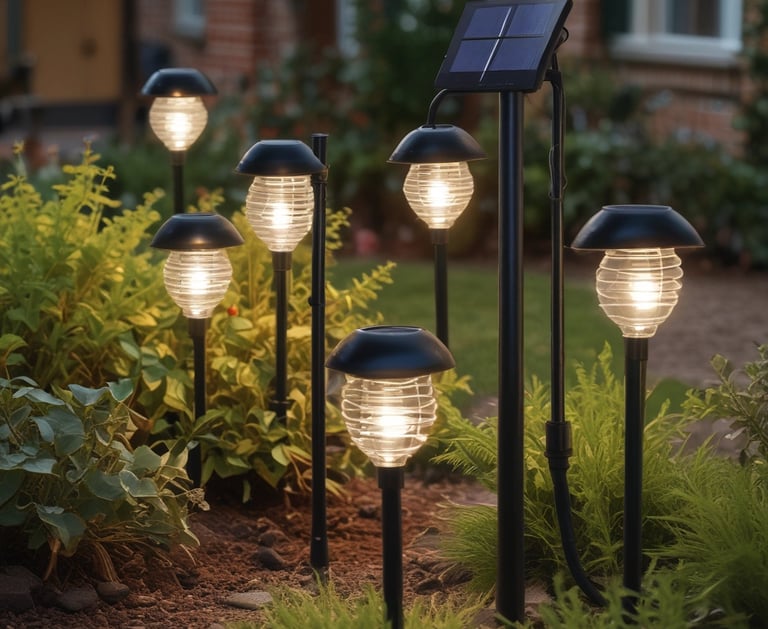
Solar-powered lights: Perfect for illuminating your garden without electricity.
Rechargeable tools: Use electric trimmers and mowers instead of gas-powered ones.
Biodegradable pots: Replace plastic with coir or peat-free planters.
🌞 Recommended Products:
Aootek Solar Outdoor Lights — Great for lighting walkways or patios.
EcoSmart Electric Cordless Trimmer — Quiet, efficient, and emission-free.
🌻 Step 9: Grow Organic — Naturally
Switching to organic fertilizers helps avoid synthetic chemicals while supporting soil life.
🌿 Top Organic Fertilizer Options:
Compost tea: A nutrient-rich liquid fertilizer.
Fish emulsion: Provides essential nitrogen and micronutrients.
Bone meal & blood meal: Boost root and leaf growth naturally.
🌾 Recommended Products:
🌳 Step 10: Start Small, Grow Sustainably
If you’re new to sustainable gardening, start with one small area—maybe a few planters or raised beds. Gradually incorporate eco-friendly habits as you gain confidence.
Sustainability isn’t about being perfect; it’s about making consistent, mindful choices that help your garden and the planet thrive.
🌱 Conclusion: Your Path to a Greener Garden Future
Creating a sustainable garden doesn’t have to be complicated or expensive. With a few small changes—like using compost, collecting rainwater, and choosing native plants—you can make a real environmental impact.
Every eco-friendly decision adds up. And as your garden flourishes, so does your contribution to a greener Earth.
🌿 Ready to start your sustainable garden today?
👉 Explore our favorite eco-friendly garden tools and composting kits on Amazon through HonestGardener.com.
Want to Know More on Gardening?
Please Read :
Subscribe
Join us for tips and product reviews.
Contact
Affiliate disclaimer
info@honestgardener.com
© 2025. All rights reserved.
As an affiliate, we may earn a commission from qualifying purchases. We get commissions for purchases made through links on this website from Amazon and other third parties.