
Essential Gardening Tips for a Sustainable and Enjoyable Experience
Discover essential gardening tips to create a sustainable, enjoyable garden. Grow greener and make every planting day rewarding.
ECO-FRIENDLY GARDENING
5/8/20248 min read
Understanding Sustainable Gardening
Sustainable gardening refers to a gardening approach that focuses on the harmonious interaction between plants, soil, and the surrounding environment. Its primary aim is to create a healthy ecosystem that minimizes resource consumption and environmental impact while maintaining productivity and beauty. In recent years, the significance of sustainable gardening has garnered considerable attention, particularly in the context of ecological conservation. As individuals become increasingly aware of their ecological footprint, developing sustainable gardening practices has emerged as a vital means for promoting environmental stewardship.
At its core, sustainable gardening revolves around several key principles that guide gardeners in making informed decisions. First and foremost is the conservation of resources, which entails using water judiciously and fostering efficient energy use. Rainwater harvesting, drip irrigation systems, and xeriscaping are just a few examples of techniques that enable gardeners to minimize waste and enhance resource management.
Biodiversity also plays a crucial role in sustainable gardening. A diverse garden ecosystem promotes the healthy populations of beneficial insects, birds, and plants, which can contribute to natural pest control and improved pollination. By incorporating a variety of plant species, gardeners not only enhance aesthetic appeal but also create a resilient environment capable of coping with pests and diseases.
Another fundamental aspect includes the adoption of chemical-free practices, such as organic gardening. This approach emphasizes the use of natural fertilizers and pest management techniques, reducing harmful impacts on soil health and waterways. By eschewing synthetic chemicals, gardeners protect not only their gardens but also the broader ecosystem. Sustainable gardening thus serves as a valuable practice for individuals who seek to contribute positively to ecological health. Through mindfulness and intentional gardening choices, everyone can play a part in fostering a sustainable future.
Soil Health: The Foundation of a Thriving Garden
Soil health is essential for cultivating a thriving garden. Healthy soil serves as the foundation for robust plant growth, and it significantly influences plant vitality, nutrition, and overall productivity. A well-balanced soil ecosystem retains moisture, promotes nutrient uptake, and fosters beneficial organisms that support plant health.
One of the first steps in ensuring soil health is conducting a soil test. This evaluation provides valuable information regarding the soil's nutrient levels, organic matter content, and pH balance. Understanding your soil's characteristics allows for targeted amendments that enhance its fertility and structure. A pH test, for instance, is crucial as it influences nutrient availability to plants. Most garden plants thrive in slightly acidic to neutral pH levels, approximately between 6.0 and 7.0.
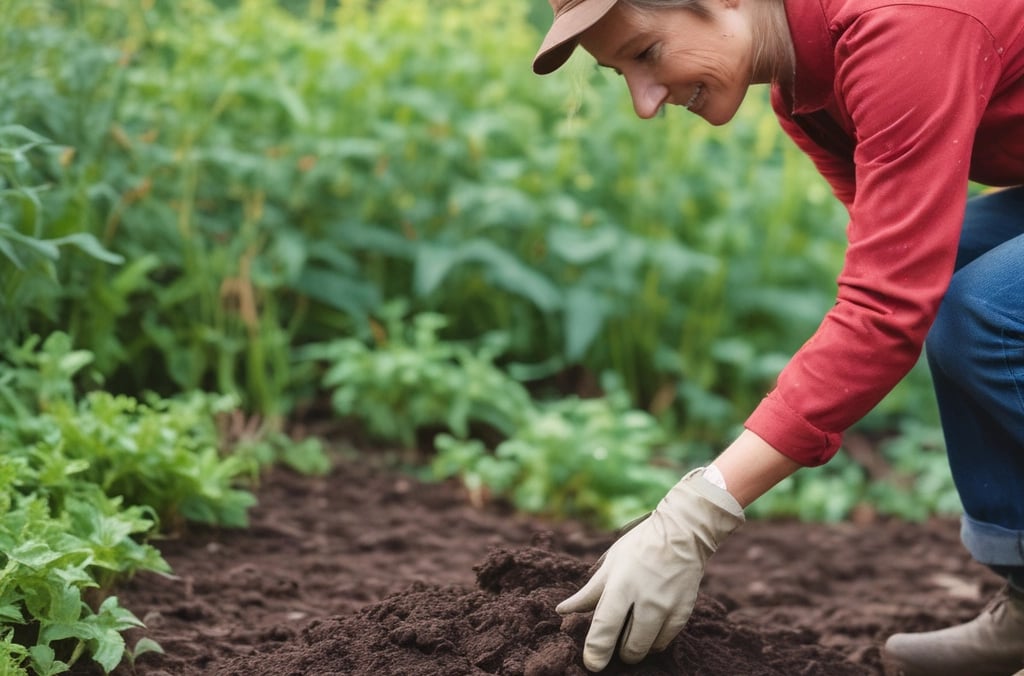
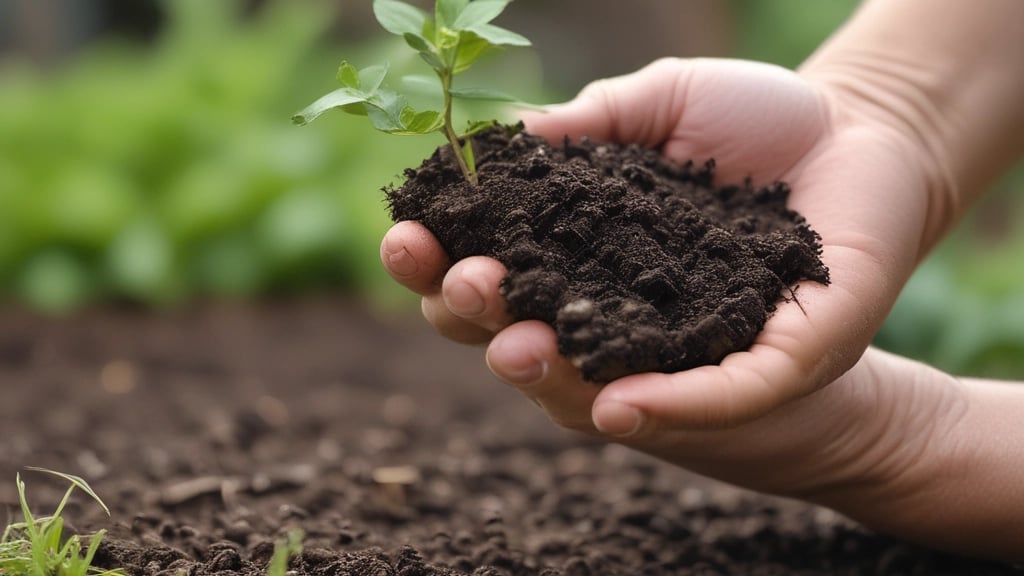
Adding organic matter is another effective strategy for improving soil health. Incorporating materials such as compost and well-rotted manure enriches the soil with nutrients while improving its texture and aeration. Compost not only provides essential elements for plant growth but also supports diverse microbial activity, enhancing the soil's biological health. On the other hand, applying mulch serves multiple purposes; it conserves moisture, suppresses weeds, and gradually breaks down to further enrich the soil.
Fostering soil biodiversity is a cornerstone of sustainable gardening. Healthy soil teems with beneficial microorganisms, earthworms, and other organisms that work symbiotically to decompose organic material and release nutrients. Practices such as crop rotation, cover cropping, and reduced tilling contribute to soil biodiversity and resilience. By preserving the natural balance of the soil ecosystem, gardeners can promote long-term productivity and sustainability in their gardens.
Choosing the Right Plants for Your Garden
Selecting the right plants is crucial for creating a garden that thrives sustainably while providing enjoyment for the gardener. One of the most effective strategies is to focus on native plants, which are adapted to the local climate and soil conditions. Native plants typically require less water and maintenance compared to non-native species, making them a more environmentally friendly choice. Additionally, they support local wildlife, offering essential habitats and food sources for birds, insects, and other beneficial organisms, thus promoting ecological balance.
Seasonal planting also plays a vital role in gardening. Timing your planting to align with local climate patterns ensures that the plants can establish themselves effectively. By understanding the seasons, you can select plants that flourish during specific times of the year, contributing to a vibrant and diverse garden. Furthermore, incorporating a strategy called crop rotation can enhance soil health and minimize pest buildup. This involves changing the types of plants grown in each section of the garden each year, which helps prevent nutrient depletion and reduces the likelihood of disease.
Lastly, companion planting is another beneficial garden practice to consider. This involves pairing plants that naturally support each other's growth, deter pests, or enhance flavors when grown together. For example, planting marigolds alongside vegetables can help repel harmful insects, thereby reducing the need for chemical pest control. By choosing the right combinations, you can foster a resilient ecosystem that thrives on diversity and natural interactions.
In conclusion, choosing plants that are appropriate for your specific environment fosters a sustainable, low-maintenance garden that not only provides aesthetic appeal but also contributes positively to local biodiversity. By prioritizing native species, practicing seasonal planting, and utilizing crop rotation and companion planting techniques, gardeners can create a thriving ecological sanctuary.
Water Conservation Techniques
Effective water conservation is paramount for sustainable gardening, particularly as water resources become increasingly limited. One prominent method is rainwater harvesting, which involves collecting and storing rainwater from rooftops or other surfaces. This technique allows gardeners to utilize free water while reducing their reliance on municipal sources. To set up a rainwater harvesting system, consider investing in barrels or cisterns, ensuring they are connected to downspouts for optimal collection. A simple filtering system can also be beneficial to keep debris out of the stored water.
Another highly efficient water conservation technique is drip irrigation. This method delivers water directly to the base of plants through a network of tubing and emitters, minimizing evaporation and runoff. As opposed to traditional sprinklers, drip irrigation allows for precise control over water usage, which is particularly useful in areas prone to drought. It is essential for gardeners to program timers and regular check-ups to ensure the system is functioning correctly and to adjust flow rates based on seasonal weather changes.
The selection of drought-resistant plants is equally vital in conserving water in the garden. Native plants are generally better adapted to local climates, requiring less water and maintenance. By incorporating such plants, gardeners can create resilient landscapes that thrive with minimal irrigation. Assessing watering needs based on plant types and current weather conditions is essential to avoid overwatering, which not only wastes water but can also lead to root rot and other plant health issues.
Moreover, understanding the timing of watering is crucial. Watering early in the morning or late in the evening reduces evaporation and ensures that plants receive moisture when they need it most. Employing these practices will not only promote water conservation but also contribute to a healthier garden ecosystem.
Pest Management: Eco-Friendly Solutions
Effective pest management is crucial for maintaining a healthy garden while promoting sustainability. To minimize the reliance on chemical pesticides, Integrated Pest Management (IPM) offers an array of eco-friendly strategies that facilitate the control of garden pests through holistic approaches. By encouraging a balanced ecosystem, gardeners can foster the presence of natural predators, such as ladybugs, lacewings, or birds, which help regulate pest populations without the need for harmful chemicals.
Utilizing beneficial insects is a fundamental aspect of IPM. These insects can be attracted through the use of specific plants that provide food and shelter. For instance, planting dill or fennel can invite beneficial wasps that parasitize unwanted pests. Additionally, incorporating trap plants—such as marigolds that lure aphids away from your vegetable crops—can serve as an effective method to minimize pest encounters in the garden.
Another sustainable strategy is the implementation of organic solutions for pest control. These may include neem oil, insecticidal soaps, or diatomaceous earth, which are less harmful to the environment and can effectively target a range of garden pests. Organic pesticides offer a refreshing alternative to synthetic options and encourage a more responsible approach to gardening.
Companion planting is yet another strategy that can mitigate pest issues while enhancing plant health. By strategically pairing plants that support one another—such as tomatoes and basil—gardeners can deter pests naturally. The complementary scents can mask the plant's aroma, making it less attractive to insects. This holistic approach not only preserves the health of cherished plants but also cultivates a vibrant and thriving ecosystem within the garden.
In summary, adopting eco-friendly pest management techniques is essential for sustainable gardening. With strategies such as Integrated Pest Management, natural predators, organic solutions, and companion planting, gardeners can effectively combat pests while maintaining an environmentally responsible practice.
Composting: Turning Waste into Resource
Composting is a fundamental practice for sustainable gardening, transforming organic waste into a valuable resource that enriches the soil and promotes healthy plant growth. This method not only reduces the amount of garbage sent to landfills but also recycles nutrients back into the ecosystem. By embracing composting, gardeners can contribute to waste reduction while enhancing the quality of their soil.
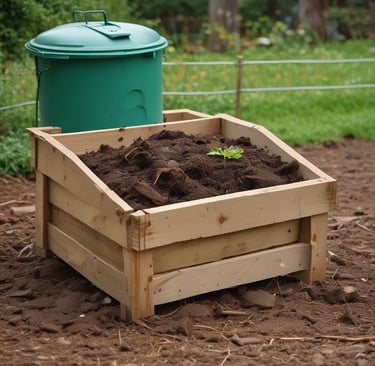
Setting up a compost bin is a straightforward process that requires minimal effort. First, choose a well-drained location in your garden that is convenient for collecting kitchen scraps. There are various types of compost bins available, from tumblers to traditional bins, and selecting one that fits your space and need is essential. For beginners, an open pile or a simple bin made from wood pallets can also serve as an effective composting solution.
When it comes to compostable materials, a mix of green and brown materials is essential for successful composting. Greens, which are nitrogen-rich, include kitchen scraps such as fruit and vegetable peels, coffee grounds, and grass clippings. Browns, on the other hand, provide carbon and include dried leaves, straw, and cardboard. Maintaining a balanced ratio of these materials ensures optimal decomposition and prevents odors.
Regular maintenance is crucial for a healthy compost pile. Turning the pile every few weeks keeps it aerated, speeding up the decomposition process. Monitoring moisture levels is equally important; the compost should be damp but not overly wet. Once the compost breaks down into a dark, rich substance, it can be utilized in various gardening practices.
Incorporating finished compost into your garden beds, potting mixes, or as a top dressing not only enriches the soil but also improves moisture retention and encourages microbial activity. Utilizing compost effectively can lead to healthier plants and a more sustainable gardening experience, making it an invaluable practice for any gardener.
Enjoying the Gardening Experience: Mindfulness and Creativity
Gardening transcends mere agricultural activity; it can be a profound emotional and psychological experience that offers numerous benefits. Engaging in gardening as a form of mindfulness encourages individuals to immerse themselves fully in the present moment. This practice promotes relaxation, reducing stress levels while fostering a connection with nature. As one tends to plants and observes their gradual growth, feelings of accomplishment and serenity often emerge, illustrating how gardening can significantly impact mental well-being.
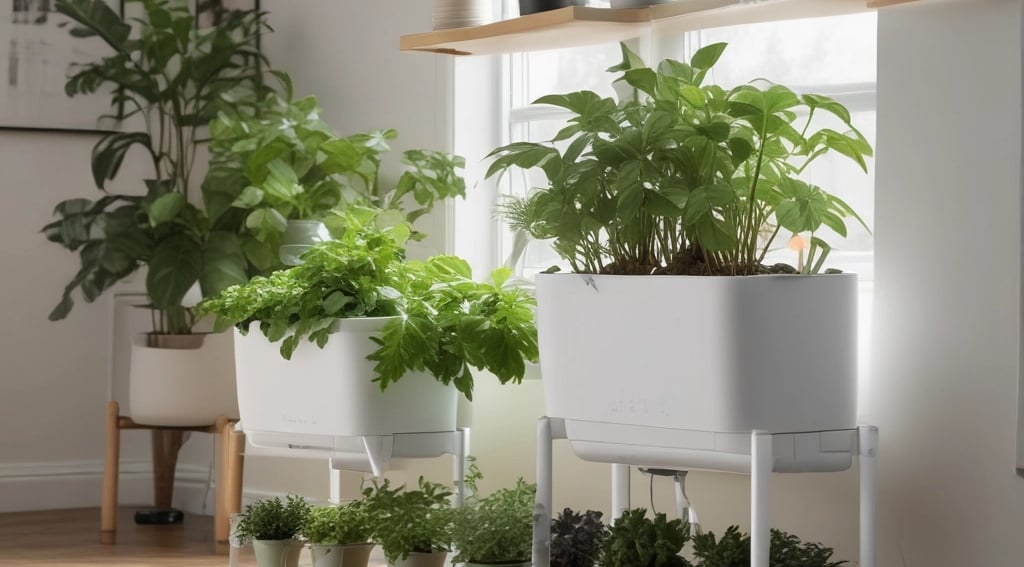
Incorporating creative elements into the gardening experience can enhance this connection further. One way to do this is by utilizing decorative planters that reflect personal style. These unique containers not only serve a practical purpose but also add an aesthetic dimension to the garden. Additionally, integrating garden art—such as sculptures, wind chimes, or painted rocks—can infuse character and charm into the gardening space, making it more inviting and engaging. Creative expression through gardening fosters a sense of joy and ownership over the space, allowing individuals to leave their mark on their surroundings.
Themed garden designs offer another avenue for creativity. As one explores different styles, such as a butterfly garden, herb garden, or zen garden, they can curate an environment that resonates with their personal preferences and seasonal moods. This thoughtful approach to planning and designing can further enhance the emotional benefits of gardening, encouraging a deeper relationship with the flora and fauna in the space. Ultimately, the act of gardening, whether through mindful practices or creative embellishments, can serve as a joyful and enriching experience, not only connecting individuals to nature but also nurtured their inner selves.
Want to Know More on Gardening?
Please Read :
Essential Gardening Tips for a Sustainable Green Space at Home






Subscribe
Join us for tips and product reviews.
Contact
Affiliate disclaimer
© 2025. All rights reserved.
As an affiliate, we may earn a commission from qualifying purchases. We get commissions for purchases made through links on this website from Amazon and other third parties.