
Growing Zucchini Vertically: Double Your Harvest and Prevent Disease Naturally
Learn how growing zucchini vertically saves space, increases harvests, improves airflow, and helps prevent disease with this beginner-friendly guide.
VERTICAL GARDENING
7/13/20268 min read


Have you ever planted zucchini with high hopes, only to watch the plants spread across your entire garden?
You're not alone.
Many gardeners underestimate just how large zucchini plants become. Within weeks, their broad leaves cover nearby vegetables, fruits develop on damp soil, and diseases like powdery mildew quickly appear. Harvesting also becomes difficult because hidden zucchini grow oversized almost overnight.
Fortunately, there's a smarter solution.
Growing zucchini vertically helps you maximize garden space, improve air circulation, produce cleaner fruit, and reduce common diseases—all while making harvesting much easier.
Whether you're growing vegetables in raised beds, containers, or a backyard garden, this guide will teach you everything you need to know to successfully train zucchini upward.
By the end of this article, you'll know exactly how to build a support system, prune your plants, prevent disease, and enjoy larger harvests all season long.
📖 Chapter Table
Why More Gardeners Are Growing Zucchini Vertically
Usually zucchini plants spread over 4–6 feet across the ground.
That creates several problems:
Fruits touch wet soil.
Leaves trap moisture.
Airflow decreases.
Diseases spread quickly.
Harvesting becomes difficult.
Training plants upward solves all of these issues while making your garden look cleaner and more organized.
For gardeners practicing small space vegetable gardening, vertical growing is one of the best techniques available.
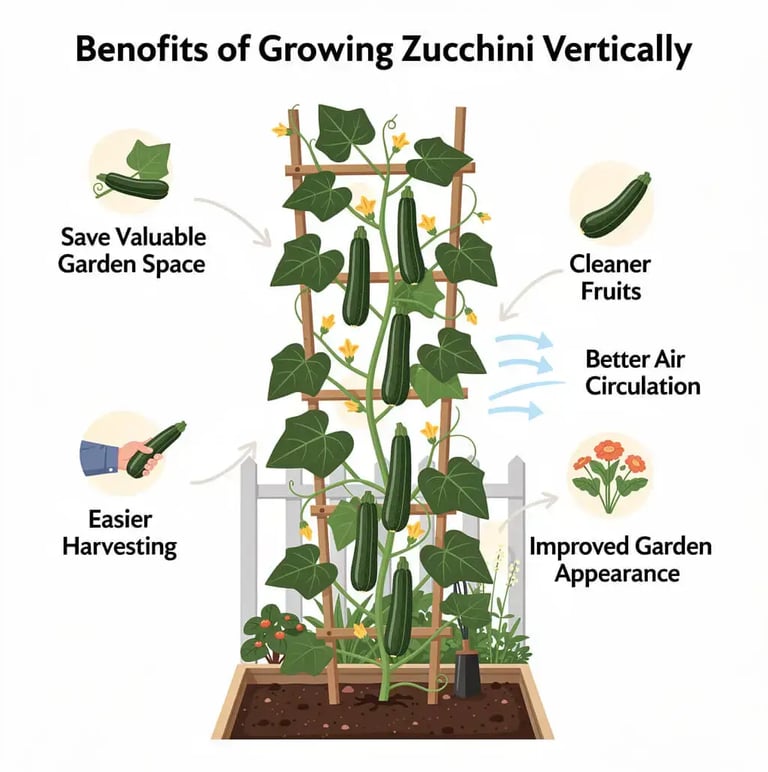
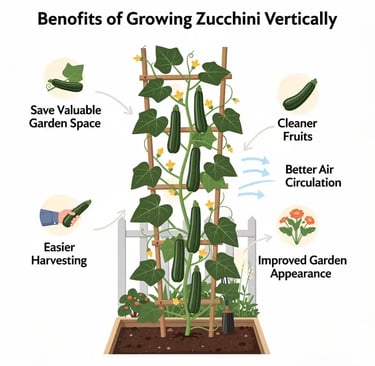
Benefits of Growing Zucchini Vertically
1. Save Valuable Garden Space
A single zucchini plant can occupy several square feet.
Using a vertical zucchini trellis, the same plant grows upward instead of outward.
That means you have room to grow:
Tomatoes
Peppers
Lettuce
Herbs
Beans
in the same garden bed.
2. Cleaner Fruits
Ground-grown zucchini often develop:
Dirt stains
Soft spots
Slug damage
Rot
When fruits hang freely from the vine, they stay cleaner and healthier.
3. Better Air Circulation
One of the biggest advantages of growing vertically is airflow.
Leaves dry faster after:
Rain
Morning dew
Watering
This helps prevent powdery mildew on zucchini, one of the most common problems gardeners face.
4. Easier Harvesting
Have you ever missed harvesting one zucchini only to discover it has grown into a giant squash?
Vertical plants make fruit easier to spot, allowing you to harvest at the ideal size.
5. Improved Garden Appearance
Vertical vegetables create a neat, organized garden.
Instead of sprawling vines, you'll have attractive upright plants that are easier to maintain.
Choosing the Best Zucchini Variety
Almost every zucchini variety can be trained upward, but compact and semi-vining types are especially suitable.
Popular choices include:
Black Beauty
A classic variety known for reliable production.
Raven
Produces glossy, dark-green fruits with excellent flavor.
Astia
Compact plants ideal for containers and raised beds.
Costata Romanesco
A treasured variety known for its deep flavor and ribbed shape.
Can You Grow Zucchini in Raised Beds?
Absolutely.
In fact, gardeners who grow zucchini in raised beds often experience better drainage, healthier roots, and easier weed control.
Raised beds combined with vertical supports create one of the most productive growing systems available.
Choosing the Best Location
Zucchini thrives in:
Full sun (6–8 hours daily)
Rich, well-drained soil
Consistent moisture
Good air circulation
Avoid planting in areas where water collects after heavy rain.
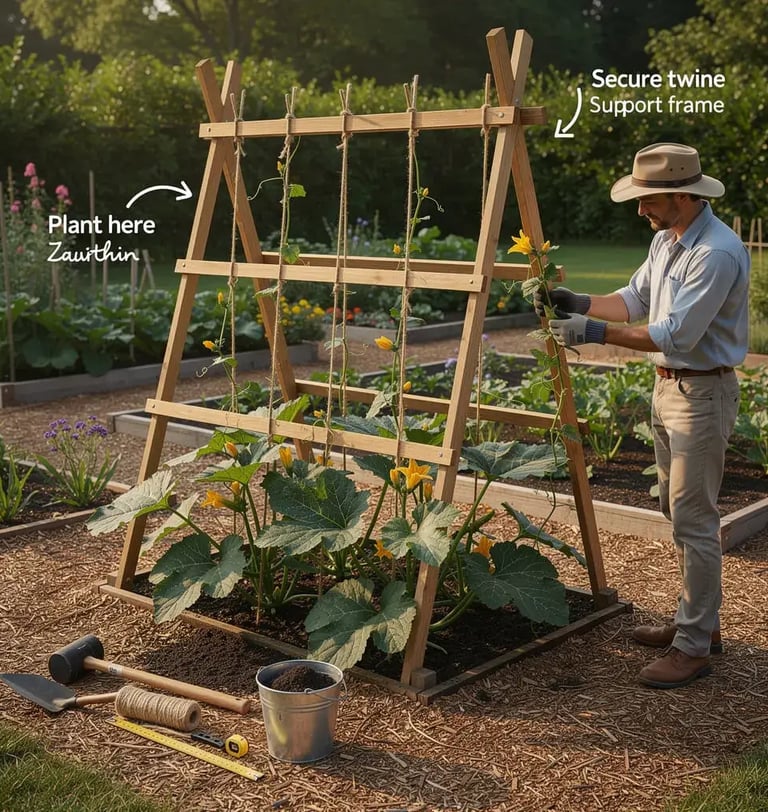
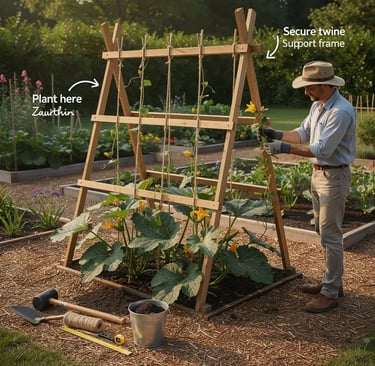
Building the Perfect Vertical Zucchini Trellis
A sturdy support system is essential because mature plants become surprisingly heavy.
Option 1: Cattle Panel Trellis
Pros
Extremely strong
Long-lasting
Supports heavy fruit
Best for larger gardens.
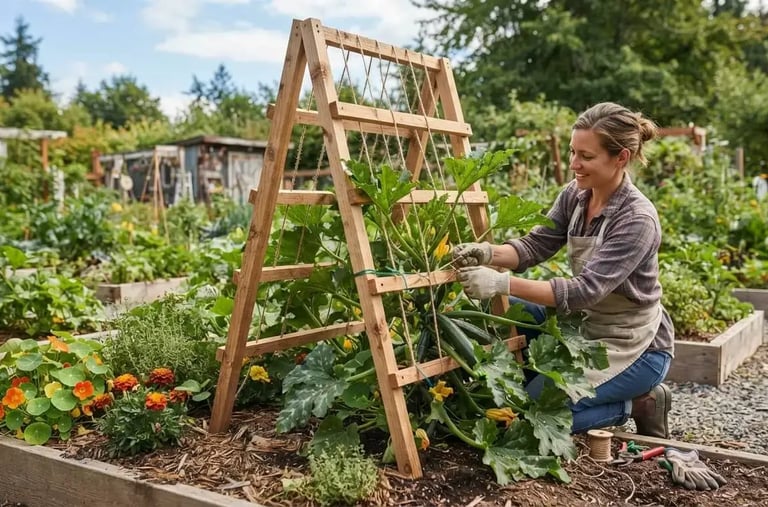
Option 2: Wooden A-Frame
Great for raised beds and backyard gardens.
Easy to build using basic lumber.
Option 3: Bamboo Teepee
Affordable and beginner-friendly.
Secure bamboo poles together using weather-resistant twine.
Option 4: Metal Tomato Cage
Perfect for compact zucchini varieties.
Choose heavy-duty cages instead of lightweight versions.
Materials You'll Need
Garden stakes
Bamboo poles
Twine or soft plant ties
Pruning shears
Compost
Mulch
Optional:
Drip irrigation
Plant clips
Garden gloves
Step-by-Step Guide to Growing Zucchini Vertically
Step 1: Prepare the Soil
Healthy plants begin with healthy soil.
Mix in:
Compost
Aged manure
Organic fertilizer
before planting.
Healthy soil leads to strong growth and high yields.
Step 2: Install the Trellis First
Always build your support before planting.
Installing a trellis afterward risks damaging roots.
Position the structure firmly so it can withstand wind and the weight of mature plants.
Step 3: Plant Your Seedlings
Space plants about 24–36 inches apart.
Water thoroughly after planting.
Apply a layer of mulch to help conserve moisture and reduce weeds.
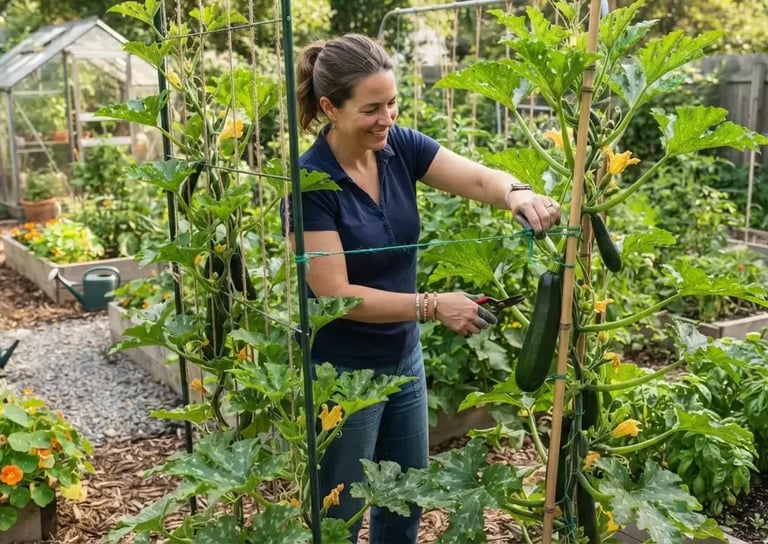
Step 4: Train the Main Stem
As the zucchini grows, gently guide the central stem toward the support.
Use soft garden ties to secure it loosely.
Tie loosely so the stems have space to grow.
Step 5: Continue Supporting the Plant
Check the plant every few days.
Add new ties as it grows taller, keeping the stem upright without restricting growth.
Beginner Tips for Success
✔ Water deeply rather than frequently.
✔ Feed plants with balanced fertilizer every 2–3 weeks.
✔ Harvest zucchini when fruits are 6–8 inches long for the best flavor.
✔ Remove damaged or yellow leaves to improve airflow.
✔ Inspect regularly for squash bugs and vine borers.
Real-Life Example
A home gardener in Oregon struggled with sprawling zucchini that crowded out nearby peppers and basil. The dense foliage also developed powdery mildew by mid-summer.
The following season, the gardener installed a simple cattle panel trellis and trained each plant upward. Not only did the garden look more organized, but airflow improved dramatically. Harvesting became easier, fruit stayed cleaner, and the powdery mildew problem was significantly reduced.
Sometimes a simple change in growing technique can make a remarkable difference.
Caring for Vertically Grown Zucchini
Once your zucchini is securely attached to its support, regular maintenance is simple. A few minutes each week can make the difference between a mediocre harvest and baskets full of fresh zucchini.
Water Deeply
Zucchini plants need about 1–2 inches of water per week, depending on rainfall and temperature.
Instead of watering a little every day:
Water deeply once or twice a week.
Water at the base of the plant.
Avoid wetting the leaves whenever possible.
Deep watering encourages stronger root growth and helps prevent powdery mildew on zucchini.
Feed Your Plants Regularly
Zucchini are heavy feeders.
For the best harvest:
Add compost every few weeks.
Use a balanced organic vegetable fertilizer.
Feed again once flowering begins.
Healthy plants yield bigger fruits and more blooms
Mulch Around the Base
Even though you're growing zucchini vertically, mulch remains important.
Benefits include:
Conserves moisture
Suppresses weeds
Keeps soil cool
Reduces soil splash during rain
Organic mulch such as straw or shredded leaves works well.
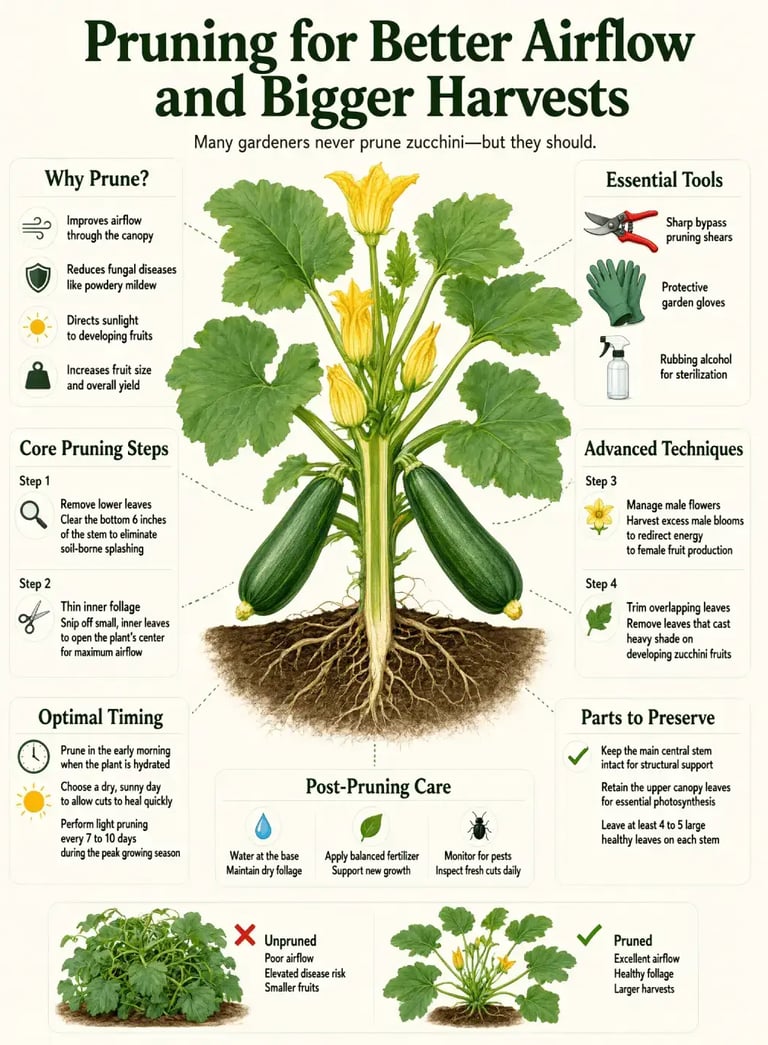
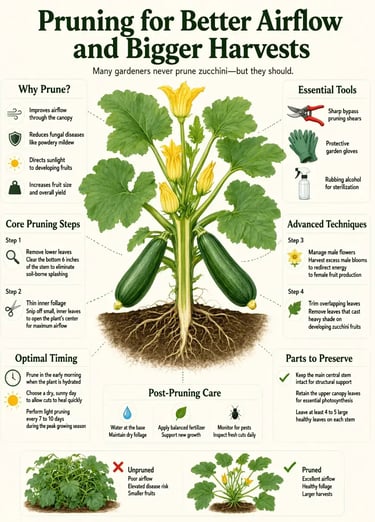
Pruning for Better Airflow and Bigger Harvests
Many gardeners never prune zucchini—but they should.
Strategic pruning improves:
Air circulation
Sunlight penetration
Pollination
Fruit visibility
Remove Old Leaves
Trim leaves that are:
Yellow
Diseased
Touching the ground
Blocking airflow
Remove Damaged Fruit
If you notice misshapen or rotting zucchini, remove them promptly so the plant can redirect energy toward healthy fruit.
Train New Growth
Continue attaching the main stem to your zucchini plant support as it grows.
Soft plant ties are less likely to damage stems than wire or string.
Common Problems and How to Fix Them
Even healthy zucchini can encounter challenges. Here are the most common issues and practical solutions.
Powdery Mildew
This white, powder-like fungus often appears during warm, humid weather.
Prevention Tips
Grow vertically.
Water the soil—not the leaves.
Remove infected foliage.
Maintain proper plant spacing.
Growing upright is one of the easiest ways to prevent powdery mildew on zucchini because improved airflow helps leaves dry faster.
Squash Vine Borers
Symptoms include:
Sudden wilting
Holes in stems
Sawdust-like frass
Prevention
Inspect stems weekly.
Remove larvae if detected early.
Squash Bugs
These pests feed on leaves and stems.
Look for:
Bronze egg clusters
Gray insects under leaves
Hand-picking and regular inspections can help control small infestations.
Poor Pollination
If fruits begin forming but quickly shrivel, poor pollination may be the cause.
Encourage pollinators by planting nearby flowers such as:
Marigolds
Zinnias
Cosmos
Nasturtiums
You can also hand-pollinate flowers using a small paintbrush.
Best Amazon Products for Growing Zucchini Vertically
Below are five useful products that can make vertical zucchini gardening easier and more productive.
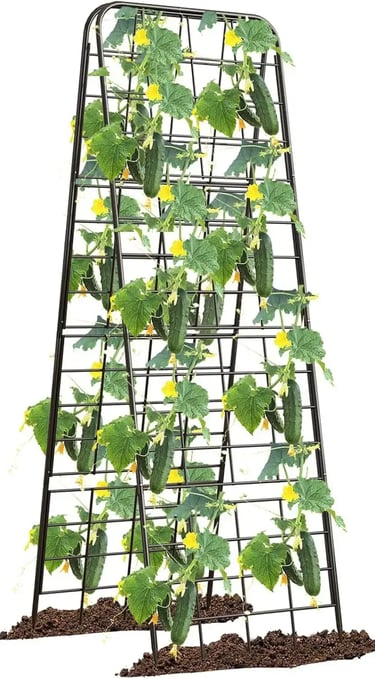
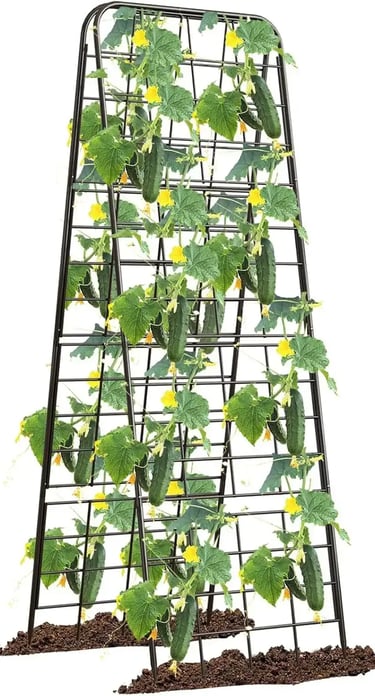
1. Heavy-Duty Garden Trellis
Best For: Large zucchini plants
Pros
Strong steel construction
Supports heavy vines
Weather resistant
Cons
Higher price than bamboo
Requires assembly

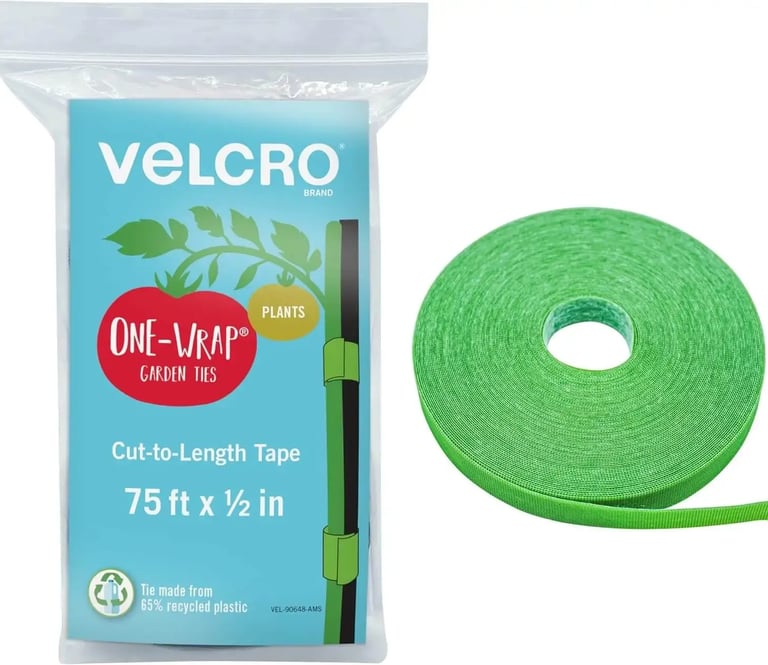
2. Soft Plant Tie Roll
Best For: Securing stems
Pros
Gentle on plants
Reusable
Easy to cut
Cons
May need replacing after several seasons
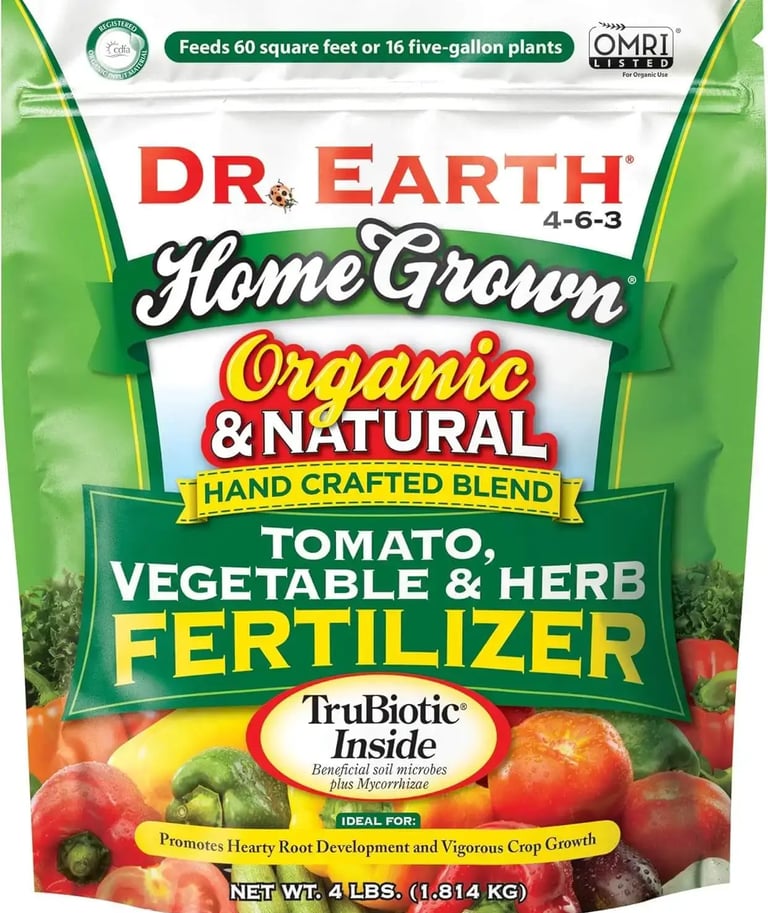
3. Organic Vegetable Fertilizer
Best For: Continuous growth
Pros
Slow-release nutrients
Suitable for edible crops
Improves flowering
Cons
Slightly more expensive than synthetic fertilizers
4. Garden Pruning Shears
Best For: Leaf maintenance
Pros
Sharp stainless steel blades
Comfortable grip
Precise cuts
Cons
Requires occasional sharpening


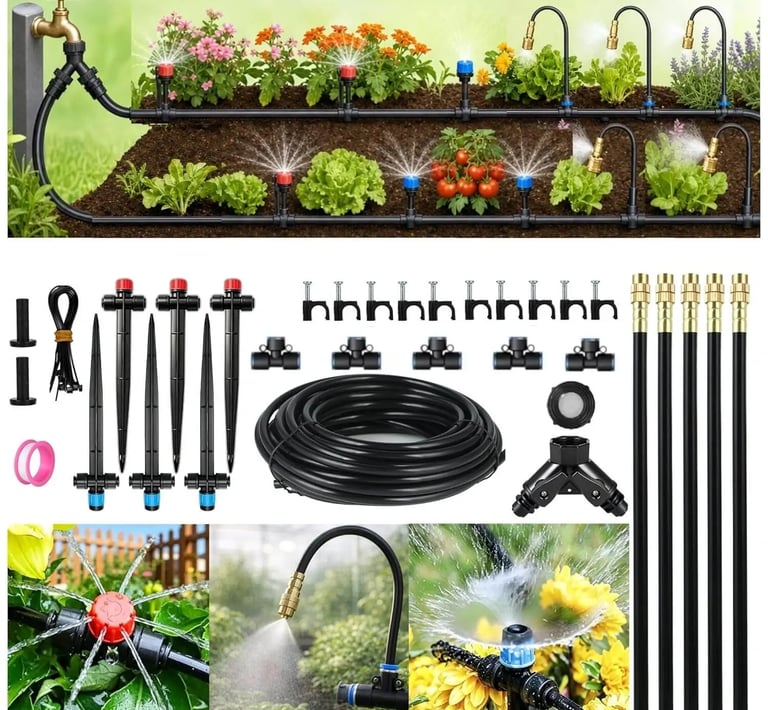
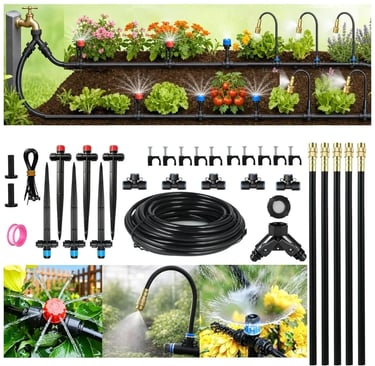
5. Drip Irrigation Kit
Best For: Consistent watering
Pros
Saves water
Reduces leaf moisture
Easy installation
Cons
Initial setup takes time
Affiliate Disclosure
Disclosure: HonestGardener.com participates in the Amazon Services LLC Associates Program. As an Amazon Associate, we earn from qualifying purchases. This comes at no additional cost to you and helps support the creation of free gardening guides.
Frequently Asked Questions
Can zucchini really grow vertically?
Yes. Most bush and semi-vining zucchini varieties grow very well on sturdy trellises or cages when properly supported.
Does growing zucchini vertically increase yield?
It often improves usable harvests because fruits stay cleaner, receive more sunlight, and are easier to harvest before becoming oversized.
What is the best support for zucchini?
Heavy-duty metal trellises, cattle panels, and sturdy wooden A-frames provide excellent support for mature plants.
How tall should a zucchini trellis be?
A trellis between 5 and 6 feet tall is suitable for most home gardens.
Can I grow zucchini vertically in containers?
Absolutely. Choose a large container (at least 15–20 gallons), use quality potting mix, and install a sturdy support at planting time.
Key Takeaways
Growing zucchini vertically saves valuable garden space.
Upright plants receive better airflow, helping reduce fungal diseases.
Strong trellises support healthier vines and cleaner fruits.
Regular pruning improves sunlight penetration and harvest quality.
Consistent watering and fertilization encourage continuous production.
Vertical gardening works well in raised beds, containers, and traditional gardens.
Final Thoughts
Growing zucchini vertically is one of the simplest upgrades you can make to your vegetable garden. Instead of sprawling plants that crowd neighboring crops and invite disease, you'll enjoy tidy vines, healthier foliage, and easy-to-pick zucchini throughout the season.
Whether you're practicing small space vegetable gardening on a patio or managing a large backyard plot, vertical growing helps you use your space more efficiently while reducing common maintenance problems.
With a sturdy trellis, a little weekly care, and timely harvesting, you can enjoy a longer harvest season and healthier plants year after year.
Ready to Grow More in Less Space?
If you've been struggling with sprawling zucchini plants, this season is the perfect time to try vertical growing. Build a sturdy support, train your plants upward, and experience the difference for yourself.
Explore more expert gardening guides, DIY projects, product reviews, and beginner-friendly growing tips at HonestGardener.com, where we're passionate about helping every gardener grow smarter, healthier, and more sustainably.
Want to Know More on Gardening?
Please Read :
Subscribe
Join us for tips and product reviews.
Contact
Affiliate disclaimer
© 2025. All rights reserved.
As an affiliate, we may earn a commission from qualifying purchases. We get commissions for purchases made through links on this website from Amazon and other third parties.