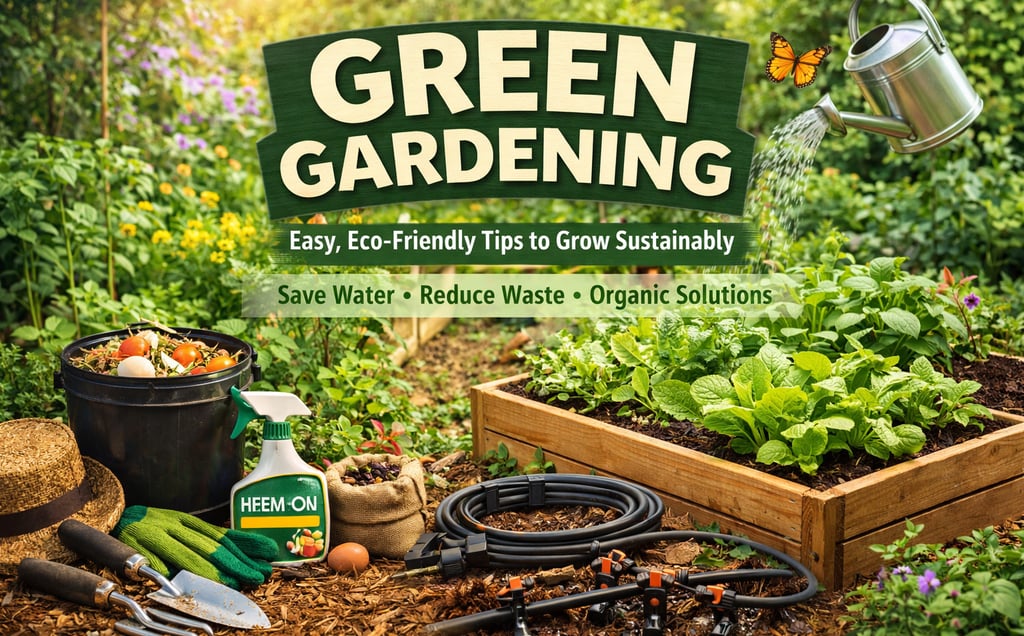
Green Gardening: A Practical Guide to Sustainable, Eco-Friendly Gardening at Home
Learn green gardening techniques to grow eco-friendly plants, save water, reduce waste, and create a sustainable garden at home.
BEGINNER'S GUIDE
3/30/20264 min read
Introduction: The Hidden Problem With “Normal” Gardening
Have you ever noticed that despite watering regularly and using fertilizers, your garden still struggles?
Leaves turn yellow.
Soil dries out quickly.
Pests keep coming back.
The truth is, many traditional gardening methods quietly harm the soil over time. Chemical inputs, overwatering, and poor soil practices create a cycle that’s hard to break.
That’s exactly where green gardening changes everything.
Instead of forcing plants to grow, green gardening focuses on working with nature—saving water, reducing waste, and building a self-sustaining ecosystem.
In this guide, we’ll walk through simple, proven green gardening techniques you can start using today—even if you’re a complete beginner.
What Is Green Gardening?
Green gardening is all about growing plants in a way that is:
Environmentally friendly
Resource-efficient
Sustainable long term
It overlaps with organic gardening but goes a step further by focusing on:
Water conservation
Waste reduction
Eco-friendly tools and materials
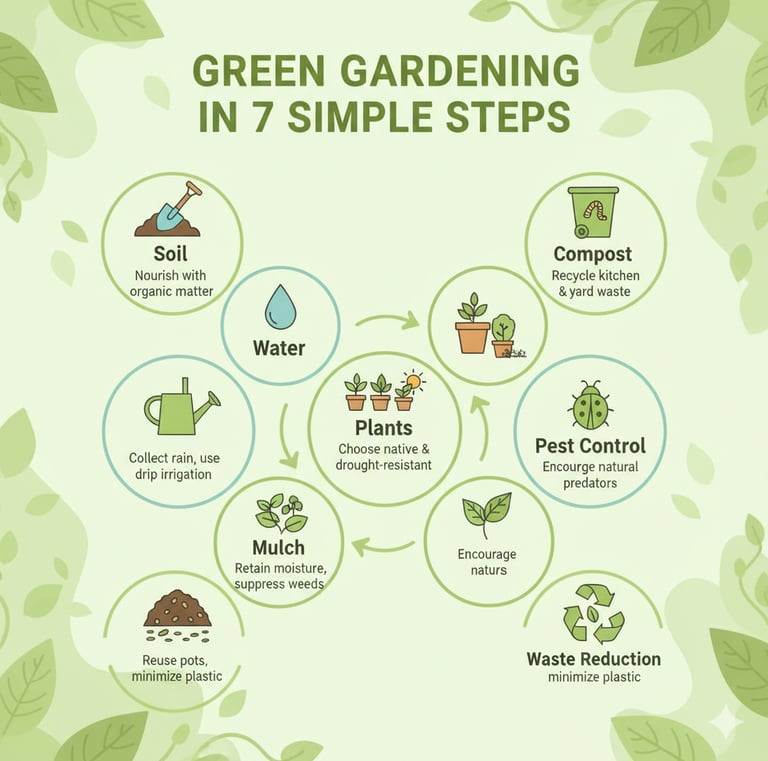
1. Start With Sustainable Soil (The Foundation)
Healthy soil is the heart of green gardening.
If your soil is alive, your plants will thrive naturally—without constant inputs.
Step-by-Step: Build Better Soil
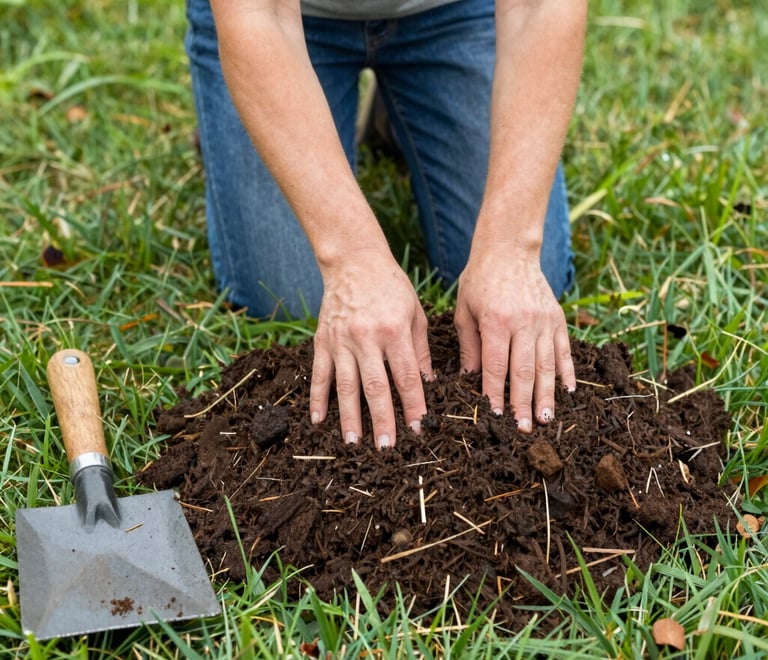
Add compost regularly
Mix in organic matter (leaves, kitchen waste)
Avoid chemical fertilizers
Keep soil covered with mulch
Real-Life Example
A homeowner in Arizona reduced water use by 40% simply by improving soil with compost and mulch.
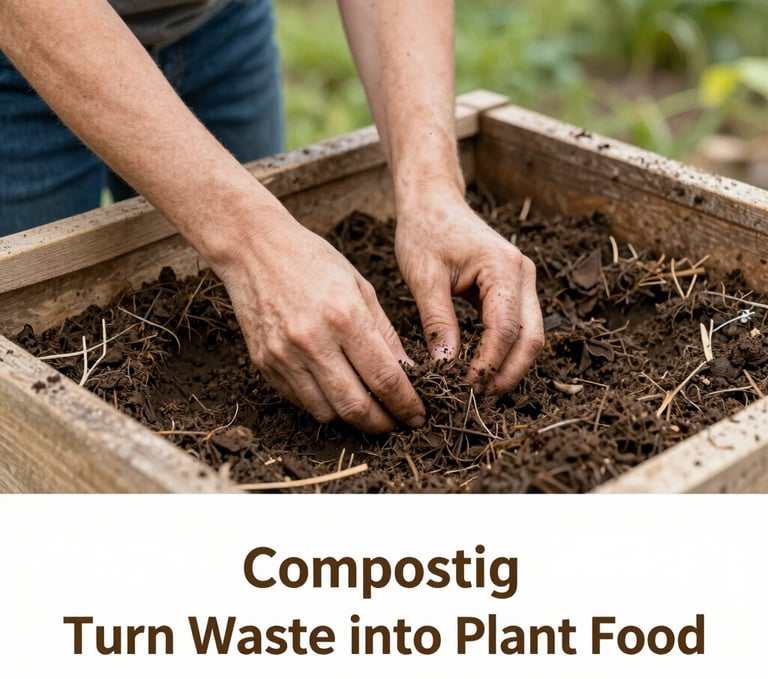
2. Composting: Turn Waste Into Plant Food
Instead of throwing away kitchen scraps, turn them into nutrient-rich compost.
What You Can Compost:
Fruit and vegetable scraps
Coffee grounds
Eggshells
Dry leaves
Why It Matters
According to the United States Department of Agriculture, compost improves soil structure and reduces landfill waste.
Beginner Tip
Start small with a simple compost bin—no need for complex systems.
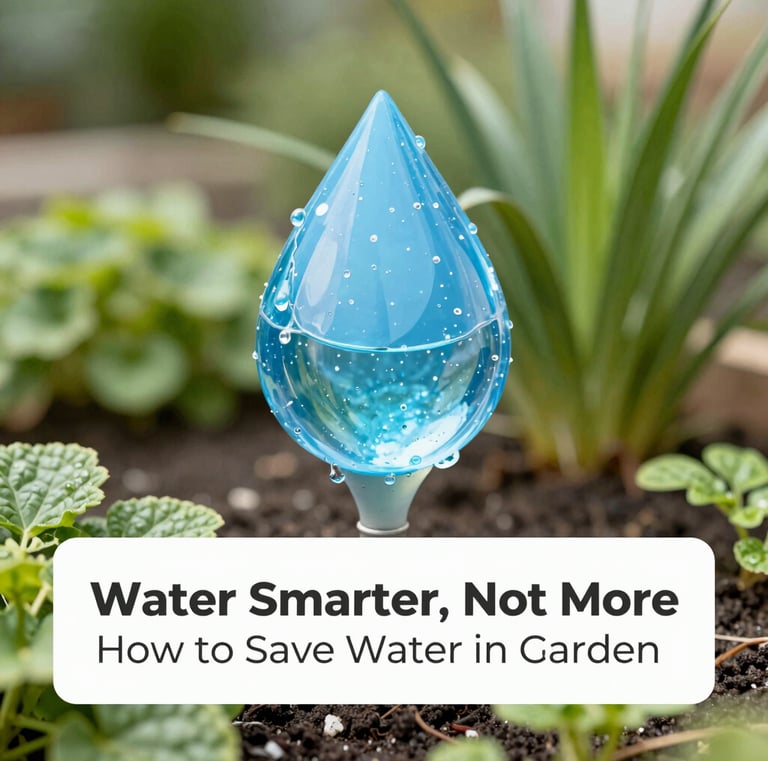
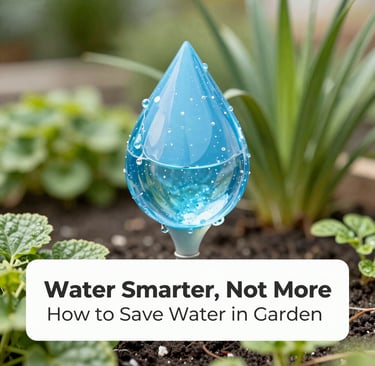
3. Water Smarter, Not More
Water is one of the most wasted resources in gardening.
How to Save Water in Garden
Water early morning
Use drip irrigation
Add mulch to reduce evaporation
Collect rainwater
👉 Studies from University of California Agriculture and Natural Resources show efficient watering improves plant health and reduces waste.
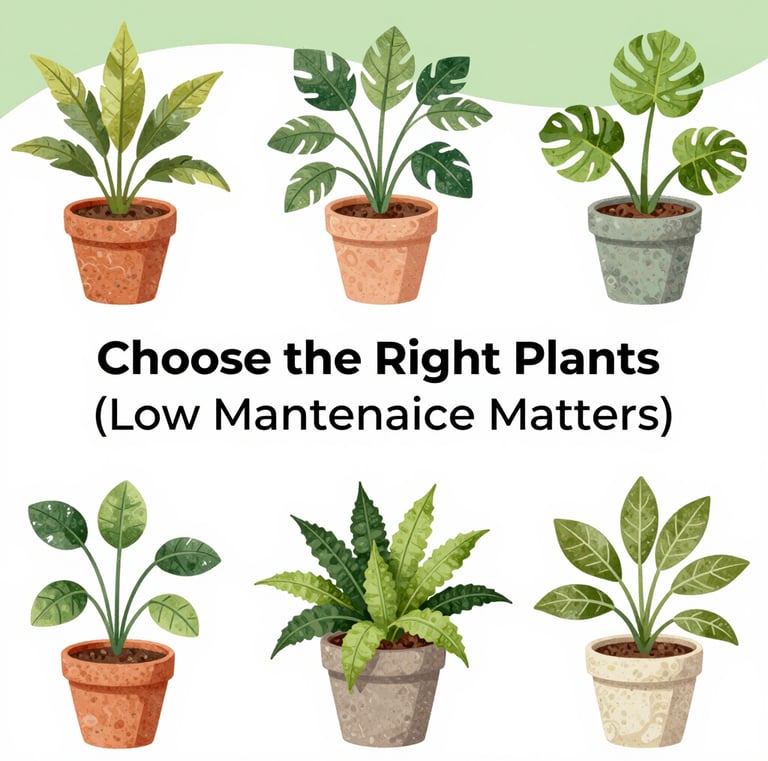
4. Choose the Right Plants (Low Maintenance Matters)
Green gardening isn’t about growing everything—it’s about growing the right things.
Best Choices:
Native plants
Drought-resistant varieties
Seasonal crops
These require:
Less water
Less fertilizer
Less maintenance
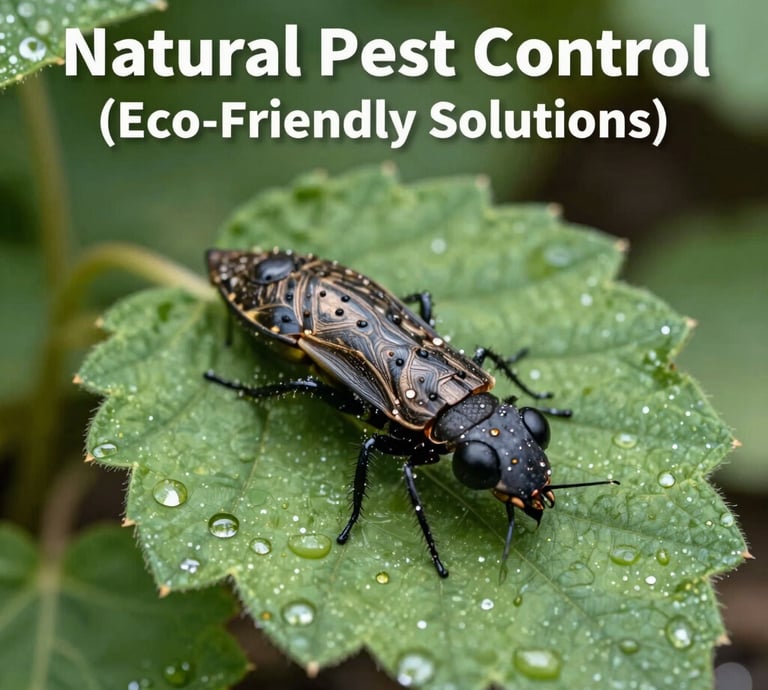
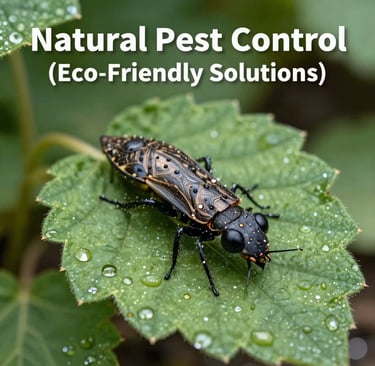
5. Natural Pest Control (Eco-Friendly Solutions)
Avoid harsh chemicals that harm beneficial insects.
Eco Friendly Gardening Tips for Pest Control
Neem oil spray
Companion planting
Hand removal
Encourage ladybugs
Real Scenario
A gardener switched from chemical sprays to neem oil and saw fewer pests within weeks—while attracting pollinators back.
6. Mulching: The Simplest Upgrade
Mulch is one of the easiest ways to improve your garden.
Benefits:
Retains moisture
Suppresses weeds
Improves soil over time
Best Options:
Straw
Wood chips
Grass clippings
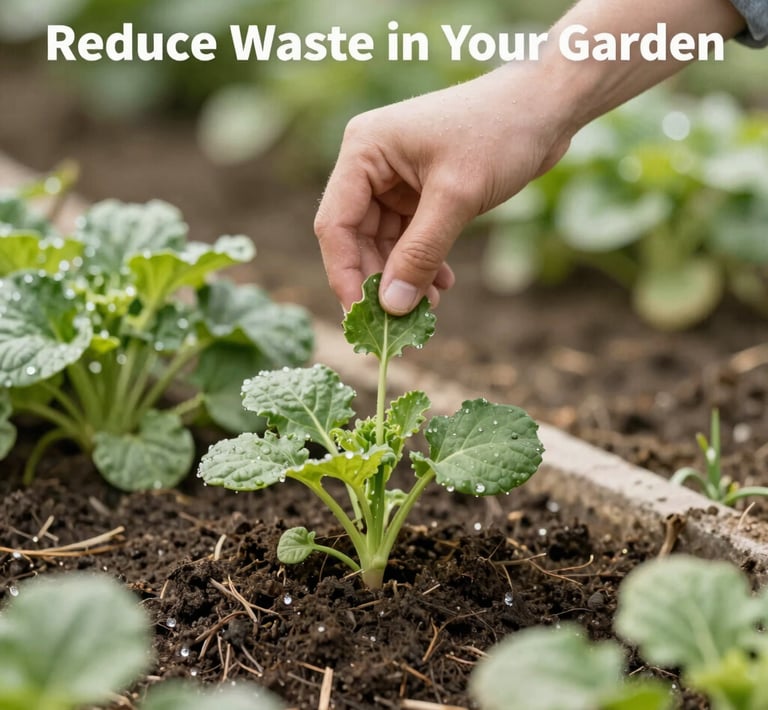
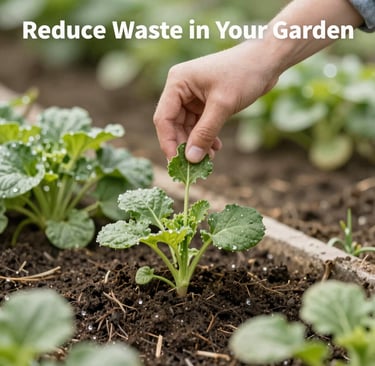
7. Reduce Waste in Your Garden
Green gardening is also about minimizing waste.
Simple Ideas:
Reuse containers as planters
Use fallen leaves as mulch
Compost all organic waste
This approach turns your garden into a closed-loop system.
🛠 Recommended Green Gardening Products
These tools make eco-friendly gardening easier and more effective.
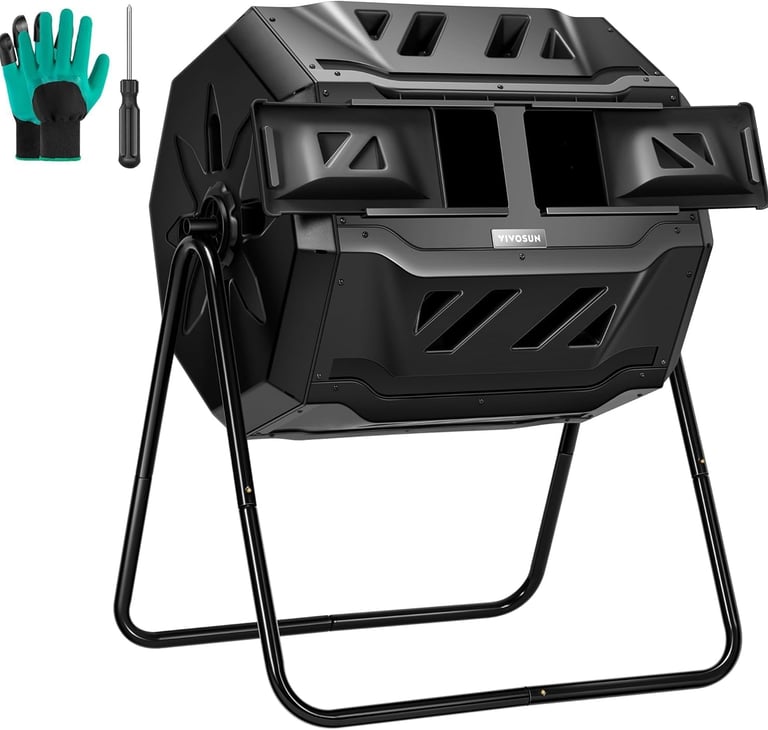
1. Compost Bin
Best For: Organic composting at home
Pros:
✔ Reduces kitchen waste
✔ Improves soil quality
✔ Easy to use
Cons:
✘ Needs maintenance
✘ Takes time
Price Range: $30–$90
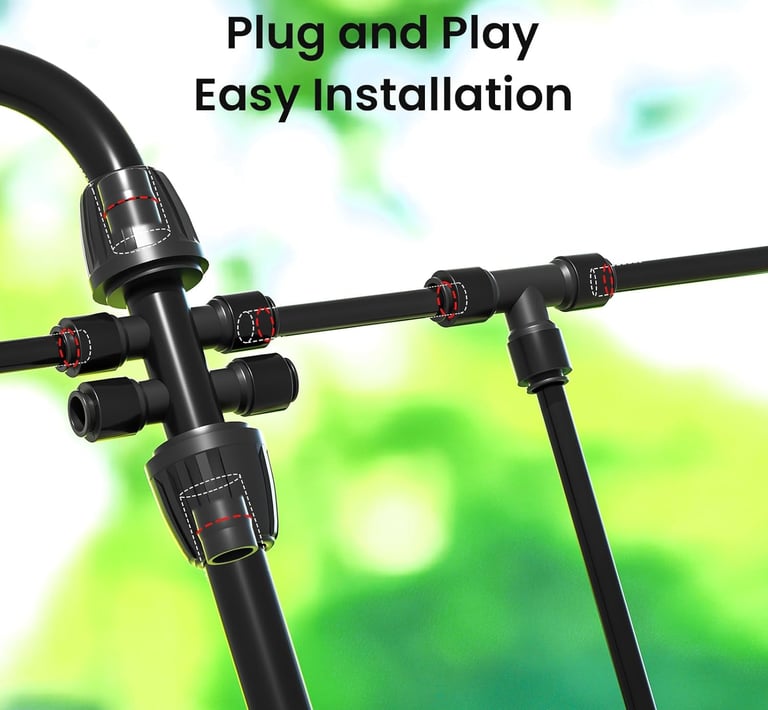
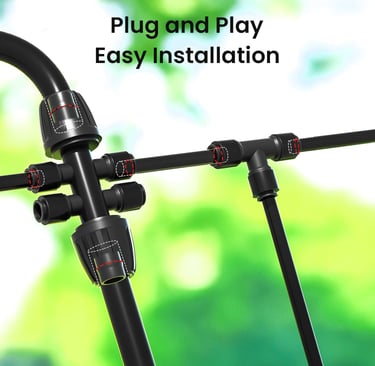
2. Drip Irrigation Kit
Best For: Water-saving gardening
Pros:
✔ Saves water
✔ Delivers moisture directly to roots
✔ Reduces disease
Cons:
✘ Setup required
Price Range: $25–$80
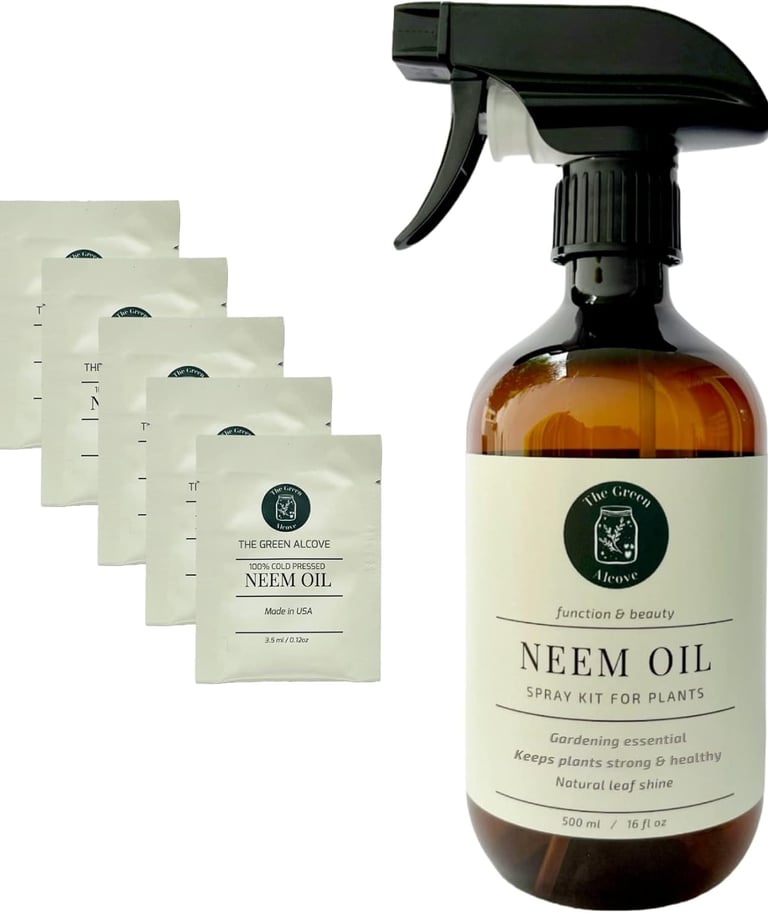
3. Neem Oil Spray
Best For: Natural pest control
Pros:
✔ Organic solution
✔ Safe for plants
✔ Effective
Cons:
✘ Needs repeated use
Price Range: $10–$25
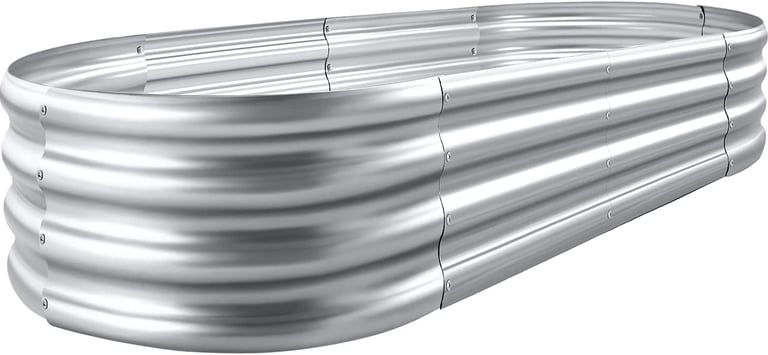
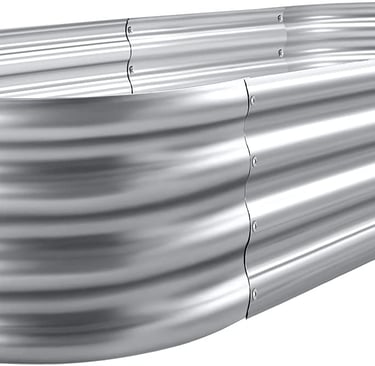
4. Raised Garden Bed Kit
Best For: Sustainable soil control
Pros:
✔ Better drainage
✔ Cleaner gardening
✔ Ideal for beginners
Cons:
✘ Initial cost
Price Range: $60–$200
Affiliate Disclosure
As an Amazon Associate, HonestGardener.com earns from qualifying purchases at no extra cost to you.
Beginner-Friendly Green Gardening Routine
Start simple:
Improve soil with compost
Add mulch
Water efficiently
Choose easy plants
Monitor weekly
Consistency matters more than perfection.
Frequently Asked Questions (FAQ)
What is green gardening?
It’s a sustainable way of gardening that focuses on eco-friendly methods and resource conservation.
Is green gardening expensive?
Not necessarily. It often saves money long term by reducing inputs.
How do I start green gardening at home?
Start with composting, mulching, and efficient watering.
What are the easiest eco friendly gardening tips?
Use mulch, compost kitchen waste, and grow native plants.
Key Takeaways
Healthy soil is the foundation
Compost reduces waste and improves growth
Water efficiency is crucial
Natural pest control works
Small changes make a big impact
Final Thoughts: Grow Smarter, Not Harder
Green gardening isn’t about doing more—it’s about doing things better.
When you work with nature instead of against it, your garden becomes:
Easier to manage
More productive
More enjoyable
Ready to start your green gardening journey?
👉 Begin with one simple step today—composting or mulching—and build from there.
👉 Explore more expert tips on HonestGardener.com and grow sustainably 🌱
Download Free Ebook
Subscribe
Join us for tips and product reviews.
Contact
Affiliate disclaimer
© 2025. All rights reserved.
As an affiliate, we may earn a commission from qualifying purchases. We get commissions for purchases made through links on this website from Amazon and other third parties.