
Garden Layout That Actually Works: How to Plan a Productive Home Garden Without Guesswork
Learn how to design a practical garden layout that saves space, reduces problems, and boosts harvests. Real tips from hands-on experience.
GARDEN DESIGN
12/27/20254 min read

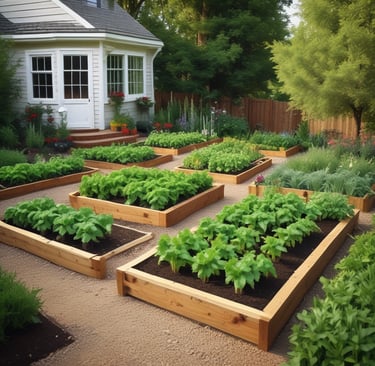
Introduction: Why My Garden Improved After I Changed the Layout
When my garden struggled in the early years, I blamed everything except the real issue. I blamed the soil, the seeds, even the weather. But the biggest problem wasn’t any of those—it was my garden layout.
Plants were crowded. Tall crops blocked sunlight. Walking paths were an afterthought. Every task took longer than it should have, and problems spread fast.
Once I stepped back and redesigned the layout, everything became easier. Plants stayed healthier, pests were easier to manage, and I actually enjoyed being in the garden again.
This guide is based on what I’ve learned from trial and error. If you want a garden layout that works in real life—not just on paper—this is for you.
What a Good Garden Layout Really Means
A good garden layout isn’t about making things look perfect. It’s about making your garden easy to manage.
A functional layout:
Gives plants enough space
Allows good airflow
Makes watering simple
Lets you reach every plant
If any of those are missing, problems show up fast.
Start With Your Space, Not With Plant Lists
One of the most common garden layout mistakes is planning plants before understanding the space.
Before sketching anything, spend time observing:
Where sunlight hits during the day
Where water collects after rain
How much walking room you actually have
Garden Layout for Beginners: Simple Rule
Design your layout around how you move, not just where plants sit.
Sunlight: The Backbone of Every Garden Layout
Sunlight should guide your layout decisions.
Basic Sunlight Guidelines
Most vegetables need 6–8 hours of sun
Tall plants should not shade shorter ones
Morning sun is better than late afternoon sun
What Worked for Me
Placing taller crops (like tomatoes and corn) on the north side prevented them from shading everything else.
Vegetable Garden Layout Ideas That Actually Work
You don’t need a complicated design to be successful.


1. Straight Row Layout
Best for: Larger spaces
Pros: Easy to plant and maintain
Cons: Less efficient use of space
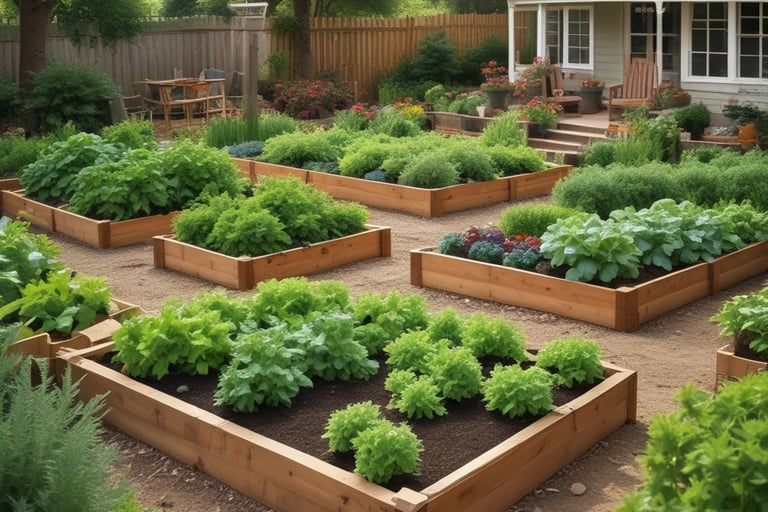
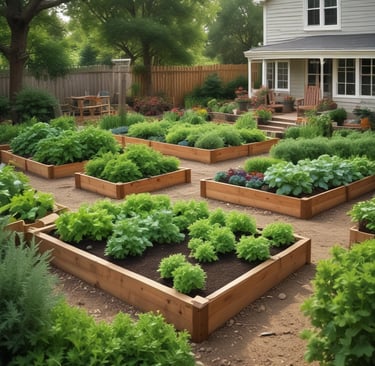
2. Raised Bed Garden Layout
Best for: Beginners and poor soil
Pros: Better drainage, fewer weeds
Cons: Higher upfront cost
Helpful tool:
✔️ Modular raised garden beds


3. Block or Grid Layout
Best for: Small gardens
Pros: Maximizes space
Cons: Requires planning


4. Container-Based Layout
Best for: Patios and balconies
Pros: Flexible and movable
Cons: Needs more watering
Small Garden Layout Planning: Making Limited Space Work
Small gardens don’t have to mean small harvests.
Tips for Small Spaces
Grow upward (trellises)
Use containers along edges
Choose compact plant varieties
Helpful tool:
✔️ Garden trellis or plant support system
Raised Bed Garden Layout: What I’d Do Differently
When I first built raised beds, I placed them too close together. I learned quickly.
Ideal Raised Bed Spacing
18–24 inches between beds
Wider paths if using wheelbarrows
Orientation Matters
Beds should run north to south when possible to maximize sunlight.
Garden Path Planning: Don’t Skip This
Paths aren’t wasted space—they’re essential.
Good paths:
Prevent soil compaction
Make harvesting easier
Reduce plant damage
I prefer:
Mulch paths
Gravel for permanent walkways
Helpful tool:
✔️ Landscape fabric or mulch
Common Garden Layout Mistakes (And How to Fix Them)
Mistake #1: Overcrowding Plants
Fix: Follow spacing recommendations—even if it feels wrong.
Mistake #2: No Access to Plants
Fix: Make sure you can reach every plant without stepping on soil.
Mistake #3: Ignoring Airflow
Fix: Space plants to allow breeze through leaves.
Mistake #4: Poor Water Access
Fix: Plan layout around hose or irrigation lines.
Watering and Irrigation: Layout Matters More Than You Think
Watering becomes frustrating if the layout ignores it.
Layout Tips for Easier Watering
Group plants with similar water needs
Place thirsty plants closer to water source
Use drip irrigation for efficiency
Helpful tool:
✔️ Drip irrigation kit
Companion Planting and Layout Go Hand in Hand
Some plants help each other—if placed correctly.
Examples:
Basil near tomatoes
Marigolds along bed edges
Lettuce as ground cover
Layout determines whether companion planting actually works.
Seasonal Flexibility: Design for Change
Gardens change every season. Your layout should allow that.
What helps:
Modular raised beds
Movable containers
Open areas for crop rotation
Avoid locking yourself into a layout that can’t adapt.
Tools That Help With Garden Layout Planning
These made planning easier for me:
✔️ Garden planner notebook
✔️ Measuring tape
✔️ String and stakes
✔️ Plant markers
Simple tools beat complicated apps.
Garden Layout for Beginners: A Simple Starting Plan
If you’re overwhelmed, try this:
Choose the sunniest spot
Start with 2–3 raised beds or rows
Leave wide paths
Plant easy crops
Expand later.
Frequently Asked Questions (FAQ)
What is the best garden layout for beginners?
Raised beds or simple block layouts are easiest to manage.
How much space should I leave between plants?
Follow plant spacing guidelines. Overcrowding causes disease.
Can I change my garden layout every year?
Yes, and it’s often beneficial for crop rotation.
Is a raised bed layout better than rows?
For many home gardeners, yes—especially with poor soil.
How do I plan a garden layout for a small yard?
Use vertical space, containers, and compact varieties.
Final Thoughts: A Good Garden Layout Makes Everything Easier
Once I fixed my garden layout, everything else became simpler—watering, pest control, harvesting, even enjoying time outside.
A good layout won’t make you a perfect gardener, but it will prevent many problems before they start.
Start simple. Observe what works. Adjust each season.
That’s how real gardens—and gardeners—grow.
Want to Know More on Gardening?
Please Read :
Subscribe
Join us for tips and product reviews.
Contact
Affiliate disclaimer
© 2025. All rights reserved.
As an affiliate, we may earn a commission from qualifying purchases. We get commissions for purchases made through links on this website from Amazon and other third parties.