
Formal Garden Design: How to Create a Timeless, Elegant Landscape for Any Home
Discover timeless formal garden design ideas with elegant layouts, symmetry, focal points, and plant choices. Create a classic, low-maintenance formal garden easily.
GARDEN DESIGN
12/2/20255 min read

Introduction: Why Formal Gardens Never Go Out of Style
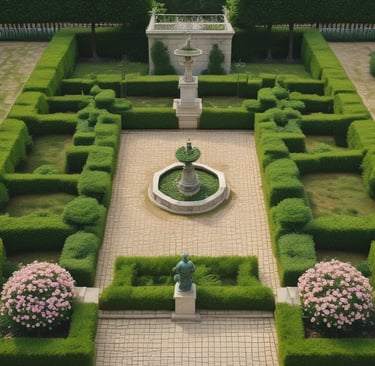
Formal garden design has captivated gardeners for centuries. From the royal gardens of France to the classic English estates, formal gardens are known for their symmetry, tidy edges, geometric shapes, and structured elegance. The beauty lies in the balance—every line, path, and plant is intentionally placed to create order and visual harmony.
You don’t need a castle or massive estate to enjoy formal landscape design. In fact, many modern homeowners are creating simple formal garden layouts in small backyards, courtyards, and even narrow side gardens. With the right planning and a few low-maintenance plant choices, you can transform any outdoor space into a peaceful, classic, and beautifully organized garden.
This comprehensive guide will teach you everything you need to know about designing a formal garden—from layout planning to plant choices, hardscape ideas, and practical tools (with helpful Amazon recommendations).
🌿 What Is Formal Garden Design?
Formal garden design is a classic landscaping style characterized by:
Symmetry and balance
Straight lines and geometric shapes
Neatly trimmed hedges
Focal points (statues, fountains, urns, pathways)
Repetition of shapes and plants
Defined borders and clean edges
This style originated in Europe, especially through formal English garden design and French Renaissance landscaping. The goal is to create order and elegance through structure.
Unlike cottage gardens or wild landscapes, formal gardens aim for controlled beauty.
🏛 Key Elements of Formal Landscape Design
1. Symmetry and Balance
Symmetry is the hallmark of any formal garden. That means:
Matching plantings on each side of a path
Mirrored flower beds
Twin urns placed at entrances
Balanced borders
If one side has a tall shrub, the opposite side should match in height and shape.
2. Geometric Shapes
Formal gardens often rely on shapes such as:
Squares
Circles
Rectangles
Triangles
Straight corridors
Perfectly shaped hedges and topiary
These shapes guide the eye and set the tone for the garden’s orderliness.
3. Defined Pathways
Wide, clean pathways create structure and guide movement.
Popular materials include:
Gravel
Brick
Natural stone
Pavers
Concrete stepping-stones
Pathways act as the “bones” of the formal garden layout, dividing your garden into organized sections.
4. Focal Points
Every formal garden needs a visual anchor.
Common focal points include:
A statue
A fountain
A sundial
A birdbath
A large urn
A trimmed evergreen tree
A seating bench
Placing your focal point at the end of a pathway creates classic elegance.
5. Repetition
Repeating the same plant groups, shapes, and hedges builds cohesion.
Examples:
Multiple boxwood spheres
Repeated rows of lavender
Matching flower beds
Symmetrical pathways on both sides
Repetition creates rhythm and makes your garden feel intentional.

🌱 How to Create a Formal Garden Layout (Step by Step)
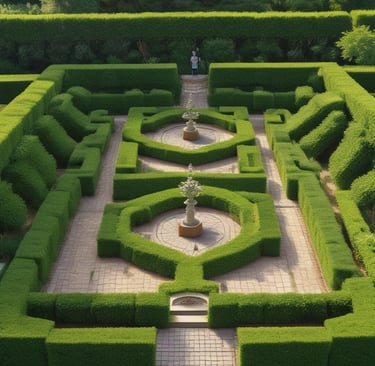
Designing a formal garden may look complex, but it simply follows a clear pattern: symmetry + geometry + structure.
Let’s break it down.
Step 1: Measure and Sketch Your Space
Draw your garden on paper or use a digital planner.
Mark areas for:
Main walkway
Side paths
Flower beds
Borders
Focal point location
Seating
Even a simple formal garden layout can follow a clean rectangle divided into four equal sections.
Step 2: Establish Your Central Axis
The “axis” is the main straight line that runs through the garden.
This could be:
A long path
A view corridor
A symmetrical row of hedges
At the end of this line, place your focal point.
Step 3: Add Secondary Paths
Create smaller paths that divide your garden into geometric sections.
Common designs:
Cross-shaped layout
Four square garden (“quatrefoil”)
Grid-style beds
Circular center with radiating lines
Step 6: Choose Plants That Fit the Formal Garden Style
🌸 Popular Formal Garden Plants
Boxwood (for structure)
Roses (especially white, pink, and red)
Lavender
Hydrangea
Rosemary
Ornamental grasses (small clipped varieties)
Evergreen shrubs
🌿 Plants for Accent
Cone-shaped yews
Spiral junipers
Standard rose trees
Decorative topiary balls
🌻 Flower Choices
Focus on elegant color schemes:
white + purple
pink + green
soft pastels
all-green architectural gardens
Avoid overly wild or mixed-color planting—formal gardens focus on order.
🌷 Simple Formal Garden Layout for Beginners
You can create this design in any small backyard:
✔ Rectangle garden bed
✔ Central path leading to a small fountain
✔ Boxwood edging on both sides
✔ Lavender rows in repeated spacing
✔ Two symmetrical pots at the garden entrance
✔ Bench placed as a secondary focal point
This layout is low-maintenance, budget-friendly, and perfect for beginners.
Tools and Accessories for Formal Garden Style
1. Edward Tools Heavy Duty Garden Shears
Ideal for: trimming hedges, topiary, and maintaining clean plant edges.
Pros: sharp, durable, comfortable grip
Cons: may require sharpening over time
2. Flexzilla Garden Hose with SwivelGrip
Ideal for: clean watering without tangles—great for symmetrical beds.
Pros: super flexible, long-lasting
Cons: heavier than cheap hoses
3. Metal Garden Edging
Creates crisp borders essential for formal designs.
Pros: strong, rust-resistant
Cons: installation requires a rubber mallet
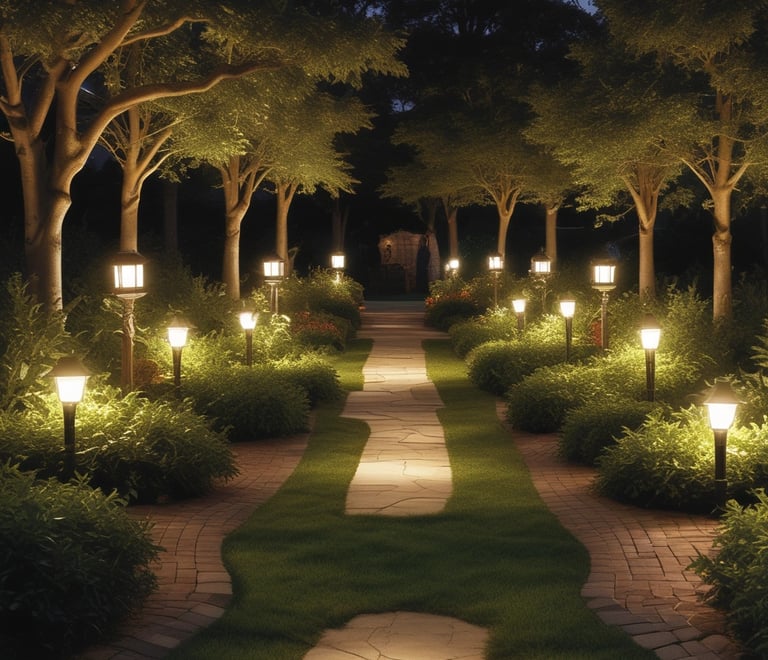
4. Solar Pathway Lights
Adds elegance along pathways.
Pros: bright and energy efficient
Cons: may dim in cloudy climates
5. Classic Cast Stone Urn Planter
A centerpiece that elevates the formal garden instantly.
Pros: beautiful, timeless
Cons: heavy and hard to move once placed
🌞 Lighting Ideas for Formal Gardens
Lighting enhances symmetry and highlights structure.
Best options:
Solar path lights
Uplighting on hedges
Lantern-style posts
Lit fountains
Warm white LEDs
Avoid colorful lighting—it distracts from the formal theme.
💧 Water Features That Fit Formal Garden Style
Great choices include:
Tiered fountains
Ornamental basins
Classic lion-head wall fountains
Circular ponds with stone borders
Water adds movement and sound, balancing the rigid lines of the garden.
🌿 Maintaining a Formal Garden: Tips for Long-Term Success
🔹 1. Regular Trimming
At least every 4–6 weeks during growing season.
🔹 2. Fertilize Strategically
Use slow-release fertilizer twice a year.
🔹 3. Keep Borders Clean
Remove weeds quickly to maintain clean lines.
🔹 4. Refresh Mulch
Apply fresh mulch every spring and fall.
🔹 5. Stick to the Style
Avoid planting random species that break symmetry.
🌸 Common Problems & Solutions in Formal Gardens
❗Problem: Hedges becoming uneven
✔ Solution: Use a string line when trimming.
❗Problem: Pathways getting muddy
✔ Solution: Add a gravel base + landscape fabric.
❗Problem: Inconsistent symmetry
✔ Solution: Measure spacing between each plant before planting.
❗Problem: Roses getting pests
✔ Solution: Neem oil + pruning for airflow.
❗Problem: Plants growing too large
✔ Solution: Choose dwarf varieties for small spaces.
🍃 Formal English Garden Design vs. Modern Formal Gardens
Formal English Garden Design Features:
Roses
Hedges
Brick pathways
Herbaceous borders
Classic statues
Modern Formal Garden Style Features:
Clean lines
Minimal plants
Gray/white stone
Sleek planters
You can mix both for a contemporary twist.
🌿 Budget-Friendly Tips for Creating a Formal Garden
Use gravel instead of stone pavers
Start with small boxwoods—they grow fast
Choose solar lights instead of wired lighting
DIY edging with bricks or stones
Repurpose old garden benches
Formal gardens look expensive but can be created affordably.
🌳 Conclusion: Bring Timeless Elegance to Your Garden
Formal garden design is a beautiful blend of structure, symmetry, and style. Whether you want a classic English-inspired garden or a simple, low-maintenance layout, the principles remain the same—balance, repetition, clean lines, and intentional plant choices.
With the right layout, plants, and a few helpful tools, you can transform your backyard into a refined sanctuary that feels peaceful, organized, and elegant all year long.
Want to Know More on Gardening?
Please Read :
Small Yard Garden Design Ideas for Urban Homes (USA 2025 Guide)
Garden Scaping: Transform Your Outdoor Space with Smart Design & Practical Ideas
Subscribe
Join us for tips and product reviews.
Contact
Affiliate disclaimer
© 2025. All rights reserved.
As an affiliate, we may earn a commission from qualifying purchases. We get commissions for purchases made through links on this website from Amazon and other third parties.