
Do Maple Tree Branches Grow Back? How to Save a Damaged Tree
Do maple tree branches grow back? Learn how to save damaged maple trees with pruning, care tips, and recovery methods.
OUTDOOR GARDENING
5/18/20266 min read
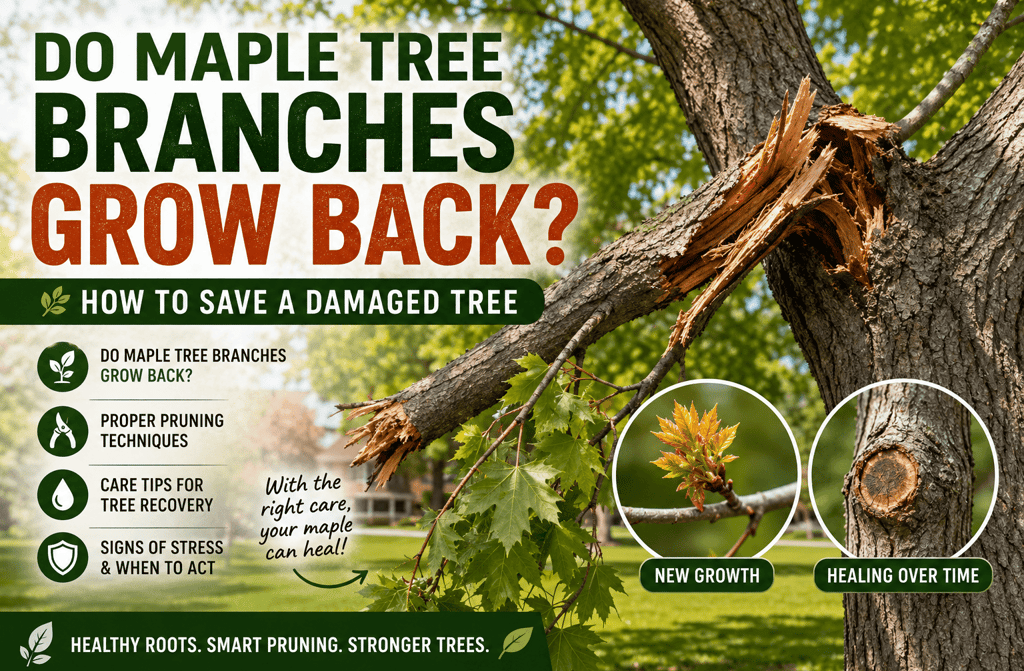
A storm just passed. You walk outside and notice broken maple tree branches scattered across the yard.
Suddenly, questions start racing through your mind:
Will the branches grow back? Is my tree dying? Did I prune too much?
If you’re dealing with a damaged maple tree, don’t panic.
The good news is that maple trees are incredibly resilient when cared for properly. In many cases, they can recover from broken limbs, storm damage, or even heavy pruning.
In this complete guide, you’ll learn:
Whether maple tree branches grow back
How maple trees heal after damage
Best pruning practices
Common mistakes to avoid
How to help a stressed maple tree recover
Signs your tree may not survive
Whether you’re a beginner gardener or a homeowner protecting mature trees, this guide will help you save your maple tree the right way.
Do Maple Tree Branches Grow Back?
The short answer is: yes and no.
A broken maple tree branch itself will not magically reconnect or regrow from the exact same broken piece.
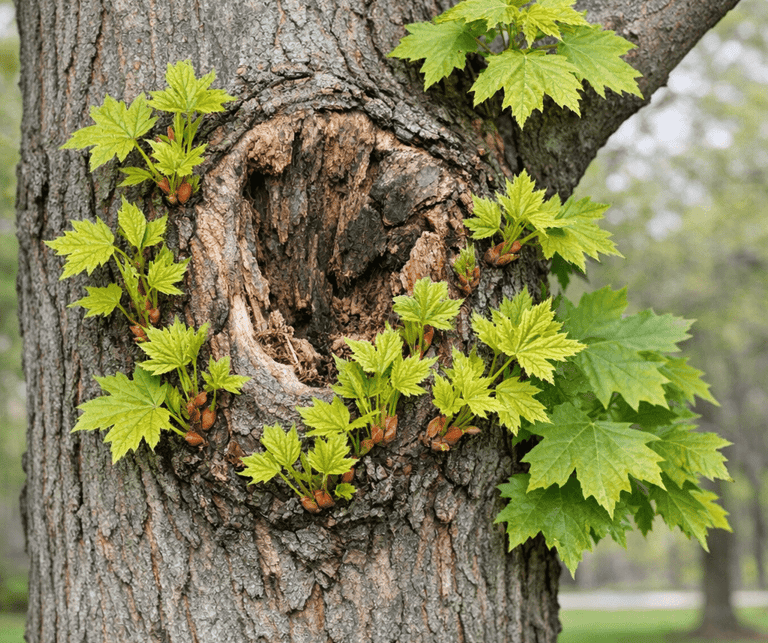
However, maple trees can produce:
New shoots
Side branches
Fresh canopy growth
Replacement limbs over time
How Maple Trees Recover
Maple trees recover by redirecting energy to nearby healthy branches and dormant buds.
If the damage isn’t severe, the tree often develops new growth around the injured area within one or two growing seasons.
Important Truth
The larger the broken branch, the longer recovery takes.
A small cracked limb may recover quickly, while losing a major trunk branch can permanently affect the tree’s shape.
How Maple Trees Heal After Damage
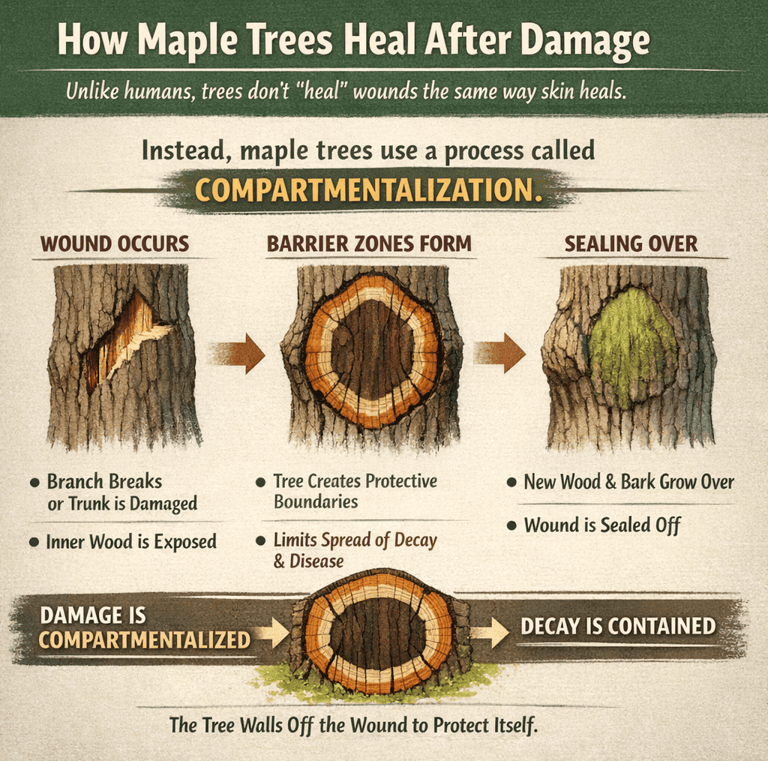
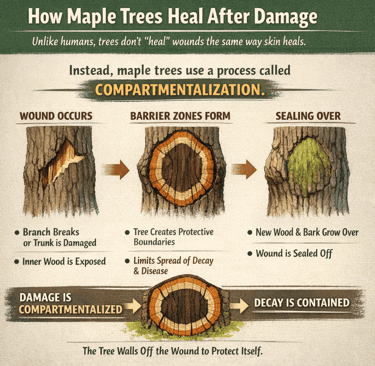
Unlike humans, trees don’t “heal” wounds the same way skin heals.
Instead, maple trees use a process called compartmentalization.
What Happens After a Branch Breaks?
The tree:
Seals damaged tissue
Prevents decay from spreading
Creates protective wood around the wound
Produces new growth nearby
According to USDA Forest Service, healthy trees can naturally isolate damaged areas to reduce infection risk.
Beginner Tip
Never use paint or tar on broken maple branches unless specifically recommended by an arborist.
Modern tree experts and university studies show wound sealers usually do more harm than good.
The University of Maryland Extension also advises allowing pruning wounds to seal naturally.
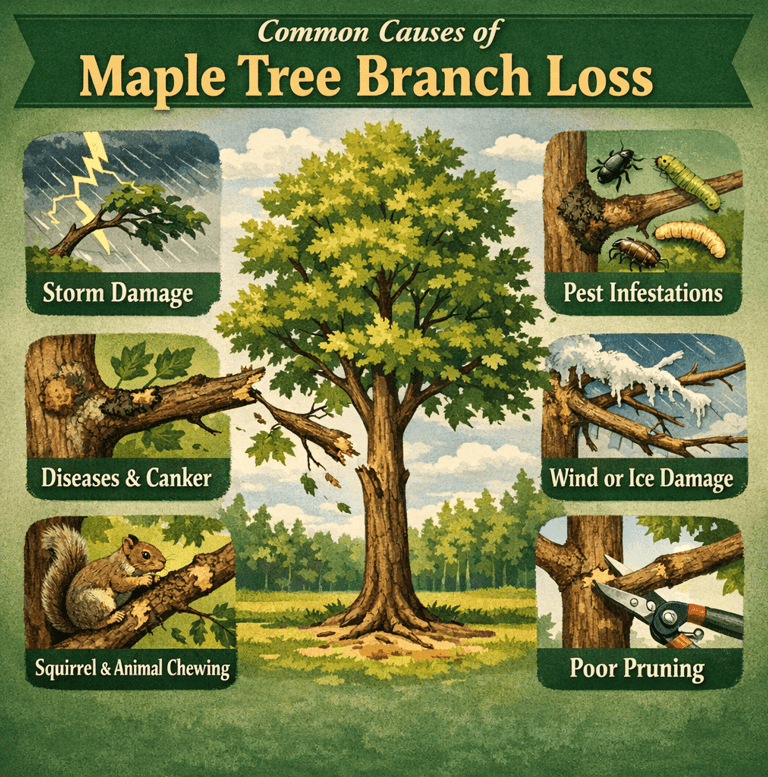
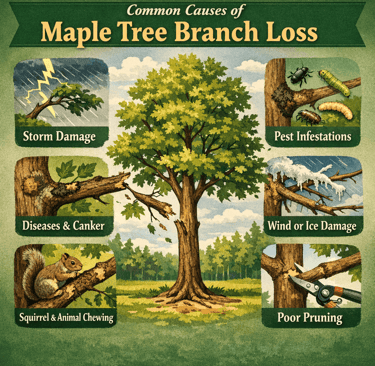
Common Causes of Maple Tree Branch Loss
Maple trees are strong, but several problems can cause limbs to snap or die.
1. Storm Damage
Heavy rain, snow, and wind are among the biggest causes of broken maple limbs.
Real-Life Scenario
A homeowner in Michigan lost half the canopy of a silver maple after an ice storm. With proper pruning and watering, the tree produced healthy replacement shoots within two years.
2. Over-Pruning
Removing too many branches at once weakens the tree.
Experts recommend removing no more than 25% of the canopy per season.
3. Disease
Diseases like:
Verticillium wilt
Anthracnose
Root rot
can weaken branches and lead to dieback.
4. Old Age
Older maple trees naturally lose weaker limbs over time.
5. Heavy Snow or Ice
Wet snow becomes surprisingly heavy and can crack large branches.
Step-by-Step: How to Save a Damaged Maple Tree
If your maple tree lost branches recently, follow these steps carefully.
Step 1: Inspect the Damage
Look for:
Split bark
Hanging branches
Cracks near the trunk
Exposed wood
Fungal growth
Warning Sign
If more than 50% of the canopy is destroyed, the tree may struggle to survive.
Step 2: Remove Broken Branches Properly
Use clean pruning tools to cut damaged limbs.
Proper Pruning Method
Cut:
Just outside the branch collar
At a slight angle
Without tearing bark
Beginner Tip
Never leave jagged stubs behind. They invite pests and disease.
Step 3: Water Deeply
Damaged maple trees need extra support.
Water deeply once or twice weekly during dry weather.
Why It Matters
Deep watering helps roots recover and supports new branch growth.
Step 4: Add Mulch
Mulch helps retain moisture and regulate soil temperature.
Best Mulch Types
Shredded bark
Wood chips
Leaf mulch
Spread mulch:
2–3 inches deep
Around the root zone
Away from the trunk
Step 5: Avoid Fertilizing Immediately
Many people fertilize stressed trees too soon.
This can actually increase stress.
Wait until the next growing season unless a soil test recommends feeding.
The University of Minnesota Extension recommends focusing on watering and root health first.
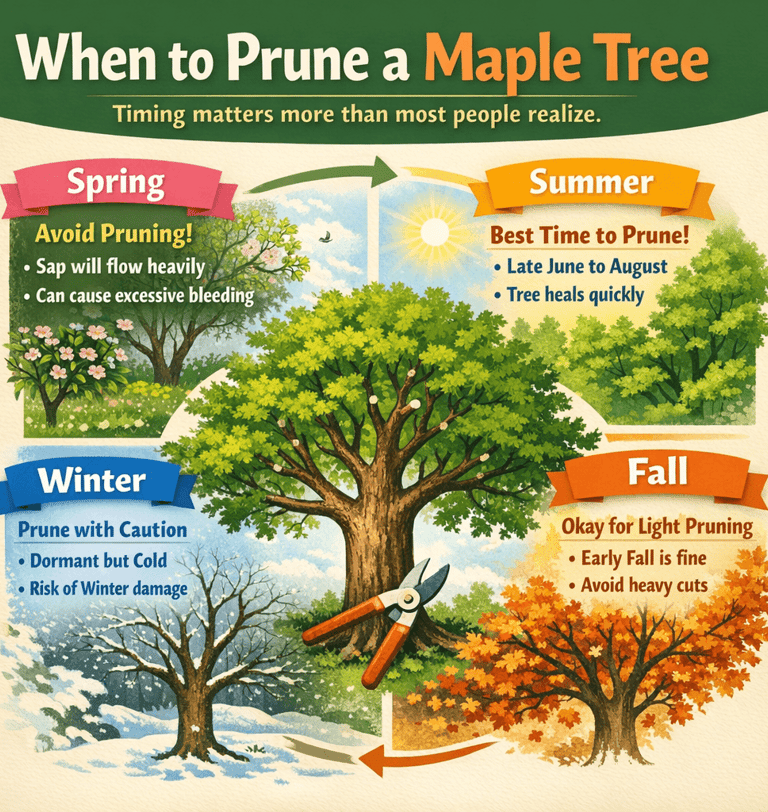
When to Prune a Maple Tree
Timing matters more than most people realize.
Best Time to Prune Maple Trees
Late summer or early fall is often ideal.
Why?
Maple trees “bleed” sap heavily during late winter and early spring pruning.
Avoid Pruning During:
Extreme heat
Drought stress
Freezing weather
Signs Your Maple Tree Is Recovering
A recovering maple tree usually shows:
Fresh leaf growth
New buds
Healthy bark
Strong branch tips
Vibrant foliage color
Good Sign
Small shoots forming near damaged areas often mean the tree is redirecting energy successfully.
Signs Your Maple Tree May Be Dying
Unfortunately, not all maple trees survive severe damage.
Warning Signs
Large dead canopy sections
Mushrooms near roots
Bark falling off
Hollow trunk sounds
No spring leaf growth
Major trunk splits
Call an Arborist If:
The trunk splits deeply
Large limbs hang dangerously
Roots become exposed
The tree leans suddenly
Common Maple Tree Pruning Mistakes
Topping the Tree
Topping destroys natural structure and causes weak regrowth.
Never remove the entire top canopy.
Over-Pruning
Too many cuts stress the tree.
Remember the 25% rule.
Using Dirty Tools
Dirty tools spread disease between trees.
Always disinfect tools before pruning.
Cutting Too Close to the Trunk
This damages the branch collar and slows healing.
Beginner Maple Tree Care Tips
Keep Grass Away from the Base
Grass competes with roots for water and nutrients.
Protect Roots
Avoid parking vehicles or heavy equipment near the tree.
Compacted soil damages roots.
Inspect After Storms
Early pruning prevents further cracking and decay.
Best Amazon Products for Maple Tree Recovery
Affiliate Disclosure
This article may contain affiliate links. HonestGardener.com may earn a commission from qualifying purchases at no additional cost to you.
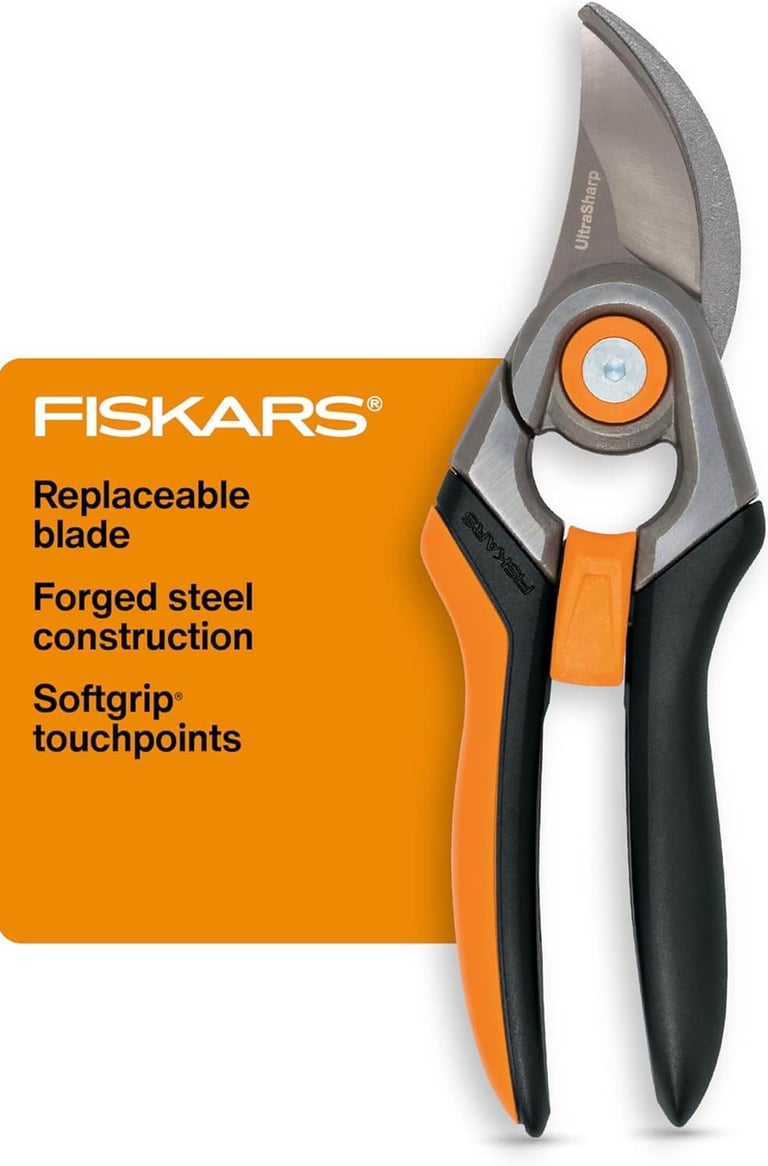
1. Fiskars Bypass Pruning Shears
Pros
Sharp blades
Comfortable grip
Easy for beginners
Cons
Not ideal for thick limbs
Price Range
$15–$30
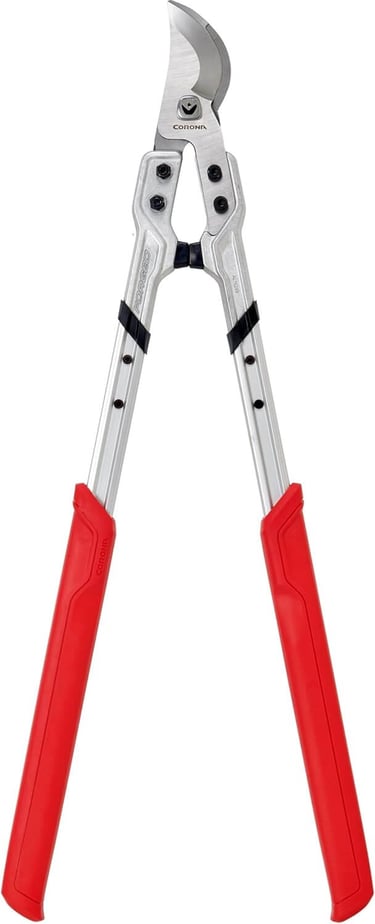
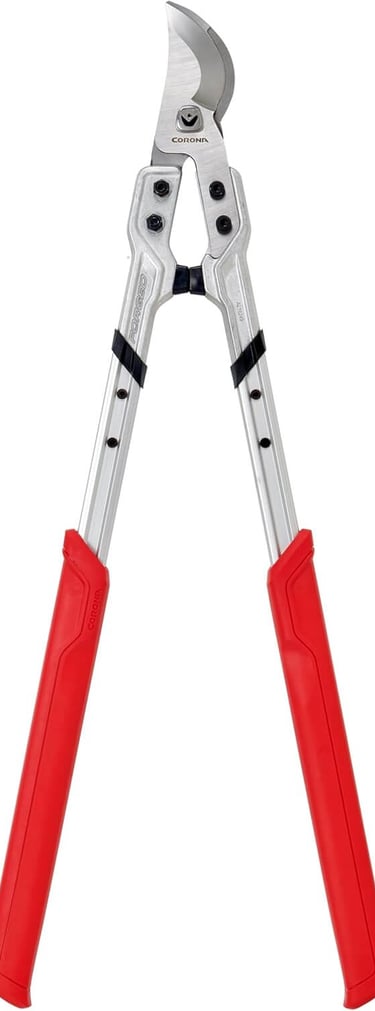
2. Corona Extendable Tree Pruner
Pros
Reaches tall branches
Reduces ladder use
Durable build
Cons
Slightly heavy
Price Range
$40–$90


3. Organic Wood Mulch
Pros
Retains moisture
Protects roots
Improves soil
Cons
Needs replacement over time
Price Range
$10–$25
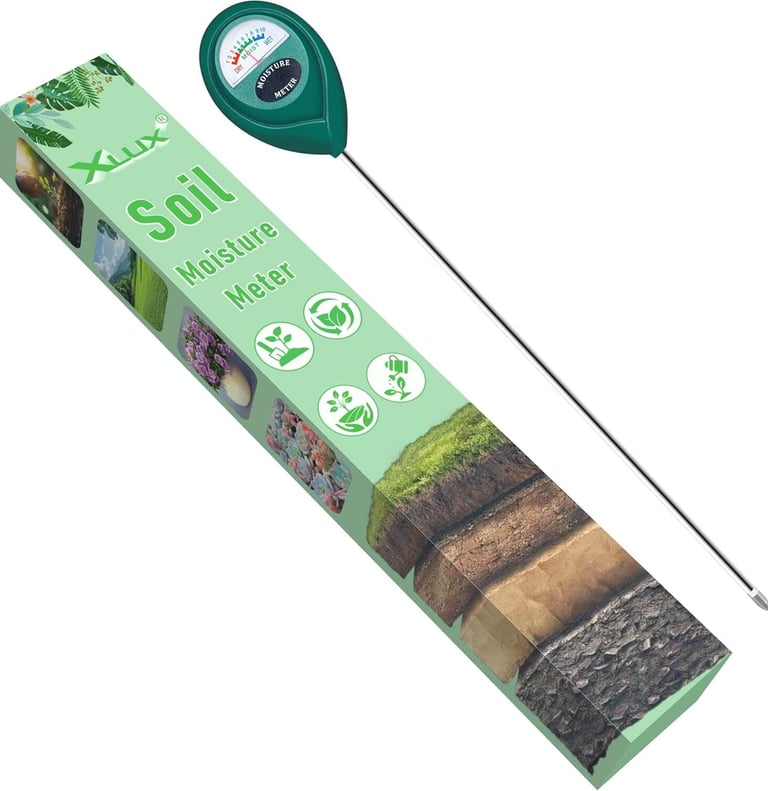
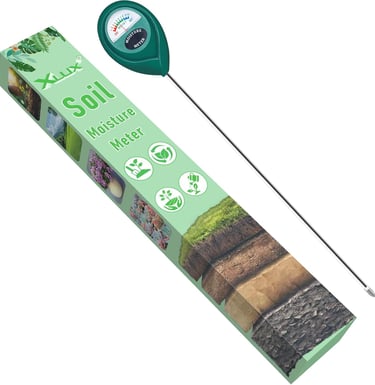
4. Soil Moisture Meter
Pros
Prevents overwatering
Beginner-friendly
No batteries needed
Cons
Basic models less accurate
Price Range
$10–$20


5. Garden Tool Disinfectant Spray
Pros
Helps prevent disease spread
Easy to use
Fast drying
Cons
Extra maintenance step
Price Range
$8–$15
FAQs About Maple Tree Branches
Do maple tree branches grow back after cutting?
New growth can develop near the cut area, but the exact removed branch will not regrow.
Can a maple tree survive losing a large branch?
Yes, many healthy maple trees recover if the trunk and roots remain healthy.
Should I seal a broken maple branch?
Usually no. Most arborists recommend natural healing instead of wound paint.
How long does maple tree recovery take?
Minor damage may recover within one season. Severe damage can take several years.
Can over-pruning kill a maple tree?
Yes. Removing too much canopy weakens the tree and increases stress.
Key Takeaways
Maple tree branches don’t reconnect, but new growth can replace them
Proper pruning helps prevent disease and decay
Watering and mulching support recovery
Avoid over-pruning stressed trees
Healthy maples can recover surprisingly well after storms
Severe trunk damage may require professional help
Final Thoughts
Seeing broken branches on a beautiful maple tree can feel heartbreaking.
But in many cases, your tree has a strong chance of recovery.
With proper pruning, deep watering, and patience, maple trees often bounce back stronger than expected.
The key is acting early and avoiding common mistakes that increase stress.
Take care of the roots, protect healthy branches, and let nature do the rest.
For more practical tree care guides and beginner-friendly gardening advice, visit HonestGardener.com
Want to Know More on Gardening?
Please Read :
Subscribe
Join us for tips and product reviews.
Contact
Affiliate disclaimer
© 2025. All rights reserved.
As an affiliate, we may earn a commission from qualifying purchases. We get commissions for purchases made through links on this website from Amazon and other third parties.