
Compost for Grass Clippings: Turn Lawn Waste into Rich Garden Gold (Beginner to Pro Guide)
Learn how to compost for grass clippings the right way. Turn lawn waste into nutrient-rich compost with this simple step-by-step guide.
FERTILIZERS & SOIL
5/1/20264 min read
Stop Throwing Away Free Fertilizer
Every time you mow your lawn, you’re left with piles of grass clippings.
What do most people do?
They bag them up and throw them away.
But here’s the truth:
👉 You’re literally throwing away free organic fertilizer.
If you learn how to properly use compost for grass clippings, you can:
Improve soil health
Save money on fertilizers
Grow healthier plants
In this guide, I’ll show you exactly how to turn those clippings into nutrient-rich compost, even if you’re a complete beginner.
What Makes Grass Clippings Perfect for Compost?
Grass clippings are considered a “green” compost material.
Why They’re Valuable
High in nitrogen
Break down quickly
Improve compost quality
👉 According to the United States Department of Agriculture, nitrogen-rich materials are essential for healthy composting.
🌿 Benefits of Using Compost for Grass Clippings
🌱 1. Improves Soil Fertility
Grass clippings add nutrients that plants need to thrive.
💧 2. Enhances Soil Structure
Improves water retention
Increases aeration
♻️ 3. Reduces Waste
Less waste in landfills means a more sustainable garden.
🌼 4. Boosts Plant Growth
Healthy soil = stronger plants.
🌱 Step-by-Step: How to Compost Grass Clippings
Step 1: Start with the Right Mix
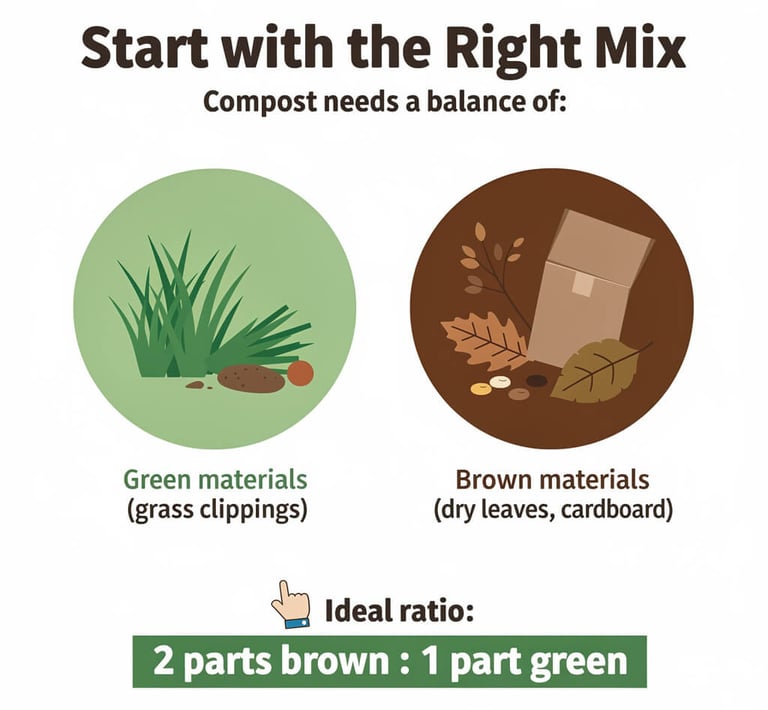
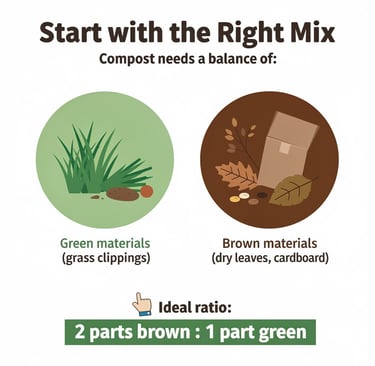
Compost needs a balance of:
Green materials (grass clippings)
Brown materials (dry leaves, cardboard)
👉 Ideal ratio:
2 parts brown : 1 part green
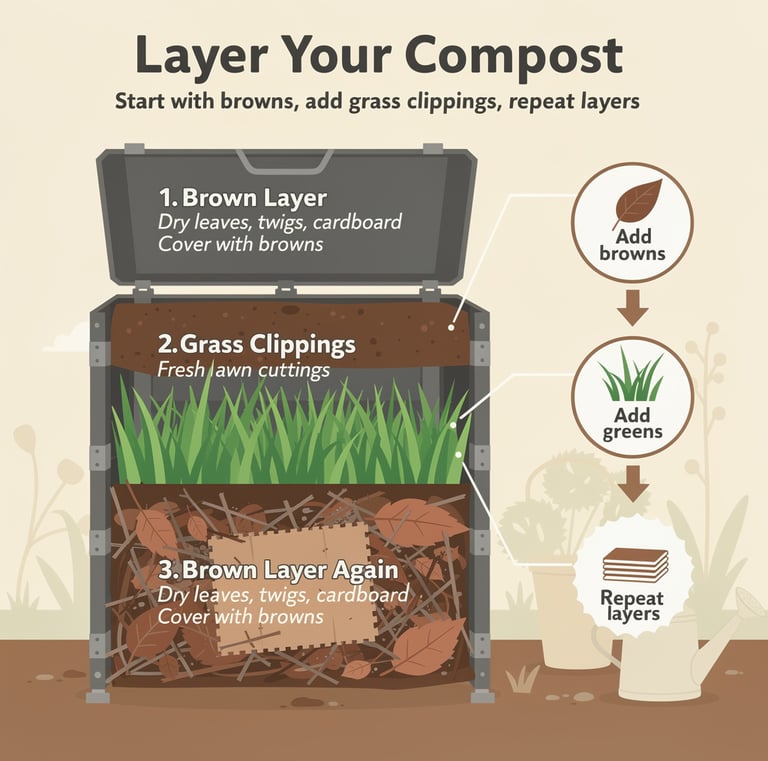
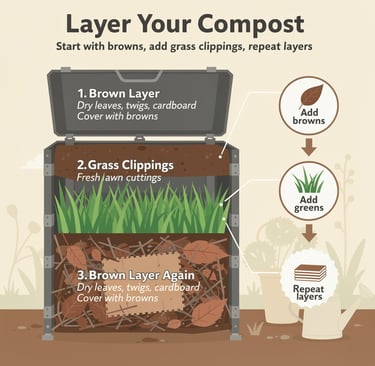
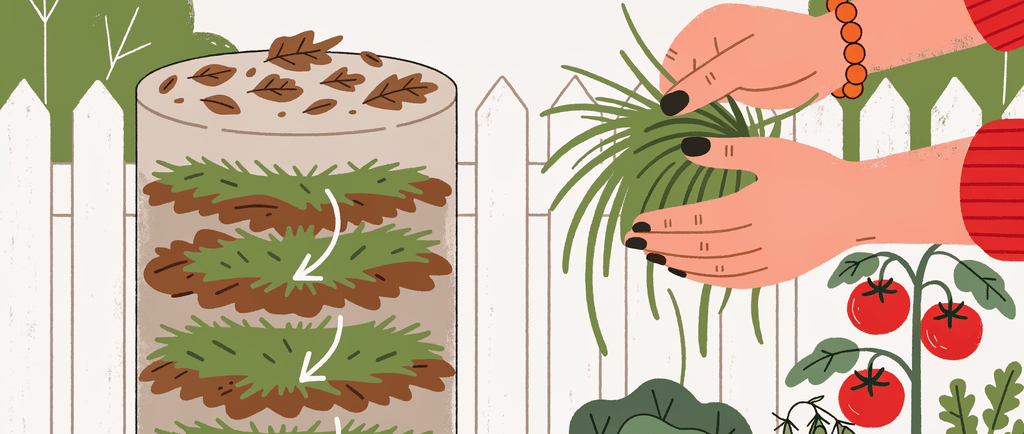
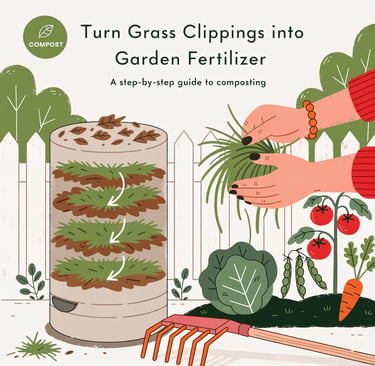
Step 2: Layer Your Compost
Start with brown layer
Add grass clippings
Repeat layers
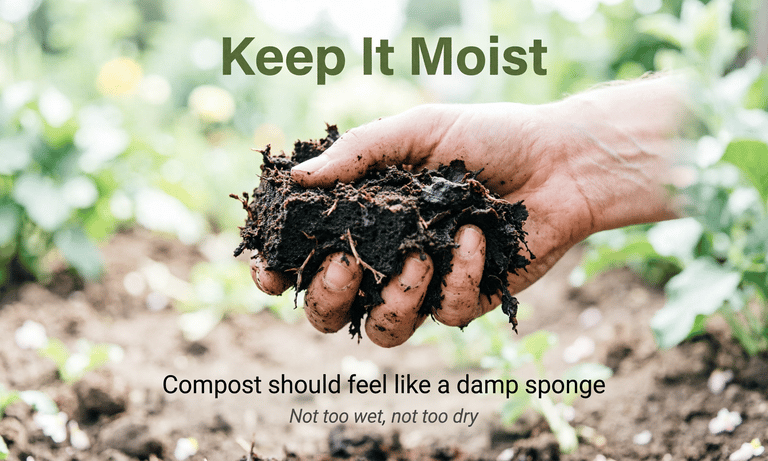
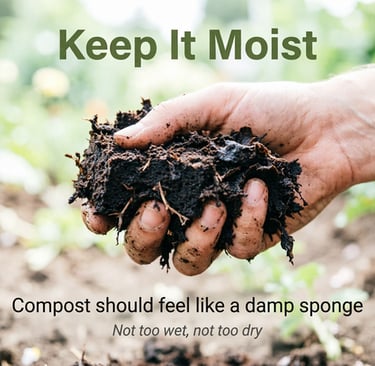
Step 3: Keep It Moist
Compost should feel like a damp sponge
Not too wet, not too dry
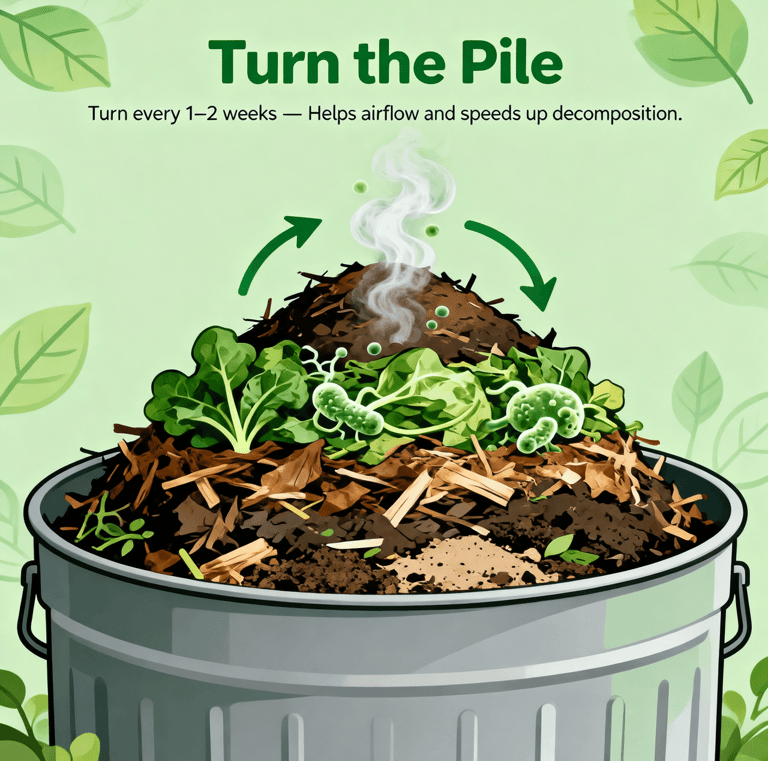
Step 4: Turn the Pile
Turn every 1–2 weeks
Helps airflow and speeds up decomposition
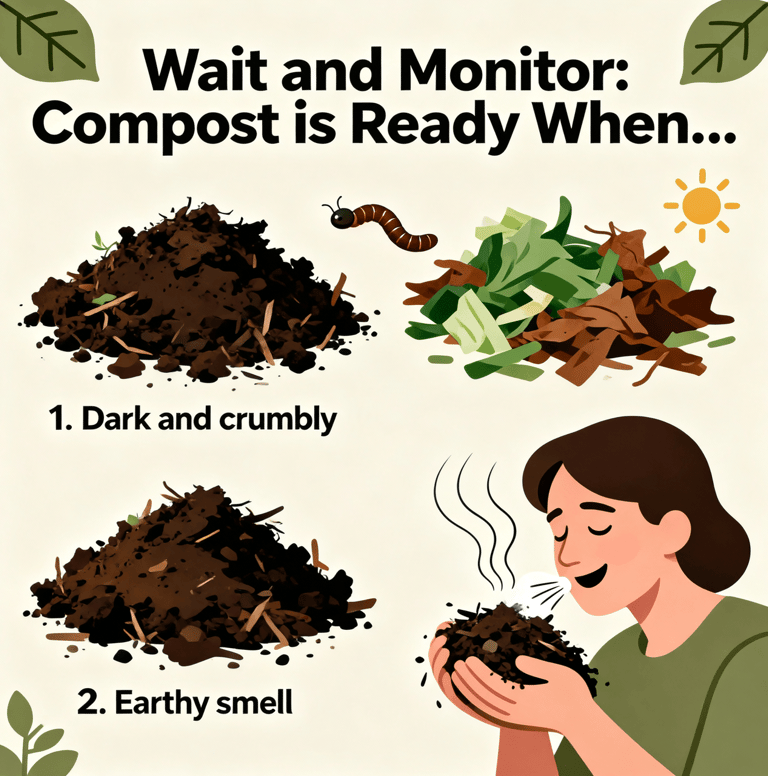
Step 5: Wait and Monitor
Compost is ready when:
Dark and crumbly
Earthy smell
🌿 Beginner Tips for Faster Composting
Chop grass clippings before adding
Mix regularly
Avoid large clumps
Add kitchen scraps for diversity
⚠️ Common Mistakes to Avoid
❌ Adding Too Many Grass Clippings
Leads to:
Smelly compost
Poor airflow
❌ Ignoring Balance
Too much green = slow composting
❌ Using Treated Grass
Avoid clippings treated with pesticides.
👉 Research from University of California Agriculture and Natural Resources emphasizes balanced compost materials for effective decomposition.
🌱 Composting Grass Clippings Fast (Pro Methods)
🔥 Hot Composting
Maintain temperature
Turn frequently
🌬 Aeration Boost
Add sticks or straw
Improves airflow
🧪 Add Compost Activator
Speeds up breakdown
🌿 Alternative Uses for Grass Clippings
🌾 Mulch
Retains moisture
Suppresses weeds
🌱 Direct Soil Amendment
Mix into soil for nutrients
🪴 Liquid Fertilizer (Grass Tea)
Soak clippings in water
Use liquid for feeding plants
🛠 Recommended Products (Amazon Picks)
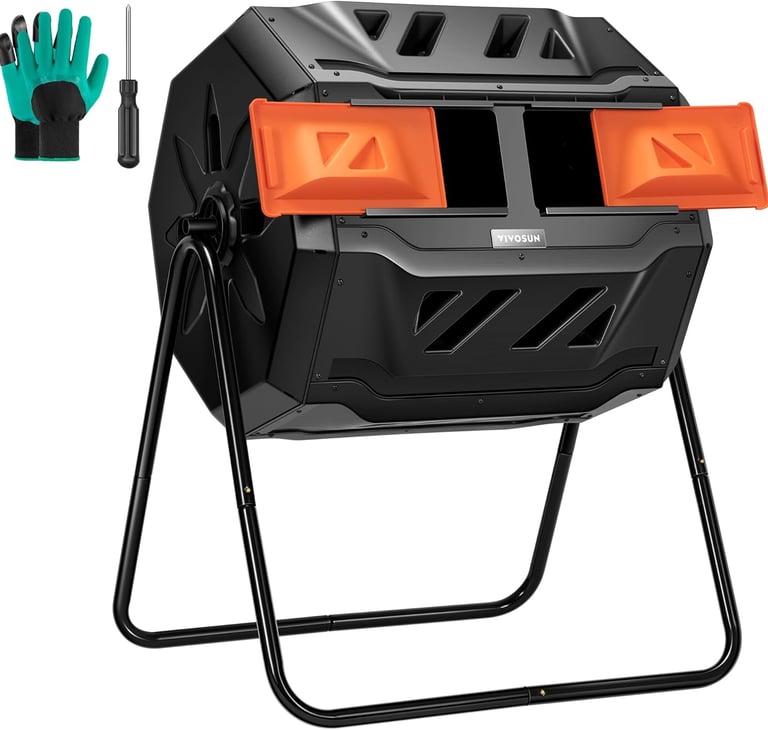
1. Compost Bin
Best For: Organized composting
Pros:
✔ Easy to manage
✔ Faster decomposition
Cons:
✘ Initial cost
Price Range: $50–$150
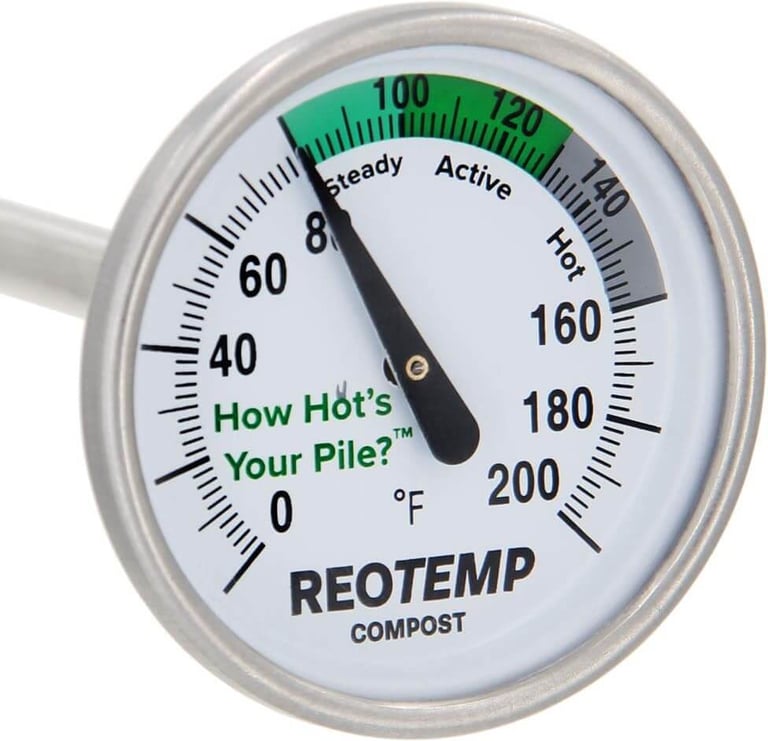
2. Compost Thermometer
Best For: Monitoring heat
Pros:
✔ Accurate readings
✔ Improves results
Cons:
✘ Not essential
Price Range: $15–$40
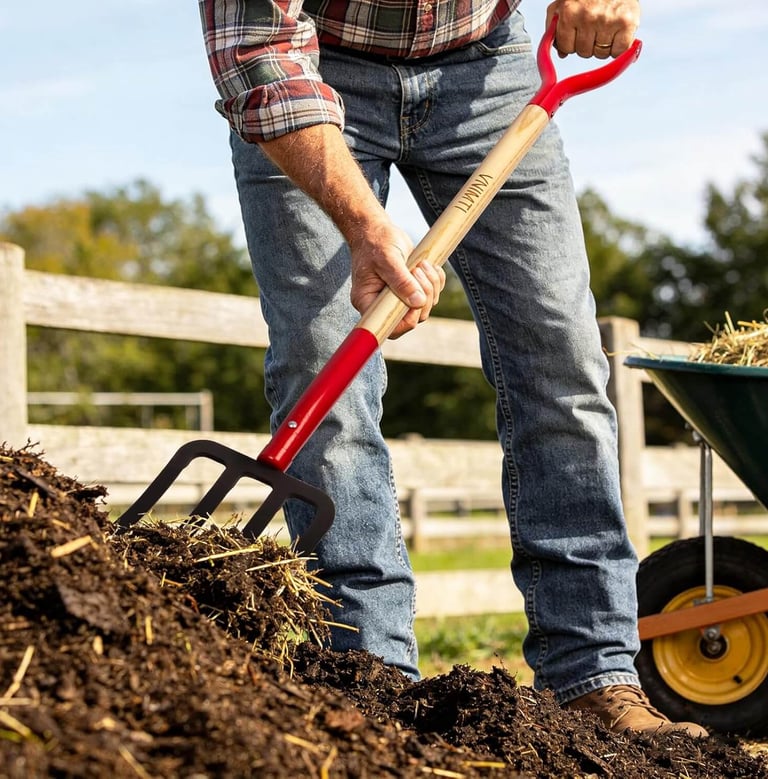
3. Garden Fork
Best For: Turning compost
Pros:
✔ Durable
✔ Easy mixing
Cons:
✘ Manual effort
Price Range: $25–$60
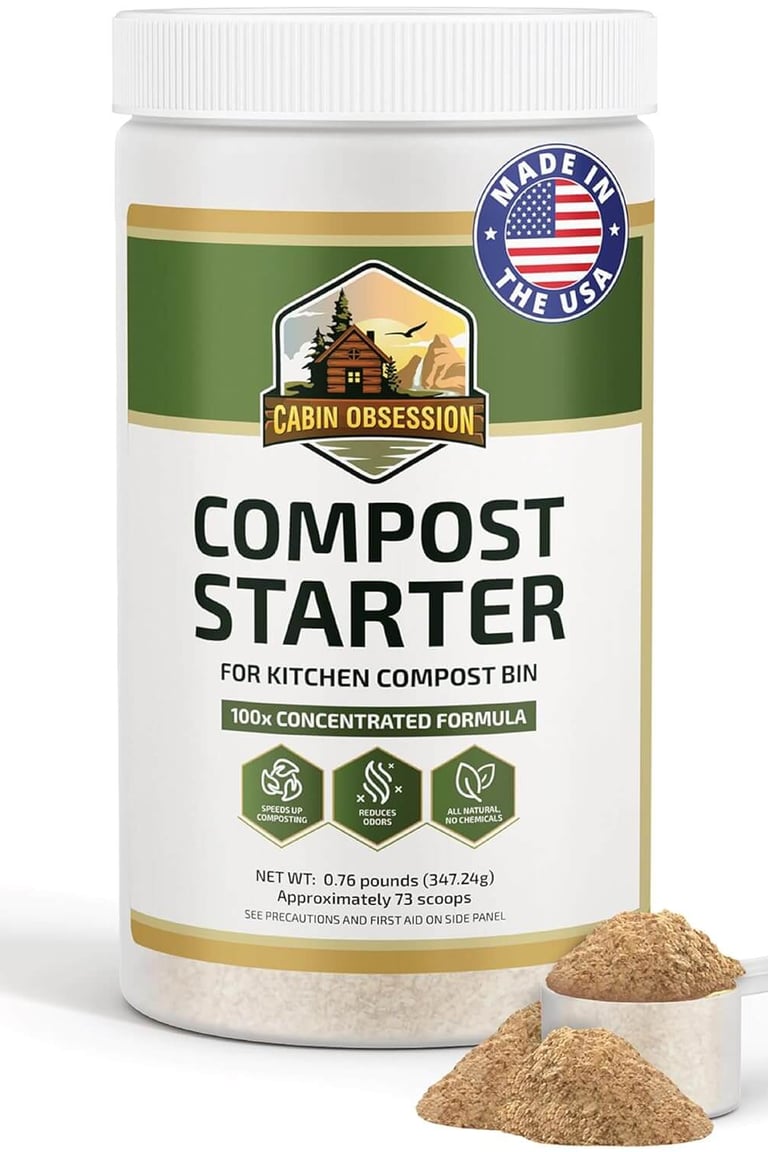
4. Compost Starter
Best For: Speeding up compost
Pros:
✔ Faster breakdown
✔ Easy use
Cons:
✘ Additional cost
Price Range: $10–$30
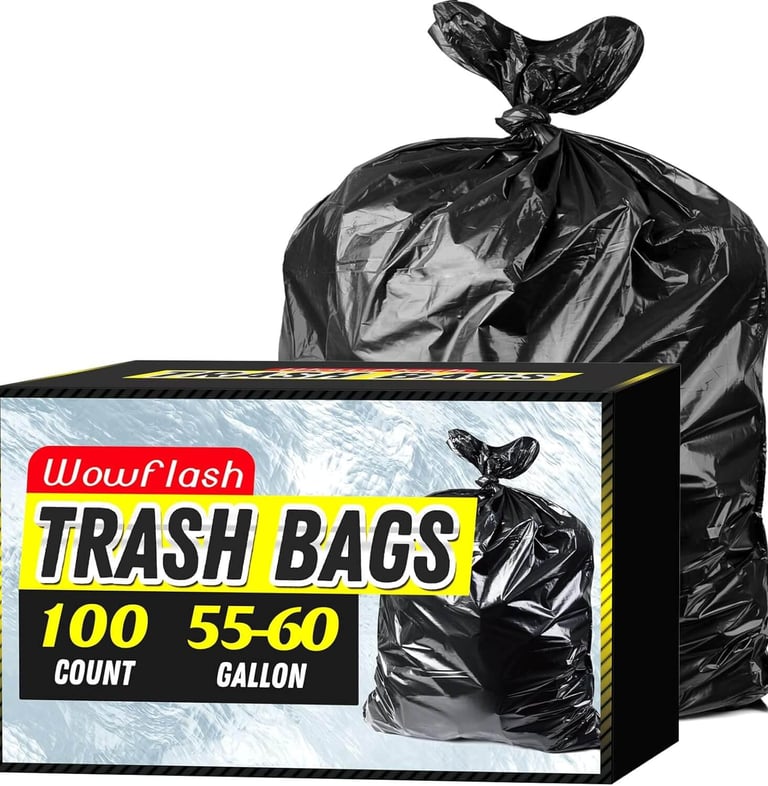
5. Yard Waste Bags
Best For: Storage
Pros:
✔ Reusable
✔ Convenient
Cons:
✘ Limited capacity
Price Range: $15–$35
👉 Internal link idea: Organic Gardening Tips
Affiliate Disclosure
As an Amazon Associate, HonestGardener.com earns from qualifying purchases at no extra cost to you.
🌿 Real-Life Scenario
A homeowner used to throw away grass clippings weekly.
After composting:
Soil became richer
Plants grew faster
Fertilizer costs dropped
❓ Frequently Asked Questions (FAQ)
Can I compost grass clippings alone?
Not recommended—mix with brown materials for best results.
How long does compost take?
2–3 months with proper care.
Do grass clippings smell?
Only if compost is unbalanced.
Can I use fresh clippings as mulch?
Yes, but apply in thin layers.
📌 Key Takeaways
Grass clippings are rich in nitrogen
Balance green and brown materials
Turn compost regularly
Avoid treated grass
🌿 Final Thoughts: Turn Waste into Wealth
Your lawn waste isn’t waste—it’s an opportunity.
By using compost for grass clippings, you can:
Build healthier soil
Grow better plants
Create a sustainable garden
Ready to start composting today?
👉 Use your next batch of grass clippings the smart way
👉 Explore more expert gardening guides on HonestGardener.com 🌱
Want to Know More on Gardening?
Please Read :
Subscribe
Join us for tips and product reviews.
Contact
Affiliate disclaimer
© 2025. All rights reserved.
As an affiliate, we may earn a commission from qualifying purchases. We get commissions for purchases made through links on this website from Amazon and other third parties.