
Best Soil Tester for Garden: 5 Top Picks for Healthier Plants in 2026
Find the best soil tester for garden beds in 2026. Compare 5 top picks for pH, nutrients, moisture, accuracy, and easy home testing.
GARDENING TOOLS
9/3/202611 min read


You water your tomatoes regularly. You add compost. You fertilize when the leaves start looking pale. Yet somehow, your plants still don't look happy.
Sound familiar?
Sometimes the problem isn't your watering routine or the amount of fertilizer you're using. The answer may be hiding just below the surface—in your soil.
Soil pH, nutrient levels, moisture, and other soil conditions can have a major effect on how well plants grow. The right soil tester can help you stop guessing and start making better gardening decisions.
In this guide, we'll look at the best soil tester for garden use, compare five popular options, explain what each type can and cannot tell you, and show you how to test your soil correctly—even if you're a complete beginner.
Quick Answer: What Is the Best Soil Tester for Garden Use?
If you want the simplest answer, MySoil Soil Test Kit is one of the strongest choices for gardeners who want a detailed analysis rather than just a quick pH reading.
For gardeners who mainly want to monitor pH, moisture, or light, a digital or analog probe can be more convenient.
Here's our quick comparison:
A major advantage of laboratory kits is that they can tell you much more than a basic probe. In 2026 testing by Bob Vila, MySoil was selected as the best overall among the kits they tested, while professional accredited laboratories were recommended when maximum reliability is important.
Why You Should Test Your Garden Soil
Imagine planting a dozen tomato plants and watching them struggle despite plenty of water and fertilizer.
Your first reaction might be to add even more fertilizer.
That can actually make things worse.
Soil testing gives you information about what is already present in the soil before you start adding amendments. It can help you understand whether your soil is too acidic, too alkaline, lacking certain nutrients, or simply too wet or dry.
The USDA notes that soil sampling should account for differences in soil type, landscape position, management, crops, and plant growth. For a small area such as a raised bed, taking several samples and combining them can provide a better representation of the area.
In other words, don't treat your entire yard as if it has identical soil.
Your vegetable bed might have completely different conditions from the soil underneath your lawn.
What Should the Best Soil Tester for Garden Actually Measure?
Not every soil tester does the same job.
Before buying one, decide what information you actually need.
1. Soil pH
pH tells you how acidic or alkaline your soil is.
The scale runs from 0 to 14, with 7 considered neutral. Many common garden plants perform well in slightly acidic to near-neutral soil, although the ideal range varies by plant.
For example:
Blueberries prefer acidic soil.
Many vegetables prefer mildly acidic soil.
Some plants tolerate or prefer more alkaline conditions.
If your soil pH is unsuitable, certain nutrients may become less available to plants.
That's one reason adding more fertilizer doesn't always solve a nutrient problem.
2. Nutrients
A comprehensive soil nutrient test kit for plants may measure nutrients such as:
Nitrogen
Phosphorus
Potassium
Calcium
Magnesium
Sulfur
Other micronutrients
Laboratory testing is particularly useful when you're preparing a new vegetable garden or trying to diagnose persistent growth problems.
3. Soil Moisture
A soil moisture meter for plants is useful when you're unsure whether your plants actually need water.
The surface can look dry while the root zone remains moist.
This is particularly helpful for:
Container gardens
Raised beds
Houseplants
Newly planted shrubs
Drought-sensitive plants
However, moisture meters should not be confused with comprehensive soil analysis. A moisture reading tells you about water conditions—not your complete soil fertility.
4. Light
Some inexpensive multi-function meters also measure light.
That can be useful when deciding whether a particular location is suitable for vegetables, herbs, flowers, or houseplants.
But if your primary goal is understanding soil fertility, prioritize pH and nutrient testing over extra features.
Best Soil Testers for Garden Use


1. MySoil Soil Test Kit — Best Overall for Detailed Testing
If you're looking for a garden soil testing kit that provides more information than a simple pH meter, MySoil is an excellent option to consider.
Instead of simply inserting a probe into the ground, you collect a soil sample and send it to a laboratory.
The resulting analysis provides pH and numerous plant-available nutrients, along with recommendations intended to help gardeners decide what amendments or fertilizers may be appropriate.
Bob Vila selected MySoil as its best overall soil test kit after comparing home-testing products against laboratory results.
Pros
Detailed laboratory analysis
Tests pH and multiple nutrients
Easy sample collection
Useful fertilizer recommendations
Better suited to serious gardeners
Cons
Results aren't instant
More expensive than simple pH strips
Requires mailing a soil sample
Best for: Vegetable gardeners, new garden beds, and gardeners who want detailed information.


2. Soil Savvy Soil Test Kit — Best for Nutrient Analysis
Soil Savvy takes another laboratory-based approach.
You collect soil from your garden, send the sample to the lab, and receive a report covering pH and a broad range of nutrients.
This makes it particularly useful if you're preparing a serious vegetable garden and don't want to rely entirely on an inexpensive probe.
Current product comparisons report that Soil Savvy provides pH and nutrient information along with fertilizer recommendations.
Pros
Laboratory analysis
Detailed nutrient information
Helpful recommendations
Good choice for vegetable gardens
More informative than basic meters
Cons
Takes several days to receive results
Costs more than simple DIY tests
Requires sending a sample
Best for: Gardeners who want professional-style soil information without complicated testing at home.


3. Garden Tutor Soil pH Test Strips — Best Budget pH Tester
Sometimes you don't need a complete laboratory report.
Maybe you're simply wondering:
"Is my soil acidic or alkaline?"
That's where pH strips can be useful.
Garden Tutor's kit uses strips that change color when exposed to a soil sample solution. Bob Vila's testing found the strips quick and easy to use, with results available in seconds.
Pros
Affordable
Fast results
Easy for beginners
No batteries required
Useful for repeated pH checks
Cons
Primarily tests pH
Doesn't provide a complete nutrient analysis
Strips need proper storage
Color matching can require some judgment
Best for: Beginners who want an inexpensive way to check garden soil pH.


4. Luster Leaf 1662 Soil Test Kit — Best DIY Chemical Kit
If you prefer testing soil yourself rather than mailing a sample to a laboratory, the Luster Leaf 1662 is worth considering.
It uses chemical testing to check pH, nitrogen, phosphorus, and potassium.
This makes it a useful middle ground between simple pH strips and professional laboratory analysis.
Pros
Tests several important soil factors
Immediate results
No laboratory mailing
Useful for home vegetable gardens
Good for gardeners who enjoy DIY testing
Cons
Results require following instructions carefully
Less comprehensive than a laboratory analysis
Color comparison can be subjective
Best for: DIY gardeners who want more than a pH reading.


5. Bluelab Soil pH Pen — Best Premium pH Meter
If you regularly monitor soil pH and want a dedicated digital instrument, the Bluelab Soil pH Pen is a premium option.
Unlike inexpensive analog meters, a dedicated digital pH meter is designed specifically around pH measurement and can be calibrated for more controlled readings.
It is particularly interesting for gardeners who frequently work with plants where pH management is important.
Pros
Fast digital readings
Designed for pH monitoring
Useful for frequent testing
Premium construction
Suitable for serious growers
Cons
Much more expensive than basic meters
Requires maintenance
Not designed to replace a full nutrient analysis
Best for: Experienced gardeners who regularly monitor pH.
Best Soil Tester Comparison Table
Our recommendation: If you want to understand the overall fertility of a garden bed, choose a laboratory-style kit. If you simply want fast pH information, a pH strip or dedicated meter may be enough.

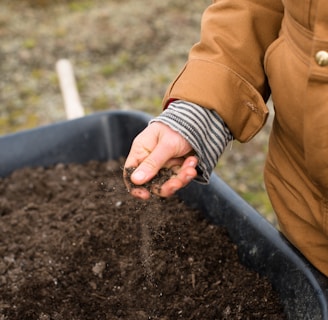
How to Test Garden Soil Correctly
Buying the best soil tester for garden use is only half the job.
The sample matters just as much as the tester.
Follow these steps.
Step 1: Divide Your Garden Into Areas
Don't automatically mix soil from your entire property.
Separate areas that have different:
Plants
Soil types
Fertilizer histories
Compost applications
Drainage
Growth problems
The USDA recommends separately considering areas expected to have different soil characteristics or management histories.
Step 2: Collect Several Small Samples
For a raised bed, collect soil from multiple locations rather than taking one scoop from the corner.
A USDA soil-testing guide recommends multiple cores from an area, with roughly 10–15 cores commonly used for a composite sample and at least 4–6 for a very small area such as a single raised bed.
Step 3: Mix the Samples
Combine the samples from the same area in a clean container.
Remove:
Stones
Large roots
Leaves
Mulch
Other debris
Mix the soil thoroughly.
Step 4: Follow Your Tester's Instructions
This part is important.
Don't assume every tester works the same way.
A pH strip may require mixing soil with water, while a probe may need to be inserted directly into moist soil. A laboratory kit will have its own sample collection instructions.
Follow the manufacturer's directions exactly.
Step 5: Record the Results
Write down your results.
For example:
Tomato Bed – Spring 2026
pH: 6.4
Nitrogen: adequate
Phosphorus: high
Potassium: adequate
Now you have something useful to compare with future tests.
Beginner Mistakes to Avoid
Don't Test Only One Spot
Soil can vary significantly within the same yard.
Testing only the healthiest-looking corner may give you a misleading picture.
Don't Add Lime Without Testing
Lime can raise soil pH.
If your soil is already sufficiently alkaline, adding more may create a new problem.
Test first, amend second.
Don't Assume Yellow Leaves Always Mean Nitrogen Deficiency
Yellow leaves can have several causes, including watering problems, root stress, pests, disease, nutrient availability, or unsuitable pH.
That's why soil testing should be part of the diagnosis—not the entire diagnosis.
Don't Over-Fertilize
More fertilizer isn't automatically better.
A soil test can help prevent unnecessary applications and make your garden-care routine more targeted.
Soil pH and USDA Hardiness Zones: What Gardeners Should Know
USDA Hardiness Zones are extremely useful, but they answer a different question from soil testing.
The USDA Plant Hardiness Zone Map is based primarily on average annual extreme minimum winter temperatures and helps gardeners determine which perennial plants are likely to survive winter in a particular area.
Your USDA zone can help you choose plants.
Your soil test helps you understand the growing environment underneath them.
For example, a gardener in USDA Zone 6 and a gardener in Zone 9 might both grow tomatoes, but their planting schedules and winter conditions will differ.
Likewise, two gardens in the same USDA zone can have completely different soil pH and nutrient levels.
Zone information + soil information = better plant decisions.
When Should You Test Garden Soil?
For most gardeners, soil testing is especially useful:
Before creating a new garden bed
Before planting a vegetable garden
When plants repeatedly perform poorly
Before applying major soil amendments
After several seasons of intensive gardening
When changing from lawn to garden
When growing plants with specific pH requirements
If your garden is performing well, you don't necessarily need to test constantly.
A thoughtful periodic test is generally more useful than repeatedly testing without changing your management.
Real-Life Example: A Struggling Tomato Bed
Imagine a gardener in Pennsylvania plants tomatoes in a new raised bed.
The plants grow slowly and develop pale leaves.
The gardener assumes the soil needs more fertilizer.
Instead of immediately adding fertilizer, they use a best soil test kit for vegetable garden applications and discover that the soil already contains adequate phosphorus and potassium, while the pH is outside the preferred range for their crops.
Now the gardener has information.
Rather than throwing several bags of fertilizer into the bed, they can make a more targeted soil-management decision.
That's the real value of soil testing:
It replaces guessing with information.
Internal Gardening Resources
If you're building a healthier garden from the ground up, explore more gardening guides on HonestGardener.com, including practical advice on soil, garden tools, planting, and vegetable gardening.
A soil test becomes even more useful when combined with good watering, mulching, composting, and plant-selection practices.
Frequently Asked Questions
What is the best soil tester for garden use?
For detailed information about pH and nutrients, a laboratory-based product such as MySoil is a strong choice. For simple pH monitoring, pH strips or a dedicated digital pH meter may be more appropriate.
Are cheap soil pH meters accurate?
Some inexpensive meters can be useful for general monitoring, but accuracy can vary. If an important gardening decision depends on the result, consider confirming it with a quality test kit or accredited soil laboratory.
What is the best soil pH tester for garden beds?
For inexpensive testing, pH strips are convenient. For frequent, more controlled pH measurements, a dedicated digital pH meter is a better choice.
Can a soil moisture meter replace a soil test?
No.
A moisture meter primarily tells you about moisture conditions. It does not replace a comprehensive test for pH and nutrients.
How often should I test my garden soil?
There isn't one schedule that fits every garden. Testing before establishing a new garden and periodically afterward can be useful, especially when growing crops intensively or applying amendments.
What soil pH is best for vegetables?
Many common vegetables perform well in mildly acidic to near-neutral soil, but the ideal range varies by crop. Always check the requirements of the specific vegetable you're growing.
Should I test soil before adding fertilizer?
Yes, whenever practical.
Testing can help you avoid applying nutrients your soil already contains in sufficient amounts.
Is a laboratory soil test better than a home soil tester?
For detailed nutrient information and higher confidence, an accredited laboratory test is generally preferable. Home testers are convenient for quick monitoring and basic checks.
Affiliate Disclosure
Affiliate Disclosure: This article may contain affiliate links. If you purchase a product through one of our links, HonestGardener.com may earn a small commission at no additional cost to you. We only recommend products that we believe may be useful to our readers. Product prices and availability can change, so always check the retailer's current listing before purchasing.
Final Verdict: Which Soil Tester Should You Buy?
There isn't one perfect tester for every gardener.
The best soil tester for garden use depends on the question you're trying to answer.
If you want a detailed picture of your soil's fertility, choose a laboratory-based soil test such as MySoil or Soil Savvy.
If you only need a quick pH check, Garden Tutor pH strips are inexpensive and beginner-friendly.
If you want to perform multiple DIY tests at home, Luster Leaf 1662 offers a useful combination of pH and major nutrients.
And if you're a serious grower who frequently monitors pH, the Bluelab Soil pH Pen is a premium option worth considering.
Key Takeaways
Test before adding major amendments.
Don't assume yellow leaves automatically mean nitrogen deficiency.
Test different garden areas separately when their conditions differ.
Laboratory tests provide more detailed nutrient information.
pH meters and strips are convenient for quick checks.
Moisture meters are useful for watering decisions but aren't comprehensive soil tests.
Your USDA Hardiness Zone helps with plant selection, while soil testing helps you understand your soil.
Most importantly, don't treat your garden like a guessing game.
Test the soil, understand the results, and then give your plants what they actually need.
Ready to improve your garden?
Start with one bed or planting area. Test the soil, record your results, and make your next amendment based on evidence rather than guesswork.
A small soil test today can save you money, fertilizer, and frustration later—and give your plants a much better chance to thrive.
Want to Know More on Gardening?
Please Read :


Subscribe
Join us for tips and product reviews.
Contact
Affiliate disclaimer
© 2025. All rights reserved.
As an affiliate, we may earn a commission from qualifying purchases. We get commissions for purchases made through links on this website from Amazon and other third parties.