
Vegetables That Grow in Shade: What Actually Works When Sunlight Is Limited
Struggling with shade? Discover vegetables that grow in shade, real tips, common mistakes, and simple tools for U.S. home gardeners.
VEGETABLES & HERBS
12/30/20255 min read
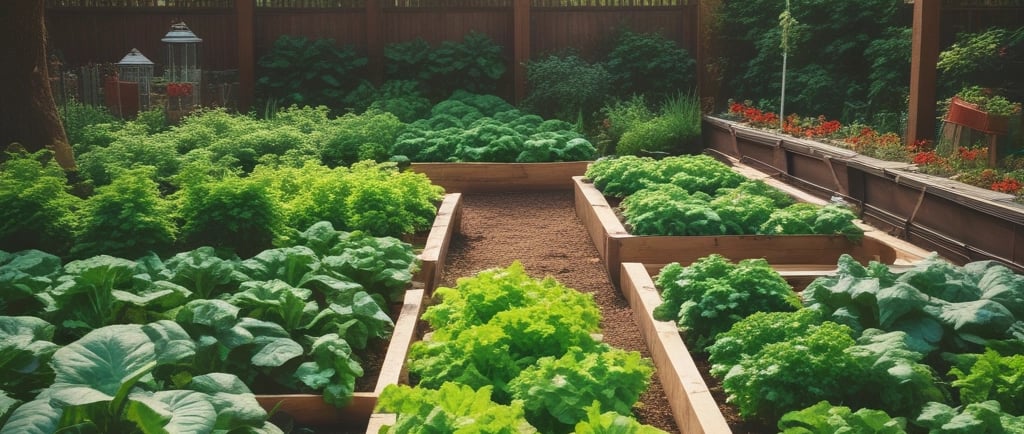
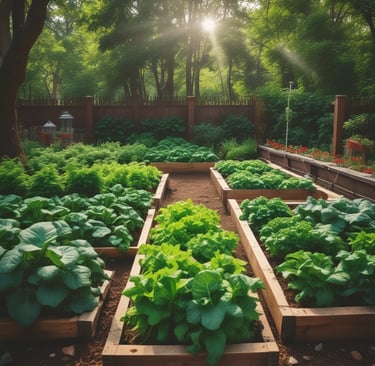
Introduction: Gardening Without Full Sun Is Not a Lost Cause
For a long time, I believed you needed full sun to grow vegetables. Every seed packet, blog post, and gardening book seemed to repeat the same rule: “Six to eight hours of direct sunlight.”
The problem?
My yard doesn’t get that.
Between trees, fences, and nearby buildings, large parts of my garden only receive a few hours of sun—sometimes filtered, sometimes indirect. I assumed vegetables were off the table.
I was wrong.
After a lot of trial and error, I learned that many vegetables that grow in shade don’t just survive—they do surprisingly well. If you’re gardening in the U.S. with limited sunlight, this guide will save you time,
What Does “Shade” Actually Mean in Gardening?
Before choosing plants, it’s important to understand shade types.
Types of Shade
Partial shade: 3–6 hours of sun per day
Dappled shade: Sunlight filtered through trees
Bright shade: No direct sun, but plenty of light
Most shade-tolerant vegetables grow best in partial or bright shade, not deep darkness.
Why Some Vegetables Grow Well in Shade
Vegetables that grow in shade tend to:
Be leafy rather than fruit-heavy
Grow naturally in cooler conditions
Suffer in intense heat and sun
Leafy greens evolved to thrive with less sunlight, making them ideal for shady gardens.
Best Vegetables That Grow in Shade (Tested by Experience)


1. Lettuce (The Shade Garden Champion)
Lettuce is hands-down the most reliable shade vegetable I’ve grown.
Why it works:
Grows with 3–4 hours of sun
Bolts slower in shade
Perfect for containers and raised beds
Loose-leaf varieties perform better than head lettuce.


2. Spinach (Loves Cool, Shady Spots)
Spinach thrives where sunlight is limited.
What I’ve noticed:
Shade keeps it tender
Less bolting
Better flavor
Spinach is ideal for spring and fall shade gardens.


3. Kale (Surprisingly Shade-Tolerant)
Kale doesn’t need full sun to grow well.
Best results in:
Partial shade
Cooler weather
Consistent moisture
Leaves may grow slightly slower—but they’re often sweeter.


4. Swiss Chard (Productive and Forgiving)
Swiss chard handles shade better than many people expect.
Why I recommend it:
Grows in partial shade
Keeps producing for months
Colorful and hardy
It’s one of the best vegetables for shady gardens with limited space.


5. Arugula (Fast and Shade-Friendly)
Arugula grows quickly even with limited sunlight.
Tip:
Shade keeps it from becoming too spicy.


6. Green Onions (Low Light, Low Effort)
Green onions are incredibly forgiving.
They grow well in:
Partial shade
Containers
Small garden corners
You can harvest them young or mature.


7. Radishes (Quick and Shade-Adaptable)
Radishes don’t mind shade, especially in warm climates.
My experience:
They grow better in partial shade than full summer sun.


8. Beets (Roots Grow, Greens Thrive)
Beets tolerate shade better than many root crops.
Even if roots stay smaller, the greens grow beautifully.


9. Peas (Morning Sun Is Enough)
Peas prefer cooler conditions and can handle partial shade.
Best setup:
Morning sun, afternoon shade.
Vegetables That Grow Without Full Sun (What to Avoid)
Some vegetables struggle badly in shade:
Tomatoes
Peppers
Corn
Squash
They need intense sunlight to produce fruit.
How Much Sun Is “Enough”?
Here’s a simple rule I follow:
Leafy greens: 3–4 hours
Root vegetables: 4–5 hours
Fruiting crops: 6+ hours
If your garden gets at least 3 hours of sun, you can grow food.
Soil Matters More in Shade Gardens
Shade gardens often have:
Cooler soil
Slower evaporation
Less stress on plants
But they also need good soil structure.
What Works Best for Me
Compost-rich soil
Good drainage
Light mulch
Helpful Amazon product:
✔️ Organic compost or worm castings
Raised Beds Make Shade Gardening Easier
Raised beds warm faster and drain better—huge advantages in shade.
Why I use them:
Better soil control
Improved drainage
Cleaner harvest
Affiliate mention:
✔️ Modular raised garden beds
Container Gardening in the Shade
Containers allow you to:
Move plants toward light
Control soil conditions
Use patios or balconies
Best vegetables for shaded containers:
Lettuce
Spinach
Arugula
Green onions
Affiliate mention:
✔️ Fabric grow bags
Watering Tips for Shade Gardens
Shade reduces evaporation—but overwatering is common.
My Rule:
Water when the top inch of soil feels dry.
Helpful tool:
✔️ Soil moisture meter
Common Problems in Shady Gardens (And Fixes)
Problem: Slow Growth
Fix: Improve soil with compost
Problem: Leggy Plants
Fix: Move to brighter shade or reflective surfaces
Problem: Fungal Issues
Fix: Improve airflow, avoid overhead watering
Using Reflective Light to Boost Growth
I’ve used:
Light-colored mulch
White garden borders
They reflect sunlight back onto plants—small change, noticeable difference.
Seasonal Shade Gardening in the USA
Spring
Lettuce, spinach, peas, radishes
Summer
Swiss chard, kale, green onions
Fall
Spinach, arugula, lettuce
Shade gardens often outperform sunny gardens in summer heat.
Tools That Help Shade Garden Vegetables Thrive
✔️ Raised garden beds
✔️ Grow bags
✔️ Hand pruners
✔️ Soil moisture meter
All are easily available on Amazon and practical for home gardeners.
Frequently Asked Questions (FAQ)
What vegetables grow best in shade?
Lettuce, spinach, kale, Swiss chard, arugula, and green onions perform best.
Can vegetables grow without full sun?
Yes. Many vegetables grow well with just 3–5 hours of sunlight.
Are root vegetables good for shade?
Some are—radishes and beets do well in partial shade.
Can I grow vegetables in full shade?
Most vegetables need at least indirect light. Bright shade works better than deep shade.
Are raised beds better for shade gardens?
Yes. They improve soil warmth and drainage, which boosts growth.
Final Thoughts: Shade Is Not a Limitation—It’s an Opportunity
Once I stopped fighting my yard and started working with it, gardening became easier. Shade isn’t a problem—it’s a condition. And when you choose the right vegetables, shade can actually protect plants from heat stress and bitterness.
If your garden doesn’t get full sun, don’t give up. Start with the right vegetables that grow in shade, improve your soil, and let the garden show you what’s possible.
Want to Know More on Gardening?
Please Read :
Subscribe
Join us for tips and product reviews.
Contact
Affiliate disclaimer
© 2025. All rights reserved.
As an affiliate, we may earn a commission from qualifying purchases. We get commissions for purchases made through links on this website from Amazon and other third parties.