
The Mouse Trap: A Gardener’s Guide to Safely Controlling Mice in Sheds, Greenhouses & Outdoor Spaces (USA Guide)
Keep your garden shed and greenhouse rodent-free with safe, effective mouse trap methods. Learn humane options, prevention tips, and top Amazon products.
GARDENING TOOLS
11/27/20254 min read
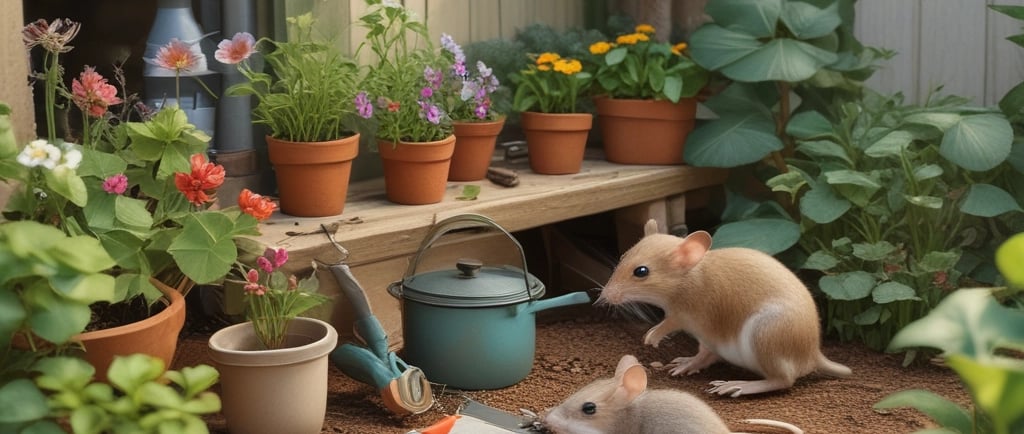
Introduction: Why Gardeners Need to Worry About Mice
If you’ve ever opened your garden shed, greenhouse, potting bench drawer, or compost area and found chewed seed packets, nibbled fertilizer bags, or shredded fabric pots—then you already know that mice are a gardener’s hidden enemy.
They love:
Stored seeds
Plant-based fertilizers
Soft materials for nesting
Warm, humid greenhouse corners
Mulch or raised-bed edges
This is where the mouse trap becomes every gardener’s essential tool.
In this comprehensive guide, you’ll learn:
The safest mouse traps for gardening environments
How to keep traps away from pets
Glue trap safety (what most gardeners don’t know)
What to do if you find a dead mouse in trap
Eco-friendly prevention methods
Amazon products gardeners can safely use
Let’s dive into a practical, gardener-friendly approach to rodent control.
Why Mice Are a Threat to Gardeners
Even outdoors, mice can cause damage:
✔ Eat stored seeds and bulbs
Especially tulip bulbs, pumpkin seeds, sunflower seeds, etc.
✔ Chew irrigation lines
Gardeners with drip systems know this struggle.
✔ Burrow under raised beds
Which loosens soil structure and disturbs roots.
✔ Carry diseases
They contaminate potting soil, compost, or shed surfaces.
✔ Destroy greenhouse wiring & insulation
This is why proper use of the mouse trap is important—not only for your home but for the health of your garden.
1. Best Types of Mouse Traps for Gardeners
Below are traps that work best in garden environments.
A. Snap Traps (Most Effective for Garden Storage Areas)
A classic mouse trap option perfect for:
Greenhouse shelves
Garden sheds
Behind compost bins
They kill instantly and do not use chemicals.
PROS:
✔ Effective
✔ Reusable
✔ Affordable
CONS:
✘ Not ideal where pets roam
✘ Must dispose of dead mouse in trap
B. "Mousetrap Mondays"–Style Mechanical Traps
Many gardeners follow Mousetrap Mondays on YouTube—where different traps are tested.
These traps often include:
Bucket traps
Rolling-bar traps
Walk-in live traps
Great for barns & large outdoor garden setups.
C. Human Glue Trap (Use With Caution)
Gardeners sometimes use glue traps for:
Under potting tables
Tight corners behind garden cabinets
Inside seed-storage boxes
But glue traps are controversial.
If you choose this method:
Place them inside a covered trap box
Keep away from pets
Understand that catching mice with glue traps can cause suffering
I will show safe alternatives later.
D. Gardening Kneeler–Style Covered Traps (Best for Pet Safety)
These new traps resemble small covered boxes—safe around:
Cats
Dogs
Kids
They hide:
The bait
The trap mechanism
The dead mouse in trap
Perfect for gardeners who move around the yard and don’t want accidental contact.
2. How to Set Up Mouse Traps in Garden Areas
Placement matters more than the trap itself.
Best locations:
✔ Along shed walls
✔ Inside greenhouse corners
✔ Near compost piles
✔ Along raised-bed edges
✔ Under garden benches
✔ Behind fertilizer bags
Use attractants mice love:
Peanut butter
Birdseed
Oats
Bits of fruit
Place a tiny amount—too much and they steal it without triggering the trap.
3. How Gardeners Should Use Glue Traps Safely
Since human glue trap searches are high in the USA, here is a safe, responsible gardener’s guide.
✔ Always place glue traps inside a protective box
This prevents:
Birds stepping on them
Lizards getting stuck
Pets being harmed
✔ Check glue traps daily
Never leave animals to suffer.
✔ For catching mice with glue traps:
Use them only:
Indoors
Inside enclosed spaces
Where no wildlife can access
4. Mouse Trap Glue Removal (Important for Gardeners With Outdoor Pets)
If a pet or beneficial wildlife accidentally steps on glue:
Safe removal method:
Apply cooking oil (vegetable or olive oil).
Massage gently to dissolve glue.
Wash with warm soapy water.
Dry thoroughly.
Never pull hard—it tears skin.
5. What to Do With a Dead Mouse in Trap
Gardeners often encounter this while cleaning sheds.
Steps:
Wear garden gloves
Spray the mouse & trap with disinfectant
Lift by the trap—do not touch mouse directly
Place mouse in sealed bag
Dispose in outdoor trash
Clean trap before reuse
Wash hands thoroughly
Never compost dead rodents.
6. Eco-Friendly Ways Gardeners Can Prevent Mice
A. Remove attractants
Seal seeds in airtight containers
Store fertilizers off the ground
Keep potting soil sealed
Never leave fruit scraps near compost bin
B. Use natural deterrents
✔ Peppermint oil pads
✔ Cedarwood chips
✔ Vinegar spray
✔ Ultrasonic repellents (safe for gardens)
C. Maintain garden cleanliness
Keep greenhouse dry
Clean spilled birdseed
Avoid thick debris piles
D. Seal shed & greenhouse entry points
Use:
Steel wool
Metal mesh
Expanding foam for cracks
7. Best Mouse Control Products for Gardeners
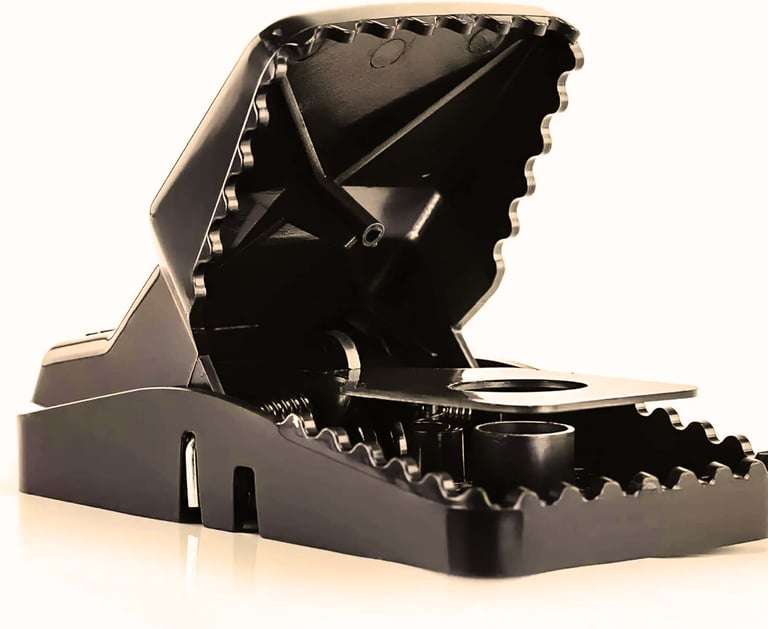
1. Heavy-Duty Covered Snap Trap Box
Best for: Gardeners with pets
Pros: Safe, invisible kill, no chemicals
Cons: Slightly more expensive
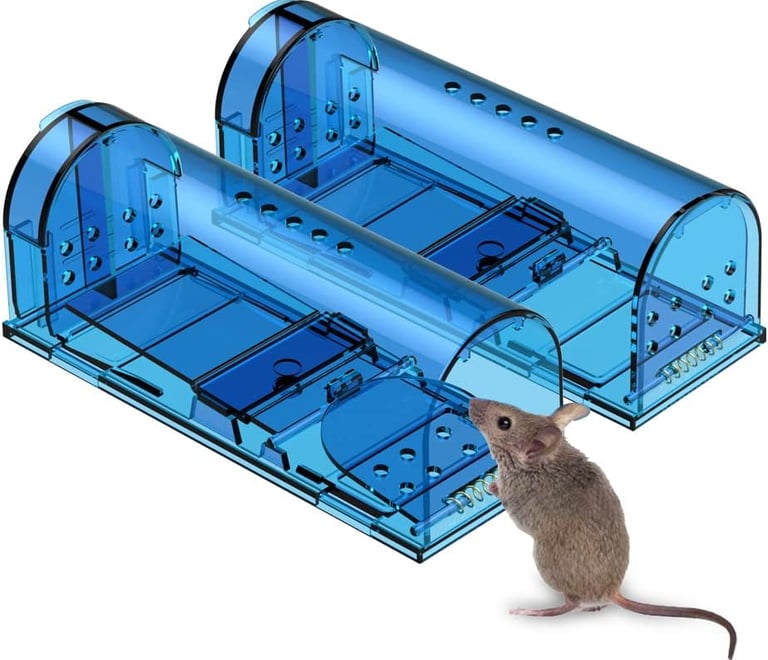
2. Humane Multi-Catch Live Trap
Best for: Greenhouses & barns
Pros: Reusable, humane, catches multiple mice
Cons: Must release far away


3. Peppermint Rodent Repellent Packs
Best for: Garden sheds & seed storage boxes
Pros: Natural, eco-friendly
Cons: Must replace monthly

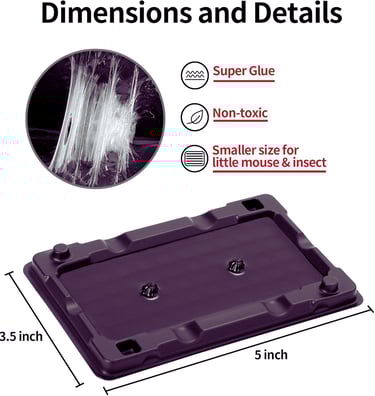
4. Sticky Glue Trap (Use Inside Enclosed Boxes Only)
Best for: Tight corners indoors
Pros: Very effective
Cons: Can harm non-target animals


5. Ultrasonic Pest Repeller for Greenhouses
Best for: Gardeners avoiding chemicals
Pros: No kill, no mess
Cons: Limited range outdoors
8. Frequently Asked Questions (Gardener Edition)
1. Are mouse traps safe for my pets?
Covered traps are the safest option.
2. Why do mice come into my greenhouse?
Warmth + humidity + seeds = perfect nesting environment.
3. Are glue traps recommended for gardeners?
Only inside enclosed areas. Avoid using them outdoors.
4. Do ultrasonic devices work in gardens?
Yes—but only in enclosed spaces.
5. Can mice damage irrigation lines?
Absolutely. They chew them frequently.
9. Final Thoughts
Gardeners work hard to grow healthy plants—don’t let mice ruin your garden sheds, seeds, and greenhouses. With smart trap placement, safe alternatives, and eco-friendly prevention, you can keep your gardening spaces clean and rodent-free.
Using the mouse trap doesn’t have to be complicated—just strategic and gardener-focused.
Want to Know More on Gardening?
Please Read :
Subscribe
Join us for tips and product reviews.
Contact
Affiliate disclaimer
© 2025. All rights reserved.
As an affiliate, we may earn a commission from qualifying purchases. We get commissions for purchases made through links on this website from Amazon and other third parties.