Self Watering Planters for Vegetables for Small Balconies: The Complete Guide
Discover the best self watering planters for vegetables for small balconies. Save time and grow healthy veggies effortlessly!
INDOOR GARDENING
10/16/20254 min read
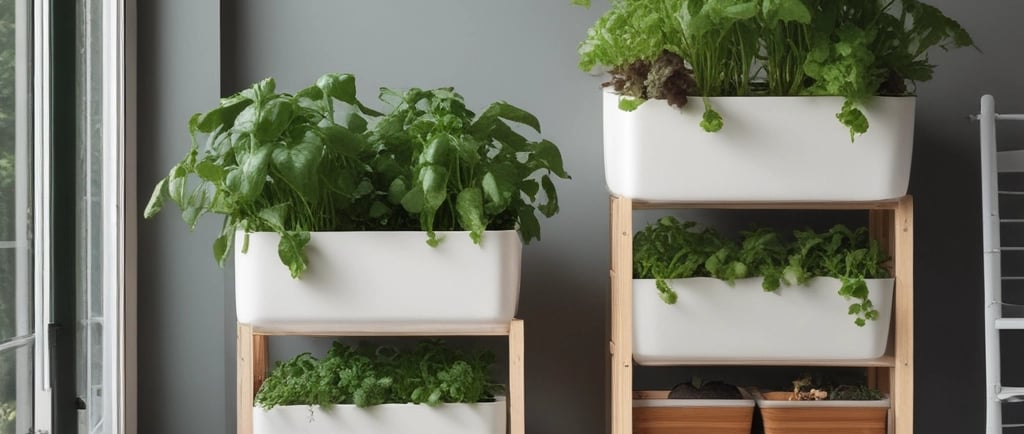
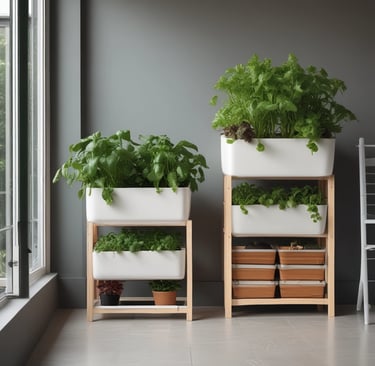
Urban life often means limited outdoor space—but that doesn’t have to stop your green thumb! For many people living in apartments or condos, a balcony garden is the perfect way to grow fresh, organic vegetables right at home.
However, watering can quickly become a challenge. Too much water can drown your plants; too little can dry them out in hours. That’s where self watering planters for vegetables come in—they make gardening easier, smarter, and more efficient, especially for small balconies.
In this guide, we’ll walk you through everything you need to know about choosing, setting up, and maintaining the perfect self watering planter for your balcony vegetable garden.

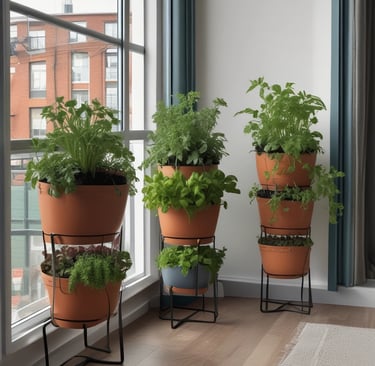
🌼 What Are Self Watering Planters?
A self watering planter is a container that automatically supplies water to your plants as needed. It includes:
A water reservoir at the bottom.
A wicking system (or absorbent soil) that draws moisture upward.
A fill tube to add water easily.
This design helps your plants absorb water when they need it, reducing the risk of overwatering or drying out.
✅ Why They’re Perfect for Small Balconies
Water-efficient: Reduces waste and keeps soil consistently moist.
Low-maintenance: Ideal for busy people or frequent travelers.
Space-saving: Many self watering pots are compact and stackable.
Cleaner balconies: No leaks or messy runoff from daily watering.
Why Vegetables Love Self Watering Planters
Vegetables like tomatoes, lettuce, peppers, and herbs thrive in moist but not soggy soil. Self watering planters create the perfect balance.
Here’s how they help your veggies flourish:
Consistent hydration: Prevents cracking tomatoes or wilted greens.
Oxygen-rich roots: Good drainage ensures roots breathe properly.
Nutrient retention: Less water runoff means fewer nutrients lost.
Stable growth: Keeps the soil temperature and moisture level steady.
🧺 Best Vegetables to Grow in Self Watering Planters
If you’re just starting your balcony garden, try these easy vegetables that adapt well to self watering systems:
🧰 Choosing the Right Self Watering Planter
Before you buy your first planter, consider these important factors:
1. Size & Depth
Deeper pots work best for root-heavy vegetables (like tomatoes). Smaller herbs or lettuce varieties can thrive in shallower ones.
2. Material
Plastic: Lightweight and affordable, ideal for balconies.
Ceramic: Stylish but heavier.
Fabric planters: Breathable but dry faster.
Recycled composite: Eco-friendly and durable.
3. Drainage Design
Choose one with overflow holes to prevent waterlogging during heavy rain.
4. Refill Indicator
A water-level indicator saves you from overfilling or drying out the reservoir.
🌿 Top 5 Self Watering Planters for Vegetables
Below are some of the best-rated self watering planters on Amazon :
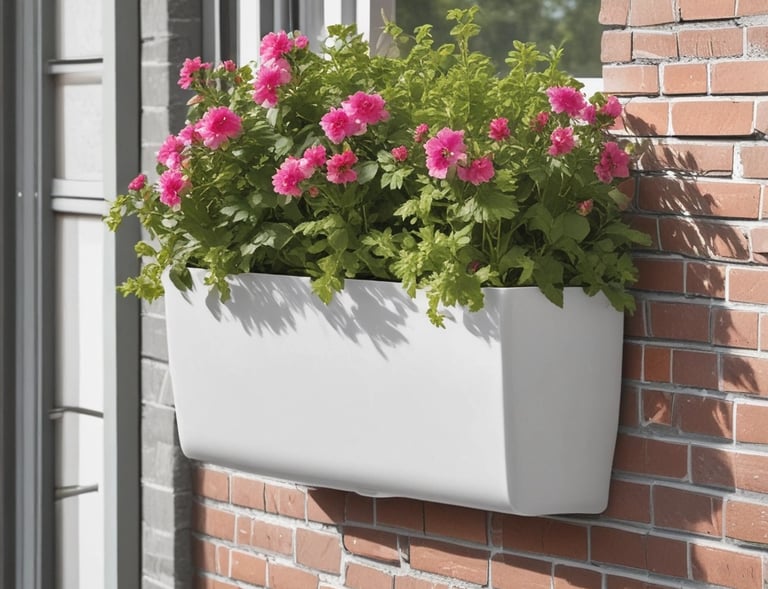

1. Lechuza Balconera Cottage Self Watering Planter
Best for: Balcony railings and rail-mounted gardens
Features: Built-in reservoir, durable resin, stylish wicker look
Pros: Lightweight, long-lasting, elegant
Cons: Pricier than standard plastic pots
👉 View on Amazon →
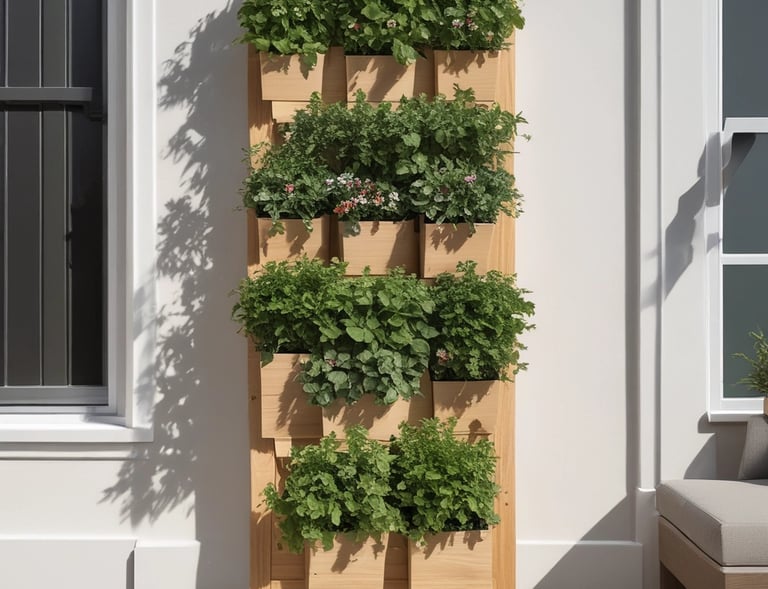
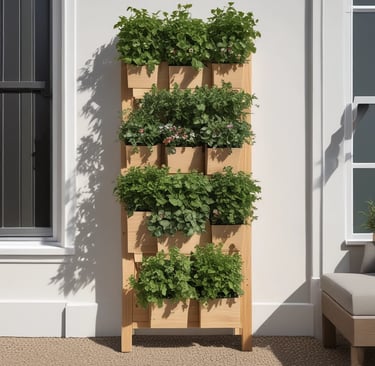
2. GreenStalk Vertical Planter
Best for: Maximizing small spaces vertically
Features: Stackable design, automatic water distribution
Pros: Great for herbs, lettuce, and strawberries
Cons: Needs stable placement
👉 View on Amazon →
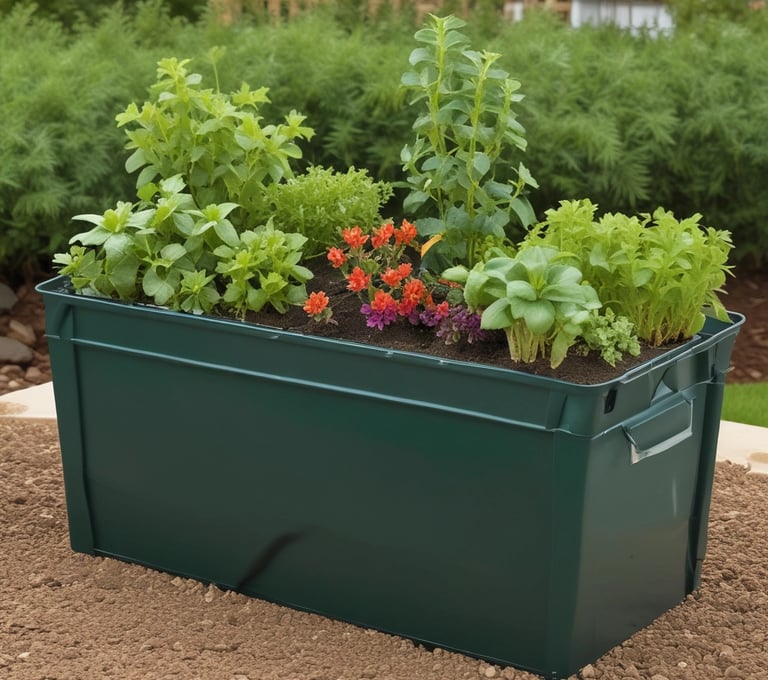
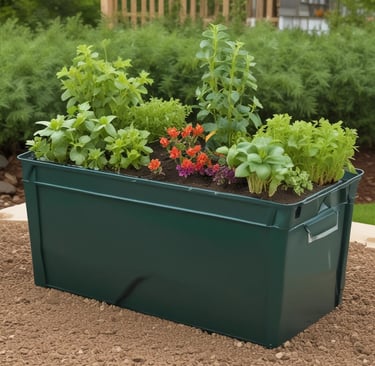
3. EarthBox Original Kit
Best for: Tomatoes, peppers, and leafy greens
Features: Water reservoir, aeration screen, fertilizer strip
Pros: All-in-one system for beginners
Cons: Bulky for very small balconies
👉 View on Amazon →
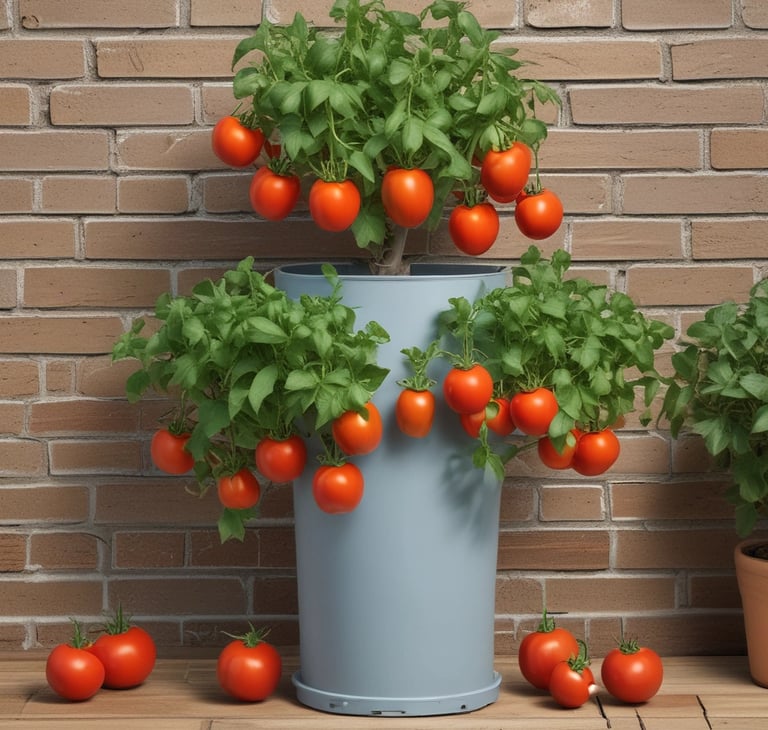
4. Gardener’s Supply Self-Watering Tomato Planter
Best for: Growing heavy feeders like tomatoes
Features: Deep reservoir, sturdy frame
Pros: Promotes higher yields
Cons: Needs assembly
👉 View on Amazon →
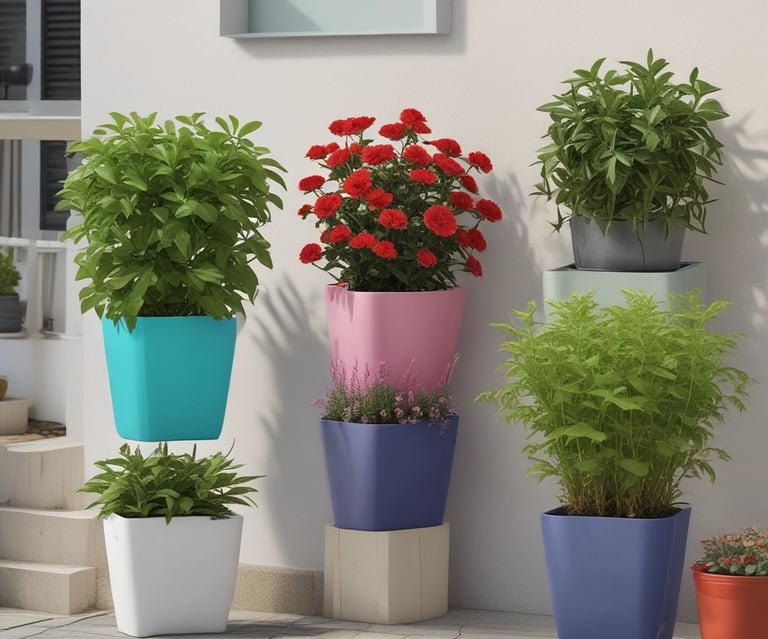

5. T4U Self Watering Plastic Planters (Set of 3)
Best for: Herbs and small vegetables
Features: Water indicator, compact, modern design
Pros: Affordable and perfect for beginners
Cons: Limited soil capacity
👉 View on Amazon →
🌞 DIY Self Watering Planter (Budget-Friendly)
Want to make your own? Here’s a simple DIY guide for beginners:
🧩 Materials:
Two plastic containers (one slightly smaller than the other)
Cotton rope (for wicking)
Potting mix
Vegetable seeds or seedlings
Steps:
Drill small holes in the bottom of the top container.
Thread the cotton rope through holes (it will wick up water).
Fill the bottom container with water.
Place the top container on it.
Add potting mix and plant your vegetables.
You’ve just made a mini self watering system for free!
💧 Watering & Maintenance Tips
Even though these planters are “self watering,” they still need some care:
Check reservoir weekly. Fill before it dries out.
Use rainwater if possible. It’s chemical-free.
Avoid fertilizer buildup. Flush the soil every few weeks.
Clean the reservoir monthly. Prevent algae growth.
🌿 Organic Potting Mix for Self Watering Planters
A good organic potting mix ensures proper moisture control. Avoid heavy garden soil—it clogs wicking systems.
Try this DIY mix:
40% coco coir or peat moss
30% compost
20% perlite
10% worm castings
This blend keeps moisture consistent while allowing airflow for strong root growth.
🚫 Common Mistakes to Avoid
Many new balcony gardeners make these easy-to-fix mistakes:
Using garden soil — too dense and poor drainage.
Overfilling reservoirs — roots can rot.
Ignoring sunlight needs — most vegetables need 6–8 hours daily.
No fertilizer — self watering pots need nutrients replenished regularly.
🌻 Eco-Friendly Benefits of Self Watering Planters
Self watering systems promote sustainable gardening by:
Reducing water waste
Minimizing runoff and soil erosion
Enabling organic, chemical-free gardening
Allowing city dwellers to grow food locally
You’re not just gardening—you’re contributing to a greener planet 🌎.
🥕 Conclusion: Small Balcony, Big Harvest
Even with limited space, you can grow a lush, productive vegetable garden using self watering planters. They’re efficient, sustainable, and beginner-friendly—perfect for any urban gardener.
Whether you buy a ready-made system or create your own, the results are rewarding: fresh, healthy vegetables grown right outside your window.
👉 Check out our recommended self watering planters on Amazon today and start your balcony garden with confidence!
Want to Know More on Gardening?
Please Read :
DIY Drip Irrigation System for Container Gardens: Save Water, Grow Better
The Ultimate Guide to Choosing the Best Soil for Growing Tomatoes in Containers
Subscribe
Join us for tips and product reviews.
Contact
Affiliate disclaimer
© 2025. All rights reserved.
As an affiliate, we may earn a commission from qualifying purchases. We get commissions for purchases made through links on this website from Amazon and other third parties.