Organic Lawn Care Tips for Shady Yards USA: Grow a Greener Lawn Naturally
Learn the best organic lawn care tips for shady yards in the USA. Discover natural ways to grow lush, eco-friendly grass in low-light areas.
LAWN & SOIL CARE
10/28/20255 min read
Introduction: The Challenge of Shady Lawns
Every homeowner dreams of a lush, green lawn — but what if your yard spends more time in the shade than under the sun? If you live in an area surrounded by trees, fences, or tall buildings, maintaining healthy grass can feel impossible.
The good news? You can have a beautiful, thriving lawn — even in the shade — by following organic lawn care practices.
In this guide, we’ll explore how to create and maintain an eco-friendly lawn that flourishes in low-light conditions, using natural soil boosters, shade-tolerant grass types, and smart watering strategies.
Why Choose Organic Lawn Care?
Before diving into the “how,” let’s talk about the “why.” Organic lawn care is more than just a gardening trend — it’s a sustainable choice that benefits your family, pets, and the planet.
Here’s why it matters:
🌱 Safe for children and pets: No toxic chemicals or harsh fertilizers.
🦋 Better for pollinators: Supports biodiversity and beneficial insects.
🌍 Soil health focused: Builds living soil that naturally feeds your grass.
💧 Eco-friendly: Reduces chemical runoff and conserves water.
By going organic, you’re creating a natural ecosystem right in your backyard — one that thrives with less maintenance over time.
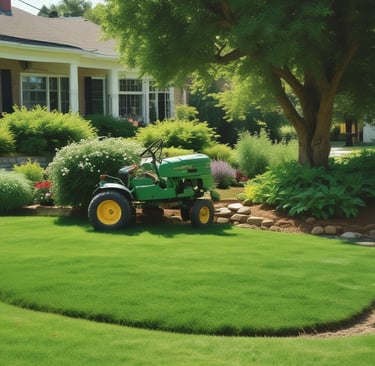
Understanding Shade and Grass Growth
Not all shade is created equal. Knowing your yard’s shade level helps determine the right grass type and care approach.
☀️ Types of Shade
Light Shade: 4–6 hours of sun daily; ideal for many lawn grasses.
Moderate Shade: 2–4 hours of direct sunlight; needs special grass types.
Dense Shade: Less than 2 hours of sun; consider ground covers instead of grass.
Pro Tip: Observe your yard throughout the day. Note which areas receive morning vs. afternoon sun — this affects what grows best.
Best Shade-Tolerant Grass Types for USA Lawns
Choosing the right grass seed is key to success in shady areas. Here are organic and shade-tolerant varieties suitable for different U.S. regions:
Step 1: Build Healthy Organic Soil
Shady lawns often suffer from compacted, nutrient-poor soil. Building a strong foundation is your first step.
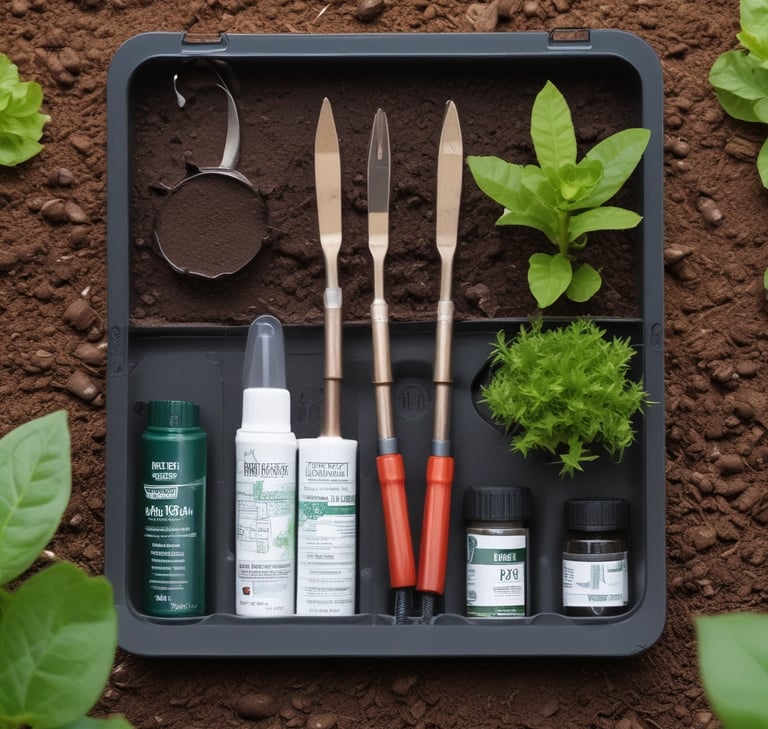

🧺 Test Your Soil
Use an organic soil test kit to check pH and nutrient balance. Most grass thrives at a pH of 6.0–7.0.
💡 Amazon Pick: Luster Leaf 1601 Rapitest Soil Test Kit – Quick and eco-friendly soil testing at home.
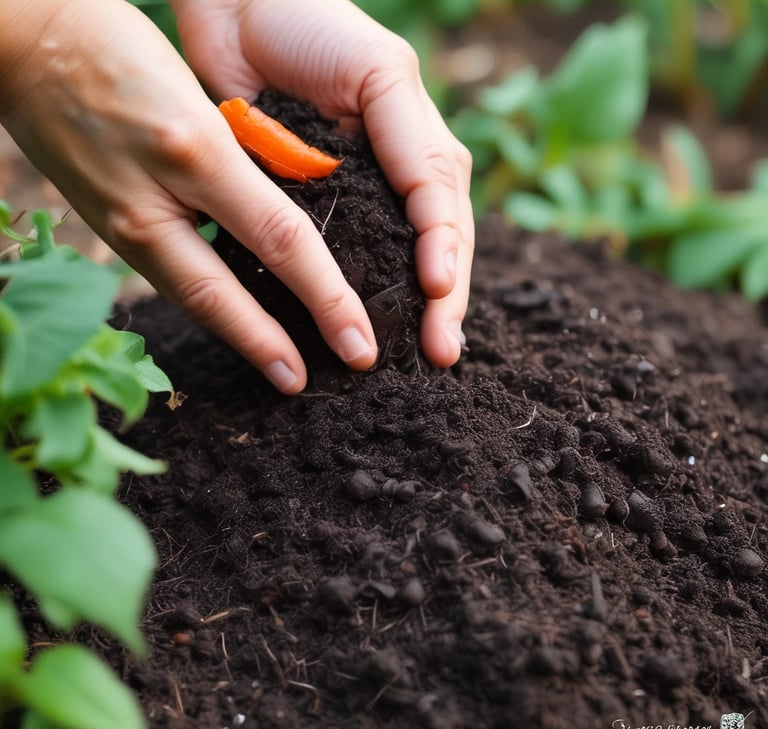
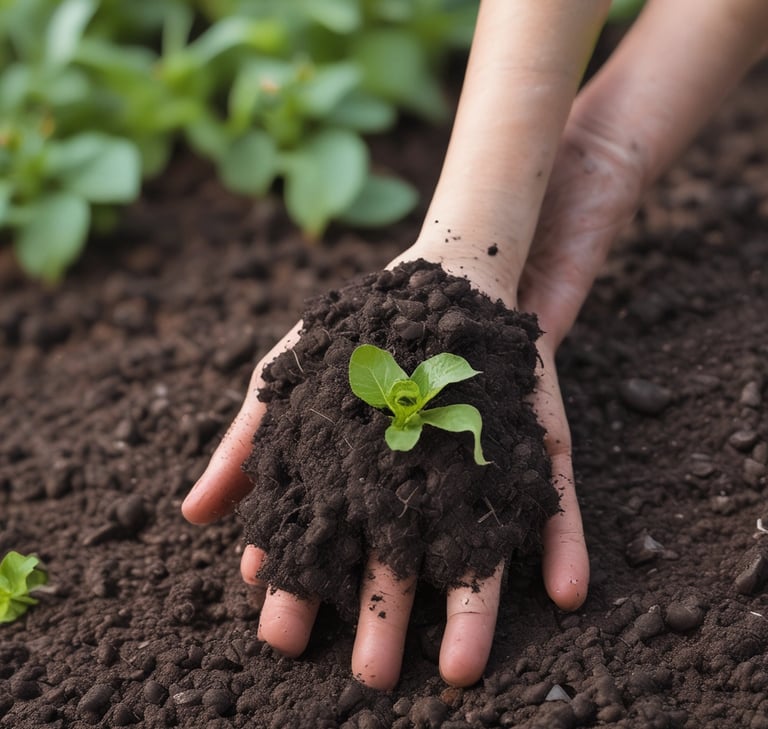
🌾 Add Organic Compost
Compost improves aeration, nutrient content, and microbial life.
Spread a ¼ inch layer of organic compost before seeding or topdressing.
🪴 Recommended Product: Black Kow Organic Compost — great for enriching lawn soil naturally.
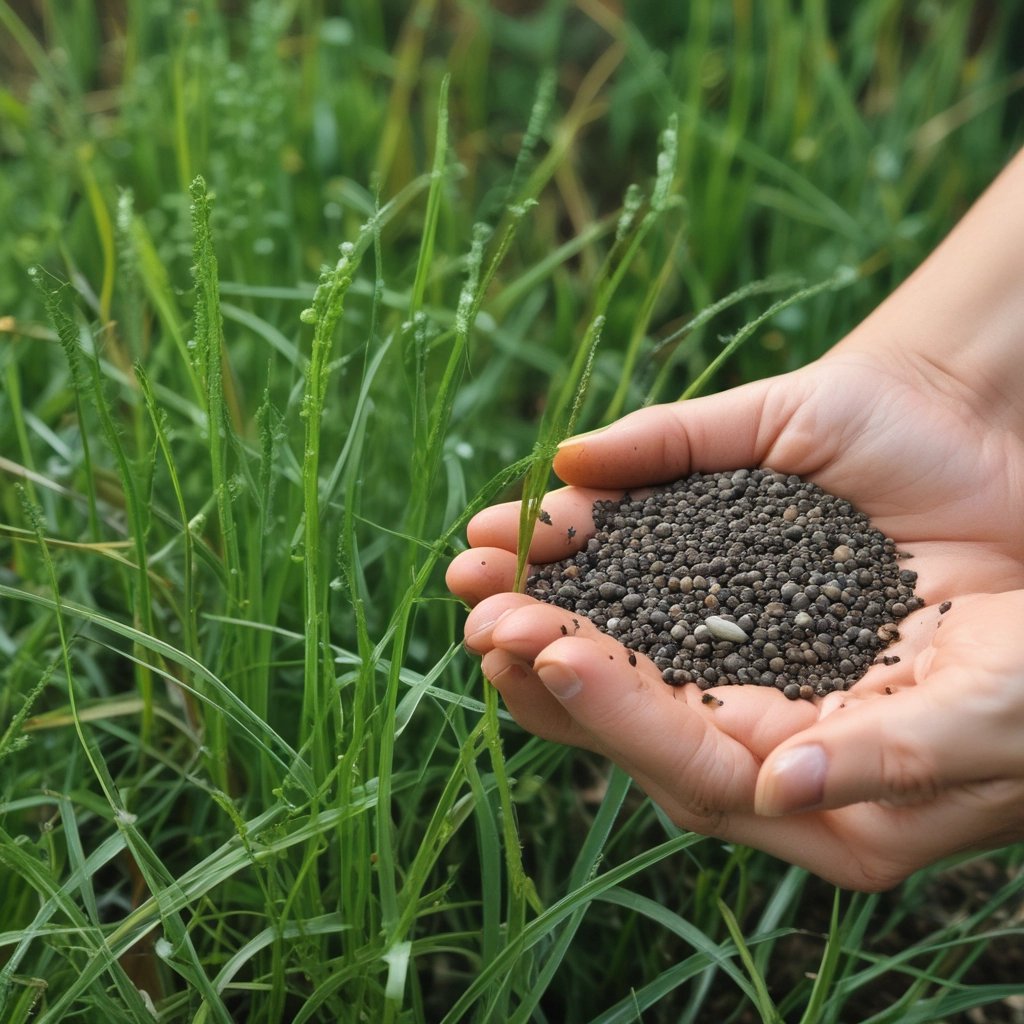
🪱 Use Worm Castings
Nature’s fertilizer! Worm castings enhance root growth and improve moisture retention.
🪱 Amazon Favorite: Unco Industries Wiggle Worm Soil Builder Worm Castings.
Step 2: Choose the Right Grass Seed
Select organic or untreated seeds labeled for “shade tolerance.”
Avoid heavily coated seeds — they often contain synthetic chemicals.
Pro Tip: Mix grass varieties for better coverage and disease resistance.
🌿 Top Pick: Jonathan Green Black Beauty Dense Shade Grass Seed Mix — perfect for U.S. shady lawns.
Step 3: Seed and Mulch the Right Way
🌱 How to Seed a Shady Lawn (Step-by-Step)
Rake the soil lightly to loosen the surface.
Spread grass seed evenly (½ lb per 100 sq ft).
Top with a thin layer of organic mulch or compost to retain moisture.
Water gently but deeply.
🌾 Mulch for Shade Success
Mulch keeps roots cool and prevents soil from drying out.
Choose organic straw or shredded leaves instead of synthetic mulch.
Step 4: Master Watering and Mowing for Shade
Shady lawns need less frequent watering but more attention to timing.
💧 Watering Tips
Water early in the morning to avoid fungus.
Allow soil to dry slightly between watering sessions.
Aim for 1 inch of water per week (rain + irrigation).
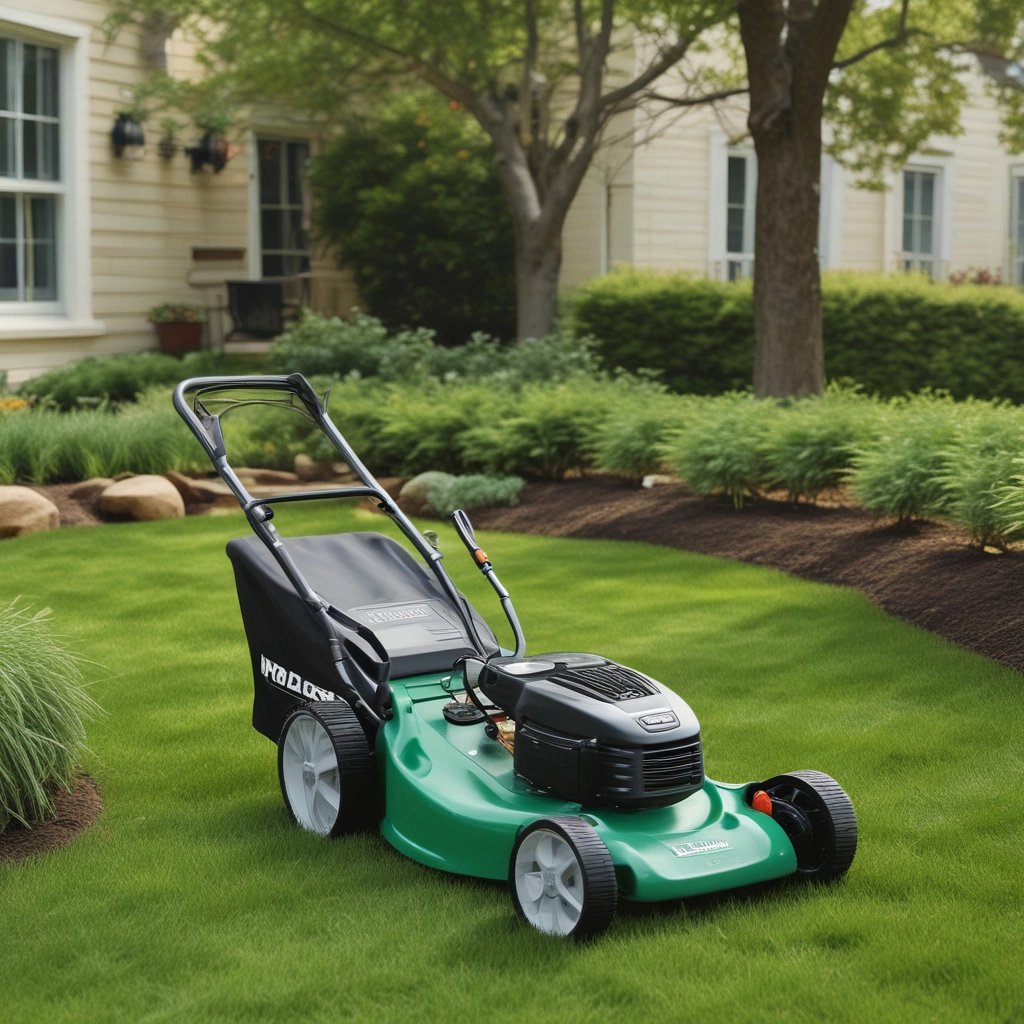
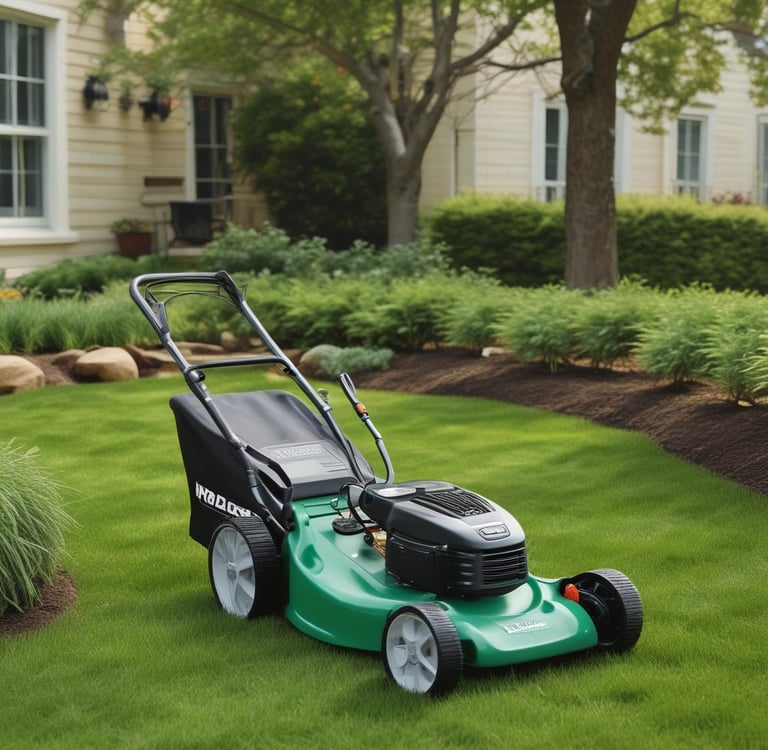
✂️ Mowing Tips
Keep grass taller — 3–4 inches helps shade the soil and reduce stress.
Sharpen mower blades regularly for clean cuts.
Avoid mowing when wet to prevent compaction.
🚜 Amazon Tool Pick: Greenworks 40V Cordless Lawn Mower — perfect for small shaded lawns and eco-conscious gardeners.
Step 5: Feed Organically — No Chemicals Needed
Fertilizers packed with nitrogen can burn grass in low light. Instead, opt for slow-release organic fertilizers.
Best Organic Fertilizers for Shade Lawns (Available on Amazon):
🟢 Espoma Organic Lawn Food – Gentle, long-lasting nutrients.
🌾 Scotts Natural Lawn Food – All-natural formula, safe for pets and kids.
🌱 Milorganite 0636 Organic Nitrogen Fertilizer – Enriches poor soils organically.
Apply once in spring and again in early fall for steady growth.
Step 6: Manage Moss and Weeds Naturally
Moss loves shade and compacted soil — but harsh chemicals aren’t the answer.
Organic Moss Control Methods:
Improve soil drainage with aeration.
Increase light by pruning tree branches.
Use baking soda or iron sulfate as natural moss deterrents.
Weed Control Tips:
Hand-pull weeds after rain for easy removal.
Mulch bare spots quickly to prevent weed invasion.
Try corn gluten meal as a pre-emergent organic weed preventer.
🌿 Amazon Suggestion: Espoma Organic Weed Preventer (Corn Gluten Meal) – safe and natural weed control.
Step 7: Seasonal Organic Lawn Care Schedule
Step 8: Enhance Shade Areas Creatively
If dense shade makes grass difficult to grow, try eco-friendly lawn alternatives:
🌸 Ground covers like clover or moss.
🌿 Shade-tolerant perennials such as hostas and ferns.
🌺 Decorative mulch or stepping stones to create low-maintenance beauty.
🪴 Amazon Idea: Clover Lawn Seed Mix by Outsidepride – eco-friendly, low-light alternative to grass.
Common Mistakes to Avoid
Even organic gardeners make these mistakes — avoid them for a thriving lawn:
❌ Overwatering — promotes moss and fungus.
❌ Using garden soil instead of compost.
❌ Skipping soil testing.
❌ Mowing too short.
❌ Expecting full sun growth in deep shade.
Patience is key — shady lawns grow slower but can stay greener longer once established.
Conclusion: A Greener Path for Shady Yards 🌱
Creating a healthy, vibrant lawn in the shade doesn’t require chemicals or frustration — just the right organic approach.
By choosing shade-tolerant grass, enriching your soil with compost and worm castings, and following natural maintenance techniques, you’ll enjoy a lawn that’s soft, green, and sustainable all year long.
Ready to start your organic lawn care journey?
👉 Check out our favorite shade-tolerant grass seeds and organic fertilizers on Amazon to transform your yard today!
Want to Know More on Gardening?
Please Read :
The Ultimate Guide to Choosing the Best Soil for Growing Tomatoes in Containers
DIY Drip Irrigation System for Container Gardens: Save Water, Grow Better
Subscribe
Join us for tips and product reviews.
Contact
Affiliate disclaimer
© 2025. All rights reserved.
As an affiliate, we may earn a commission from qualifying purchases. We get commissions for purchases made through links on this website from Amazon and other third parties.