
How to Treat Powdery Mildew on Flowering Shrubs (USA Guide)
Learn how to treat powdery mildew on flowering shrubs naturally in the USA with proven organic methods and top-rated Amazon garden care products.
FLOWERS & SHRUBS
11/13/20255 min read
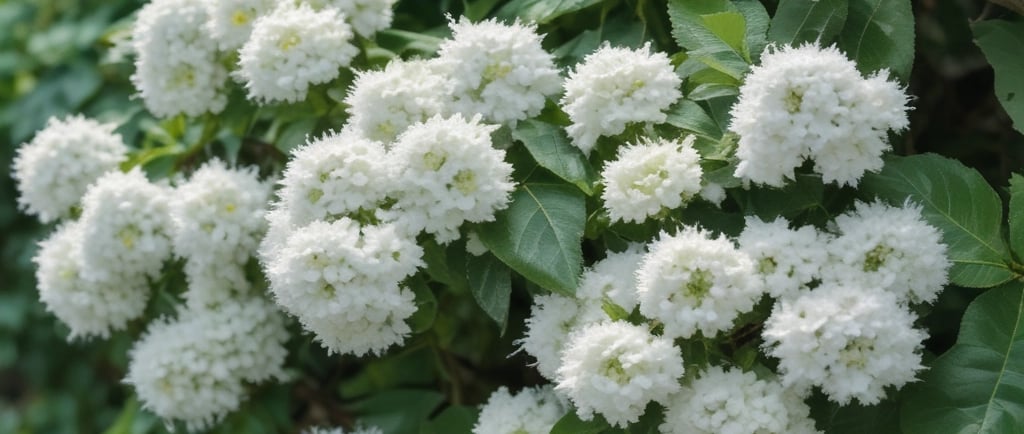
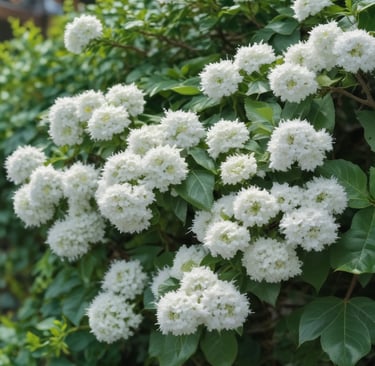
Introduction: Why Powdery Mildew Is Every Gardener’s Headache
Few things are more frustrating than seeing your once-lush flowering shrubs covered in a dusty white film. That ghostly coating is powdery mildew, a common fungal disease that affects roses, lilacs, azaleas, hydrangeas, and other garden favorites across the USA.
The good news? You can treat and prevent powdery mildew naturally — without harsh chemicals that harm your plants, pets, or pollinators. Whether you’re a beginner gardener or a seasoned pro, this guide will help you understand the causes, symptoms, and best organic treatments for keeping your flowering shrubs healthy and vibrant.
🌿 What Is Powdery Mildew?
Powdery mildew is a fungal disease caused by several species of fungi (most commonly Erysiphe and Podosphaera). Unlike most fungi, it thrives in dry conditions with high humidity, making it a frequent problem in late spring and early fall.
You’ll recognize it by:
White or grayish powdery spots on leaves, stems, or buds
Curling, distorted, or yellowing leaves
Stunted growth and fewer blooms
If left untreated, powdery mildew can weaken your shrubs, reduce flowering, and make plants more vulnerable to other diseases.
🌞 Why Flowering Shrubs Get Powdery Mildew
Powdery mildew spreads easily when the growing environment is just right for fungal spores. Common causes include:
Poor Air Circulation – Shrubs planted too close together trap moisture.
Excess Shade – Lack of sunlight keeps leaves damp for longer.
Overhead Watering – Wet foliage provides the perfect home for fungi.
High Humidity & Warm Temperatures – Especially in late spring or humid regions of the USA.
Nutrient Imbalance – Too much nitrogen can cause tender new growth that’s more prone to infection.
Understanding these factors helps you take preventive steps before the fungus spreads.


🌼 Identifying Powdery Mildew vs. Other Leaf Problems
Not every white or gray coating on leaves is mildew. To confirm:
If your shrubs match the left column — congratulations, you’ve found your culprit!
🌱 Step-by-Step: How to Treat Powdery Mildew Naturally
Here’s your practical, beginner-friendly plan to restore your flowering shrubs.


1. Prune and Clean
Remove all infected leaves, buds, and stems.
Disinfect pruning shears with rubbing alcohol or bleach solution between cuts.
Dispose of infected debris — don’t compost it.
🛒 Amazon Tip:
Try the Fiskars Steel Pruning Shears, a best-seller for home gardeners — durable, sharp, and easy to clean.


2. Improve Airflow and Sunlight
Space your shrubs properly (leave at least 2–3 feet between plants).
Thin out dense growth to let sunlight reach inner branches.
If possible, relocate container shrubs to sunnier spots.
🛒 Amazon Tip:
For container shrubs, the Keter Easy Grow 31.7 Gallon Raised Garden Bed offers great drainage and sunlight exposure — ideal for mildew prevention.
3. Use Organic Fungicidal Sprays
Avoid chemical fungicides that can harm pollinators. Instead, go for these natural treatments:
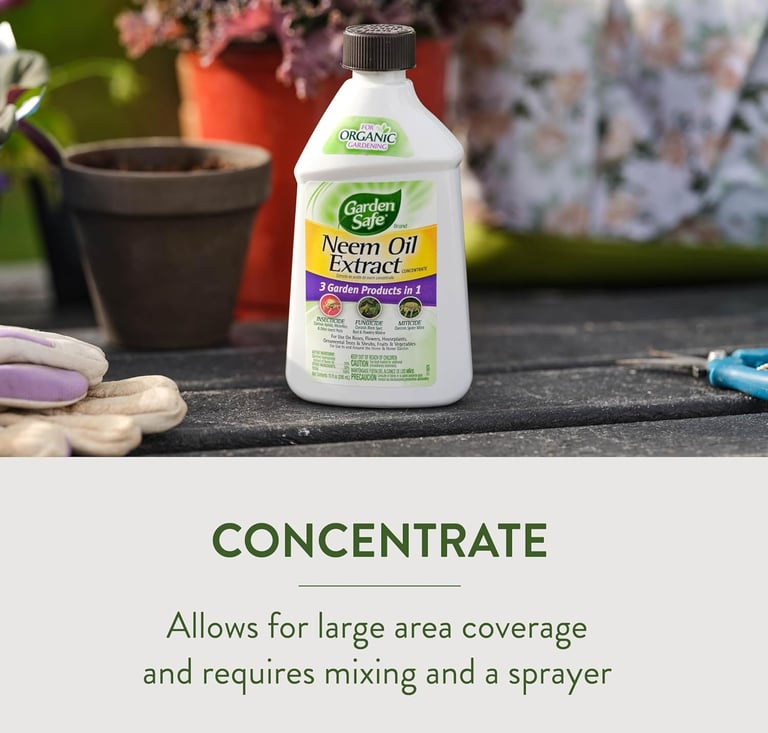
A. Neem Oil Spray
Mix 2 tablespoons of neem oil per gallon of water.
Spray weekly until mildew disappears.
Neem acts as both a fungicide and an insect repellent.
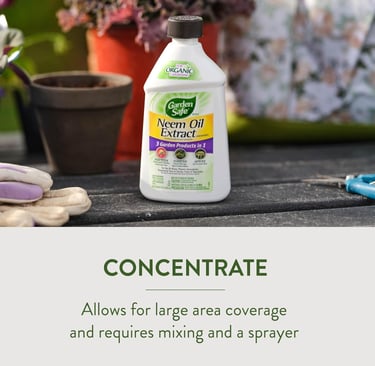
🛒 Recommended Product:
Garden Safe Neem Oil Extract Concentrate — OMRI-listed and safe for organic gardening.
B. Baking Soda Solution
Mix 1 tablespoon baking soda + 1 teaspoon mild soap in 1 gallon of water.
Spray gently on affected leaves.
C. Milk Spray
Mix 1 part milk to 9 parts water and spray in the morning sun.
Lactic acid in milk helps inhibit fungal growth.
D. Sulfur-Based Sprays
Excellent preventive option, especially before humid seasons.
Apply early in the day and avoid during heatwaves.
4. Water the Right Way
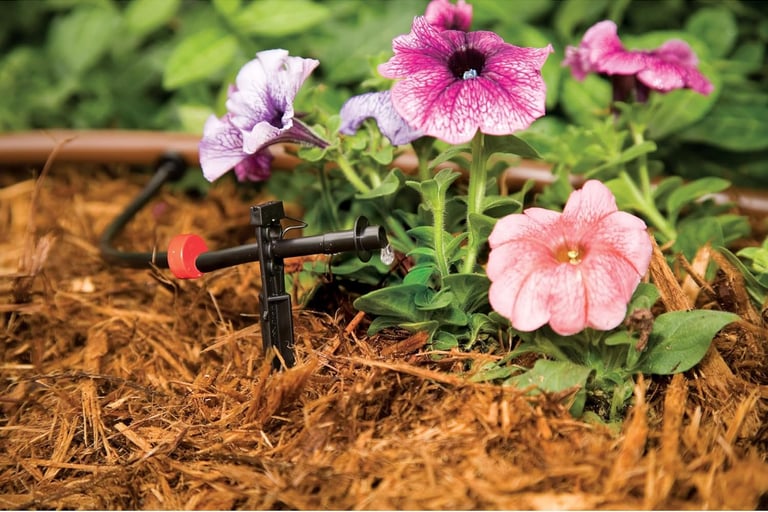
Always water the soil, not the leaves. Drip irrigation or soaker hoses keep foliage dry and roots hydrated.
🛒 Suggested Product:
Rain Bird Soaker Hose System — perfect for targeted watering and reducing fungal risk.


5. Feed Plants Organically
Balanced nutrients help shrubs fight disease naturally. Use organic fertilizers rich in potassium and calcium.
🛒 Suggested Product:
Dr. Earth Organic Flower Garden Fertilizer — a popular USA-made blend that enhances plant immunity.
🌿 Prevention: Keep Powdery Mildew Away for Good
Once your shrubs are healthy again, adopt these preventive habits:
Avoid overcrowding: Give each plant breathing space.
Choose mildew-resistant varieties: Look for resistant cultivars when buying new shrubs.
Water early in the morning: Allows foliage to dry during the day.
Mulch wisely: Organic mulch regulates soil moisture and reduces splashing.
Rotate locations: Move potted shrubs to sunnier areas as needed.
🛒 Try This:
Espoma Organic Mulch & Soil Conditioner — great for moisture retention and fungal protection.
🌸 Best Flowering Shrubs Prone to Powdery Mildew (and How to Help Them)
🌼 Common Mistakes Gardeners Make
Even experienced gardeners slip up sometimes. Avoid these traps:
Spraying too late: Fungus spreads quickly — treat at first signs.
Skipping pruning: Dense foliage traps moisture.
Overwatering: Excess humidity fuels fungal growth.
Ignoring tools: Dirty pruners spread spores.
Using harsh chemicals: These can burn leaves and harm pollinators.
🌿 Eco-Friendly Fungicide Alternatives
If you prefer commercial yet organic solutions, here are some Amazon options:
Bonide Captain Jack’s Copper Fungicide – ideal for roses and hydrangeas.
Safer Brand Garden Fungicide – sulfur-based, OMRI-listed for organic gardening.
Trifecta Crop Control Organic Spray – all-in-one solution for fungus, mites, and mildew.
These natural fungicides are safe, effective, and trusted by thousands of gardeners across the USA.
🌺 Final Thoughts: Keep Your Shrubs Blooming Beautifully
Powdery mildew may be one of the most common garden challenges, but it’s far from unbeatable. With the right mix of pruning, airflow, organic sprays, and smart watering, your flowering shrubs can bounce back to full health — naturally.
By following these simple, eco-friendly steps, you’ll not only save your plants but also create a sustainable, chemical-free garden space you can be proud of.
Ready to rescue your shrubs? Explore our recommended organic sprays and garden tools on Amazon and give your plants the care they deserve!
🌼 Quick Recap
Powdery mildew thrives in humid, shaded conditions.
Prune, clean, and improve airflow.
Use natural remedies like neem oil or baking soda.
Water wisely and fertilize organically.
Prevent recurrence with good spacing and resistant varieties.
Want to Know More on Gardening?
Please Read :
Subscribe
Join us for tips and product reviews.
Contact
Affiliate disclaimer
© 2025. All rights reserved.
As an affiliate, we may earn a commission from qualifying purchases. We get commissions for purchases made through links on this website from Amazon and other third parties.