Best Indoor Grow Lights for Vegetables and Herbs in 2025
Discover the best indoor grow lights for vegetables and herbs in 2025. Find top LED options, features, and pros & cons for healthy, year-round growth.
VEGETABLES & HERBS
10/19/20255 min read
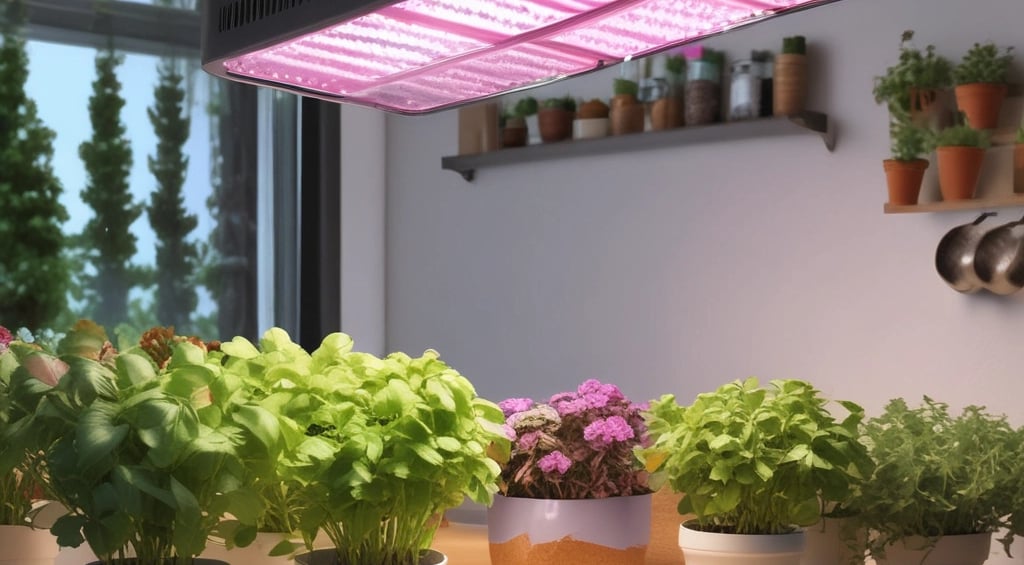
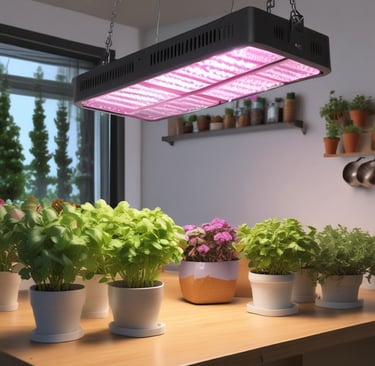
If you’re a gardener with limited outdoor space—or you simply want to grow fresh veggies and herbs all year round—indoor gardening with grow lights is a game changer. In 2025, indoor grow light technology has advanced to be more energy-efficient, plant-friendly, and space-saving than ever before.
Whether you live in an apartment or want to start a countertop herb garden, choosing the best indoor grow lights for vegetables and herbs can make all the difference in your harvest’s quality and yield. In this guide, we’ll explore what makes a great grow light, review some top-rated options, and help you find the best fit for your indoor garden setup.
Why You Need Grow Lights for Indoor Gardening
Natural sunlight is essential for photosynthesis, but when growing indoors—especially in small apartments or places with limited windows—plants need artificial light sources that mimic the sun’s spectrum.
Grow lights help your plants:
Thrive during darker winter months
Produce healthy leaves and fruits
Grow faster and more evenly
Stay compact instead of leggy or weak
With the right grow light setup, even a small balcony or kitchen shelf can become a lush green oasis.
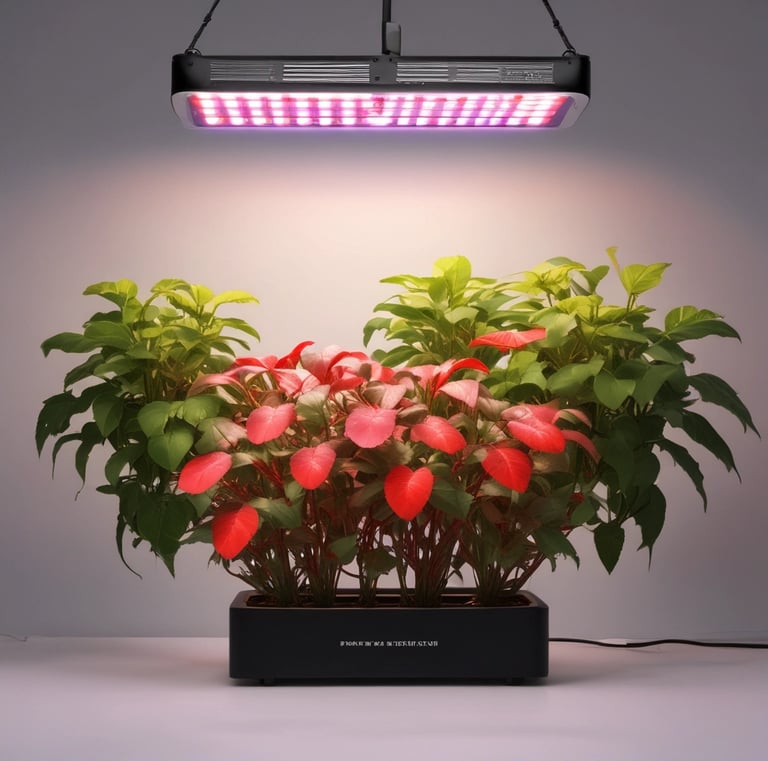
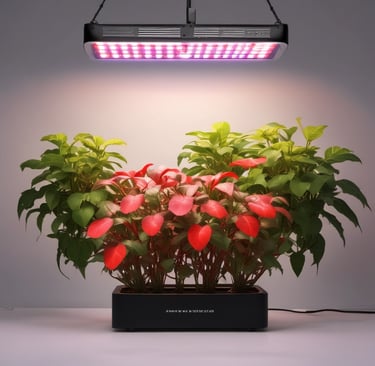
What to Look for in Indoor Grow Lights
Before diving into our top picks, here are the key factors to consider:
1. Light Spectrum
Plants need different wavelengths at different stages:
Blue light (400–500 nm): Encourages leafy growth—perfect for herbs and greens.
Red light (600–700 nm): Promotes flowering and fruiting—great for tomatoes and peppers.
Full-spectrum lights: Ideal for balanced growth throughout all stages.
2. Brightness & PPFD (Photosynthetic Photon Flux Density)
A higher PPFD value means your plants receive more usable light for growth. Check for lights that provide 200–400 µmol/m²/s for herbs and 400–600 µmol/m²/s for fruiting vegetables.
3. Energy Efficiency
Choose LED grow lights, which last longer and use less electricity compared to fluorescent or halogen bulbs.
4. Adjustable Height and Dimming
Being able to raise or lower your light—and dim intensity—prevents leaf burn and helps tailor the light for each plant type.
5. Coverage Area
Match the light size to your growing area. For example:
Small setups: Desktop or clip-on grow lights.
Larger systems: Hanging LED panels or bar lights.
Top Indoor Grow Lights for Vegetables and Herbs (2025)
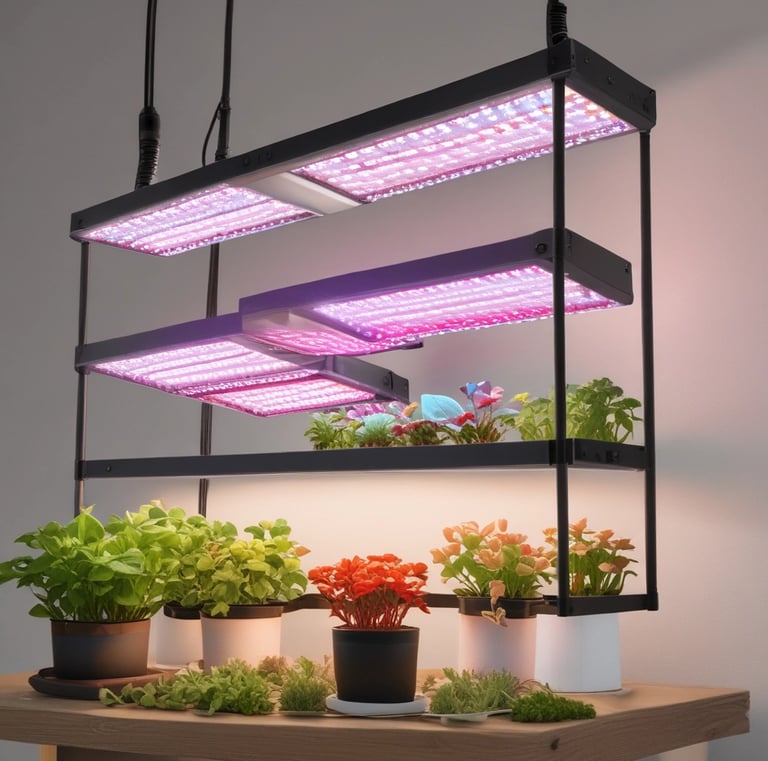
1. Spider Farmer SF1000 Full Spectrum LED Grow Light
Features:
Uses Samsung LM301B diodes for high energy efficiency
Full spectrum (white, blue, red, IR) ideal for all growth stages
Dimmable knob for easy light control
Aluminum heat sink for silent cooling
Pros:
✅ High PAR output for excellent growth
✅ Durable and energy-efficient design
✅ Great for small vegetable setups
Cons:
❌ Requires a hanging setup
❌ Slightly large for tight spaces
Best For: Gardeners growing tomatoes, peppers, or leafy greens in medium-sized indoor gardens.
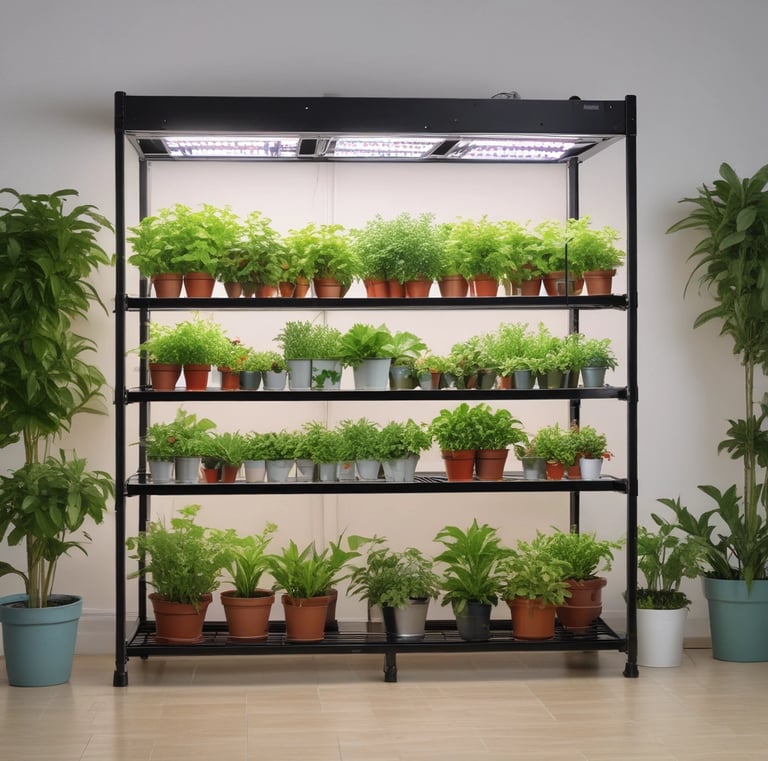
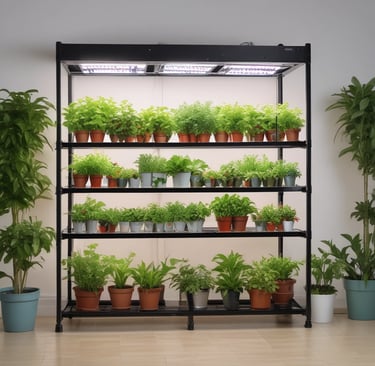
2. Barrina T5 LED Grow Light, 4ft (Full Spectrum)
Features:
Pack of multiple light bars for flexible placement
Easy linkable design—connect several in a row
Full spectrum for healthy growth
Lightweight and simple installation
Pros:
✅ Perfect for shelves or wall mounting
✅ Energy-efficient LED technology
✅ Affordable for multi-shelf gardens
Cons:
❌ Lacks built-in timer
❌ May require additional hanging clips
Best For: Urban gardeners creating vertical growing racks or shelf setups for herbs like basil, parsley, and cilantro.


3. AeroGarden Harvest Elite Indoor Hydroponic System
Features:
All-in-one hydroponic system with built-in LED grow light
Adjustable arm and automatic timer
Smart control panel for reminders and light scheduling
Compact stainless-steel design
Pros:
✅ Great for complete beginners
✅ Hands-free watering and lighting
✅ Sleek countertop look
Cons:
❌ Limited to small plants or herbs
❌ More expensive than standalone lights
Best For: Beginners or kitchen gardeners who want a plug-and-play herb garden.


4. GE BR30 LED Grow Light Bulbs (Full Spectrum)
Features:
Full-spectrum bulb fits standard light sockets
Emits white light suitable for home interiors
Ideal for small pots or indoor herb stations
Pros:
✅ No special fixtures required
✅ Great for small or decorative setups
✅ Low heat output
Cons:
❌ Limited coverage area
❌ Less intense for fruiting vegetables
Best For: Apartment dwellers growing herbs or lettuce on windowsills.
5. Mars Hydro TS 600W LED Grow Light
Features:
Full-spectrum output with reflective design for maximum coverage
Silent operation (fanless design)
Energy-saving technology
Works well for fruiting plants and dense growth
Pros:
✅ High-quality light for the price
✅ Covers a wide area
✅ Great yield performance
Cons:
❌ Needs proper ventilation
❌ Not ideal for micro-gardens
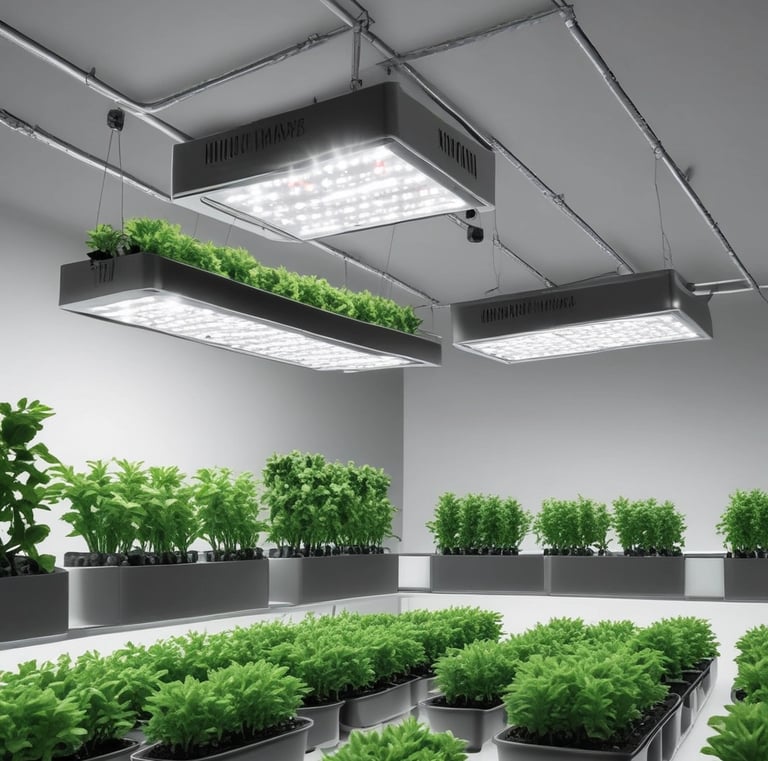
Best For: Serious home gardeners with multiple vegetable plants or indoor greenhouses.
How to Use Indoor Grow Lights Effectively
Set the Correct Light Distance:
Keep LED grow lights about 12–18 inches above the plants to prevent burning.Adjust Light Duration:
Herbs and leafy greens: 12–14 hours per day
Fruiting plants (like tomatoes): 14–16 hours per day
Rotate Plants Regularly:
Ensures even light distribution and balanced growth.Clean Lights Monthly:
Dust buildup can reduce light output over time.
Common Mistakes to Avoid
🚫 Placing lights too close: Causes leaf burn.
🚫 Not adjusting for plant growth: Plants grow taller, so the distance must change.
🚫 Overwatering: Lights dry soil faster—adjust your watering schedule.
🚫 Ignoring timers: Consistent light cycles are crucial for healthy growth.
Maintenance Tips for Healthy Indoor Gardens
Check soil moisture daily—LED lights can cause faster evaporation.
Fertilize organically every 2–3 weeks with compost tea or liquid seaweed.
Prune regularly to encourage airflow and reduce mold.
Replace bulbs every 1–2 years for best light performance.
Why Choose Organic Growing Indoors
Combining organic soil, compost, and LED grow lights gives you full control over your plants’ health. You’ll avoid harmful pesticides, reduce environmental impact, and enjoy nutrient-rich vegetables that taste better—straight from your own home garden.
Conclusion
Indoor gardening is no longer just a trend—it’s a sustainable way to enjoy fresh produce year-round. With the right grow light for vegetables and herbs, you can transform any corner of your home into a thriving mini farm.
Experiment with different light setups, pay attention to your plants’ needs, and watch them flourish under your care.
🌱 Start today! Check out our recommended grow lights on Amazon to create your perfect indoor garden oasis.
Want to Know More?
Please Read :
How to Grow Herbs Indoors Without Sunlight: The Complete Beginner’s Guide
Top Indoor Gardening Tools for Small Apartments: Your Ultimate Guide
Subscribe
Join us for tips and product reviews.
Contact
Affiliate disclaimer
© 2025. All rights reserved.
As an affiliate, we may earn a commission from qualifying purchases. We get commissions for purchases made through links on this website from Amazon and other third parties.