Best Grow Bags for Small Space Vegetable Gardening (USA Guide 2025)
Grow more veggies in less space with the best grow bags! See top Amazon picks, size guides, soil tips, and expert advice for small-space gardening success.
VEGETABLES & HERBS
11/18/20254 min read
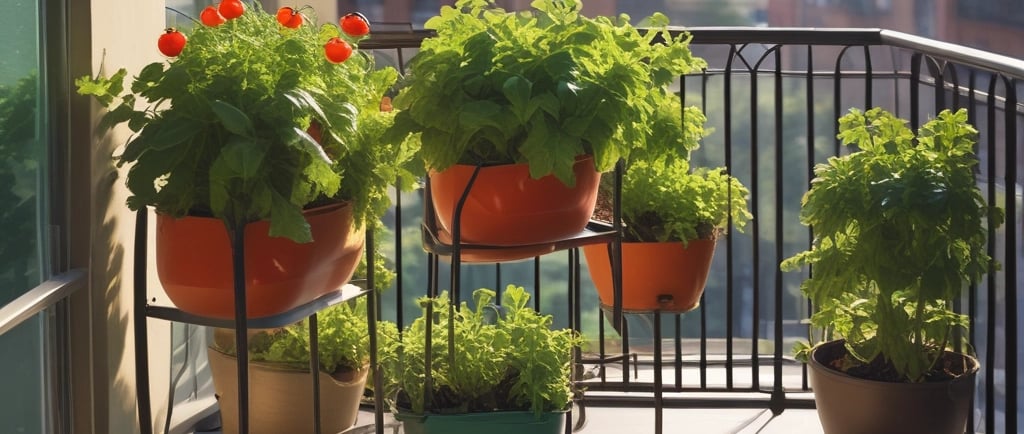
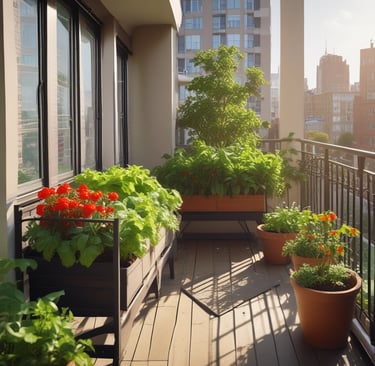
Growing your own vegetables doesn’t require a spacious backyard anymore — especially for city dwellers or those with limited outdoor space. Grow bags are one of the most practical and flexible solutions for small-space vegetable gardening in the USA. They allow for proper root aeration, better drainage, and can be placed on patios, balconies, or just about any compact area.
In this guide, we'll explore why grow bags are so beneficial, how to choose the right ones for your vegetables, and recommend the top grow bags available on Amazon. You'll learn how to design a space-efficient vegetable garden that thrives without taking over your entire outdoor area.
Why Grow Bags Are Ideal for Small Space Vegetable Gardening
Better Root Health
Traditional pots can restrict root growth, but grow bags promote air pruning, where roots naturally self-trim when they reach the edge. This results in a healthier, more robust root system.
Improved Drainage
The fabric or breathable material in grow bags allows excess water to drain through, reducing the risk of root rot and overwatering.
Lightweight & Portable
Many grow bags are lightweight when empty. This means you can move your plants to follow the sun or bring them inside during extreme weather.
Space-Efficient
Grow bags come in a variety of sizes (from 1 to 20 gallons), making it easy to pick the right size for your available space.
Sustainable Option
Many grow bags are reusable and made from breathable, non-toxic materials — aligning well with eco-friendly gardening.
What to Look for When Choosing Grow Bags
When picking grow bags, especially for vegetables, keep these factors in mind:
Size and Capacity
For tomatoes, peppers, or eggplants → Go for 7–15 gallon bags
For lettuce, herbs, or smaller veggies → 1–5 gallon bags are sufficient
Material & Durability
Heavy-duty fabric: Holds up season after season
UV-resistant material: Prevents wear from sun exposure
Handles: Reinforced handles make it easier to move full bags
Drainage & Aeration
Look for double-stitched seams
Breathable fabric ensures good airflow and root pruning
Number of Bags
Think about how many vegetables you want → 4× tomato plants = 4 bags
Consider a modular layout (e.g., grid of 4–6 bags on a patio)
Price vs Quality
Cheap bags often thin out quickly
Premium fabric bags may cost more but last multiple seasons
Top 6 Best Grow Bags for Small Space Vegetable Gardening
Here are top-rated grow bags sold on Amazon that are especially well-suited for small-space vegetable gardens in the USA:
How to Use Grow Bags Effectively for Vegetable Gardening
Step 1: Prepare the Grow Bag
Fill grow bag with a quality organic potting mix (50% potting soil + 50% compost or coco coir).
Add a balanced organic slow-release fertilizer or compost tea.
Step 2: Planting
Sow seeds or transplant seedlings at the appropriate depth.
Leave at least 3–4 inches of space at the top of the grow bag for watering.
Step 3: Watering
Water thoroughly until water starts to leak out the bottom.
Use a soaker hose or slow watering can to prevent over-saturating.
Refill only when the bag feels light to the touch.
Step 4: Maintenance
Rotate the bags periodically to ensure even light exposure.
Add mulch on top to conserve moisture.
Check for root-bound plants after a season; if roots circle, repot or divide.
Step 5: Overwintering
If you live in a cold-climate zone:
Empty soil and store bag in a dry garage.
Or, move the full bag to a protected area (like an unheated porch) and cover it to reduce temperature stress.
Natural Problem-Solving Tips for Grow Bag Gardeners
Preventing Overwatering
Use moisture meters to check soil before watering
Add perlite or shredded bark to your mix to improve drainage
Reducing Pests
Encourage beneficial insects by planting companion herbs (like basil or marigold) in nearby grow bags
Use sticky traps to catch flying pests early
Managing Nutrients
Replenish nutrients mid-season with compost or liquid organic fertilizer
Flush the soil with clean water monthly to remove salt buildup
Handling Root Issues
Grow in breathable fabric means less root rot risk, but check for circling roots in larger plants yearly
When repotting, gently tease out roots before transplanting
Advantages of Using Grow Bags vs Traditional Pots
Why Amazon Is a Great Place to Shop for Grow Bags
Tons of variety (sizes, materials, brands)
User reviews help you gauge quality and durability
Fast shipping across the USA
Easy to compare and bundle (e.g., soil + bags + tools)
Frequent discounts and subscription options
.
FAQs: Grow Bags & Small Vegetable Gardening
Q1: Can I grow tomatoes in a 5-gallon grow bag?
A: For small determinate tomatoes, yes. But for larger indeterminate varieties, 7–15 gallon bags are better for root space.
Q2: How often should I refill the reservoir?
A: Grow bags don’t actually have reservoirs — refill the soil surface when it looks or feels dry, and water until drainage.
Q3: Are grow bags bad for the environment?
A: Many grow bags are made of recycled or recyclable fabric. They are reusable for several seasons, which makes them eco-friendly long-term.
Q4: Do I need fertilizer for plants in grow bags?
A: Yes, especially for vegetables. Use organic compost or slow-release fertilizer every 6–8 weeks.
Q5: Can I leave grow bags outside all year?
A: It depends on your climate. In freezing temperatures, soil can crack, so consider moving or emptying the bags for winter.
Conclusion
If you want to grow vegetables indoors or on a small patio — without big raised beds — grow bags are your best friend. They offer flexibility, healthy root structure, and eco-friendly performance. By choosing the right grow bag, using quality soil, and maintaining a thoughtful watering and feeding routine, you’ll be well on your way to a thriving, space-efficient vegetable garden.
Ready to grow? Check out our recommended Amazon grow bags above and pick the size that fits your space and your garden dreams.
Want to Know More on Gardening?
Please Read :
Subscribe
Join us for tips and product reviews.
Contact
Affiliate disclaimer
info@honestgardener.com
© 2025. All rights reserved.
As an affiliate, we may earn a commission from qualifying purchases. We get commissions for purchases made through links on this website from Amazon and other third parties.